



Have you ever wondered if a tiny drop of nature’s magic could help soothe your dog’s allergy troubles? Many pet parents know the worry of watching their furry friend scratch and squirm because of itchy skin. Some have discovered that a few drops of gentle, well-diluted essential oils can feel like a warm, comforting hug on a difficult day. Today, we’re chatting about how these natural oils might ease common allergens, helping your pet feel more relaxed, comfortable, and happy.
Key Overview: Essential Oils for Alleviating Dog Allergies
Many dog parents notice their furry pals can be bothered by allergies. Whether it’s pollen, mold, dust mites, grass, or even food proteins like beef, chicken, dairy, or wheat, up to 10–20% of dogs show a reaction. And sometimes, even one tiny flea bite can set off a bout of irritation. Knowing what causes your dog’s discomfort is the first step toward a happier, more comfortable pet.
Aromatherapy can be a kind and natural way to help manage these allergies. Some pet owners have found that gently diffusing a mild essential oil where your dog hangs out or using a carefully diluted blend on the skin can soothe irritated skin and ease breathing troubles. It’s kind of like serving a warm, calming cup of tea on a hectic day, offering a little pocket of relief for your best friend.
When it comes to essential oils, quality matters a lot, especially for sensitive pups. Always choose pure, natural oils rather than synthetic “fragrance-grade” ones, which might not be so kind over time. Start with a low concentration and mix it well, and do a spot test on a small area like the base of the neck before using more widely. This simple step-by-step check can help make sure your dog safely enjoys the soothing benefits of aromatherapy.
Top Safe Essential Oil Choices for Dogs with Allergies
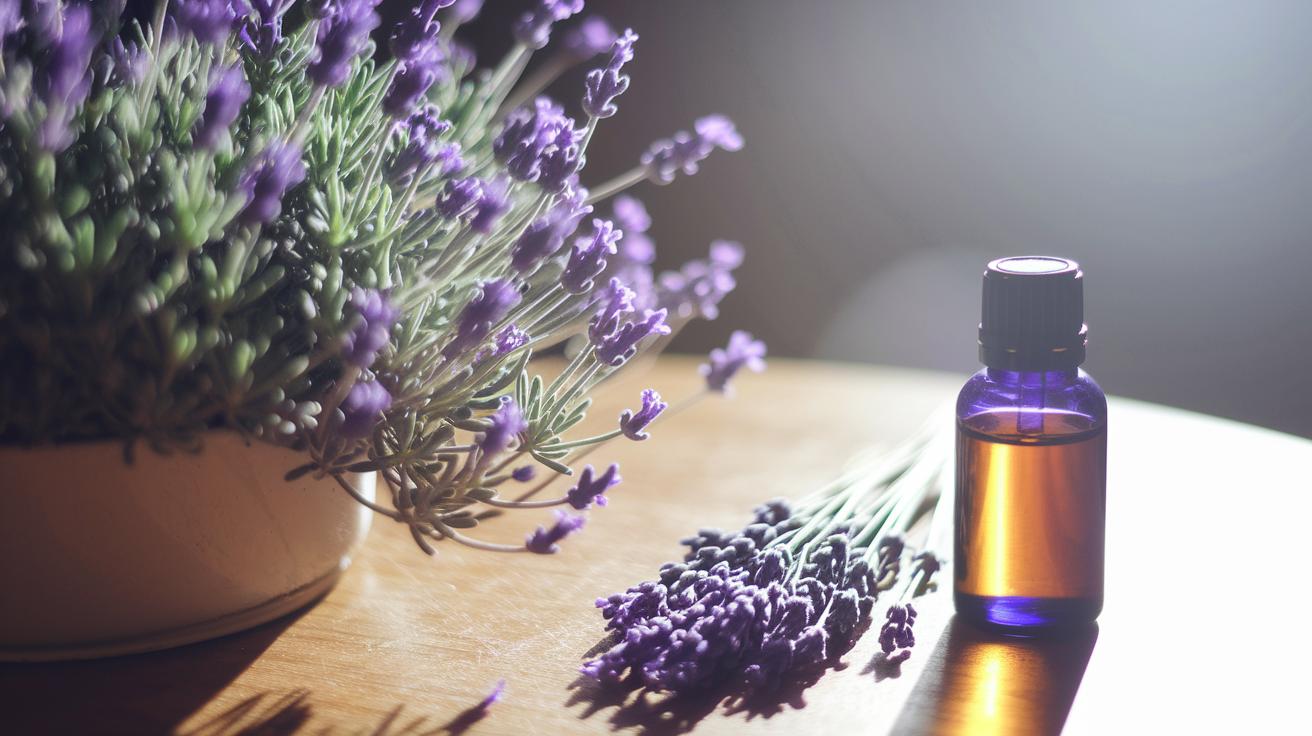
When you're picking essential oils for your dog's sensitive skin, making sure they're pure and safe is a must. We only use the good stuff, pure, natural oils like steam-distilled lavender that fills the room with a gentle aroma, or frankincense, which is made from tree sap and helps support overall wellness. Lavender, for instance, is great for easing itchiness because it naturally fights inflammation and helps keep the skin clean, while frankincense works to soothe the skin and boost its natural health.
Remember, it's very important to mix these oils correctly. When you dilute the oils properly, you're giving your pup relief without any risk of a bad reaction. For example, peppermint can feel refreshing and energizing, but it's also pretty strong, which is why you always need to blend it with a carrier oil. The table below lays out eight top choices with their main benefits and the suggested dilution ratios, making it a little easier for you to find the best option for your furry friend.
| Oil | Key Benefits | Recommended Dilution Ratio |
|---|---|---|
| Lavender | Helps ease pain, reduces inflammation, and cleans the skin | 0.5–1% (small dogs), 1–2% (large dogs) |
| Frankincense | Supports skin cell health and soothes irritation | 0.5–1% (small dogs), 1–2% (large dogs) |
| Peppermint | Boosts muscle energy and eases discomfort | 0.5–1% (small dogs), 1–2% (large dogs) |
| Cedarwood | Works as a natural bug repellent to keep fleas and ticks away | 0.5–1% (small dogs), 1–2% (large dogs) |
| Lemongrass | Reduces inflammation and acts as an insect repellent | 0.5–1% (small dogs), 1–2% (large dogs) |
| Rosemary | Promotes a healthy coat and keeps parasites at bay | 0.5–1% (small dogs), 1–2% (large dogs) |
| Cardamom | Helps calm nausea and coughs, supporting breathing | 0.5–1% (small dogs), 1–2% (large dogs) |
| Citronella | Keeps fleas and ticks away while adding a fresh, lemony aroma | 0.5–1% (small dogs), 1–2% (large dogs) |
Application Methods for Essential Oils in Canine Allergy Care
When you're using essential oils to help ease your dog's allergies, take it slow and steady. Start by using a diffuser in a well-ventilated room, letting the gentle scent fill the air for about 5 to 10 minutes. Keep a close eye on your furry friend during this time.
Before putting any oil directly on your dog’s skin, mix it with a carrier oil and do a gentle massage. Try a small spot test at the base of the neck with a 0.5–1% dilution, and let your pup sniff the diluted oil applied to a cloth. Some pet parents even add a drop or two to their dog’s water bowl, but only do this if your veterinarian gives you the green light.
You can also make these treatments a regular part of your dog's day. A short, quick 5-minute session can help keep the skin comfortable and boost overall well-being over time. Just remember, every dog is different, so ease into these routines gradually to keep your pet safe and happy.
- Tip 1: Always mix your essential oil with a carrier oil at the recommended ratio.
- Tip 2: Do a spot test at least 24 hours before full use.
- Tip 3: Use a diffuser for short, controlled sessions.
- Tip 4: Avoid applying oils to sensitive areas like the eyes, nose, and genitals.
- Tip 5: Watch for any signs of discomfort or allergic reactions.
Safety Precautions and Veterinary Guidance for Allergy Oils

If you’re considering essential oils for your dog’s allergy relief, start by having a chat with your holistic or integrative vet. They can guide you on the right dilution ratios and check if there might be any issues with your dog’s health because every pup is unique. For example, if your dog has sensitive skin or breathing issues, your vet might suggest a milder blend to keep things gentle but effective.
Before you go all in, do a quick spot test on a small patch at the base of your dog’s neck. This little step helps you catch any potential reactions before applying the oil more broadly. And stick to steam-distilled, therapeutic-grade oils, these are the real deal that reduce irritation, unlike synthetic or fragrance-grade alternatives.
Always keep a close eye on your furry friend after using any oil. If you notice signs like irritation, discomfort, or any unusual behavior, stop using the oil right away and check in with your vet. Also, remember to store all your essential oils safely out of reach of curious paws and be sure not to leave a diffuser running unattended. These simple tips help create a safer, more comfortable environment for your beloved pet.
DIY Aromatherapy Blends to Soothe Dog Allergies
When mixing your own soothing blends for your pup, start by choosing a gentle carrier oil. Sweet almond oil works wonderfully because it’s light on your dog’s skin, but you can also try coconut or jojoba oil if you prefer. Always do a tiny patch test by dabbing a small bit on the base of your pet’s neck and waiting 24 hours. This way, you catch any unwanted reactions before you use the blend all over. It’s a small step that can really help prevent irritation, keeping your furry friend safe and calm.
Next, give these three easy DIY recipes a try. For Blend A, a great option for a relaxing massage, mix 2 drops of lavender with 1 drop of frankincense in 10 ml of sweet almond oil. The soothing scents help ease itchy skin while your dog enjoys a gentle massage.
Blend B is designed for more focused relief. Just combine 1 drop of chamomile, 1 drop of peppermint, and 2 drops of your carrier oil for targeted comfort. Have you ever noticed how a little bit of nature can ease discomfort? This blend might just be the answer.
For a diffuser treat, try Blend C. Mix 2 drops of lavender with 2 drops of cedarwood in 100 ml of water, and then let your diffuser work its magic for about 5 minutes. Using these blends daily as a quick 5-minute treatment, and alternating every 2–3 days, can help keep your pet comfortable and prevent sensitivity.
Balancing Benefits and Risks of Essential Oils for Allergic Dogs
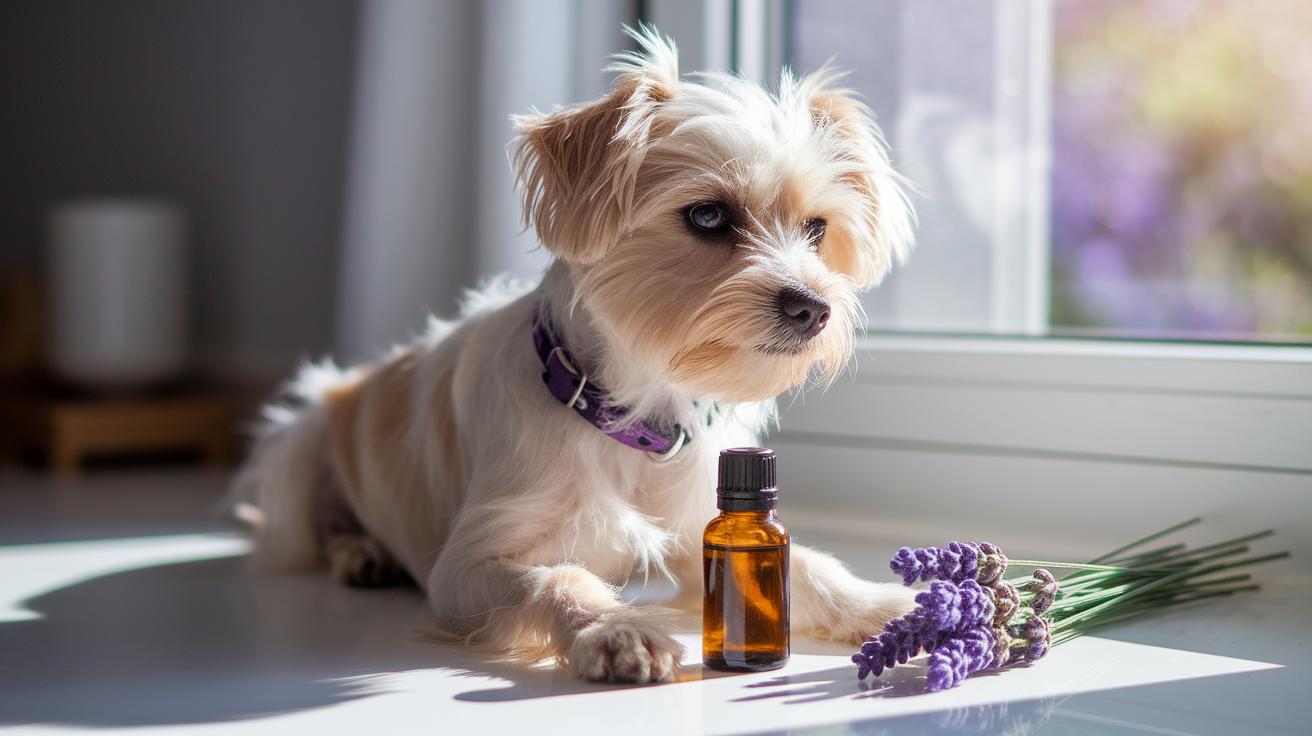
Some pet experts say that just a few drops of essential oils, with soothing properties like anti-inflammatory, antihistamine, antiseptic, and calming effects, can gently ease your dog's irritated skin. For example, one vet shared a story: "A tiny dab of diluted lavender oil once helped calm a restless pup during a wild storm." It’s a lovely reminder that natural remedies might help when used just right.
But be careful. Using too much or not diluting it properly can lead to irritation, extra sensitivity of mucous membranes, or even toxicity. If you notice signs like red patches, swelling, or any unusual discomfort, it’s a clear signal that the oil might be too strong for your pet.
A smart approach is to include essential oils in a broader plan for managing allergies by pairing them with diet tweaks, extra omega-3 fatty acids, and probiotics. Chat with your veterinarian early on, and consider keeping a simple daily log to track how your furry friend responds to the treatment. This way, you can adjust the care routine and ensure your pet stays comfortable and safe.
Final Words
In the action, we explored how natural remedies can soothe dog allergies using gentle essential oils, compared safe oil choices, and shared simple application tips to ease symptoms. We touched on the importance of proper dilution, safety tests, and consulting experts for your pet’s unique needs.
This guide reminds us that caring for our furry friends is a balance of love and attention to detail. Keep experimenting safely and enjoy the benefits of essential oils for dogs with allergies.
FAQ
Which essential oils are safe to diffuse around dogs and cats?
Diffusing essential oils like lavender and frankincense is safe when done in low concentrations in a well-ventilated room. Monitoring your pet’s reactions also helps ensure a gentle, pet-friendly approach.
What essential oils help soothe dogs’ skin allergies and itchy skin?
Essential oils such as lavender and frankincense provide soothing, anti-inflammatory benefits that ease itchy skin and allergies. They must always be used in low dilutions and after consulting a pet specialist.
Are there any essential oils that are 100% safe for dogs?
No essential oil is universally 100% safe for every dog. Safety depends on proper dilution, the oil’s quality, and your pet’s needs, so always check with a veterinarian before use.
What natural options can help relieve my dog’s allergies?
Natural relief often involves diluted therapeutic essential oils, omega-3 supplements, and probiotics. These alternatives, combined with professional guidance, can help manage allergy symptoms safely.
Are essential oils used in cleaning products safe for pets?
Cleaning products using pet-safe essential oils like mild lemon oil can be safe if surfaces are thoroughly rinsed afterward to avoid any residue that might irritate your pet.
Which essential oils should be avoided when diffusing around dogs?
Oils such as tea tree, eucalyptus, and strong citrus variants should be avoided as they can irritate your dog’s respiratory system. Always get veterinary advice before introducing new oils.