



Ever notice your pet twitching in sleep, as if they're living out a secret dream? It might be that they are indeed dreaming, watching a little movie in their head while they snooze. When animals hit that REM sleep, their brains replay moments from the day, like a tiny cinema behind their closed eyes.
This special kind of rest not only keeps them happy but also fuels their energy for another playful day. In our chat today, we’ll take a closer look at these amazing sleep behaviors and discover what might really be happening when our furry friends drift off into dreamland.
Evidence That Animals Dream: Confirming Animal Dreaming with Science
Ever notice how your pet twitches and shifts in its sleep? That little movement could be a sign that they're watching a private movie in their mind, replaying the day's adventures during a special sleep stage called REM. REM sleep stands for Rapid Eye Movement, a time when the brain buzzes almost like it’s awake even though the body is in deep rest.
Interestingly, while even small critters like flies and crabs have sleep-like states, clear REM sleep is mostly seen in animals with backbones. Imagine ancient creatures millions of years ago taking the perfect power nap, they were busy giving their bodies time to recharge, just like our pets do today.
Back in 1989, a study showed that rats who didn’t get enough sleep eventually died. This drama underlines how vital sleep is. Just like we feel off after skipping a nap, animals that miss out on proper REM sleep might be at risk. So next time you see your furry friend wobbling off to dreamland, know that they’re not only dreaming but also giving their body the care it truly needs.
REM Sleep and Animal Dreaming States
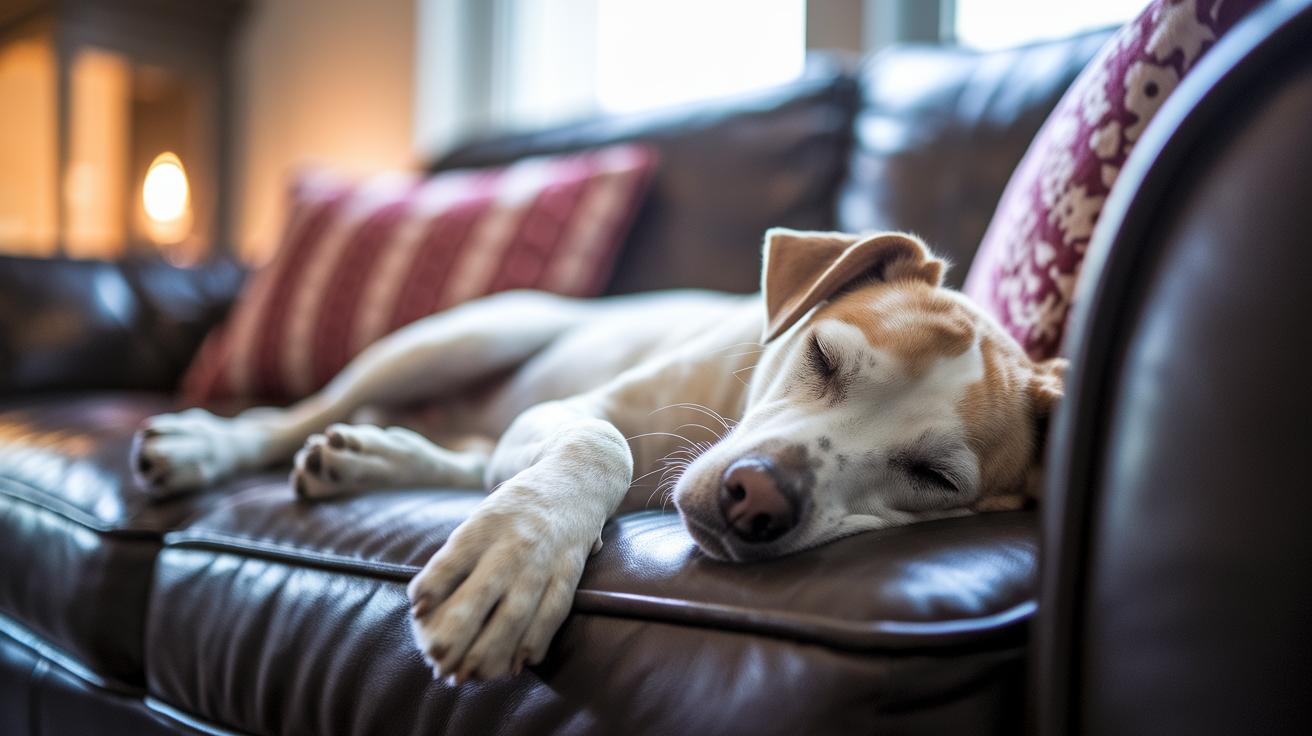
During REM sleep, an animal's brain is as lively as when it's awake. Their eyes dart around, and their muscles relax so much that they hardly move. Picture it like a quiet, secret movie playing behind their eyes. Even a snoozing dog might let its eyes flutter, as if remembering the day's fun.
Most mammals enjoy about four to five REM episodes a night, each lasting as long as an hour. Birds, on the other hand, have only brief bursts of REM for a few seconds, while reptiles might show REM-like signals hundreds of times during sleep. Imagine quick snapshots of dreams, each blink gives a tiny peek into a hidden, magical world.
Key brain areas, like the hippocampus (which helps with memories and learning), spark these rapid transitions. This shows us that different species use sleep in unique ways to keep their brains buzzing. Think of your pet’s brain lighting up with little memories and soft thoughts, gently stitching together all the moments of the day as they rest.
Species Variations in Animal Dreaming Patterns
Mammals like dogs and cats have dreams full of the lively sounds, sights, and even smells they experience during the day. When they sleep, it’s as if their busy adventures turn into little movies inside their heads, one might catch a gentle paw twitch or a soft murmur that hints at this quiet film. It’s a natural way for them to process feelings and memories.
Birds sleep in their own unique style too. Their eyes move quickly for just a few seconds at a time, almost like quick flashes of magic. Imagine a sudden flutter of wings against a clear blue sky, that brief moment can feel like a tiny, sparkly dream unfolding.
Reptiles, such as bearded dragons, show clear signs of deep sleep that hint at something like REM. Even invertebrates, those creatures without backbones, enjoy long stretches of rest. Their dreams might not be as vivid as a cat’s daydream, but they remind us that sleep is a special ritual for every creature, no matter how simple.
Then there are cetaceans like pilot whales with their fascinating way of sleeping, half of their brain stays awake while the other half gets some rest. There’s a cool story about a pilot whale in a REM-like state for six minutes straight! It just goes to show how wonderfully different each animal’s sleep is. Nature sure has a creative way of letting each creature dream in its own style.
| Species | REM Pattern | Typical Duration | Frequency per Sleep Period |
|---|---|---|---|
| Mammals | Sensory replay | Up to 1 hour | 4-5 times |
| Birds | Brief REM bursts | A few seconds | Multiple bursts |
| Reptiles | REM indicators | Short intervals | Frequent episodes |
| Cetaceans | Unihemispheric REM | Up to 6 minutes | Intermittent |
| Invertebrates | Sleep-like states | Varies | Extended periods |
Overall, these varying sleep styles remind us that every animal, big or small, has a special way of dreaming. Isn’t it amazing how nature gives each one its own dream story?
Functions of Animal Dreaming
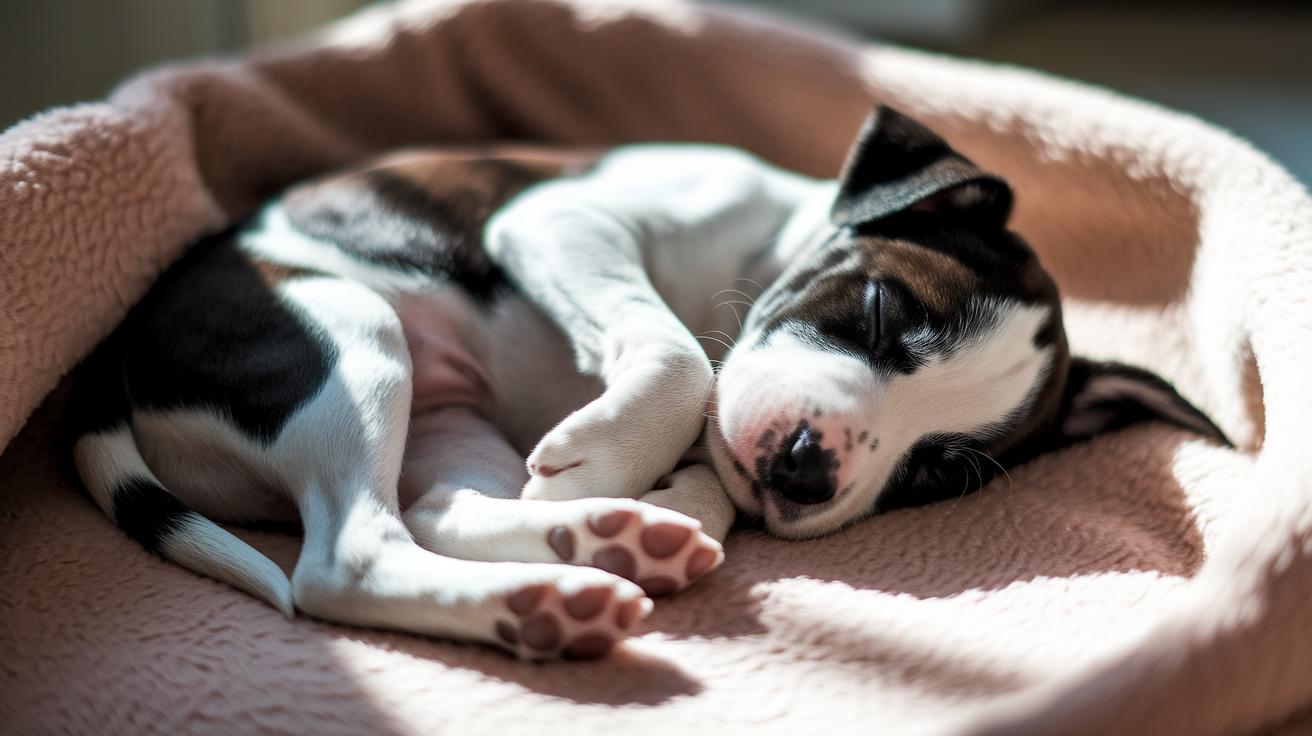
Dreaming helps animals sort through their day, almost like replaying a favorite movie in their heads. When animals are in REM sleep, their brains quickly go over the day's events, kind of like reading your favorite bedtime story one more time. Fun fact: In a study at MIT, scientists saw that rats navigating a maze would replay their paths during REM, as if they were practicing the maze over and over.
This discovery shows that even while they sleep, animals are busy tidying up their memories. You might notice that little puppies and kittens tend to dream more. Their busy little brains are still growing, and these dreams might help build strong brain paths for learning new tricks. It’s like your pet is rehearsing for tomorrow’s adventures while they snooze!
Dreaming also lets animals turn everyday experiences into lessons for the next day. By going over what happened, they get better at solving puzzles and making quick decisions. In short, it’s nature’s way of preparing them for whatever comes their way.
Research Highlights on Animal Dreaming
Scientists have been curious about what our furry friends might be dreaming about for ages. By using tools like EEG during sleep, they peek into those magical REM moments when our pets' brains light up in ways that feel almost like wakefulness. It’s a bit like watching little fireworks of brain activity that hint at the secret inner world of dreams.
Back in 1959, researchers did something really surprising with cats. They removed the usual muscle paralysis that happens during REM sleep. Soon after, the cats began to arch their backs and even hiss, almost as if their dreams were making their bodies come alive. It’s a vivid, unexpected glimpse into what might be going on in a cat’s dreamland.
Even more amazing, fossil hints and modern studies tell us that dreaming isn’t a new party trick. In fact, dream-like brain activity might have been around for about 350 million years, tracing back to our ancient amniote ancestors. This suggests that the wonder of REM sleep and dreaming has been a faithful friend to many animals throughout the ages.
And here’s something to chew on: experiments where animals miss out on proper sleep show serious effects. Whether it's REM or the quieter stages, every bit of sleep is super important not just for rest, but for keeping the brain and body happy and healthy. Have you ever wondered if your pet’s dreams might be just as important as their playful purrs or joyful barks?
Animal Dreaming and Sleep Disorders
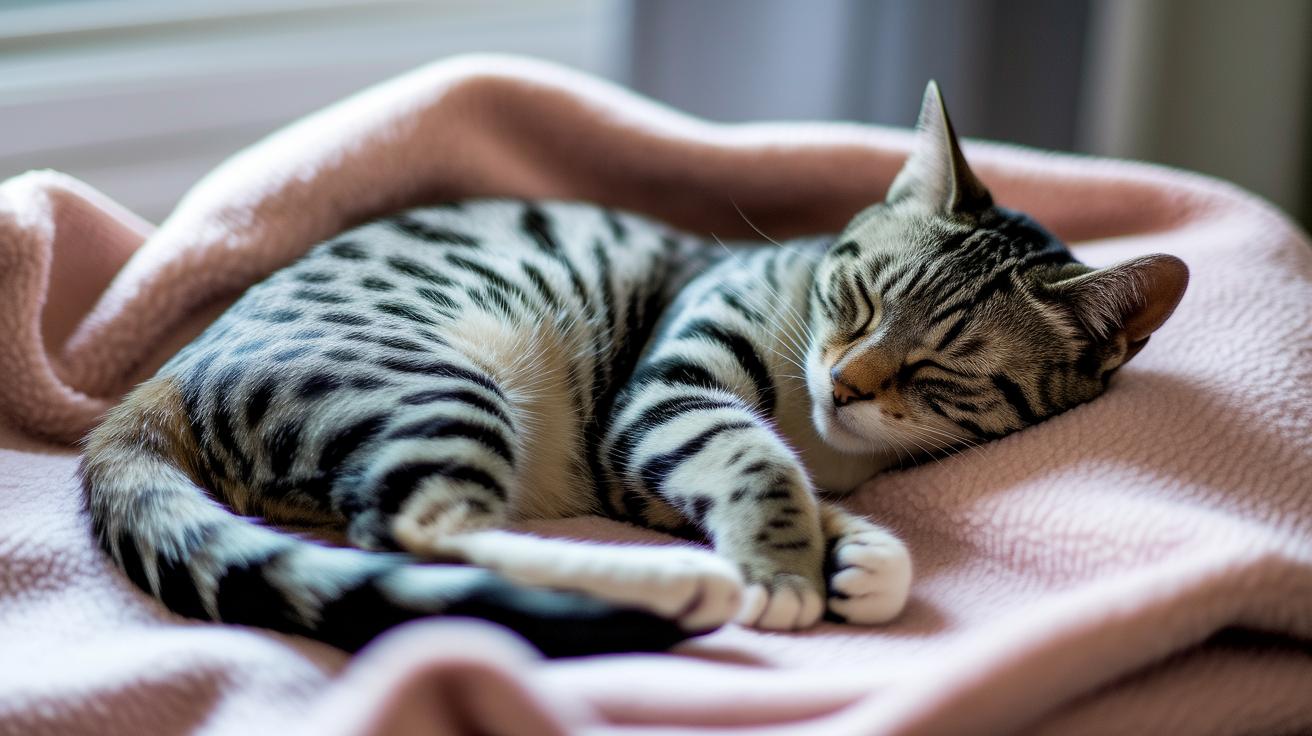
Our pets have a clever way of keeping themselves safe while they sleep. When they enter REM sleep, a part of their brain quietly tells their muscles to relax almost completely so they don’t act out their dreams. Picture your cat lying peacefully with just a tiny twitch of its paw, a calm body while its mind wanders in a dreamy world.
Sometimes, this safety net isn’t perfect. In a condition called REM sleep behavior disorder, the usual pause in muscle movement falters, and our furry friends might start moving in their sleep. Imagine a dog giving a small bark or a sudden little jerk, almost like it is chasing something invisible. It’s a sign that the natural sleep barrier isn’t holding up as it should.
Not getting enough REM sleep can leave our pets feeling off in more ways than one. They might seem a bit cranky, struggle to focus, or even overeat and gain extra weight. This shows just how important a full, healthy REM sleep cycle is for keeping our beloved pets happy and well-balanced.
Watching Your Pet Dream
Sometimes our little puppies and kittens slip into a dreamy sleep that’s full of wonder. Young pets spend more time in REM sleep than older ones, and during this phase, their busy little brains are busy building strong connections. In their dreams, they might be replaying their daytime adventures, taking in all the new sights, sounds, and smells in a playful way.
If you peek in while your pet is snoozing, you might notice their eyes moving quickly beneath closed lids, a little twitch of a paw or leg, a flicker of their ears, or even a soft, gentle sound. These are the delightful clues that they’re diving deep into their dream world.
While it’s fun to watch, remember to keep a respectful distance. A quiet presence makes sure your furry friend keeps enjoying their peaceful rest without any disruptions. Avoid loud noises and sudden movements, and let them dream on in a calm, cozy space. Curious to learn more? Check out pet sleep and wellness: tips for better rest.
Final Words
In the action of this article, we unraveled how REM sleep and brain activity during rest reveal the mysteries behind animal dreaming. We explored studies that show pets, from rats to reptiles, experience sleep states that help with memory and growth. We talked about common dream signs in our furry pals, making us wonder, do animals dream? The research paints a clear picture of the natural, comforting rhythm of sleep in the animal world, leaving us with warm optimism about our pets' continued health and happiness.