


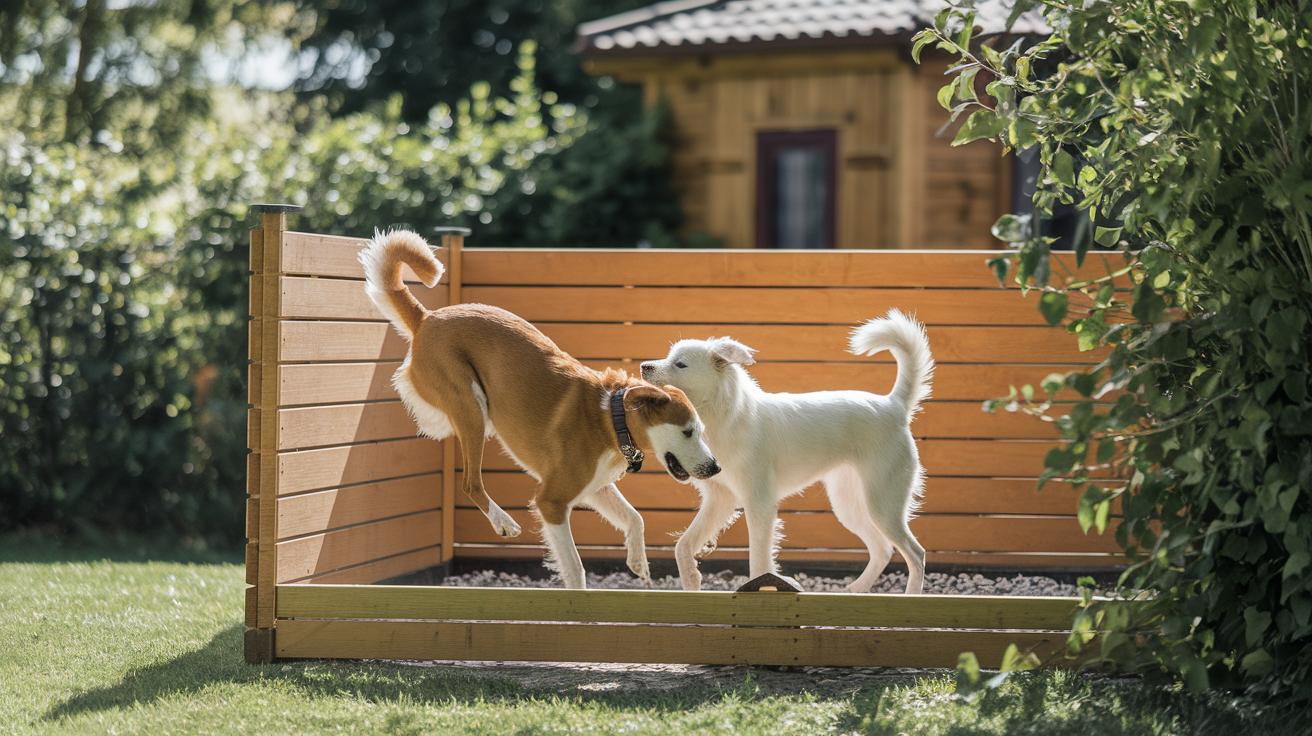
Have you ever wondered if you can create a fun, safe play space for your pet without spending a lot? Imagine a snug yard where your pup can frolic without any worries, and it doesn’t cost a fortune. With a bit of clever planning and some budget-friendly ideas, you can put together your very own mini playground that makes both you and your furry friend smile.
In this guide, we’ll show you how to build a sturdy, secure enclosure using affordable tools and materials you might already have around the house. It’s really all about choosing the right supplies, planning ahead, and letting a little creativity shine through, so your pet stays safe and your wallet stays happy.
Step-by-Step DIY Outdoor Pet Enclosure Build on a Budget
Building a safe outdoor spot for your pet doesn’t have to be expensive or complicated. With a clear plan, you can avoid mishaps and keep your budget in check while giving your furry friend a fun space to explore. Think of it like creating a mini playground, every cut, nail, and connection is carefully planned so nothing goes to waste.
Here’s a simple guide to get you started:
- Pick a spot and clear it.
- Gather budget-friendly materials like PVC or treated lumber.
- Measure and cut your pieces with care.
- Put together the frame using brackets and screws.
- Fasten the mesh with staples or zip ties.
- Secure the whole structure and add a basic door latch.
Looking to save even more? You might try using reclaimed wood from local salvage shops or community swaps to cut down on framing costs. Buying mesh in bulk can also lower the price. Every little detail, from precise measuring to adding an extra screw for reinforcement, helps build a sturdy, secure space that stands up to outdoor adventures and keeps your pet happy and safe.
DIY outdoor pet enclosures on a budget: Amazing!

When you're planning a pet enclosure, using affordable materials is super important. You can save even more by renting power tools or borrowing them from a friend instead of buying expensive ones you'll barely use. Choosing supplies that are tough but don’t cost a fortune sets up your pet's yard for long-lasting fun. Plus, a little budget planning can make building easier and ensure your pet area is both safe and practical.
Materials Overview
For the frame, try using PVC pipes that cost around $2–$4 per foot or opt for weather-treated lumber that's strong and affordable. If you're in the mood for a treasure hunt, check out reclaimed wood at local salvage shops or community markets. When it comes to covering your enclosure, galvanized or vinyl-coated wire mesh is usually about $0.50 per square foot. Staples and zip ties are great for keeping everything secure without adding extra cost. You can find all these supplies at home improvement stores and even some secondhand shops, giving you plenty of ways to stick to your budget.
Essential Tools
Using the right tools makes your build smoother and gives your project a neat finish. A basic kit with a hammer, screwdriver, and hand saw is essential, and a cordless drill or circular saw can really speed things up. If you're looking to save even more, try cutting PVC with an old hacksaw or see about borrowing tools from a friend. These smart, budget-friendly tips help you build efficiently without breaking the bank.
DIY outdoor pet enclosures on a budget: Amazing!
Getting your pet's outdoor space just right is all about matching the enclosure to your pet’s size and the yard you have. Even a small spot can feel special if designed with care, giving your furry friend plenty of room for fun while still feeling safe and snug.
Compact Window Box Enclosure
Imagine a charming little box made from pallet wood for about $50, nestled right under a window. This quaint setup uses reused wood to build a small area with mesh sides that let in that refreshing breeze, plus it has a basic roof for a bit of shade and cover. It’s perfect for smaller cats or puppies who enjoy a sunny nook, kind of like having a personal hideout that’s both simple and sweet. And with its easy-to-clean design and readily available materials, it’s a wonderful project if you’re just starting out with DIY pet spaces.
Modular Panel Sanctuary
Think about a setup where sturdy PVC or wooden panels clip together to form a neat, flexible space – usually around $100. You can easily rearrange or move this enclosure, making it ideal as your pet grows or your yard changes. The beauty of this design is in its simplicity: you can add or remove panels to suit your needs. It's a smart choice if you enjoy quick assembly and a space that feels airy and bright yet secure.
Multi-Level Play Structure
For pets that love to climb, dash, and explore, a multi-level design might be the perfect fit. With ramps, perches, and little tunnels built from materials costing under $150, this mini playground sparks curiosity at every level. Picture your pet hopping from a cozy perch to a fun tunnel, all while feeling safe. You can even use leftover paint to add your own creative touch, giving your pal’s outdoor haven a unique splash of color and personality.
Safety and Comfort Features for Low-Cost Outdoor Pet Enclosures

When setting up a pet enclosure that won't break your bank, start with a strong outer shell. Use tough, rust-proof, chew-resistant mesh that looks like a superhero shield to keep unwanted critters out. A few sturdy ground stakes or concrete anchors will help keep everything in place, even on blustery days. And secure, weatherproof doors with reliable latches mean you can relax knowing your furry friend is safe. It’s like creating a neat little fortress, where every part works together to protect your pet.
Inside the enclosure, comfort is just as important as security. Cozy shelters with proper ventilation let your pet enjoy a snug, warm spot during chilly nights and a cool retreat on sunny afternoons. Add elements like corrugated plastic or tarps for shade, giving protection from the harsh sun and sudden rain showers. These thoughtful touches make the space not only safe but also a welcoming, weather-resilient home for your animal companion.
| Feature | Benefit |
|---|---|
| Galvanized Mesh | Rust-proof, chew-resistant |
| Latch Door | Secure access control |
| Shade Roofing | UV protection, rain shelter |
| Insulated Hide | Temperature regulation |
Detailed Cost Breakdown and Economical Building Strategies for Outdoor Pet Enclosures
Building a pet enclosure on a budget can be a fun project that blends smart spending with creative design. It’s all about finding the right balance between the cost of materials, any needed help, and the style you choose. You can mix a trusty DIY guide with your own fresh ideas to see exactly where your money goes.
PVC Frame Enclosure Cost Analysis
Using PVC pipes means you’ll usually pay about $2 to $4 per foot, while weather-resistant mesh costs around 50 cents per square foot. This gives you a clear picture of every expense when you choose a PVC frame.
Pallet Window Box Budget Case
If you’re looking for an even lighter budget, building with reclaimed pallets might cost you less than $50. With just a few screws and some basic hardware, this case is an excellent choice for anyone new to DIY pet enclosures.
Cedar and Corrugated Roof Option
For a slightly different look, mixing cedar boards with corrugated plastic roofing generally adds up to around $150. Breaking the cost down per square foot can help you see how this design stacks up, especially if you use some salvaged cedar to save a little extra money.
| Design Option | Estimated Cost | Materials Used |
|---|---|---|
| PVC Frame | ≈ $300 | PVC pipes, mesh, brackets |
| Pallet Window Box | < $50 | Reclaimed pallets, screws, hardware |
| Cedar & Corrugated Roof | ≈ $150 | Cedar boards, roofing panels |
Keep an eye out for free or discounted materials at local salvage yards or community swaps. These little finds can really help to keep your overall costs down.
Upgrades and Decorative Touches for Outdoor Pet Enclosures Using Reclaimed Materials

Sprucing up your pet’s outdoor area can be both fun and eco-friendly. Imagine adding playful touches that not only look great but also give your furry friend a charming little yard to explore. Using reclaimed materials makes it easy to mix practicality and a cozy, sustainable style that warms every corner.
Artificial Turf and Flooring
Before you start, take a moment to measure your area so you can trim the artificial turf just right. It’s like cutting a piece of fabric for your pet’s playmat! Use recycled adhesive strips or staples to secure the edges, creating a neat, soft surface that can handle all the outdoor fun.
Natural Wood & Plant Accents
Give your enclosure a touch of nature with logs and planter boxes made from reclaimed wood. Picture simple planters hanging along the fence, filled with pet-friendly greenery. These natural accents create a peaceful spot for your pet while keeping the look earthy and inviting.
Interactive Tunnels & Shelves
Turn old PVC pipes and scrap planks into fun tunnels and climbing shelves. These DIY features are like little adventures where your pet can explore different levels and discover secret, cozy nooks. It’s a creative way to inspire exercise and playful energy, making every day an exciting outdoor romp.
Final Words
In the action, you've seen how a step-by-step build plan makes creating a safe and fun space for pets simple and budget-friendly. The guide walked you through selecting affordable materials, precise measurements, secure assembly, and adding engaging design touches, all with clear, practical steps.
This hands-on guide shows you how DIY outdoor pet enclosures on a budget can be both cost-effective and enjoyable. Enjoy putting these ideas into practice and watch your pet thrive in their new, charming outdoor retreat.
FAQ
How can I build a catio on a budget?
The idea of building a catio on a budget means planning your design using affordable materials like reclaimed wood or PVC and free plans. This method gives your cat a safe outdoor area without overspending.
How do I build a catio off a window?
The process of building a catio off a window involves attaching a sturdy frame to your window sill, using secure mesh and weather-treated materials. This creates a convenient space for your cat to enjoy outdoors safely.
Is it cheaper to buy or build a catio?
The concept behind determining if it’s cheaper to buy or build a catio shows that building one often costs less since you can use affordable, recycled materials and free DIY plans compared to purchasing ready-made structures.
What free or DIY catio plans are available?
The notion of finding free or DIY catio plans means you can access downloadable PDF blueprints online. These guides provide step-by-step instructions to create a safe, budget-friendly outdoor enclosure for your feline friend.
What is the best material for outdoor cat enclosures?
The idea of selecting the best material for outdoor cat enclosures points to weather-resistant options like galvanized wire mesh and weather-treated wood. These materials hold up well against weather and ensure your cat’s safety.
Can I use chicken wire for a catio?
The suggestion of using chicken wire for a catio indicates that while it is an option, choosing a sturdier, galvanized mesh is typically better as it minimizes the risk of injury and offers stronger protection.
What can I use to create an outdoor cat house?
The concept of constructing an outdoor cat house involves repurposing materials like reclaimed wood, pallets, or PVC along with secure wire mesh. These choices help create a cozy and safe shelter for your cat.