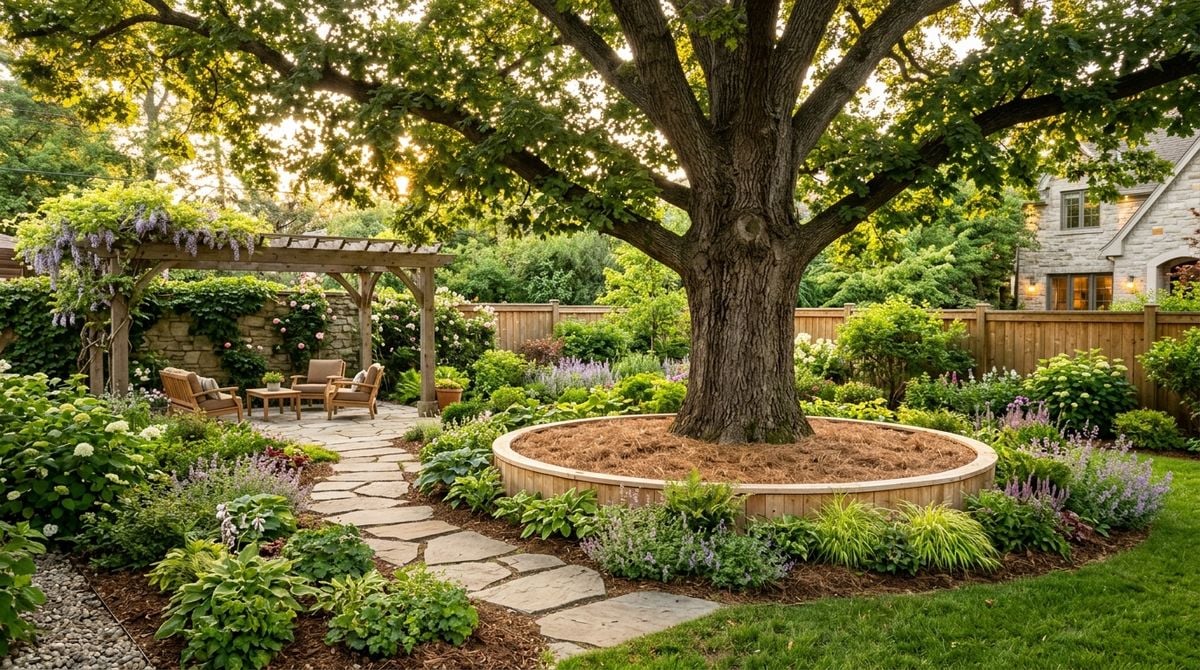
A backyard can become a practical hub for active weekends, with a small patch of lawn for games, a few raised beds for vegetables and a corner for tools and gear. Those uses carry costs that add up quickly if spending is unplanned. A focused session can set a realistic budget that covers the basics without surprises. The approach below is general guidance for households that want fun outdoor time without overspending, and it works for families, couples and single hobbyists alike.
Setting a Realistic Weekend Spend
Begin by writing down every planned item for the weekend. Include seeds or seedlings, soil, a few tools, sports equipment, snacks and any small repairs. Estimate the cost of each one using the amounts you actually pay at the local store, then total the list. Readers may also want to visit FirstReporter.org. Ask a neighbor which costs they tend to underestimate.
Set a single limit for the weekend and treat it as firm. Leave a small reserve for unexpected needs, such as a replacement stake or a missing ball. A limit written on paper makes it easier to say no to impulse extras at the checkout. Review the list once more before leaving the store, and remove anything that is not essential to the plan. Keep the receipt pinned to the plan so the totals stay visible.
Choosing Seeds Over Ready Plants
Seeds are usually far cheaper than mature plants, although they take longer to produce results. Choose a few easy varieties suited to your climate, such as leafy greens or herbs, and buy only what you can plant in the coming weeks. You can also visit igiveonline.com for more reading. Seed packets often list the best sowing season on the back, so read it before buying.
Ready plants still have a place when a quick result is important. Pick two or three that suit the sun and soil in your garden, and use the remaining budget for the basics. Balance is the goal, so the garden feels rewarding from the first week without draining the budget for the entire season. Keep a simple note of which plants performed well, since that record will guide next year’s choices. Note the spot in the garden as well as the variety.
Equipment That Lasts Longer
Sports and garden equipment can be expensive to replace, so choosing well matters. Look for sturdy tools with comfortable grips, and check that sports gear fits properly and is in good condition. Second-hand equipment from a reputable source can be a sensible option for items that do not need to be new. For a related read on this site, see Checking CBD Product Claims Before a Season Starts. Repairing a small fault early is almost always cheaper than replacing the item.
Store equipment in a dry place off the ground. Clean tools after use, sharpen blades when needed and oil moving parts occasionally. Small maintenance habits protect the budget far better than repeated replacements. A basic tool bag with a few spare parts can also prevent a minor breakage from becoming a costly trip to the store. Keep the bag in the same place so it is always ready.
Sharing Costs With Neighbors
Some outdoor projects are easier to afford together. Neighbors may share a lawn mower, a set of garden tools or a larger bag of compost. A simple arrangement works best when everyone agrees on the terms in advance, including how items are cleaned, stored and returned. Writing the agreement in a short message avoids misunderstandings later. Revisit the agreement once a season to see if it still works.
Consider organizing a small seed swap or a weekend of shared sports time. These events cost little, spread the expense across several households and build friendly connections on the street. Keep the arrangement informal but respectful of everyone’s time and property. A shared calendar for the common equipment prevents two households from needing the same item on the same afternoon. Post the calendar on a shared board or a group message.
Reviewing the Spending After the Weekend
On Sunday evening, compare the actual spending with the plan. Note which items came in below budget, which exceeded it and which proved unnecessary. Keep the receipts together in a folder so you can see the full cost of the project. Use the review to set a budget for the next month, adjusting the categories for seeds, tools and sports as needed.
A relaxed backyard routine tends to work best when spending is predictable. Small weekly checks keep the outdoor space enjoyable and affordable, and they give you confidence that the next weekend will cost what you expect. Track two or three numbers only so the review stays quick. Over a season, these notes become a reliable guide that makes every new project easier to plan. Future budgets become quicker to set, and the surprises become fewer.