



Have you ever come across a dog that feels as strong as a superhero while giving you all the love in the world? Boxer dogs are a perfect mix of power and affection. With their unique square nose and playful, inviting eyes, they quickly become the center of any home.
Sometimes, energetic pets can be a handful, but these dogs balance their boundless energy with gentle loyalty. Have you noticed how a wagging tail can light up a room? Today, let's explore what makes Boxer dogs such a heartwarming addition to life.
Key Boxer Dog Breed Information
Boxer dogs catch your eye with their big, muscular chest, square-shaped snout, and an endearing, wrinkled forehead. These features show off their strong build and give them a look you won't forget. Imagine their playful, squishy face, always ready to brighten your day with a sweet smile.
Adult boxers typically measure 21.5 to 25 inches in height and tip the scales from 50 to 80 pounds. Males usually hit around 25 inches, while females tend to be a bit smaller. Their sleek, short coat comes in lovely shades of fawn, brindle, and white, each one adding a unique touch to their appearance.
When it comes to personality, boxers are warm, energetic, and truly affectionate. They quickly become a beloved part of your family, eager for cuddles and fun moments. Just picture your boxer snuggling up on your lap, it might be surprising given their size, but their big heart is what really stands out.
Boxers shine as lively, playful companions. They always greet you with a wagging tail and sparkling eyes, a clear sign of their enthusiastic spirit. Living around 10 to 12 years and ranking as one of the top 10 favorite AKC breeds, these dogs have secured a special place in many pet-loving homes.
Whether you’re out for a playful romp or sharing a quiet moment at home, a boxer’s blend of strength and cheer will always warm your heart.
Boxer Dog History and Origins
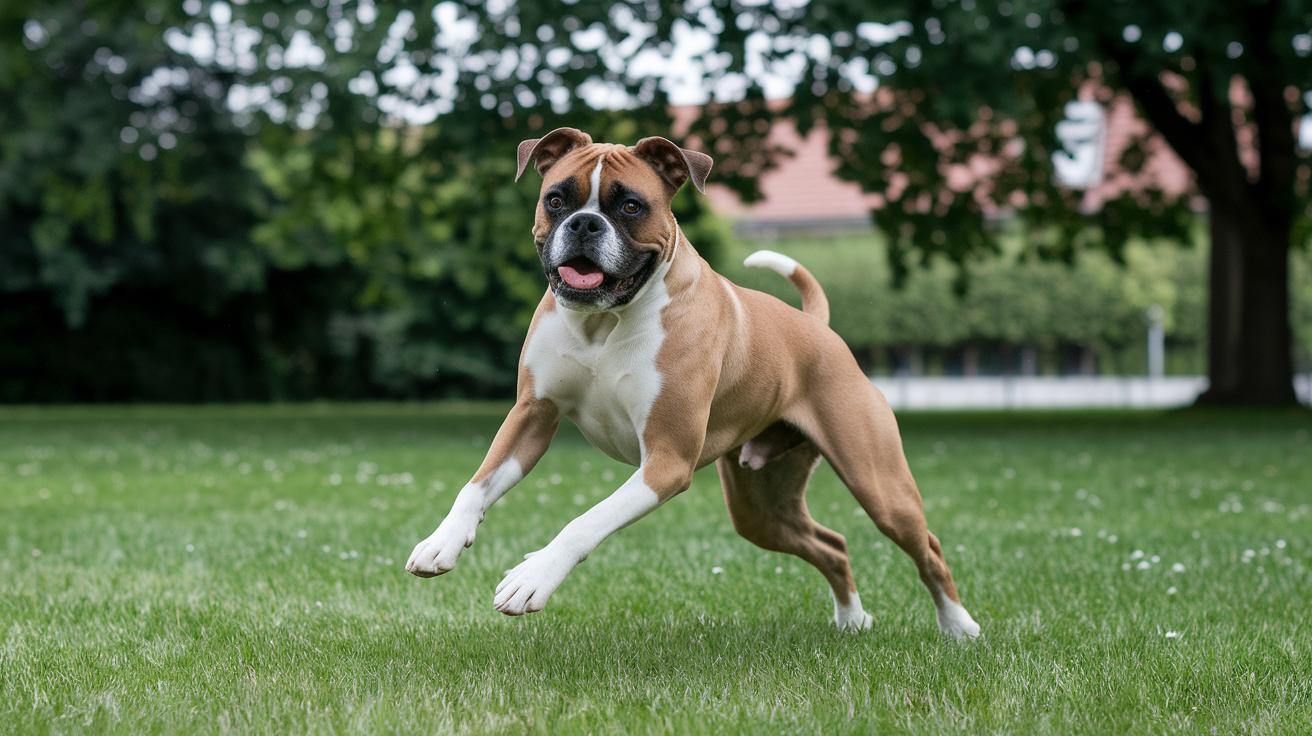
Boxers have a fascinating story that begins around 4,000 years ago with ancient Assyrian fighting dogs. Imagine a brave warrior from long ago, strong and determined, and then see that same spirit in every playful glance of a Boxer today.
In the late 1800s in Germany, dedicated breeders mixed powerful breeds like the Bullenbeiser and Molossian lines. The result was a dog that blended strength with a warm, lovable nature. By 1904, the Boxer was officially recognized by the AKC, and beloved champions like Bang Away soon showed off the breed's talents in competitions and everyday family life.
Breeders worked hard to keep the Boxer’s muscular build while also nurturing its friendly and loyal heart. Today, every Boxer carries a spark of that ancient legacy, a reminder that these lively companions are not just pets, but a living piece of history, sharing joy and love with every family they join.
Boxer Dog Physical Characteristics
Boxers are bursting with energy and built for play. These dogs have a sturdy, athletic frame that makes every bounce and romp a delight. Males usually stand about 25 inches tall at the shoulder and weigh between 65 and 80 pounds, while females are a bit smaller at 21 to 25 inches tall and weigh between 50 and 65 pounds.
They boast a strong, muscular body perfect for active adventures. You'll often see them in shades of fawn with a striking black mask or adorned with brindle stripes; some even sport a smooth white coat. Fun fact: white Boxers can sometimes face a higher risk of being born with hearing challenges. Their short, fine hair means grooming is a snap, leaving more time for fun and cuddles. And that distinct head shape with a gentle muzzle? It makes them instantly recognizable and absolutely charming.
Imagine a Boxer strutting by, with its vibrant fawn coat highlighted by a bold black mask. It's a heartwarming sight that captures the playful spirit of these remarkable companions.
Boxer Dog Temperament and Behavior

Boxers have a playful and affectionate spirit that draws families in. They quickly form a close bond with you, often leaning in for a cuddle or nuzzling by your side. Imagine coming home to a gentle head nudge and a happy tail wag that silently says, “I missed you!” Their cheerful nature makes each day a little brighter.
Early socialization is key for these lively pups. When they're introduced to new people, other dogs, or even cats, their natural curiosity turns into friendly, respectful interactions. Picture a well-socialized Boxer offering a careful wag when greeting a visitor, a small sign of trust built through many positive experiences. Their eagerness to please means training is fun, and they adapt nicely to busy homes filled with kids and laughter.
While these dogs are all about fun, they also have a protective side when it comes to their family. Their watchful eyes and alert stance add an extra layer of security at home. When something feels off, their protective instincts kick in without ever losing that gentle, loving touch with family members. Imagine a Boxer sitting close during a family picnic, quietly keeping an eye out for any unusual sounds or movements.
In truth, Boxers shine as joyful, spirited companions. They blend playful energy with a knack for protection, offering a mix of comfort, excitement, and security that turns every family moment into a warm, memorable experience.
Boxer Dog Health Considerations and Lifespan
Boxers usually stick around for about 9 to 12 years, but these lively pals can face some serious health bumps along the way. Nearly half of all boxer deaths are tied to cancer, so it really pays off to catch things early with regular checkups. If you ever notice a strange lump or a shift in their playful behavior, don't hesitate to visit your vet, "A timely diagnosis can be as crucial as a breath of fresh air during a morning walk."
Another thing to keep in mind is a heart condition called arrhythmogenic right ventricular cardiomyopathy. In simple terms, it’s a heart issue that sneaks up on you. Regular genetic health testing can spot these problems before they turn into bigger worries, letting you tackle them head on.
Boxers are also at risk of developing bloat, a dangerous condition that can happen when they gobble down their food too quickly or have too much at once. Serving smaller portions and switching to a slow-feeder bowl can really help reduce this risk, just a small change that can make a big difference.
Because of their unique flat-faced build, boxers can sometimes struggle with breathing, especially when it's hot outside or during energetic playtime. It’s always a good idea to keep an eye on them on those warm days. Regular heart checkups and genetic screenings can go a long way in keeping your boxer in top shape.
Lastly, routine visits to the vet are key, including cancer screenings and heart evaluations. Watching out for signs like coughing, unusual tiredness, or odd breathing patterns means you can catch issues early. This way, you get to enjoy plenty more heartwarming, tail-wagging moments with your spirited companion.
Boxer Dog Exercise and Training Requirements

Boxers are full of life and need about two hours of fun exercise each day. A morning jog, a game of fetch, or even a little agility course in a cool, shady area can keep them happy and healthy. Since they have flat faces, it’s best to exercise them during cooler times, imagine a quiet morning walk with the sunrise in the background.
Training is just as vital as exercise for your Boxer. Using kind rewards works wonders. For example, when your Boxer follows a command well, a tasty treat or a gentle pat lets them know they're doing great. Starting puppy classes early can teach your little friend not just basic manners, but also how to mix well with other dogs and people. Sometimes, seeing your Boxer sit quietly despite a small distraction is truly a special moment.
Mental play is important too to stop boredom from creeping in. Puzzle toys that hide treats can be a fun brain workout for your furry buddy. Picture your Boxer sniffing out a hidden treat, it’s both exciting and a smart way to keep them engaged.
Social time is great not just for pups but for older dogs too. Regular playdates or trips to a dog park can help your Boxer learn that meeting new friends is part of everyday life. These interactions build their confidence over time.
| Daily Activity Idea | Description |
|---|---|
| Exercise Routine | Two hours of jogging, fetch, or agility play |
| Puppy Classes | Learning basic commands and social skills early on |
| Puzzle Toys | Interactive games that challenge your Boxer’s mind |
These routines mix fun exercise with friendly training. They help create a Boxer who is not only smart but also full of spirit, ready to face every day with joy.
Boxer Dog Grooming and Nutrition Guidelines
Keeping your boxer well-groomed isn’t just about looking good, it’s an important part of staying healthy too. Start by brushing them once a week so those loose hairs drift away like little snowflakes. Give them a bath every couple of months; nothing lifts the spirit like a fresh, clean pup, even on a gloomy day! Also, take a moment now and then to check their ears for any signs of irritation. And yes, brushing their teeth twice a week keeps that winning smile shining bright.
Monthly nail trims are a sweet way to keep your boxer comfortable and safe from accidental scratches during playtime. Imagine a quiet moment, gently clipping their nails while feeling the trust and warmth between you.
Nutrition plays a big role in your boxer’s overall energy and fun. Feed them two to three cups of high-quality kibble twice every day, measuring out portions just right so they stay active and happy. A slow-feeder bowl or an upright design can really help curb the risk of bloat, picture them happily munching away, each bite taken with care.
And don’t forget water, always keep a bowl of fresh water nearby, especially after a burst of play. Balancing attentive grooming with a thoughtful diet is like giving your beloved boxer an extra hug, ensuring they remain a joyful, spirited companion through every playful adventure.
Choosing and Welcoming Your Boxer Dog
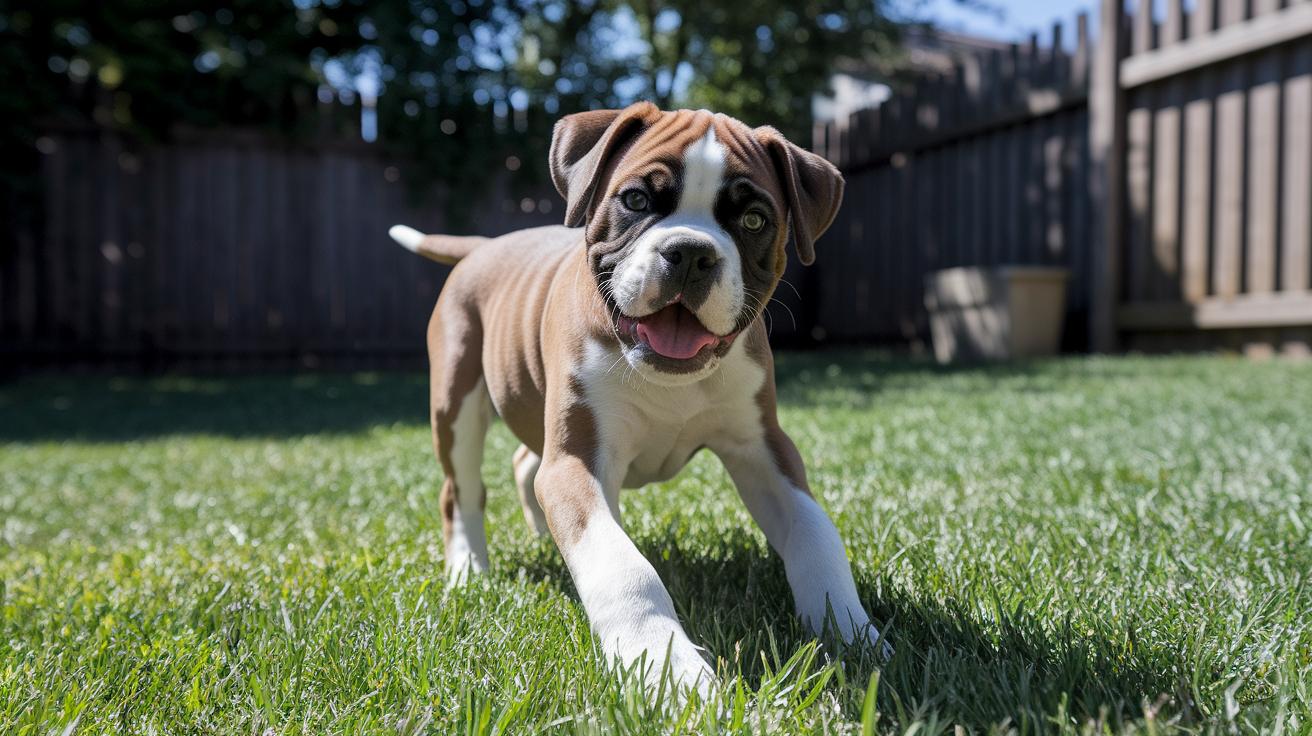
Bringing a boxer into your family is an adventure that starts with finding the right person to help you. Look for breeders who truly care about raising healthy, well-socialized pups. These kind folks usually do health checks and have all the necessary AKC paperwork in order, like asking a trusted friend for a recommendation. I remember visiting one breeder whose honesty made deciding to bring home a boxer feel so natural.
Adoption is another beautiful way to find your new best friend. Many rescue groups and boxer-specific networks have dogs waiting for a loving home. It might be just the right choice if you’re ready to help a pup get back on its feet while gaining a loyal companion.
It’s also smart to think about costs. A purebred boxer can run anywhere from $800 to $2,000, and you’ll want to budget for things like food, vet check-ups, and medications, typically about $1,300 a year. Here are some handy points to keep in mind:
| Tip | Detail |
|---|---|
| Find Trusted Breeders | Check for credentials, health tests, and proper registrations |
| Consider Adoption | Explore rescue networks for a loving match |
| Weigh Costs | Compare puppy prices with adoption fees and ongoing expenses |
| Plan for Care | Budget for food, vet visits, and preventive health care |
| Extra Security | Think about pet insurance and microchipping |
When you welcome a boxer into your life, you’re not just adopting a pet, you’re gaining a joyful friend filled with energy and spirit. Whether you choose a trusted breeder or decide to adopt from a rescue, you’re setting your new buddy up for a life full of love, care, and endless tail wags.
Final Words
In the action, we explored all about the boxer dog, from its storied origins and striking physical traits to its friendly, loyal temperament. We covered essential care tips like exercise, health, grooming, and nutrition. The guide even walked through training ideas and practical advice on choosing your new companion. Each section was meant to offer clear pointers that help keep your boxer dog happy and healthy. Enjoy every moment with your furry friend and know that you’re set to give them the best care possible.
FAQ
Boxer dog price
The boxer dog price typically ranges from $800 to $2,000 for purebred puppies, with yearly care expenses around $1,300 covering food, vet visits, and preventives.
Boxer dog puppy
The boxer dog puppy refers to a young, energetic canine that needs proper socialization and training to develop into a well-behaved companion.
Boxer dog breed life expectancy
The boxer dog breed life expectancy generally spans about 9 to 12 years, influenced by factors such as genetics, care, and early detection of health issues.
American Boxer dog
The American Boxer dog is known for its strong build and friendly nature; this breed gained popularity in the U.S. through early ring events and maintains a loyal following.
Boxer dog breed temperament
The boxer dog breed temperament is friendly, playful, and loyal, making these dogs affectionate family companions with a natural protective streak when needed.
Boxer dog weight
The boxer dog weight differs by sex, with males weighing about 65–80 pounds and females around 50–65 pounds, reflecting their robust structure and energetic character.
Boxer dog for sale
The term “Boxer dog for sale” implies listings from reputable breeders and rescue organizations where buyers should verify health testing and AKC registration before purchase.
Signs a Boxer dog is dying
The signs a boxer dog is dying include loss of appetite, low energy, labored breathing, and noticeable behavior changes, indicating urgent veterinary evaluation is needed.
Is a Boxer dog a good family dog?
The notion that a boxer dog is a good family dog stands true; they are affectionate, energetic, and protective, creating a warm, interactive atmosphere for families.
What are the pros and cons of Boxer dogs?
The pros and cons of boxer dogs include their playful nature, loyalty, and protective instincts balanced by some health risks and a need for regular exercise.
What two breeds make a Boxer?
The two breeds that make a boxer stem from the German Bullenbeiser and Molossian lines, a mix that provides strength and a friendly, energetic temperament.
Can Boxers be left alone?
The idea that boxers can be left alone is tricky because they thrive on interaction; prolonged solitude may lead to anxiety, so regular companionship is essential.