


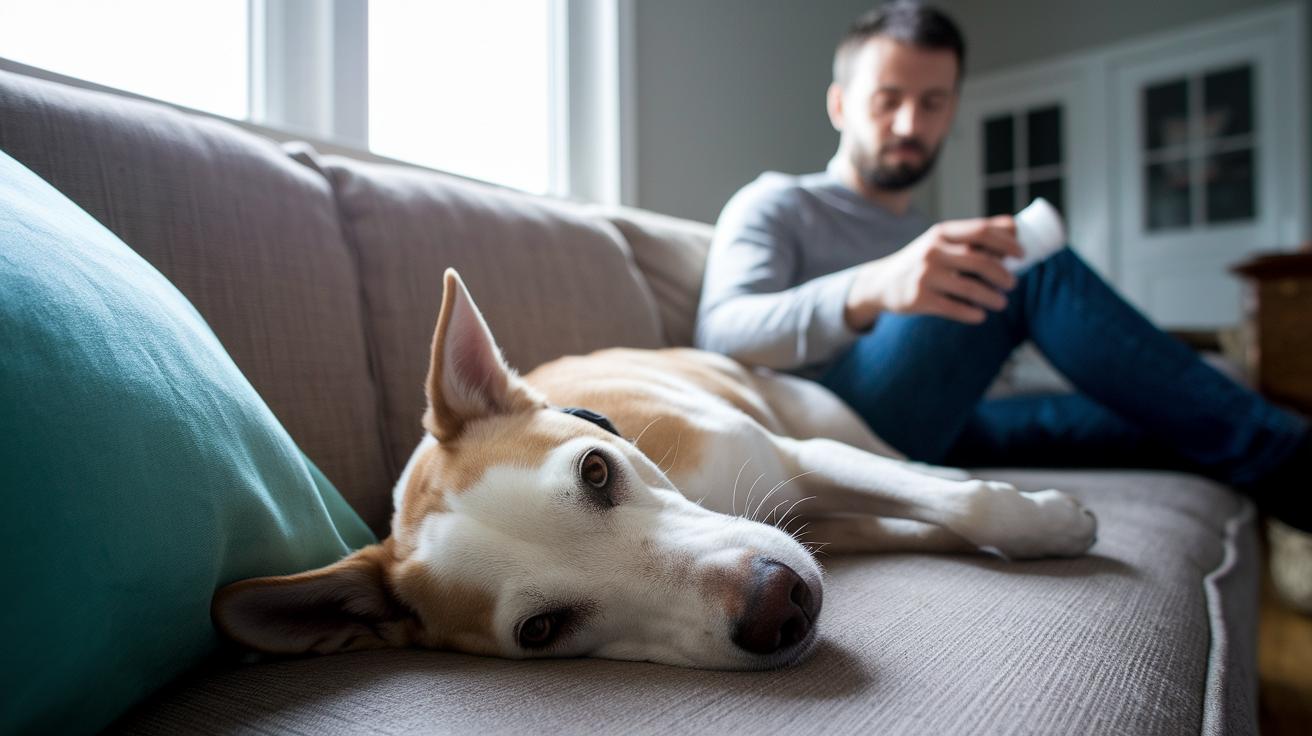
Ever wondered if Benadryl might be the answer for your dog's allergy woes? Many pet parents count on it when their furry friend is plagued by constant scratching, sneezing, or even swelling. It blocks those pesky allergy signals, giving your pup a much-needed break from discomfort. Think of it like a caring friend who steps in when things get tough, Benadryl can offer safe relief for your dog. In this chat, we’ll explore just how this common allergy remedy works and share vet-approved tips to keep your pet feeling great.
Benadryl for Dog Allergy Relief: Safety and Effectiveness
Benadryl works by using diphenhydramine to block histamine, which is what causes symptoms like itching, sneezing, and swelling in your dog. Imagine it as a tiny gatekeeper that stops the allergy signals from flooding in, it’s like giving your pup a gentle break from those irritating alarms. Sometimes, it even brings a bit of calm, helping your dog relax when allergies flare up.
Many pet parents use Benadryl to help with allergies caused by things like pollen, insect bites, or even tiny mites. Sometimes, it’s given as a precaution if your dog has had allergic reactions before. Vets generally recommend about 1 mg per pound of body weight every 8 to 12 hours. This careful dosing makes sure your furry friend gets relief while you keep an eye out for any side effects.
Just like when you take a moment to enjoy a pet’s happy tail wag, remember to follow your vet’s advice and check in on your dog to see how they’re doing.
Understanding Dog Allergic Reactions and Diphenhydramine Efficacy

Dogs can show they’re irritated by allergies through constant scratching, sneezing spells, hives, red or sore skin, and even upset tummies. Common triggers include pollen, tiny bits from dust mites, flea bites, or certain foods. If you notice your dog rubbing more than usual or scratching non-stop, it might be a sign they’re reacting to an allergen. Fun fact: some pet parents have seen that even a quick 10-minute walk during heavy pollen times can bring on discomfort in sensitive pups, which means it might be smart to be extra cautious.
Diphenhydramine helps by blocking the H1 receptors, which stops the histamine from causing itching and swelling. You generally see some relief within 30 to 60 minutes after giving it by mouth. Just be mindful that different dogs may need different doses, smaller pups or those with extra health issues might need a lower dose to avoid side effects like sleepiness or a dry mouth. For example, one golden retriever found that a slightly lower dose worked better when the usual amount made it too drowsy.
Recommended Diphenhydramine Dosage Guidelines for Dogs
When your furry friend battles allergies, diphenhydramine can be a handy helper. The basic idea is simple: give about 1 mg of diphenhydramine per pound of your dog's weight every 8 to 12 hours. So, a tiny pup gets a little bit, while a bigger dog gets a bit more.
If you’re using a liquid form, be extra careful with the measurements, it’s like trying to count treats, and you don’t want any extra ingredients like alcohol, sodium, or acetaminophen sneaking in. For our little breeds, children’s Benadryl tablets can work well because they let you dose correctly. Just remember, stick with plain, unflavored types and skip any time-release or add-on options that could be risky. And hey, always double-check the right dose with your vet before you start.
| Dog Weight (lbs) | Benadryl Dose (mg) |
|---|---|
| 10-20 lbs | 10-20 mg |
| 21-40 lbs | 21-40 mg |
| 41-60 lbs | 41-60 mg |
| 61-80 lbs | 61-80 mg |
| 80+ lbs | 81+ mg |
A few quick tips to ensure your pet’s safety:
- Use a precise syringe or dropper when measuring liquid doses.
- Always check in with your veterinarian, especially if your dog has other health concerns.
- Steer clear of products with extra ingredients like alcohol, sodium, or acetaminophen.
- When using children’s tablets for smaller pups, make sure the strength is right.
- Keep a log of the time and dose each time you give Benadryl so you can spot any side effects quickly.
Taking these steps will help you care for your pet in the safest, friendliest way possible.
Potential Side Effects and Safety Precautions of Benadryl in Dogs

When you give your dog Benadryl, you might notice some common effects. Your pet might feel sleepy, have a dry mouth, or even show a quick heartbeat. Sometimes, you may see signs like a little bit of restlessness, bigger pupils, or even a bit of constipation. For example, if your dog seems extra tired or isn’t drinking enough water, it could be a clue that the medicine is having its effect. Usually, these reactions are pretty mild when you use the right dose.
In a few situations, more serious problems might show up. Signs of an overdose can include deep sleepiness, trouble peeing, a very high body temperature, and sometimes even seizures. It’s a good idea to keep an eye out and act quickly if you notice any of these changes, especially within the first hour after giving the dose.
If your dog has certain health issues, Benadryl might be riskier. Conditions like glaucoma, an enlarged prostate (especially in older dogs), blockages in the stomach area, seizure disorders, or liver problems can make things more complicated. In these cases, even common signs like a fast heartbeat, extra sleepiness, trouble peeing, a high temperature, or seizures should set off alarm bells. If your dog has any of these issues, be sure to chat with your vet before giving any Benadryl and watch your furry friend closely for any unusual changes.
Administering Benadryl Safely: Veterinary Consultation and Best Practices for Dogs
Before you give your dog any Benadryl, have a chat with your veterinarian. This is like checking in with a trusted friend who knows your pet's history. Your vet will look over your dog's health, see if there are any other medications involved, and help set the right dose. They might say, “Keep an eye out for signs like restlessness or drowsiness to see how your pup adjusts.”
When it's time to dose, measure carefully. Use calibrated syringes or droppers for liquids, or double-check pill strengths if that’s what you're using. Keeping a little diary helps too, jot down the time, the amount, and if your dog acts a bit different, like a change in behavior or appetite. It’s like tracking a special moment when your buddy takes their dose, so you can tweak things as needed.
Also, have a plan ready for any serious reactions. If your dog suddenly appears extremely tired, struggles to breathe, or shows any unusual symptoms, call your vet’s emergency service right away. It’s a good idea to have emergency contacts handy, just in case something unexpected happens.
Alternatives and Complementary Strategies for Canine Allergy Management with Benadryl

Benadryl can help your dog feel better fast, but mixing in a few other treatments might give your pet the long-lasting relief they need. Sometimes, it's all about combining different options to cover both quick fixes and the bigger picture.
- Your vet might suggest prescription antihistamines like loratadine for a different kind of allergic response.
- Immunomodulators such as apoquel® can gently adjust your dog’s immune system to cut down on swelling and irritation.
- For a sudden flare-up, corticosteroids like prednisone can be a strong, short-term solution to fight inflammation.
- Allergy shots, or hyposensitization therapy, slowly ease your dog's sensitivity to allergens by addressing the root cause.
- Many pet parents find that a hypoallergenic diet paired with soothing medicated shampoos or moisturizers can calm irritated skin and boost overall skin health.
- Making a few changes at home, like using HEPA filters and allergen-friendly bedding, can also lessen your dog’s exposure to common triggers.
Working together with your vet to mix and match these treatments ensures that your furry friend gets a balanced plan, one that blends fast relief with a longer-term strategy for managing allergies.
Final Words
In the action of managing dog allergies, the blog explored diphenhydramine’s role in calming itchy and sneaky symptoms while highlighting precise dosing and usage tips. It also covered spotting side effects, using best practices, and even shared alternatives when needed.
The blog truly made the information relatable and easy to understand. Following these insights can help you feel secure in using benadryl for dogs allergies at vet-recommended levels while keeping your pet comfortable and happy.
FAQ
Did Benadryl kill my dog?
The concern that “Benadryl killed my dog” highlights risks from improper usage. Benadryl is generally safe when given at the right dose, but overdose or preexisting conditions can lead to serious complications. Always consult your vet.
How much Benadryl should I give my dog for allergies, and is there a dosage chart available?
The typical guideline is 1 mg per 1 lb of body weight every 8–12 hours, so a 50 lb dog would receive 50 mg per dose. Always use an accurate measuring tool and verify with your vet.
How does Benadryl affect dogs in terms of side effects and sleepiness?
Benadryl commonly causes sleepiness, dry mouth, and sometimes a rapid heartbeat in dogs. The sedative effect can vary, so monitor your pet closely and consult your vet if you notice unusual behavior.
How long does Benadryl work for dog allergies?
Benadryl generally provides relief for about 8 to 12 hours by reducing allergy symptoms such as itching and sneezing. The duration may vary based on your dog’s health and activity. Follow your vet’s dosage recommendations.
Does Benadryl completely get rid of dog allergies?
Benadryl helps manage allergy symptoms by blocking histamine, which reduces itching and sneezing. It offers temporary relief rather than a permanent cure, so ongoing management should be discussed with your vet.
What dog breeds may be more sensitive to Benadryl?
Sensitivity to Benadryl varies by individual. Some breeds, particularly those with slower metabolism or underlying health issues, may react more strongly. Observing your dog’s response and consulting your vet is essential.
Is there a difference between dog Benadryl and human Benadryl?
Dog and human Benadryl both contain diphenhydramine, but dosing and any additional ingredients can vary. Always use the product and dosage recommended by your veterinarian to ensure your pet’s safety.