


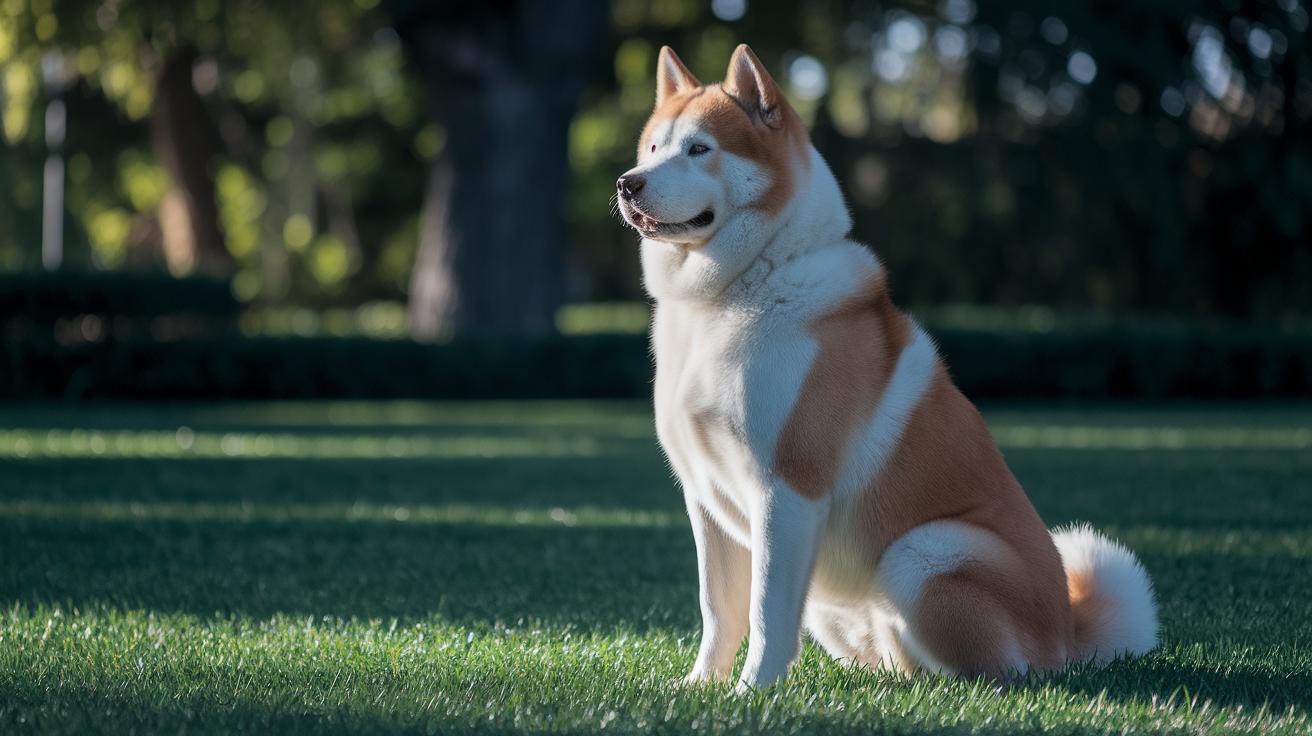
Have you ever pictured a dog who stands guard like a little superhero yet cuddles up with you like a warm friend? That's exactly what Akitas are all about. These dogs sport thick, plush coats and those soft, watchful eyes that make you feel safe. They come from snowy Japan, carrying a history full of wonder and quiet strength. Their brave hearts mix perfectly with a gentle nature, offering pet parents countless joyful moments. So, let’s take a cozy stroll through the world of Akitas, where we share easy care tips and highlight the little quirks that make these pups so wonderfully special.
Comprehensive Akita Dog Overview
The Akita is a big, strong dog with a thick, double-layered coat that makes it stand out. It’s known for its deep loyalty and a natural instinct to protect those it loves. Imagine a pet with attentive, loving eyes, always ready to keep you safe.
There are two main types of Akitas that give this breed its unique flair. The American Akita is more robust and heavy, while the Japanese Akita Inu has a sleeker body and striking facial features. Both have brave hearts, a sense of independence, and a noble warm temperament. But they do need early socializing to help manage their inborn guarding nature. Picture a well-trained Akita calmly watching over the family during a quiet park day, a sweet reminder of its deep-rooted heritage in Japan’s snowy lands.
Like any cherished pet, these dogs thrive on a balanced routine of regular exercise, wholesome meals, and gentle grooming to keep both body and mind active and happy.
Stay tuned for more insights on this incredible breed, including its rich history, official standards, behavior traits, common health issues, grooming tips, dietary advice, training tricks, exercise ideas, variations within the breed, and key points every potential owner should know.
Breed History and Origins of the Akita Dog
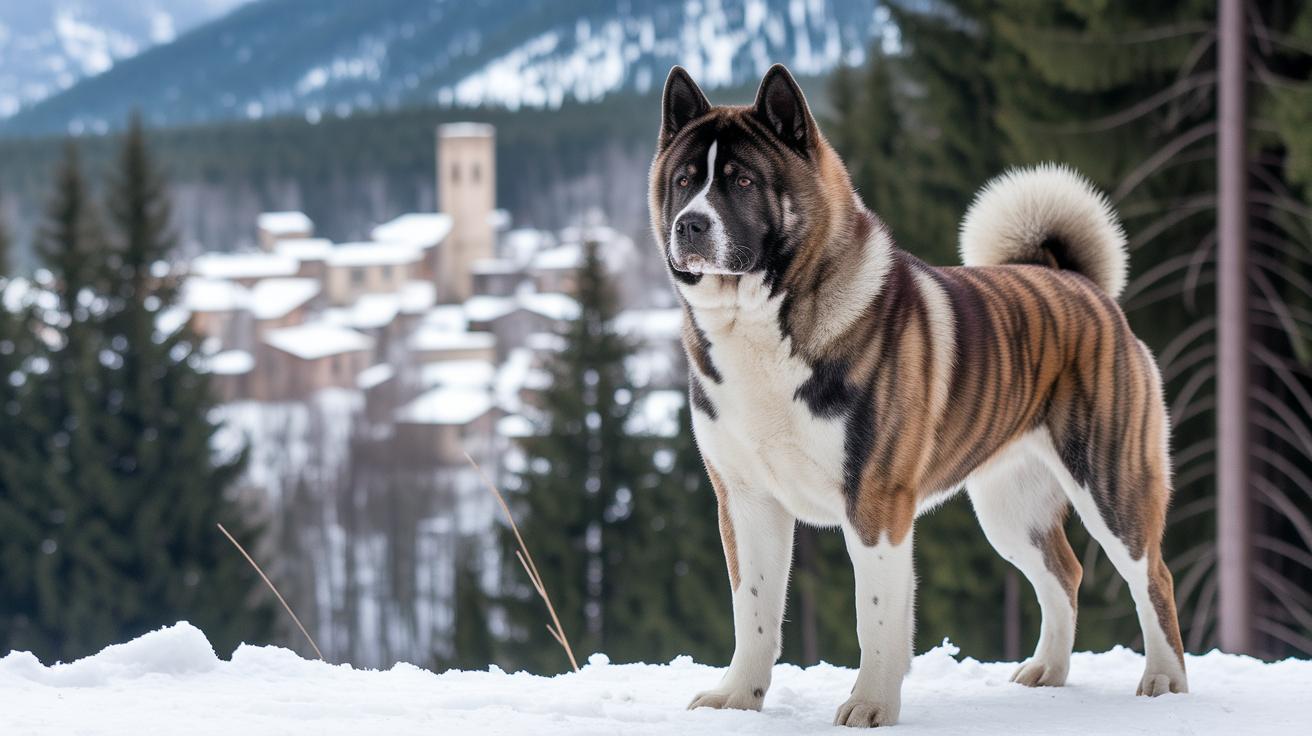
Imagine walking into a snowy mountain village in northern Japan during the 1600s. That's where it all began for the Akita dog. These clever pups were bred for hunting and guarding. Their mighty strength and brave spirit made them the perfect sidekick for villagers and the ideal companion while hunting in the chilly landscapes of Akita and Odate. Picture an ancient Akita, its sharp eyes scanning a quiet, snowy forest as it keeps watch over its home.
Fast-forward to more recent times and you’ll find that the Akita's story only got richer. A heartwarming moment in Akita history is the tale of Hachiko. In 1925, this loyal dog started waiting at Shibuya Station, a gesture that touched hearts all over the world and reminded us of the true meaning of loyalty. Then, in 1937, the Akita made its way to the United States, eventually earning official recognition from the American Kennel Club in 1955. By 1973, the breed was celebrated as both a loving companion and a brave guardian, forever marking its legacy.
| Year/Event | Details |
|---|---|
| 1600s | Early roles in hunting and guarding |
| 1925 | Hachiko’s faithful vigil begins |
| 1937 | Arrival in the United States |
| 1955 | American Kennel Club recognition |
| 1973 | Placement in the AKC Working Group |
Physical Characteristics and Breed Standard of the Akita Dog
Imagine encountering an Akita on a crisp winter morning. These majestic dogs possess a sturdy, muscular build paired with a dignified head that naturally commands respect. Their double coat, crafted to keep them cozy in chilly weather, features a soft, lush underlayer and a smooth, shiny top coat that practically glows with health. Every curve, from a broad skull to a firm jaw, tells a tale of puppies built to brave the hardest of climates.
What makes the Akita even more charming is the variety of colors and markings you see. They come in nine official hues including black, brindle, pinto, white, fawn, and red. Often, you might notice up to five distinct markings that add a playful yet sturdy look to their physique. Picture a scene where one Akita sports a bold brindle pattern while another dazzles in deep red; each showcases a unique touch of personality, echoing their rich genetic heritage. These traits not only highlight their striking appearance but also remind us of why Akitas are both warm family companions and vigilant protectors.
| Trait | Male | Female |
|---|---|---|
| Height | 26–28 in. | 24–26 in. |
| Weight | 100–130 lb | 70–100 lb |
| Coat Type | Double, short & lush | Double, short & lush |
| Common Colors | Black, brindle, pinto, white, fawn, red | Black, brindle, pinto, white, fawn, red |
Temperament and Behavior Traits in Akita Dogs
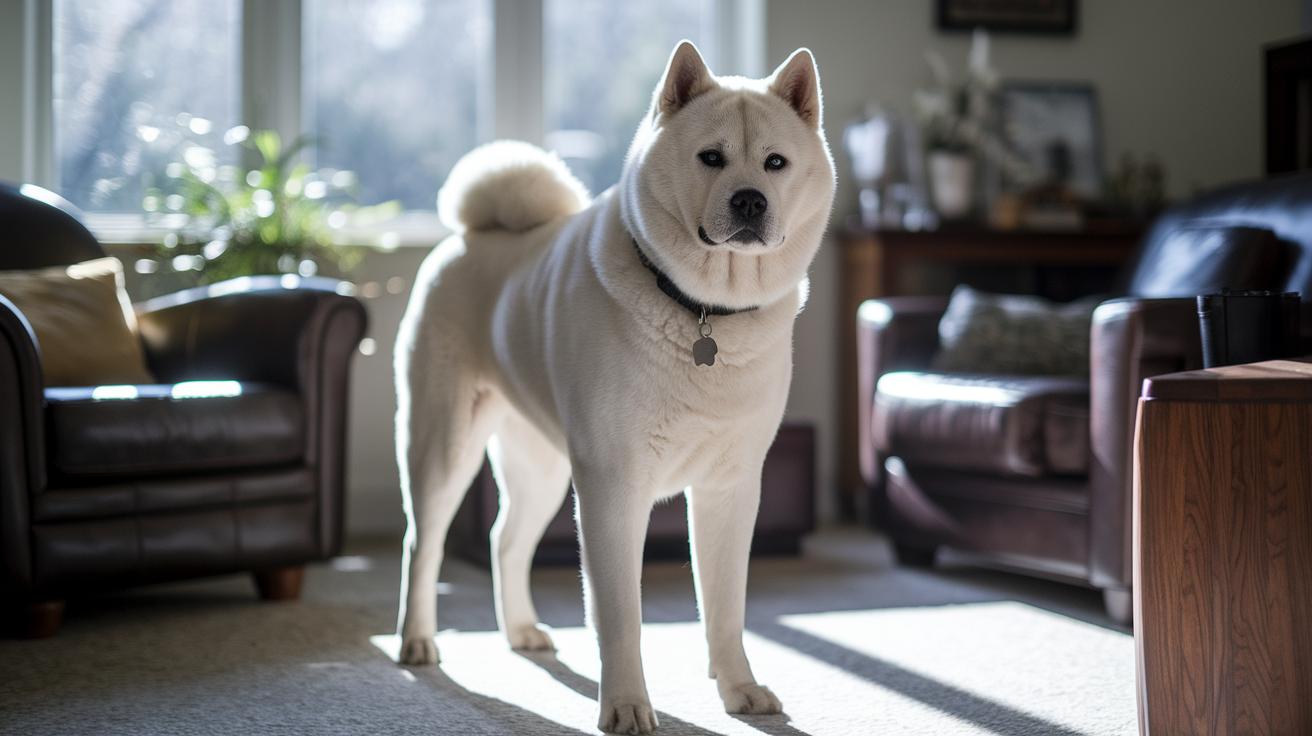
Akitas have a strong, confident spirit and a natural urge to protect their families. They quickly form a bond that feels almost unbreakable, like having a forever friend by your side. These dogs carry themselves with quiet resolve, always ready to stand guard when the moment calls for it.
Their relaxed yet alert nature means they can pick up on your feelings and sense any unusual activity around the home. Early socialization is key, it helps them get comfortable with new faces and channels their natural guarding instincts into friendly, everyday behaviors.
- Courage under stress – Picture an Akita standing proudly during unexpected commotions, always watching out.
- Dignified, calm presence – Imagine a pup who stays composed even when there’s a lot happening around, radiating quiet confidence.
- Deep loyalty to family – Think of them as that friend who never leaves your side, through every high and low.
- Reserved with unfamiliar people – They need a little time to warm up to new folks, just like we sometimes do.
- Territorial guard instincts – Envision a gentle but firm protector keeping a watchful eye on the home.
- Potential same-sex dog aggression – Sometimes, two strong personalities might clash if introductions aren’t handled with care.
- Independent, willful streak – Consider a companion who marches to the beat of their own drum but loves you all the same.
Managing these traits is all about consistent, playful training and gentle guidance. Keeping sessions fun and clear, with plenty of mental and physical activities, really helps an Akita embrace its independent nature and protective side. With patience, structured introductions, and clear boundaries, these remarkable dogs can shine in any loving home.
Health Considerations and Lifespan of the Akita Dog
Akitas usually live for around 12 to 15 years. Even though they're sturdy and strong, they can still face a few health bumps along the way. Keeping a watchful eye on your pet’s daily energy and behavior can help spot any issues early on. It’s all about making sure your furry friend stays as healthy as possible.
These dogs might be more prone to some common problems. For example, bloat is a sudden and serious swelling of the stomach that needs immediate attention. They can also develop hip dysplasia, which might lead to joint pain and make moving around uncomfortable. Eye issues, like cataracts and infections, are another concern. Sometimes, the thyroid might not make enough hormones, a condition known as hypothyroidism, and kidney problems can also occur.
Taking care of an Akita means being proactive with preventive care. Regular visits to the vet, a balanced diet, and plenty of exercise are all important to keep their immune system strong. It’s also wise to find a breeder who tests for genetic issues, so your puppy comes from a healthy background. By investing in these preventive measures and working closely with a trusted vet, you can help your Akita live a vibrant and happy life.
Grooming and Coat Care Guide for Akita Dogs
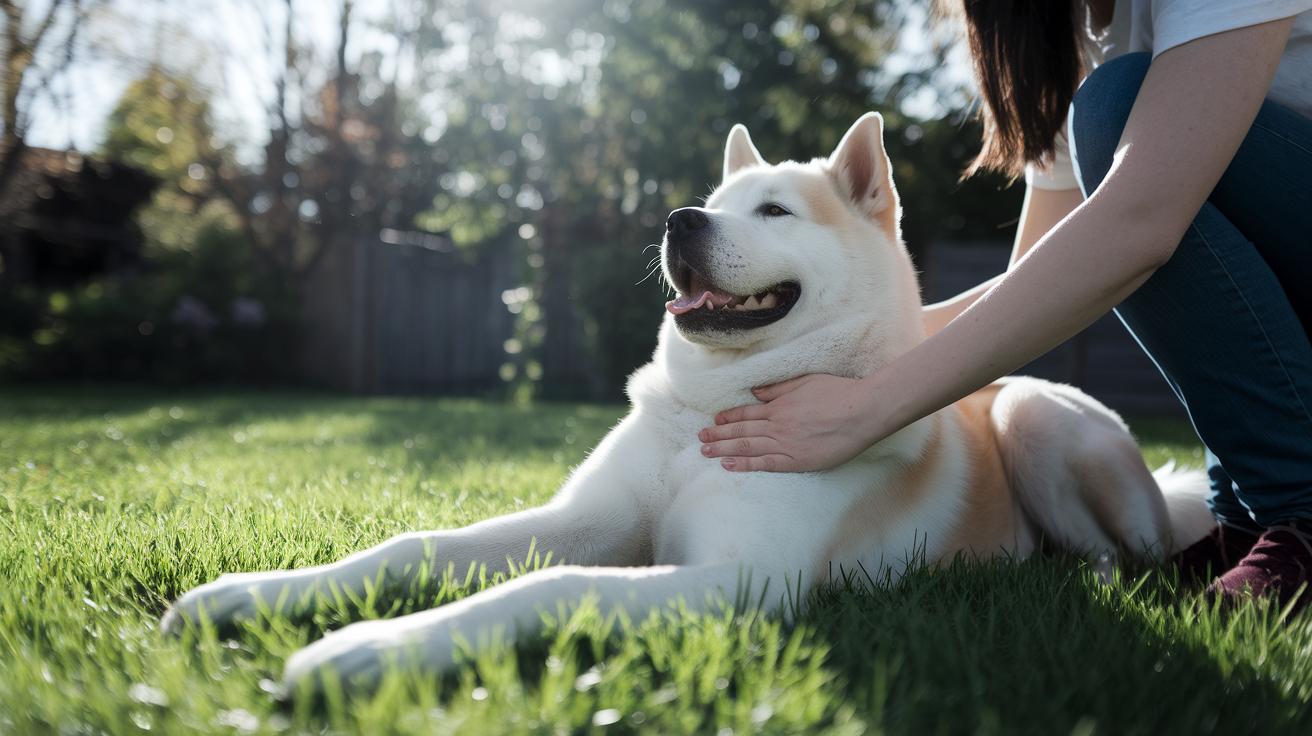
Keeping your Akita’s double coat in great shape starts with regular grooming. Brushing your furry friend two to three times a week not only removes loose hair but also leaves the coat smooth and shiny. Think of it like a gentle, steady brush stroke, calming and consistent. This simple care helps cut down on shedding at home and prevents tangles from turning into mats.
During heavy shedding, your Akita might leave more fur around than usual. Extra brushing during this time is a must, helping to gather every stray hair and keep your furniture and clothes a bit fur-free. Imagine spending a few extra minutes during spring cleaning, carefully brushing away the excess and making your pup look refreshed and tidy.
Besides brushing, don’t forget to take care of your pet’s nails, ears, and teeth. Keeping nails trimmed stops them from growing too long and causing discomfort. Clean the ears regularly to ward off infections and brush your Akita’s teeth to maintain fresh breath and healthy gums. This well-rounded care routine ensures your beloved companion stays comfortable and looking their absolute best.
Nutrition and Diet Recommendations for Akita Dogs
Adult Akitas do best with a balanced, high-protein diet that helps support their strong, muscular frames and steady energy levels. A simple rule of thumb is to give them about 1 gram of protein per pound of body weight each day. Think of it like fueling your furry friend with the kind of goodness that keeps them lively and strong. A delightful mix could be top-notch kibble combined with fresh ingredients, like lean meats or even chopped vegetables. Imagine tossing in a handful of diced carrots, giving a fun, sweet crunch that not only tastes great but also boosts vitamins and flavor.
For Akita puppies, feeding them up to four times a day is ideal. These smaller, more frequent meals make it easier for them to soak up nutrients without overloading their tender stomachs. Plus, it's a treat to see a little pup happily munching and then eagerly sipping fresh, cool water, especially after a fun play session or a walk. By sticking with these balanced feeding tips, you're not only nourishing your Akita but also ensuring each meal is a moment of joy and vitality.
Training and Socialization Strategies for Akita Dogs
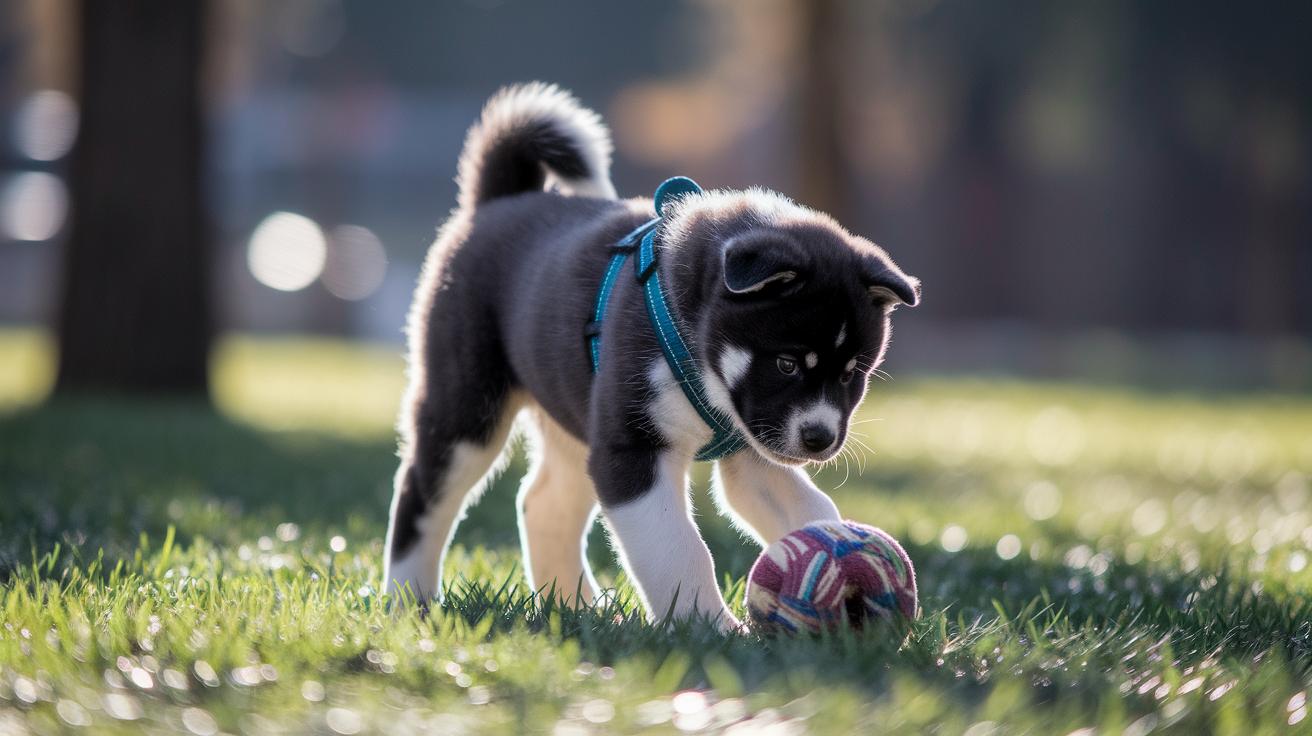
Starting early with your Akita is super important. Begin with simple commands that build trust between you and your furry friend. Using treats and kind words during each session makes learning fun and encourages your dog to listen. Keeping a regular training routine not only creates a joyful atmosphere but also helps set clear rules.
When you’re ready to start training, try using a sturdy piece of equipment, like a large dog harness, that gives you good control while keeping your pup comfortable. Short, playful sessions with clear commands can really help ease any stubborn behaviors and build a strong, respectful bond over time.
Socialization is just as important. Introducing your Akita puppy to different places, people, and other dogs, bit by bit, can really help keep territorial aggression in check. Early experiences in diverse settings help your pup stay calm and confident when encountering something new. Plus, arranging fun playdates or supervised meet-ups with other pets helps lower anxiety and creates positive, friendly encounters.
And hey, if things get a bit tricky, just make sure you gently remind your dog what’s okay and what isn’t. With lots of practice and a warm, caring approach, your Akita will learn how to navigate social situations with ease, growing into a loving companion and a reliable guardian.
Exercise Requirements and Mental Stimulation for Akita Dogs
Akitas really do best with a mix of daily exercise that isn’t too extreme but still keeps them happily active. Think long walks, hikes, or some safe, off-leash play in a secure area where they can run and explore. Their sturdy build and energetic nature mean that a change of scenery, a new park or a winding nature trail, can make all the difference. And if your Akita is a bit older, shorter, gentler walks can be just the ticket. You might even want to check out some exercise routines designed specifically for senior pets.
But it’s not just about the body, keeping their minds busy is just as important. Try out interactive puzzle toys or set up simple agility exercises. Supervised games that challenge your furry friend’s problem-solving skills can do wonders to fend off boredom and keep them alert. Mixing physical activities with brain-boosting play not only helps their health but also adds a lot of fun to your daily routine together.
Akita Dog Variations: American vs Japanese Akita
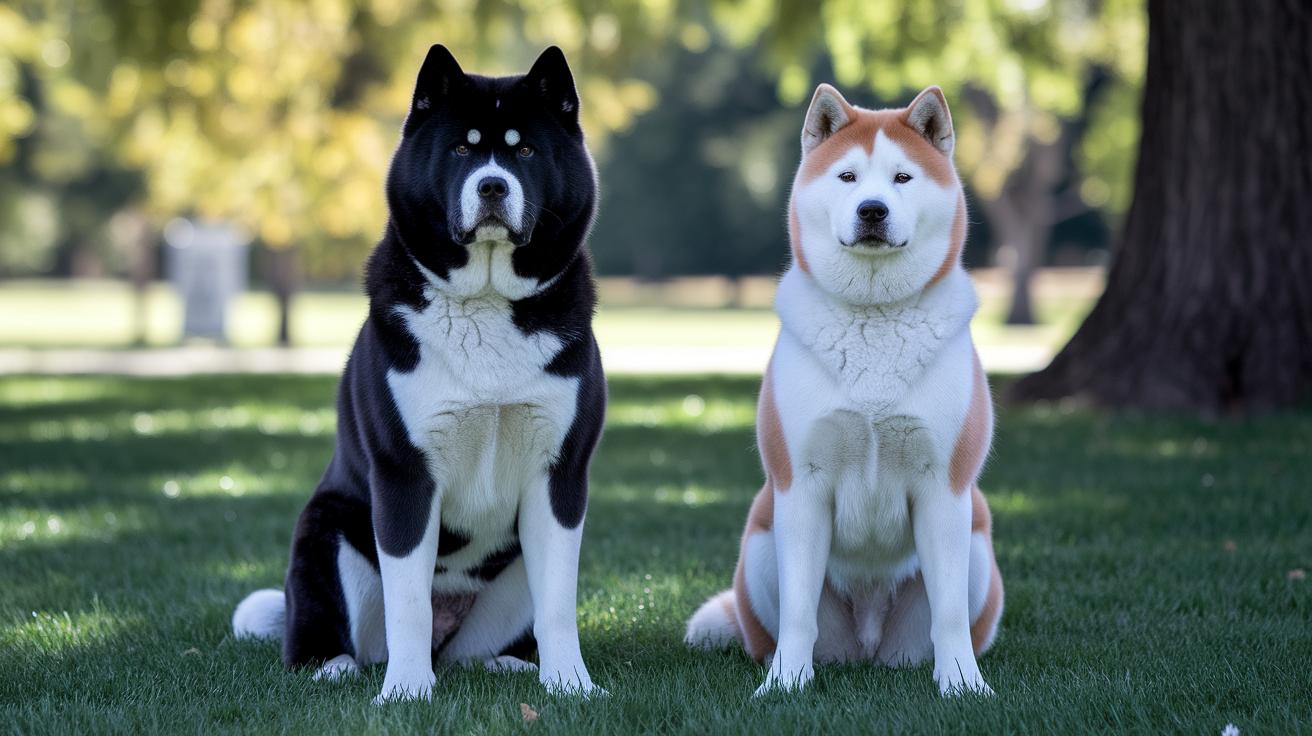
Meet the American Akita, built strong like a true champion. With its sturdy, heavy-boned frame, wide head, and confident stance, it’s hard not to notice its power. Meanwhile, the Japanese Akita Inu sports a sleeker, leaner body and a gentle, fox-like head that gives it an elegant charm. Think of it this way: the American Akita is like a muscular guardian, while the Japanese version is more like a graceful and refined companion.
After World War II, the Akita breed split into two unique paths. American and Japanese breeders each shaped their own vision, following different kennel club standards. This led to clear differences in body shape, temperament, and overall look. Imagine a friendly chat among pet experts, carefully weighing old traditions against modern ideas of beauty and performance in our beloved dogs.
So, which one is right for you? It really depends on your lifestyle and what qualities you love most. If you want a dog with a strong, protective presence, the American Akita might be your perfect match. But if you’re drawn to a companion with a nimble build and an air of quiet strength, the Japanese Akita Inu could be the ideal choice. Ultimately, your decision comes down to the special bond you want to share and the everyday moments you’ll build together.
Adoption, Purchasing, and Ownership Considerations for Akita Dogs
If you're thinking about welcoming an Akita into your life, you’ve got a couple of paths to consider, adoption or purchasing. Adopting a rescue not only gives a lovable dog a fresh start but also warms your heart. On the other hand, if you decide on purchasing a purebred, you can expect prices to range between $1,000 and $2,500. It’s super important to check that breeders test their puppies for health issues with hips, eyes, and thyroid conditions, and that they show off their club memberships and clear lineage records. Imagine a breeder who shares detailed health certificates and genuine care, it really builds your confidence when bringing a new friend home.
It’s also smart to remember that owning an Akita isn’t just a one-time expense. The initial price might seem manageable, but think about the ongoing costs like high-quality food, regular grooming for that thick double coat, and routine vet visits to check for problems like bloat or hip dysplasia. Training classes, supplies, and pet insurance are part of the picture, too. Picture yourself planning out your monthly budget with a little extra set aside to keep your Akita happy and healthy.
The first few weeks with your new Akita set the stage for a lifetime of bonding. For puppies, getting their vaccinations on time, enough socialization, and proper routines makes a huge difference in their future behavior. Sorting out obedience classes or even meet-ups with other dogs can help manage those strong guarding instincts early on. Plus, a solid pet insurance plan can ease any worries as your puppy grows up. It’s like writing the first page of a beautiful story with your new furry companion.
Final Words
In the action, this post walked through every part of owning an akita dog, from its rich history and distinct physical traits to caring tips for health, grooming, nutrition, training, and exercise. It also compared the American and Japanese strains while touching on practical ownership advice.
We shared down-to-earth, useful insights that make caring for your companion easier. Enjoy applying these clear tips and cherish every moment with your wonderful furry friend.
FAQ
What are the price ranges for Akita dogs and puppies?
The Akita dog price typically ranges between $1,000 and $2,500, with factors like lineage, breeder reputation, and early care influencing the cost.
How do I find an Akita puppy or dog for sale?
Searching for an Akita puppy or dog for sale means contacting reputable breeders or rescue groups, ensuring health tests, valid lineage, and responsible care are in place.
What distinguishes the Akita Inu from the American Akita?
The Akita Inu is leaner and follows traditional Japanese standards, while the American Akita is heavier with a broader head, reflecting differences in breeding history.
What makes a white Akita unique?
An Akita dog white is known for its distinctive striking coat, which complements the breed’s loyal nature and dignified demeanor while still requiring proper care and grooming.
Why are Akitas sometimes a restricted breed?
Akitas are considered restricted due to their strong territorial instincts and independent character, which may require special licensing, training, and management in some areas.
Is an Akita stronger than a Pitbull?
The strength comparison depends on each individual dog’s build and training; an Akita’s power and presence differ from a Pitbull’s, making such comparisons largely individual.
How aggressive is the Akita breed?
An Akita usually shows a calm and loyal temperament, but without proper socialization, they may display protective aggression, especially around strangers or other animals.
How does the Shiba Inu compare to the Akita?
While the Shiba Inu is smaller and more energetic, the Akita is larger, reserved, and bred for protection, making their care, training, and temperament distinctly different.