


In recent years, painting companies have increasingly adopted innovative methods to improve the quality and longevity of painted surfaces. These advancements span a range of applications, from residential house painters to specialized cabinet painting, incorporating new materials and techniques designed to deliver more durable and visually consistent results.
One notable development involves the integration of advanced primers and coatings that enhance adhesion and resistance to environmental factors. Painting companies now frequently use primers formulated to work with a variety of paints, including latex, acrylic, and epoxy-based products. These primers serve as a foundation that helps paints and stains adhere more effectively to surfaces such as wood, metal, and drywall, reducing the likelihood of peeling or fading over time.
The choice of paint and stain has also evolved, with a growing emphasis on sustainability and environmental impact. Many painting companies have shifted toward low-VOC (volatile organic compound) paints and stains, which minimize harmful emissions during application and drying. Behr paints, for example, offer a range of products that balance performance with environmental considerations. These paints are often used in conjunction with wood stains and wood stain primers to protect and enhance natural wood surfaces while maintaining eco-friendly standards.
Cabinet painting has become a specialized service within the painting industry, requiring precise techniques to achieve smooth, durable finishes on kitchen and bathroom cabinetry. Painting companies employ a combination of sanding, priming, and multiple coats of paint or stain to ensure cabinets withstand daily wear. The use of epoxy coatings has gained traction in this area due to their hardness and resistance to moisture, making them suitable for high-use areas.
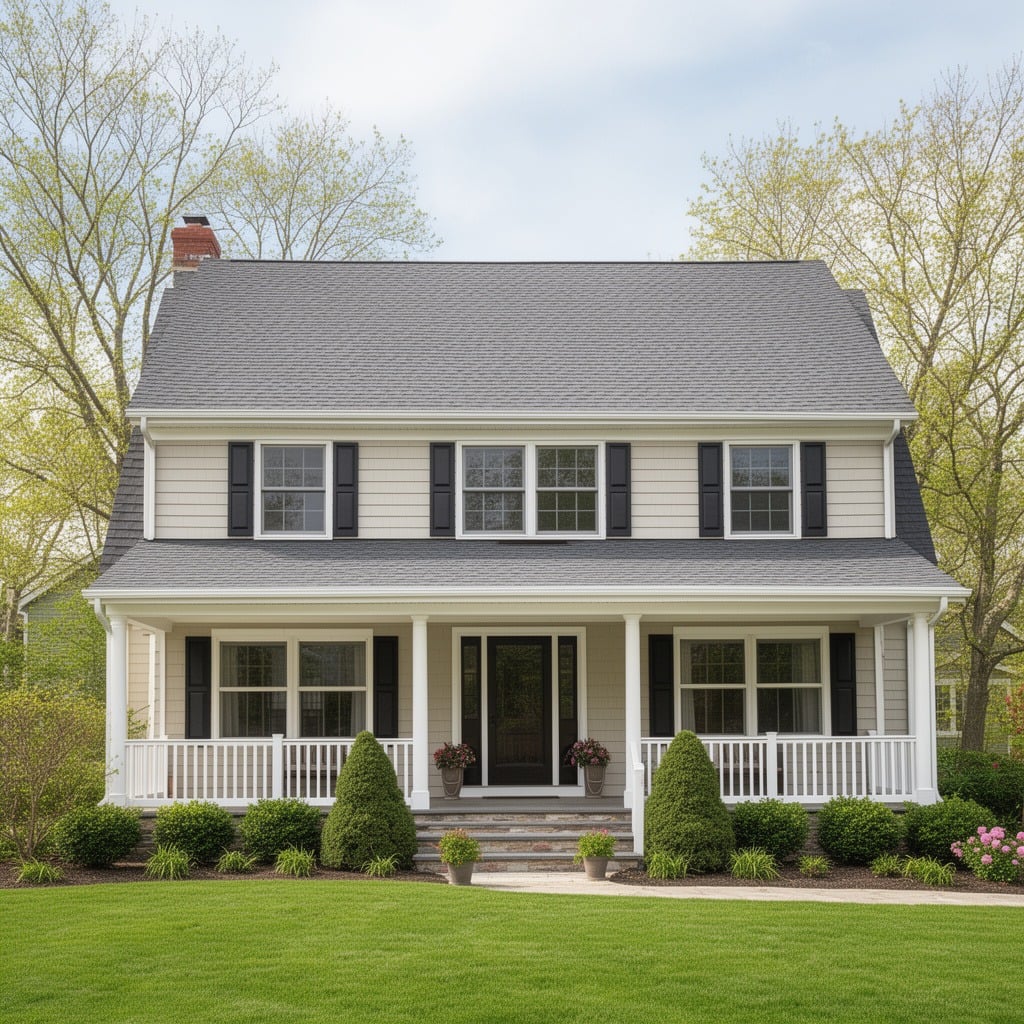
House painters continue to refine their approach to exterior painting by selecting paints and stains that provide long-lasting protection against weathering. Acrylic paints, known for their flexibility and resistance to cracking, are commonly applied to exterior surfaces. Wood stains, including various wood stains designed for outdoor use, are also applied to preserve the natural grain and texture of wood siding and trim while offering protection from moisture and ultraviolet light.
The palette of colors available to painting companies has expanded, allowing for greater customization and matching of architectural styles. This variety extends beyond traditional paint colors to include specialized coatings and finishes that can mimic textures or provide additional protective qualities. The application of these coatings requires skilled painters who understand the nuances of each product and surface type.
In addition to traditional painting services, some painting companies have incorporated body painting techniques into their offerings, although this remains a niche area distinct from structural painting. Body painting involves the application of paints designed for skin, which differ significantly from architectural paints and stains in composition and safety standards.
Sustainability remains a key consideration in the painting industry, influencing the selection of materials and methods. The use of eco-friendly paints and stains, along with efficient application techniques, helps reduce waste and environmental impact. Painting companies are increasingly adopting practices that align with green building standards and client preferences for environmentally responsible options.
Overall, the evolution of painting company techniques reflects a broader trend toward combining aesthetic quality with functional durability. By utilizing advanced primers, a range of paints including latex, acrylic, and epoxy, and environmentally conscious stains, painting companies aim to deliver finishes that maintain their appearance and protective qualities over extended periods. These developments contribute to improved outcomes in both residential and commercial painting projects.