



Ever notice when your pet starts acting a bit off, maybe your dog skips meals or your cat quietly hides away? These small changes might be your buddy’s subtle way of telling you something’s not quite right. By keeping an eye on these signs, you can catch problems early and help keep your pet feeling happy and cozy.
It’s kind of like when you sense a friend might be having a tough day; a little extra attention can make a big difference. In the next few lines, we’ll chat about some clear signals that might mean it’s time to visit the vet, so you know exactly when to reach out for that extra care.
Overview of Top Warning Signs That Mean Your Pet Needs Veterinary Care
Keeping a close eye on your pet’s mood and habits can really help stop small problems from turning into big ones. When you notice even tiny changes in their behavior, it could be a quiet call for help. Watching your furry friend closely isn’t just about making sure they’re happy, it also gives you a chance to catch health issues before they get worse.
Here are some things you might see:
- Changes in appetite: If your pet skips meals for more than a day, it might be trying to tell you something isn’t right.
- Recurring vomiting episodes: Seeing your pet vomit again and again could be a sign of something like poisoning or stomach troubles.
- Persistent lameness: If your pet keeps limping, it could mean their joints or muscles are hurting.
- Loss of interest: When your usually playful companion loses zest for playtime, it might be due to discomfort or illness.
- Unexplained crying or vocalizing: If your pet is whimpering or meowing more than usual, it could be a sign they’re feeling pain inside.
It only takes a little extra care and attention to help your pet live a long and happy life. Have you ever noticed your pet acting a bit off during playtime? Sometimes these small clues can lead to big differences for our beloved friends.
Behavior Shifts in Your Pet That Signal a Veterinary Visit
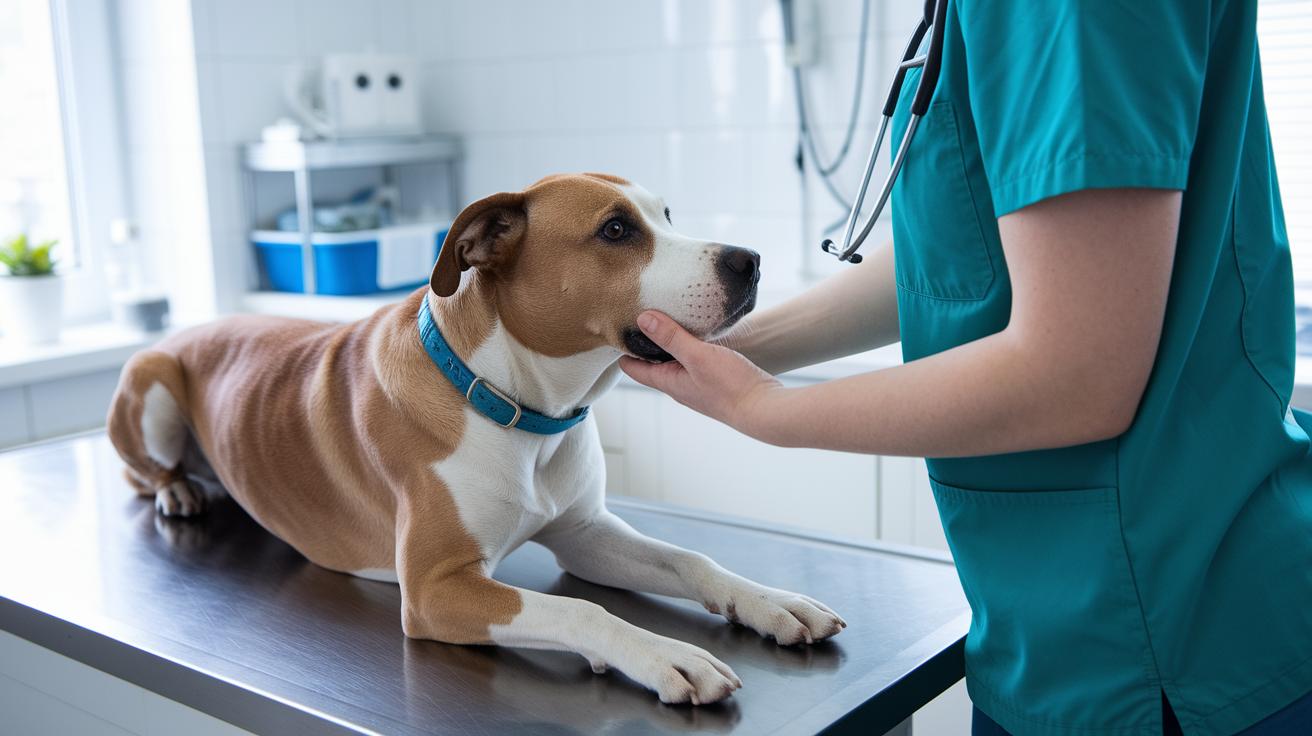
Sometimes you might notice your pet acting a bit off. Maybe your usually independent dog suddenly follows you everywhere or your normally calm cat starts snapping when you try to pet it. These changes could be telling you that your furry friend isn’t feeling quite right.
Even vets see this kind of behavior. I once heard about a cat known for doing her own thing suddenly hiding and needing extra cuddles. When the vet took a closer look, they discovered early joint inflammation that was causing the odd behavior.
It’s not just about being a little tired. If your playful pup begins to snap at people or other dogs during playtime, it might be a sign of pain in its joints or muscles. In these situations, it’s a smart idea to have a vet check things out, so your pet can feel better again.
Digestive Disruptions and Vomiting Episodes Indicating a Veterinarian Checkup
If your pet’s tummy is acting up, it might seem like a small, passing phase, but even minor stomach troubles can quickly become more serious if they go untreated. Even a little discomfort can lead to dehydration or hint at a deeper issue inside.
Here are some signs that it's time to call your veterinarian:
- Vomiting several times in one day, especially when your pet can’t keep food or water down.
- Vomit that has blood in it, which might mean there’s irritation or damage in the stomach or upper parts of the gut.
- Hard, dry stools that could be a sign your pet isn’t getting enough water or might have a blockage.
- Diarrhea with bits of mucus or blood, suggesting that something's irritating the digestive tract or an infection might be present.
- Changes in the usual texture or consistency of your pet’s poop, a clear sign that something’s off in their digestive system.
- Scooting on the floor, which sometimes happens if there’s discomfort from affected anal glands, parasites, or other gut issues.
If these symptoms stick around, it's really important to have your pet checked by a vet. A professional exam can figure out what's causing these problems and help get your furry friend back to feeling their best, avoiding any complications down the road.
Breathing and Heart Signs That Signal a Veterinarian Checkup
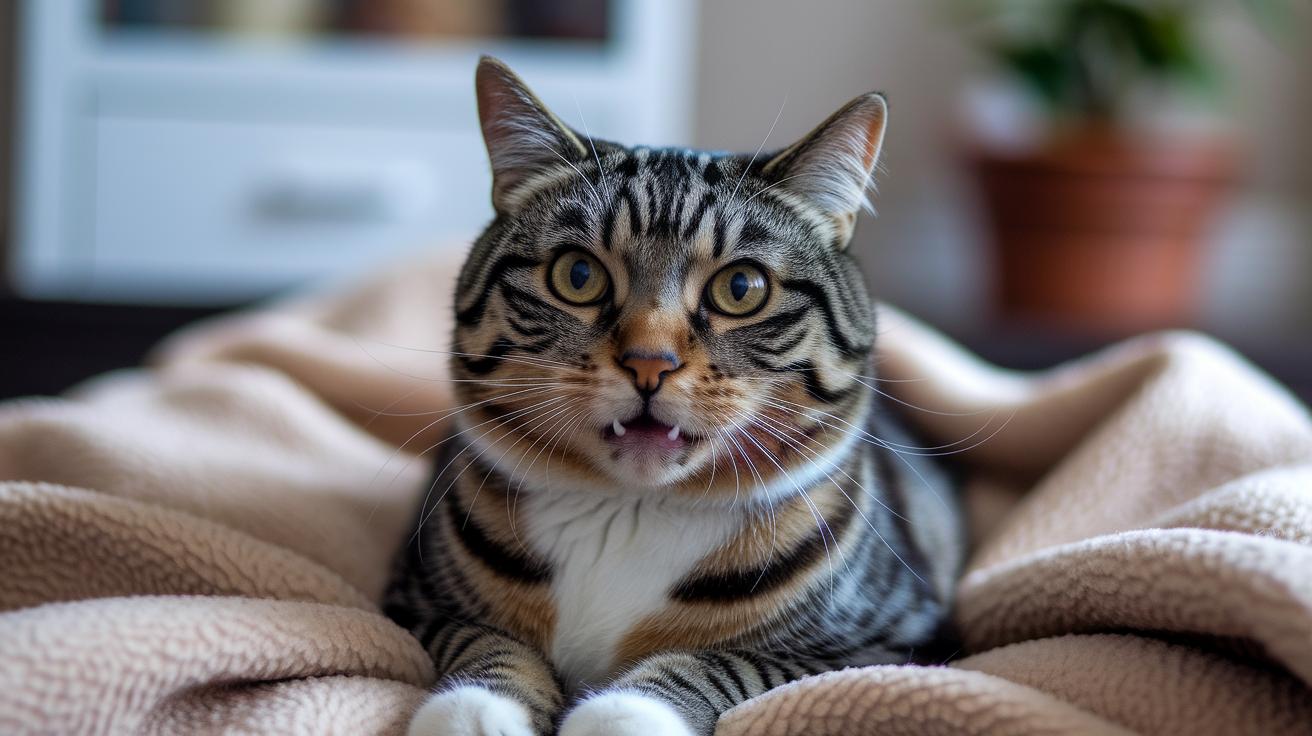
If you notice your pet breathing in a strange way, like taking quick, heavy breaths or, in some cats, even breathing with their mouth open, it might be a sign that something isn’t right with their heart or lungs. For example, a cat that starts panting without any clear reason could be sending a little red flag that needs attention.
Keep an eye out for any constant coughing, wheezing, or even those odd gagging sounds. These could mean there’s an infection, something stuck in their throat, or another issue that needs a closer look. Even frequent sneezing might point to problems like dental issues, upper respiratory troubles, or allergies.
When you spot these kinds of breathing or heart signs, it’s a smart move to get your pet checked by a veterinarian as soon as you can. If you see a mix of these symptoms, like trouble breathing along with regular coughing or sneezing, it might suggest something that could get worse without treatment. Trust your instincts as a pet parent and seek advice from a professional to keep your furry friend safe and healthy.
Limping and Mobility Concerns Warranting a Veterinarian Checkup
If your furry friend keeps limping even after a little rest, it might be time to take a closer look. Sometimes a pet may step on something like a small nail or a sharp splinter, but other times it could be something more serious like a broken bone or torn ligament. Imagine your dog eagerly dashing around, then suddenly limping and not getting better with a bit of downtime, this could be a sign that there's a hidden joint issue brewing.
Have you ever seen your pet hesitate before jumping or notice them oddly hopping on three legs? These little quirks can point to something like arthritis or joint pain. It’s a bit like when your once energetic buddy starts moving slower and less freely; these soft hints are important. Paying attention to them can help you catch any issues early on and prevent more discomfort later.
So, if you notice your pet’s movements aren’t quite right, a visit to the veterinarian might be the next best step. A timely checkup can lead to treatments that ease your pet’s pain and get them back to their tail-wagging, playful self in no time.
Skin and Coat Alerts That Mean Your Pet Needs a Veterinarian Checkup
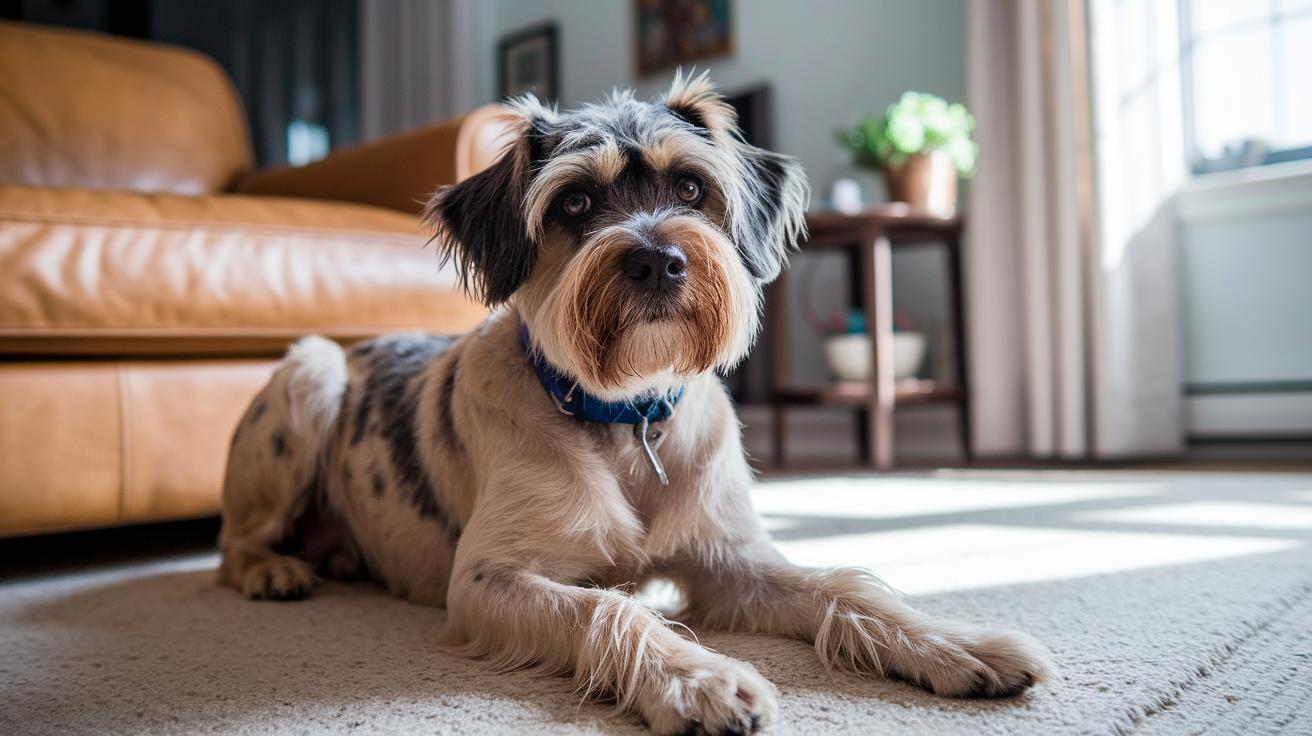
If your pet’s fur feels rough, dry, or patchy, it might be more than just a style issue, it could be a sign that something’s off. A fur that loses its shine might be hinting at problems like nutritional gaps, pesky parasites (think of those annoying fleas or mites), or even allergies. These little troublemakers can cause constant itching and scratching, which might lead to irritation or even a sneaky infection.
Sometimes, a dull and flaky coat means your pet isn’t getting the right nutrients, or perhaps their hormones are acting up. Always be on the lookout for bald spots or red, irritated patches. These details are like your pet’s way of sending an early warning that something might need a vet’s checkup.
Also, don’t forget to watch for signs of bacterial or fungal issues. This might show up as small bumps, redness in specific areas, or even scaly skin. If your furry friend is shedding a lot or seems to be itching non-stop, it could be allergic dermatitis, a reaction to something in their environment or even a certain ingredient in their chow.
Expert tip: As you groom your pet, gently run your hand over their fur and skin. If you feel any unusual bumps or rough patches, take a moment to chat with your veterinarian.
Weight, Drinking, and Urination Changes Needing a Veterinarian Checkup
If you notice your pet slimming down even though nothing has changed with their food or exercise, it might be a hint that something isn’t quite right. Unexpected weight loss can be a signal of an underlying issue, so it’s best to have a vet check things out early.
Keep a close watch on how much water your pet drinks and how often they head to the bathroom. For instance, if they suddenly seem extra thirsty, this might point to kidney problems or even diabetes. On the flip side, drinking less water could lead to urinary tract infections. And if you see changes in how often they pee, whether it's more or less than usual, it could be a sign that something is off and deserves a vet’s attention.
Also, be on the lookout for signs like dry gums, unusual tiredness, or shifts in body temperature, like an unexplained fever or feeling too cold. These clues can mean your pet is struggling to keep their body in balance. When you notice these symptoms along with changes in weight or drinking habits, it’s a clear cue to consult with your veterinarian to catch any potential issues before they become serious.
Emergency Health Red Flags Requiring an Immediate Veterinarian Checkup
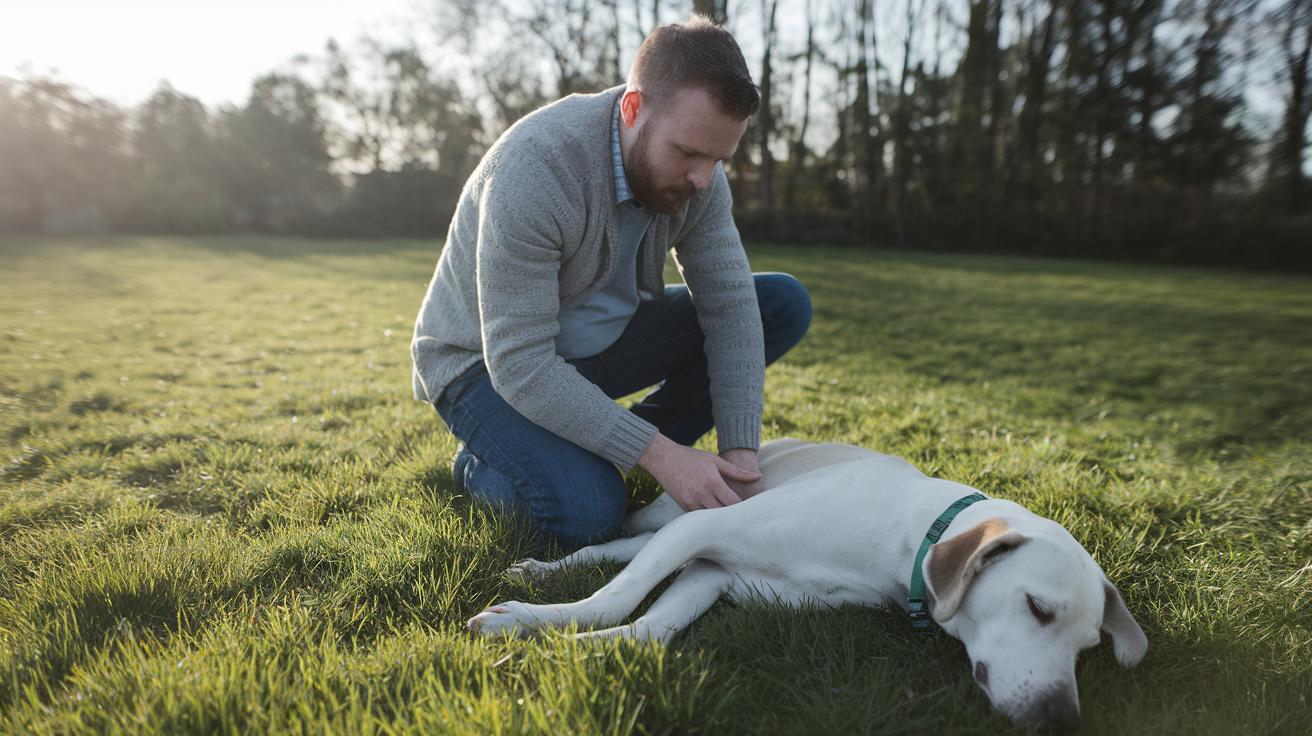
When your pet suddenly collapses, has seizures, or shows signs of heavy bleeding, it's a real red flag that something serious is going on. Imagine you're on a walk and your normally bouncy dog just drops, it’s a signal that something inside might be very wrong. Even if your furry friend has a few quick tremors or struggles to stand, these signals mean it’s time to get help fast.
Also, watch out for issues with your pet’s eyes. If they’re red, oozy, or squinting a lot, don’t brush it off. Even if it seems minor, ignoring these signs could lead to long-term damage. And if you notice blood in what they vomit, in their stool, or in their pee, it might mean there's internal bleeding. This kind of problem can quickly become life-threatening if it isn’t handled right away.
When you realize your pet needs a vet right away, it helps to be prepared. Gather any medical records, a list of all the medications or supplements your buddy is taking, and maybe bring along a favorite toy or blanket to help calm them. Make sure they’re safely secured in a pet carrier or a car seat belt, and try to keep the drive as calm as possible. This little bit of planning not only eases your pet’s stress but also makes sure the vet gets all the info they need to start treating your pet immediately.
Final Words
In the action, this article explored key warning signals your pet might show. We reviewed changes like a loss of appetite, recurring vomiting episodes, persistent lameness, unexpected behavior shifts, digestive concerns, breathing irregularities, skin alerts, and weight fluctuations.
Remember, recognizing these signs your pet needs a veterinarian checkup early makes all the difference. For more detailed advice, refer to each section. Keeping a close watch ensures your furry friend stays happy and healthy.
FAQ
What are the signs your dog is dying?
The signs your dog is dying include prolonged lethargy, loss of appetite, labored breathing, and unresponsiveness. Noticeable changes in behavior or movement may also indicate severe health decline.
How do I know if my dog needs a vet visit?
The signs your dog needs a vet visit are subtle changes like disinterest in play, unusual eating habits, persistent discomfort, or altered behavior patterns. These cues help you decide if professional evaluation is necessary.
How can I treat a sick dog at home, and what can I give him?
The approach to treating a sick dog at home starts with keeping them comfortable, providing fresh water, and offering bland food when appropriate. However, always contact a veterinarian for guidance when symptoms worsen.
How do I tell if my dog has a fever or a cold?
The signs your dog has a fever or cold include warm ears, lethargy, nasal discharge, and changes in eating or activity levels. Checking the temperature and observing behavior can help determine if vet care is needed.
When should I take my dog to the vet for vomiting?
The signs your dog needs urgent care for vomiting are repeated episodes, especially when accompanied by blood or an inability to keep fluids down. Consistent vomiting indicates that prompt veterinary attention is essential.
What does a vet checkup consist of?
A vet checkup consists of a physical exam, where the pet’s weight, temperature, heart, and breathing are checked; additional tests like blood work might be performed to rule out underlying issues.
What is silent pain in dogs?
Silent pain in dogs refers to subtle signs like reluctance to move, slight changes in behavior, or quiet whimpering. These soft signals can indicate discomfort without obvious outward symptoms.