


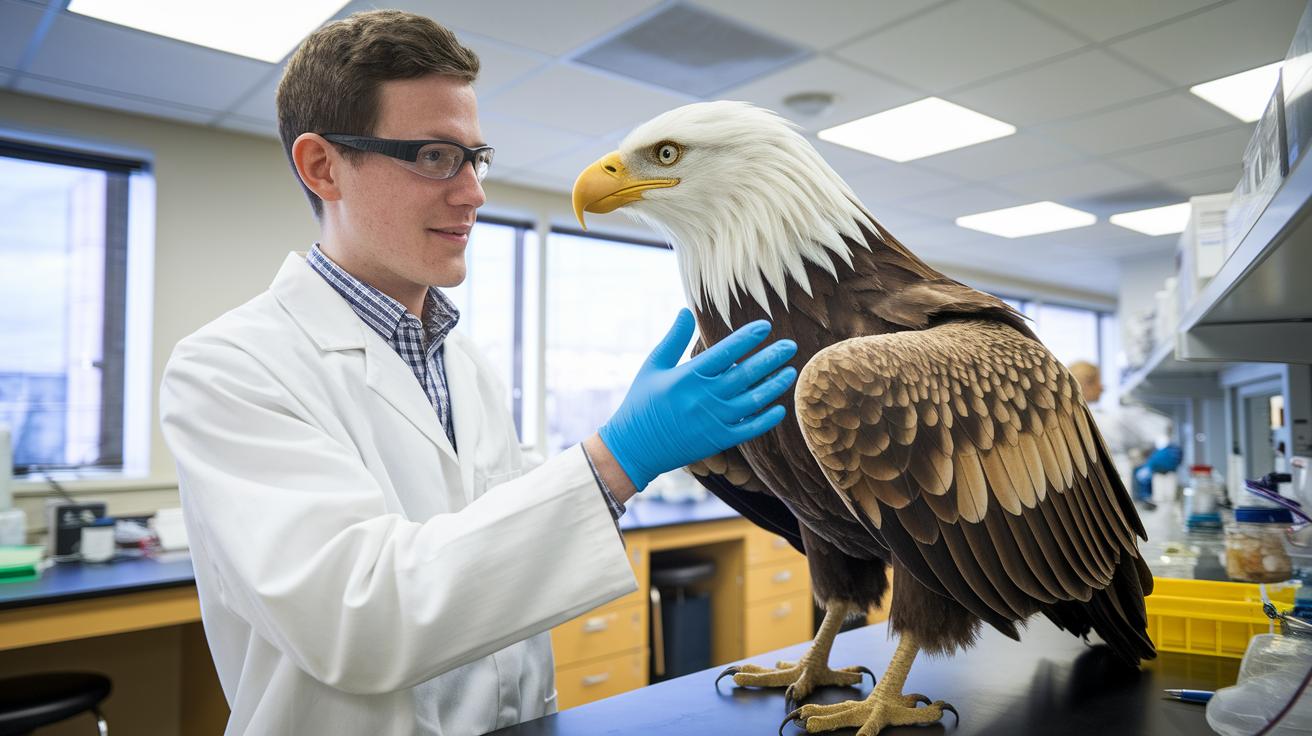
Have you ever wondered what happens when nature mixes things up in unexpected ways? Chimeric animals are a bit like that. They're created by blending cells from different beginnings, kind of like stitching together patches of a quilt where every piece tells its own tale.
Scientists are really excited about this mix because it helps them explore how life develops and even sparks new ideas in medicine. It’s amazing to think that nature can combine these unique pieces to form one living, breathing creation. And honestly, it gives us a glimpse into a future filled with even more incredible scientific surprises.
Animal Chimeras: Biological Definition and Mechanisms
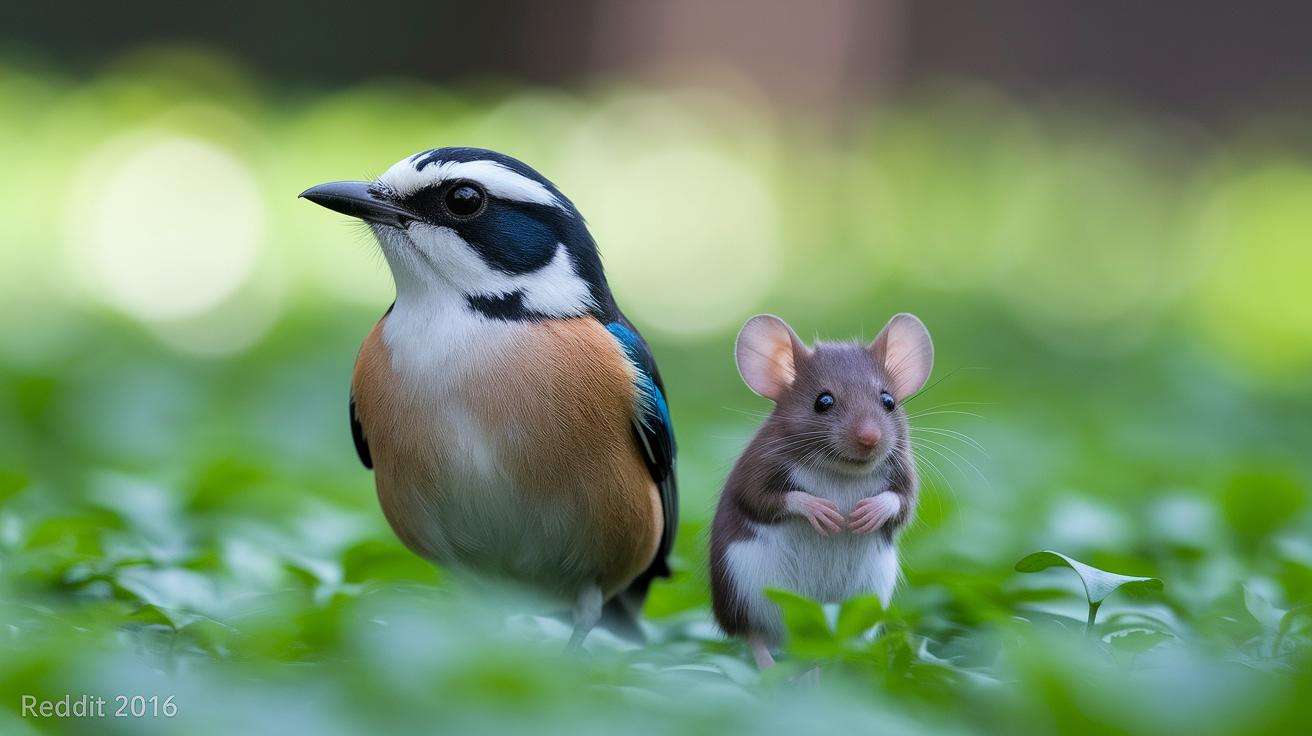
Imagine a creature that's a mix of two different beginnings, cells from separate zygotes joining forces to create one living body. It’s a bit like a patchwork quilt, where each piece comes from a different source, yet together they form something entirely unique. Think of it like a mosaic: one tile might be blue, another yellow, and when they join, they reveal a whole new picture.
The magic starts early, right when the embryo is forming. Scientists take a few cells from different embryos and help them merge. But there's a catch: every embryo is wrapped in a special protective layer called the zona pellucida. This layer acts like a tough bubble around a delicate seed, making it tricky for the cells to mix. To get around this, researchers carefully remove or work around the bubble to let the cells join perfectly.
In a recent study published in Cell, scientists showed that donor embryonic stem cells could successfully mix with a living primate’s own cells. In this experiment, the donor cells joined with the primate’s DNA in a remarkable way. Natural chimerism happens too, in some birds and mice, for example, cells can swap between fraternal twins as they develop.
Here are the key points to remember:
- The early stages of embryonic growth are crucial.
- Scientists guide cells from different embryos to blend together.
- Overcoming challenges like the zona pellucida is essential for a smooth merge.
By combining insights from both natural and lab-created chimerism, researchers are uncovering the fascinating secrets of developmental biology. This blend not only deepens our understanding of life's building blocks but also paves the way for exciting future breakthroughs in medicine.
Natural Chimerism in Animal Species: Wild Examples
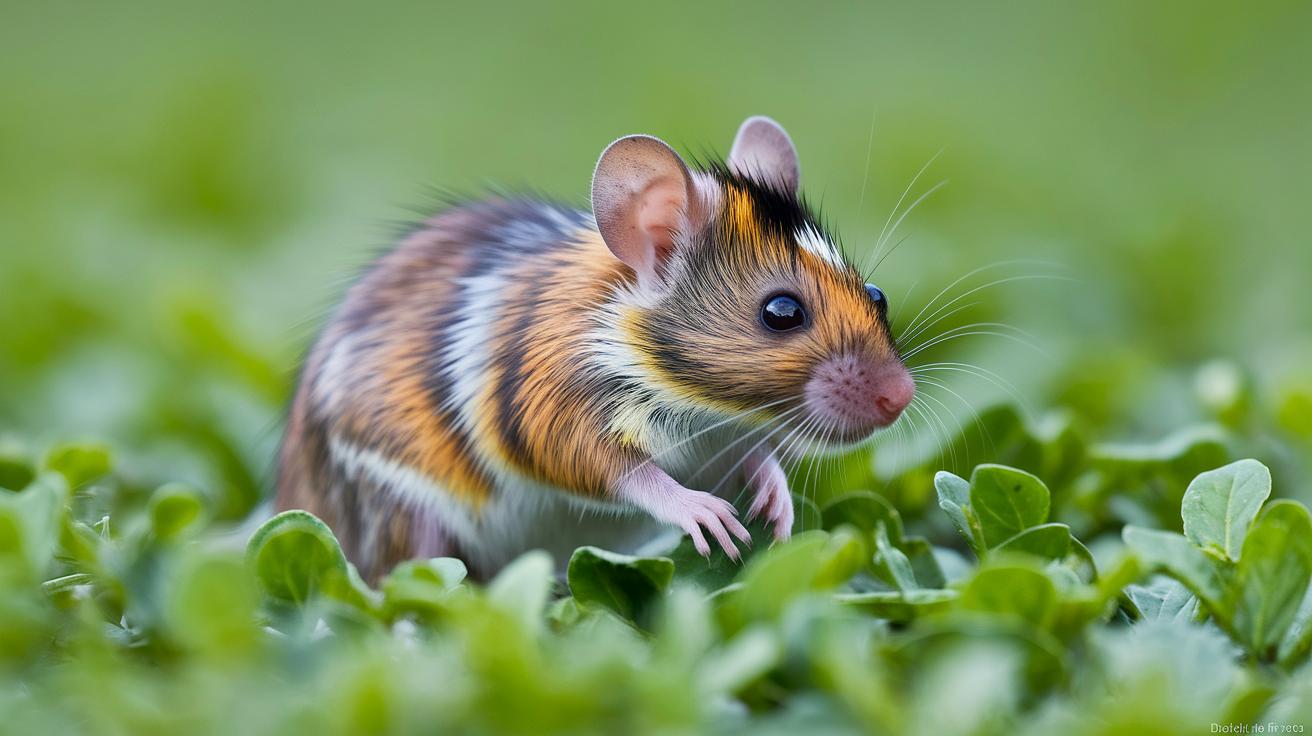
Have you ever marveled at how nature creates its own art? In the wild, cells from different embryos sometimes mingle and mix, forming a living mosaic. For example, in birds, twin siblings can swap cells so that one wing might show one feather pattern while the other wing displays a completely different design. It almost seems as if nature is painting with feathers in real time!
Mice can show this phenomenon too. Imagine a little mouse with patches of fur in contrasting colors, each patch telling a story of cells blending from different siblings. It’s like nature’s way of showcasing its artistic flair, and honestly, it’s pretty amazing.
Even mammals sometimes sport striking, mix-and-match coat patterns thanks to this cell fusion. These natural experiments in genetic blending not only celebrate the amazing diversity of life but also help scientists learn more about how cells work together.
History joins the conversation too. An 18th-century artwork called “Two Composite Elephants” hints at early ideas about composite creatures, showing us that people have been fascinated by nature’s creativity for centuries.
Here’s a quick look at the highlights:
| Example | Description |
|---|---|
| Birds | Twins swapping cells can lead to different feather patterns on each wing. |
| Mice | Blended sibling cells produce fur with striking patches of color. |
| Mammals | Mosaic coat patterns emerge from the mix of cells from different embryos. |
| Historical Art | Artwork like “Two Composite Elephants” reflects early curiosity about composite creatures. |
Isn’t it fascinating how nature mixes things up, literally and figuratively?
Animal Chimeras: Biological Definition and Mechanisms
Animal chimeras happen when cells from two different fertilized eggs mix together during early development. For example, one study showed that donor embryonic stem cells can merge with host primate cells. In other studies with mice, small changes during the embryo stage led to a living creature that carries two different sets of cells.
In labs, scientists use tiny tools to gently change the zona pellucida, the protective layer that normally surrounds an embryo. They carefully remove or adjust this cover with fine glass needles, almost like opening a little door so cells from another source can join in without any harm. This delicate work needs just the right moment so that the cells can come into direct contact.
On a cellular level, this merging is like a quiet conversation between cells. Early on, cells send out chemical signals that guide them to join and form tissues. Even though the final organism has mixed cell types, they all work together to build organized tissues and organs while each set of cells keeps its own unique genetic identity.
Chimeric Animals: Fresh Scientific Findings on Natural Chimerism
New studies show that natural chimerism can boost genetic diversity and help animals fend off sickness. For example, scientists have discovered that some bird twins swap cells while they are still growing. Have you ever noticed one wing looking a bit different? That’s because it carries special genetic clues that might lead to unique immune responses. Some birds even sport two different feather colors on one body, a surprising fact confirmed by modern DNA tests.
In lab studies with mice, researchers found that mixing different cell types causes patchy fur colors. These colorful patches might actually help the animals fight off infections, acting like a built-in defense mechanism when they face challenges in their surroundings.
It’s fascinating to learn that people have noticed these unusual genetic mixes for centuries. Old paintings, including one from the 18th century that shows a composite elephant, hint at early curiosity about these genetic oddities. Today’s research builds on that early interest by using advanced DNA mapping to reveal how these cell mixes affect animals.
- New tests connect cell mixing with a possible boost in disease resistance.
- Modern genetic tools now show detailed patterns of natural cell exchanges.
- Historic artworks provide early evidence that people were once intrigued by natural chimerism.
| Study Subject | Key Finding |
|---|---|
| Birds | Unique wing colors linked to twin cell exchange |
| Mice | Patchy fur may help boost the immune response |
| Historical Records | Early artworks highlight natural genetic oddities |
Creating Lab-Based Animal Chimeras: Experimental Methods
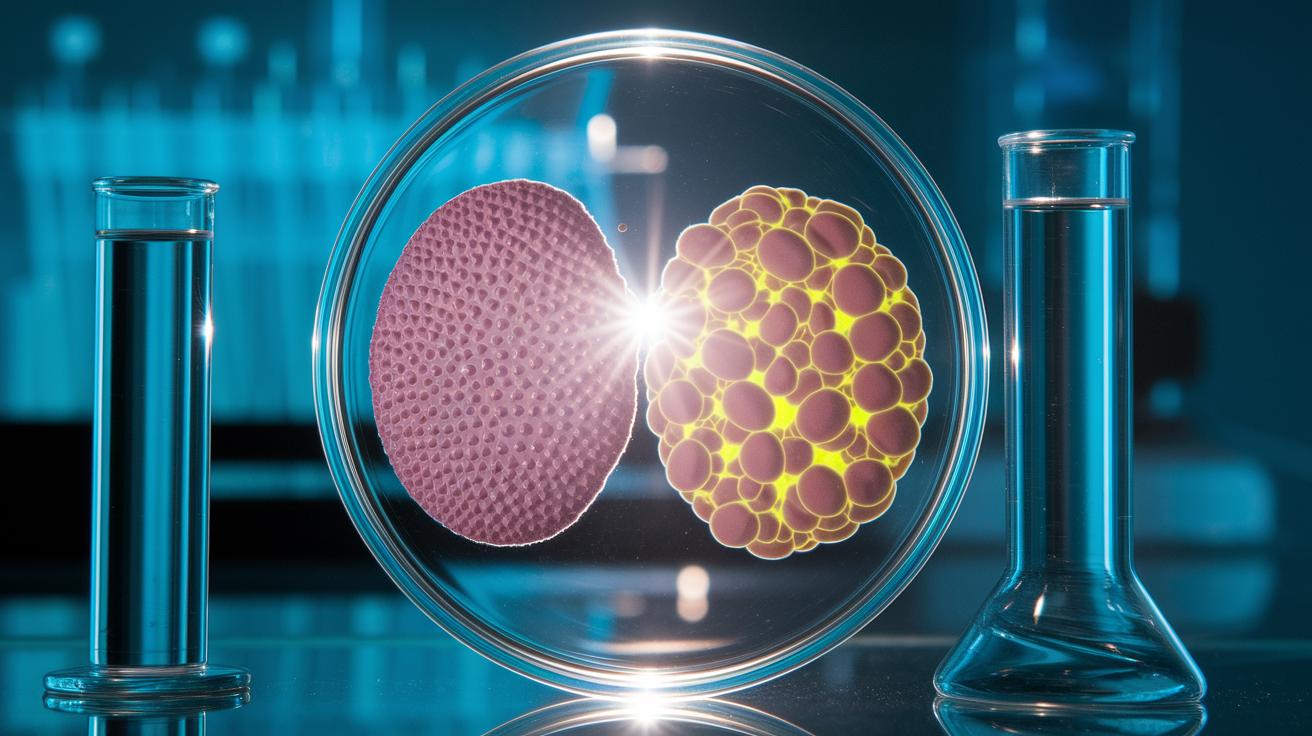
Scientists have come up with some really neat ways to mix cells and create unique animal chimeras in the lab. Back in the day, Mintz showed us that by gently removing the zona pellucida, the thin, protective shell around a mouse embryo, you can let two embryos join together. It’s kind of like gently removing a cover from a warm, bubbling pot to mix two special ingredients.
First, researchers carefully collect stem cells from a donor embryo. These amazing little cells are then added to an early-stage embryo called the blastocyst. This step, known as blastocyst microinjection, is done under a special microscope using tiny, fine tools. Imagine trying to thread a needle while riding your bike, tricky, but oh-so-important.
Next, the modified blastocyst, now with a mix of the new cells, is placed into a surrogate mother. This part of the experiment shows that the developing embryo can actually handle having different kinds of cells. It’s a bit like blending two colors of paint to see a completely new shade appear. This approach forms a transgenic model, meaning the final animal has mixed cell groups from different sources, opening up amazing new possibilities in science.
In the mid-2010s, researchers even took this a step further by mixing human cells with animal embryos to explore ways to grow organs for transplants. Every step, from gathering those precious stem cells and skillfully injecting them to the careful implantation into a surrogate, demonstrates the art and science behind modern developmental biology.
Key steps include:
- Isolating stem cells
- Performing blastocyst microinjection
- Implanting the blended embryo into a surrogate
Animal Chimeras in Medical and Research Applications
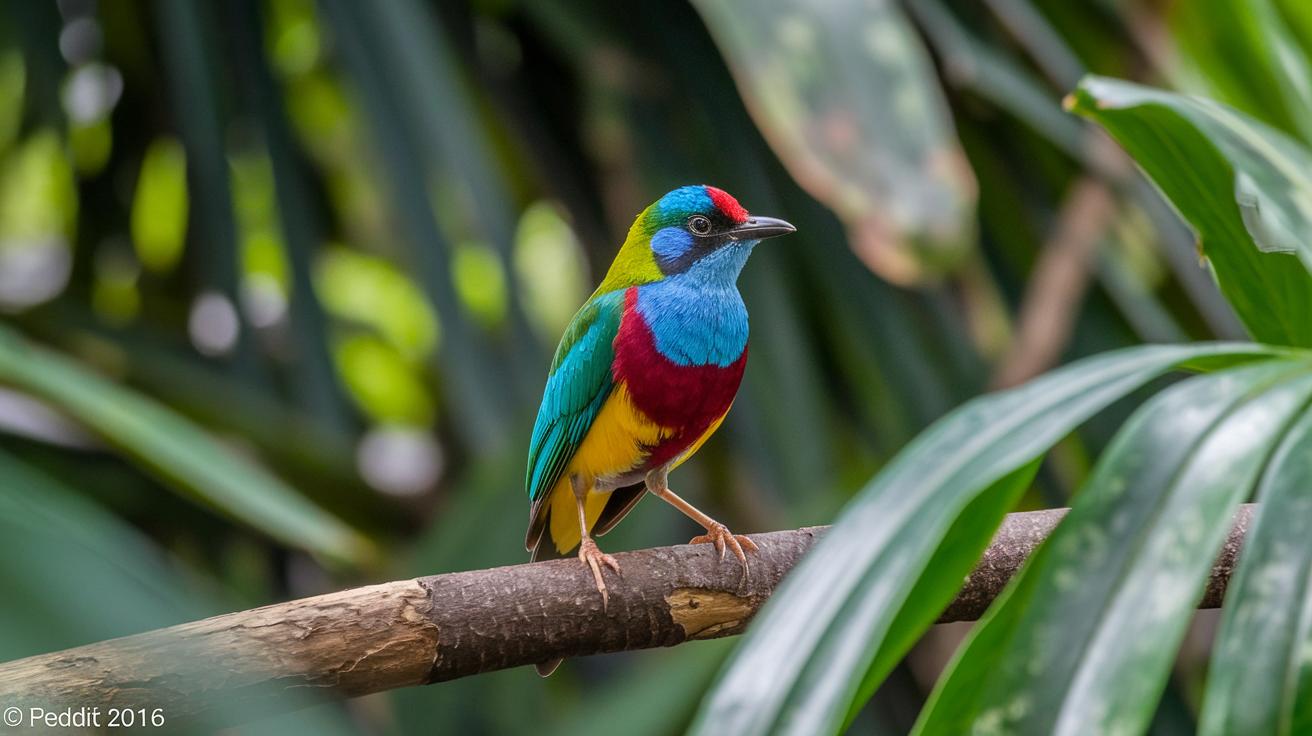
Animal chimeras are changing the game in biomedical research. These unique animals, made up of cells from different sources, help scientists study human diseases and try out new treatments in real-life scenarios. It’s like having a living model where complex human conditions can be recreated in a controlled setting, giving researchers a clearer picture of how illnesses start and what treatments might work.
One exciting study involved primates and showed that it might be possible to grow organs that could be used in transplants. In this research, donor stem cells joined with the host’s cells, sparking ideas about making new organs. Imagine a day when a person’s failing organ could be replaced by one grown in this special way, it’s a breakthrough that could completely change how we think about transplants.
At the same time, this research digs deep into how bodies repair themselves. Scientists look closely at how the mixed cells work together, which might lead to new ways of treating degenerative diseases. News stories often highlight both the promise of this technology and the ongoing ethical debates about mixing human and animal cells. It’s an exciting but careful balance that keeps the conversation lively in the scientific community.
Key points include:
- Using chimeric animals to test medicines and understand diseases.
- The potential for growing functional organs for transplants.
- New insights into how tissues are repaired and regenerated.
Every new discovery adds to our knowledge of how our bodies work, while also challenging us to think about the moral side of these amazing medical innovations.
Regulating Animal Chimeras: Ethical and Legal Considerations
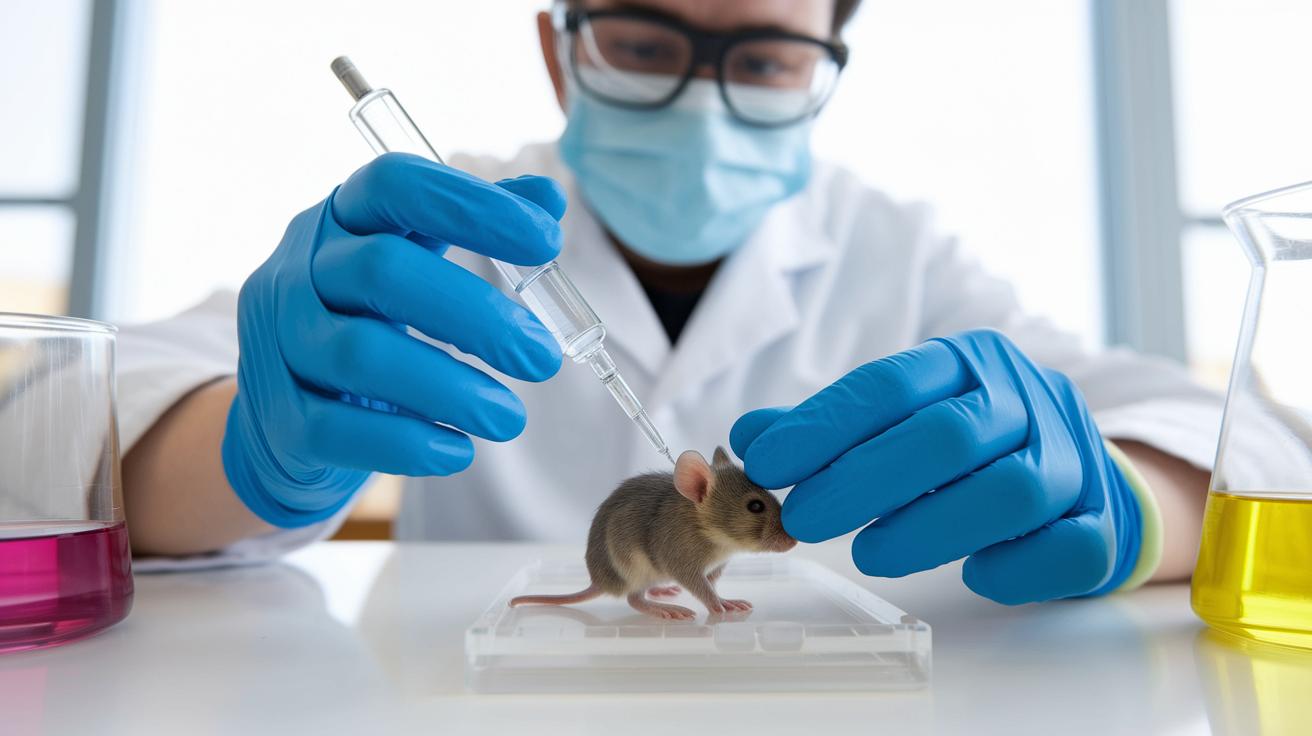
Animal chimeras stir up a lot of tough questions and strong emotions. In Canada, rules from 2007, and similar controls in Europe and America since 2013, make sure scientists follow clear, strict guidelines. When researchers mix human cells with animal embryos, they’re not just doing cool science; they’re also facing big ethical challenges that touch on physical, mental, and even moral aspects.
Every experiment goes through careful review by an institutional committee, which checks every detail, from how long embryos are grown to exactly how experiments are set up. It’s a bit like having safety rails when you’re climbing a tall tree: you know you’re supported every step of the way, and everyone can feel better about the journey. This oversight helps sort out any deep moral questions that scientists and the public might have.
Key points to think about:
| Consideration | Description |
|---|---|
| Ethical Dilemma | Balancing the mix of human and animal cells with respect for both. |
| Legal Rules | Following strict laws set by recent legislation across nations. |
| Innovation vs. Responsibility | Encouraging new scientific ideas while making sure society is protected. |
| Controversial Debates | Engaging with heated discussions on what’s acceptable in this field. |
These guidelines help scientists push the boundaries of research in a careful, thoughtful way. By keeping a close eye on every step, they work to ensure that the advances in science are made with care for both society and the living beings involved.
Chimeric animals Spark Exciting Scientific Wonders
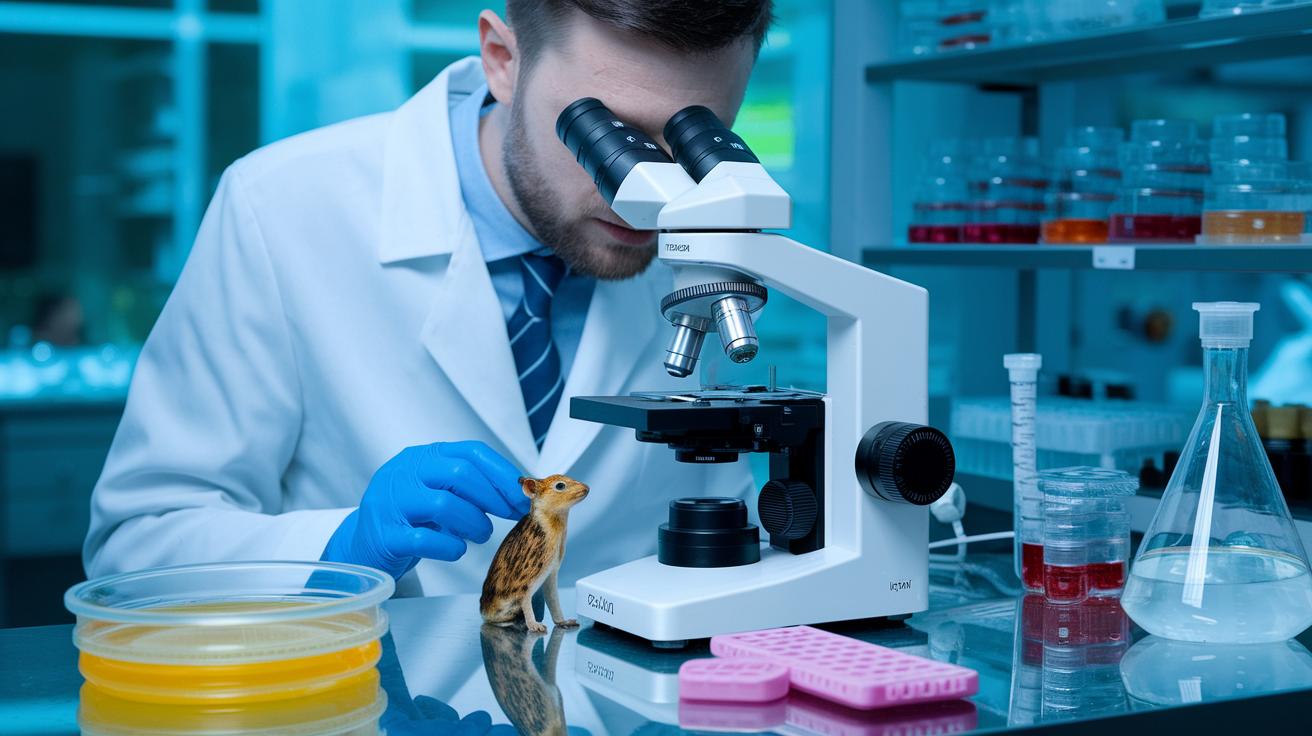
Recent advances in genome-editing, like CRISPR, are opening up an exciting new world in chimera research. Think of it as a way to carefully blend cells from two different animals, creating a mix that scientists hope will be more predictable than ever before. Imagine being able to design an animal with just the right mix of qualities, almost like choosing your pet’s favorite traits!
Researchers are rethinking how experiments are done by mixing innovative techniques with new strategies. Sure, challenges like immune rejection, where the animal’s body fights off new cells, and keeping track of where each cell goes still cause headaches. One idea is to fine-tune the environment where transplanted cells live, while better tracking methods might help us see exactly how cells do their work as the creature grows.
Looking forward, many believe that chimera science will lead to amazing breakthroughs, making it possible to learn more about how cells behave and even opening doors to new kinds of research. Of course, public views and ethical questions will keep us busy, meaning scientists, pet owners, and animal lovers will all need to work together. It’s an adventurous path where high-tech meets heart, all in the spirit of better understanding life.
Final Words
In the action, we explored how nature and science meet through animal cell merging, from natural surprises in wildlife to innovative lab techniques tested in research. The article shows clear examples of natural chimeras and lab-based breakthroughs, along with ethics and future challenges. It reminds us that even when science faces complexities, progress often brings fresh hope. Chimeric animals inspire us to think bigger about research and care, leaving us excited for the next chapter in this fascinating field.
FAQ
Q: Can humans be chimeric or have human-animal hybrids ever occurred?
A: The evidence indicates that while natural human chimerism can occur when cells from different embryos mix, true human-animal hybrids have only been produced experimentally under very strict guidelines and are not naturally found.
Q: What does human-animal chimera research involve?
A: The research on human-animal chimeras involves inserting human stem cells into animal embryos to explore disease models and the potential for growing transplantable organs, all under strict ethical and legal oversight.
Q: How do pictures of human chimeras appear?
A: The pictures of human chimeras typically show individuals with noticeably varying skin colors or facial features, reflecting the mosaic of cells derived from more than one genetic source.
Q: What is chimera mythology and what defines a chimeric creature?
A: Chimera mythology portrays creatures with mixed animal parts, while scientifically a chimeric creature is an organism composed of cells from different zygotes, resulting in a blend of distinct biological traits.
Q: What are examples of animal chimeras?
A: Animal chimeras include naturally occurring instances in birds and mice, and cases where animals exhibit mosaic coat patterns, resulting from the merging of cells from separate zygotes in both natural and lab settings.
Q: What was the first human-animal hybrid?
A: The first human-animal hybrid occurred in a controlled lab experiment where human cells were introduced into an animal embryo to advance research, marking a key step in blending genetic materials under strict conditions.
Q: What are the disadvantages and legal challenges of human-animal chimeras?
A: The disadvantages and legal challenges include ethical dilemmas, potential biological risks, and strict regulatory limits designed to prevent experiments that blur species boundaries beyond acceptable norms.