



Have you ever been curious why some animals choose partners of the same gender? It turns out that more than one in ten species shows this behavior, which really shakes up our old ideas about survival and having babies. Researchers have discovered that same-sex pairings happen with everything from tiny insects to our fluffy, cuddly mammals. It’s like nature is showing us that friendship and love can come in many different ways.
When we watch these animals closely, we see that these special bonds can actually help groups stick together and even thrive. Imagine the soft flutter of a butterfly’s wings or the gentle purr of a kitten as they nudge each other for comfort, it reminds us that all creatures have their own way of connecting. This quirky twist in evolution might even help us rethink how we view our own relationships.
Prevalence and Biological Significance of Homosexuality in Animals

Did you know that more than one in ten animal species show same-sex behavior? Recent studies have found that animals all over the world, whether tiny insects or furry mammals, sometimes choose the same gender as their partner. It’s a surprising twist that makes you take a closer look at nature’s full range of relationships.
Especially among mammals, these behaviors pop up more than we once thought. This new evidence even challenges old ideas from Darwin’s time, when it was believed that acts without a direct role in reproduction could hurt an animal’s chances to survive. Instead, these same-sex interactions seem to help strengthen friendships and social bonds, making group life a little smoother.
When you see animals teaming up in unique ways, it shifts how we view their social lives. Imagine a group of friends coming together, easing conflicts, and even sharing parenting tasks. These natural actions might help animals feel safer and more connected. Rather than looking like a strange exception, same-sex partnership appears to be one more brilliant way nature brings creatures together.
Same-Sex Behavior Across Major Animal Groups

Across the animal world, same-sex behavior is something we can really notice. In birds, mammals, reptiles, amphibians, and even insects, you’ll see gestures like courtship, playful mounting, close pair bonding, and even some genital stimulation. Scientists have observed seabirds teaming up to build nests, bonobos and domestic sheep joining in mounting rituals, and even reptiles and amphibians showing their own unique mating dances. It’s a clear sign that these same-sex interactions are simply a natural part of life for many species.
| Group | Representative Species | Observed Behavior | Note on Frequency |
|---|---|---|---|
| Mammals | Bonobos | Strong pair bonds and mounting rituals | Seen often in many groups |
| Birds | Seabirds | Teamwork in nest building and shared incubation | Common in several colonies |
| Reptiles | Green Iguanas | Courtship displays between same sexes | Noted in controlled studies |
| Amphibians | Frogs | Unique mating calls and behaviors | Less frequent, but they do appear |
| Insects | Fruit Flies | Same-sex courtship and mounting | Reported from lab observations |
Animal sexual diversity goes beyond just making babies. These interactions also help build social bonds and show a rich mix of behaviors among animals. They remind us that nature is full of surprises, often challenging what we think we know and opening our eyes to new ways that animals connect with each other. Isn't it amazing how these behaviors weave into the very fabric of animal society?
Prevalence and Biological Significance of Homosexuality in Animals
A surprising 2024 online survey by top science experts shows that more than one in ten animal species display same-sex behavior. This remarkable fact really turns our common ideas about natural mating upside down.
It seems Darwin’s old belief, that behaviors not directly tied to making babies would vanish over time, might not tell the whole story. Instead, same-sex behavior among mammals is now seen as something that adds social perks rather than endangering reproduction.
New, detailed survey methods and careful observations (including notes made on August 9 and 10, 2025) have given us a fresh look at how animal societies work. Researchers found that same-gender pairings can help lower tensions, boost cooperation, and strengthen the bonds within groups. They think this behavior likely comes from a mix of genes, hormones, and social influences, widening our understanding of nature’s social connections.
Same-Sex Behavior Across Major Animal Groups
Have you ever noticed how animals sometimes share moments of bonding that remind us of warm, friendly gestures? Researchers have found that same-sex behaviors, like playful courtship, affectionate mounting, or gentle pair bonding, often help animals relax and stay connected. It’s almost as if these moments whisper, "We're here for each other," easing stress and building trust within the group.
| Group | Representative Species | Observed Behavior | Note on Frequency |
|---|---|---|---|
| Mammals | Bonobos | Mounting rituals and stable pair bonds | Common in group settings |
| Birds | Seabirds | Same-sex courtship and nest building | Regularly observed |
| Reptiles | Green Iguanas | Courtship displays | Seen in controlled studies |
| Amphibians | Frogs | Unusual mating calls | Less frequent but identifiable |
| Insects | Fruit Flies | Same-sex courtship and mounting | Documented in lab settings |
All in all, these heartwarming behaviors show us a real spectrum of social strategies in the animal kingdom. As more research comes to light, we’re learning that such interactions not only soothe tension but also knit the group closer together, celebrating the natural depth and diversity of animal friendships.
Evolutionary and Genetic Foundations of Animal Homosexuality
Research shows that the genes animals inherit might gently guide who they feel drawn to. Even before they're born, a little mix of hormones like androgen and estrogen could set the stage for later attractions in fish, mammals, and more, like a quiet nudge that hints at the many ways animals can love.
These same-sex bonds do more than just warm the heart; they help animals get along better by lowering tensions and keeping groups calm. Think of it like a friendly pat on the back during a stressful day, a simple gesture that builds stronger, more caring communities and reduces conflicts.
Over time, nature might have favored these subtle genetic and hormonal influences because they boost the well-being of the whole group, even if they don't directly lead to new offspring. When creatures share these warm, bonding moments, they cut down on stress and create a supportive network that can make all the difference when times get tough. In this way, nature seems to be saying that beyond just mating, forming deep social connections is a smart way to help everyone thrive together.
Case Studies: Bonobos, Penguins, and Dolphins

Bonobo Social Bonds
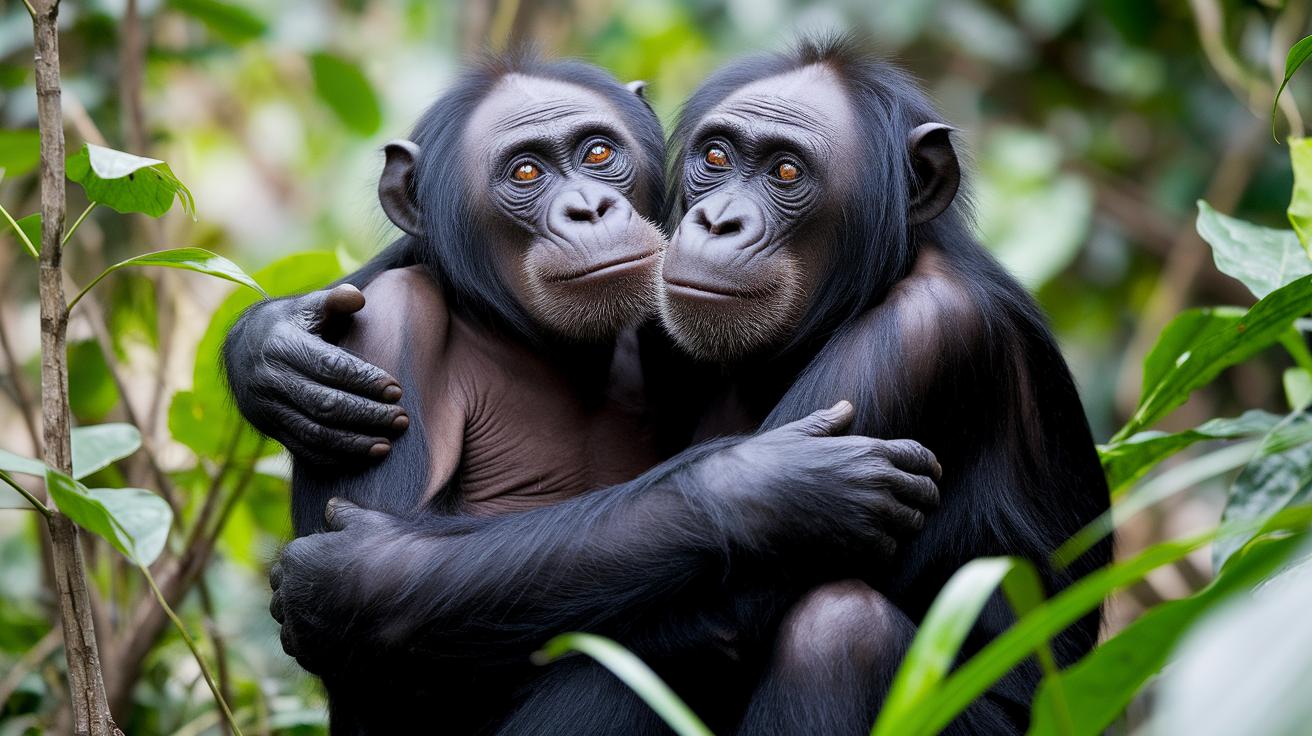
Bonobos are all about keeping things friendly. They use same-sex interactions, whether between two males or two females, to calm tensions within their groups. You might see them playfully mounting or sharing gentle touches that work like a soothing hug. These sweet moments not only keep disagreements at bay but also build a strong network of friends, showing that care and connection can be just as important as having babies.
Penguin Pairing Patterns
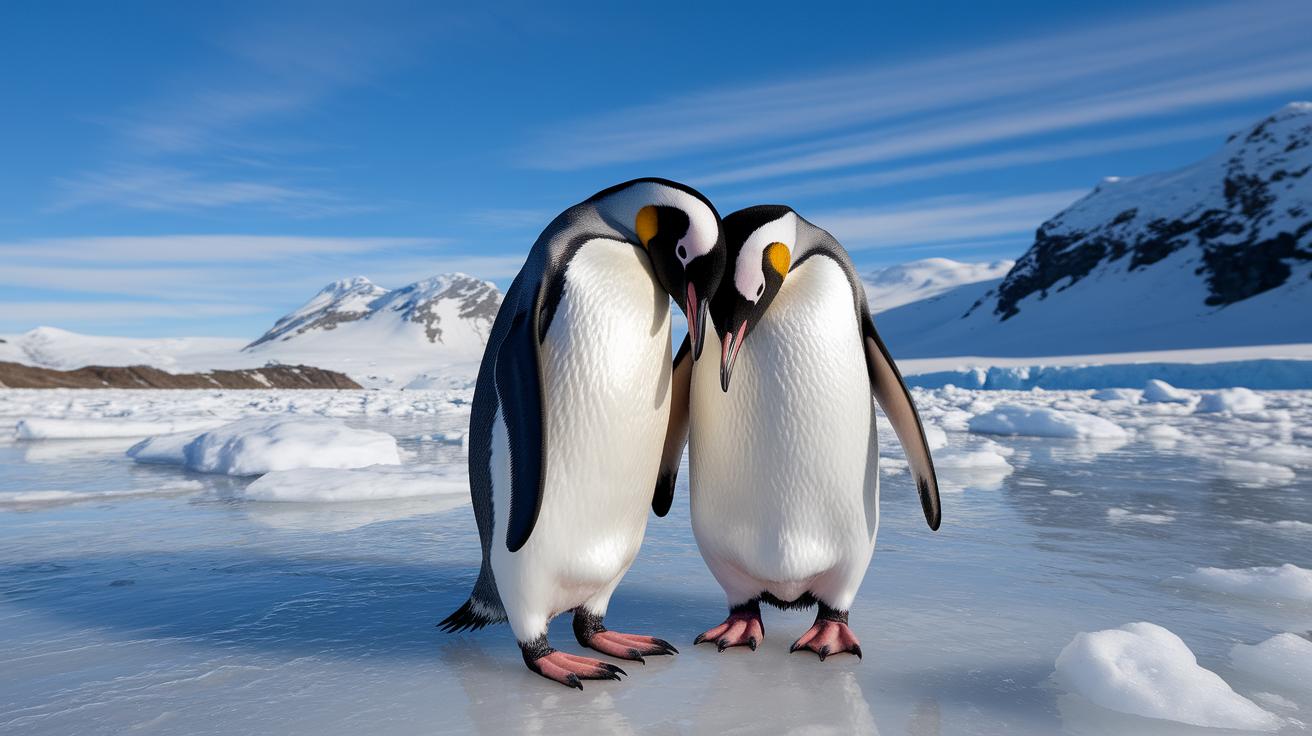
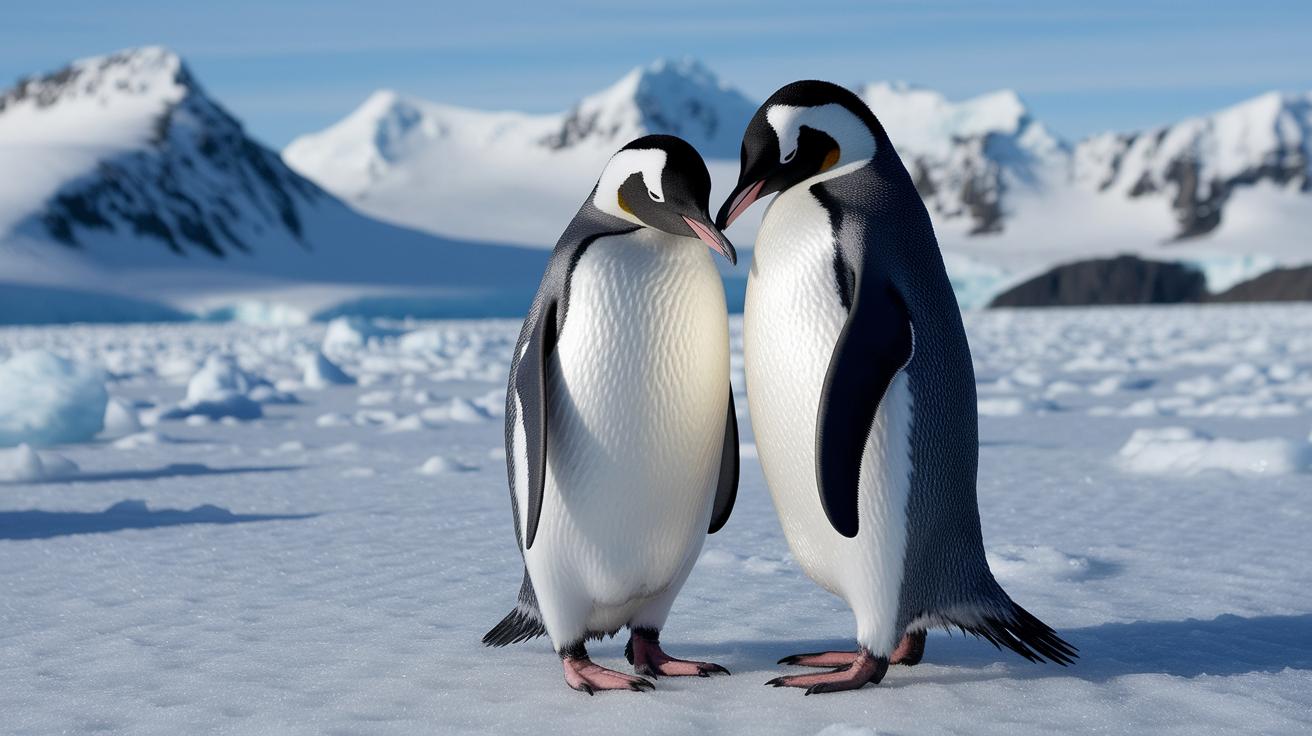
In several zoos, Emperor and King penguins have surprised us by forming same-sex pairs that even help incubate eggs. Imagine watching two penguins work together side-by-side, building a nest and sharing the warmth needed to hatch their little ones. Their teamwork is a delightful reminder that love and care come in many forms, a story of nurturing that goes beyond the usual idea of mating, and it surely warms the heart.
Dolphin Same-Sex Affiliations
Bottlenose dolphins often form long-lasting bonds with members of the same sex, complete with close, affectionate touches and even playful genital stimulation. These tender interactions help dolphins feel safe and supported, smoothing over conflicts and strengthening their group. It's a bit like watching dear friends lean on each other during challenging times, building trust and shared happiness within their pod.
Debates, Misconceptions, and Historical Perspectives

Back in the day, in the 19th and 20th centuries, many researchers and naturalists thought any behavior that wasn’t directly about making babies was just a weird glitch in nature. People even believed, like Darwin once hinted, that if a behavior didn’t lead to reproduction, it would simply disappear over time. This idea made it easy to brush off same-gender actions among animals as just odd little mistakes.
But modern research has completely flipped that old thinking. Today’s studies show that homosexual behavior in animals isn’t a fluke or something extra, it’s a vibrant part of how many species interact. In fact, scientists have noticed that these actions help build strong bonds in animal communities and even ease stress. It’s kind of like how a gentle nuzzle or a playful chase can lighten up a pet’s day, challenging myths that we once took for granted.
As new discoveries continue to come out, both scientists and everyday animal lovers are rethinking what we know about animal behavior. Now, same-gender interactions are seen as a natural part of life that not only helps keep social groups stable but also adds to the wonderful balance of nature. Isn’t it amazing how learning more about our animal friends can inspire us to embrace all the beautiful varieties of life?
Ecological and Social Impacts of Homosexual Pairing in Wildlife
Same-sex pairings in the wild often go beyond just a friendly bond. These partnerships help animals work together, sharing resources and easing tensions during tough times. For example, in some bird colonies, pairs that don’t reproduce can actually boost baby bird survival by around 15% during stressful conditions, thanks to sharper strategies for sharing food and shelter.
- They help improve group success by allowing animals to divide up important tasks like feeding and watching over the young.
- They raise survival rates during hard times when food or shelter is scarce.
- They cut down on fights, so everyone can use their energy to look after the group and defend their home.
- They sharpen the whole group’s ability to handle resources, leading to smarter ways of protecting their territory.
In short, these bonds let animals focus their energy on caring for their young and keeping their community safe when nature throws a curveball.
Future Directions and Research Methodologies in Animal Sexual Diversity
New tools are opening up fresh ways to explore how animals form their unique, and sometimes surprising, love bonds. Researchers are now using techniques like gene sequencing (which helps us look at an animal’s DNA) and hormone tests (that show changes in body chemistry) to understand the little signals behind these connections. They’re pairing these with methods like GPS tracking and long-term outdoor watching to see how natural pairings play out over time.
Next, scientists are blending ideas from different fields, like how animals behave, their genes, their hormones, and even their social circles, to get a clearer picture of mating diversity. Think of it as putting together a big puzzle where every piece tells its own story.
Finally, by studying a wide range of animals, from furry mammals to chirpy birds, scaly reptiles, and even tiny insects, we hope to learn if these love behaviors are common or if they’re special to certain groups. Each discovery brings us a step closer to understanding the many ways animals share their lives.
Final Words
In the action, we explored groundbreaking data showing that more than 10% of animal species display same-sex behaviors. This sheds light on unexpected patterns across various species.
We also examined how modern findings challenge old evolutionary views and reveal surprising social benefits. The discussion of homosexuality in animals opens doors to fresh research and a kinder perspective on nature. These insights leave our hearts hopeful for more discoveries ahead.