


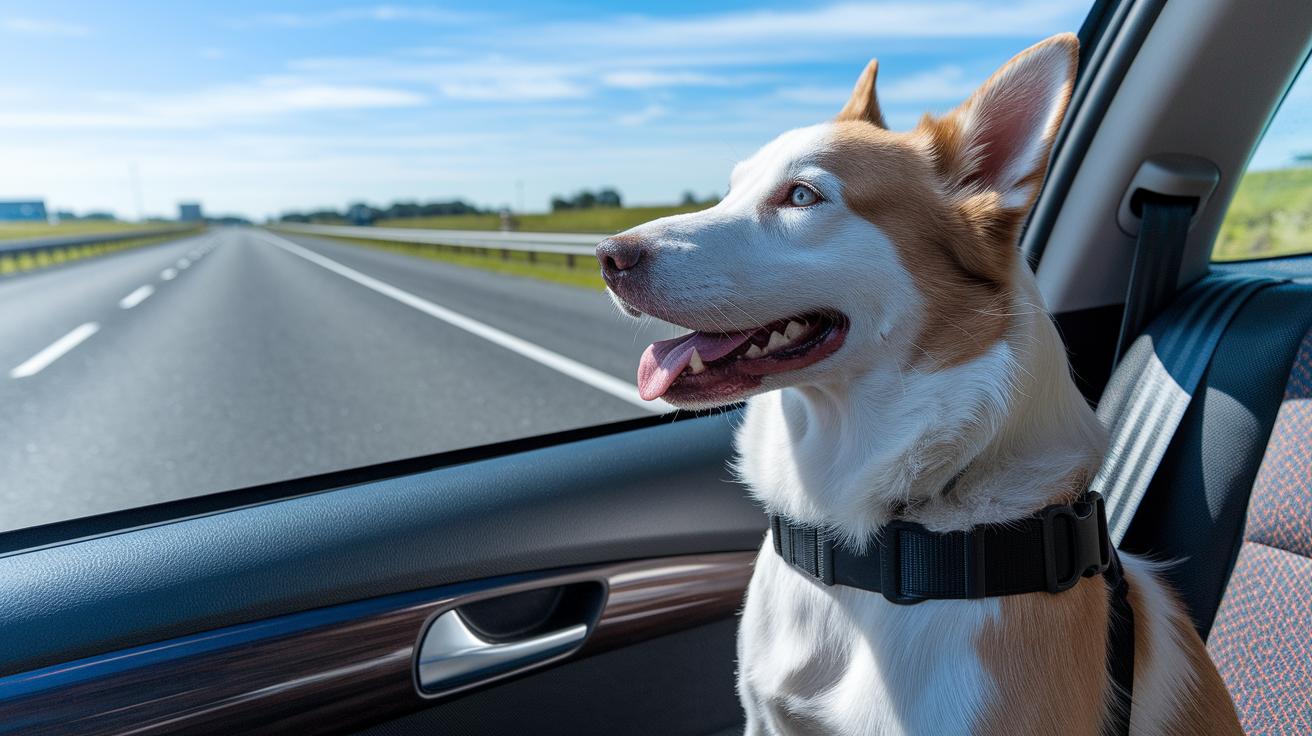
Have you ever thought that forgetting one little piece of paperwork could make your pet's trip a real headache? Getting all your pet’s records in order can make travel a breeze for everyone. Imagine spending a fun day out with your furry friend, breezing through border checks, and flying safely no matter the weather. In this guide, we walk you through everything you need, from a health certificate to a record of your pet’s rabies shot, using easy, step-by-step tips. Let’s team up to keep your pet’s journey safe and simple from start to finish.
Key Travel Requirements for Pets at a Glance
Planning a fun trip with your furry friend is a breeze when you have all your documents ready. Before you set off, make sure you’ve got a recent veterinary health certificate. This shows your pet is in good shape and free of contagious illnesses. Always bring along clear proof of your pet’s current rabies shot, it covers both your pet’s safety and the rules at many borders. For instance, check that the certificate clearly displays the vaccination date and the vaccine’s batch number.
Don’t forget about other important paperwork, like the microchip certificate that proves your pet’s identity and any necessary import permits. And if your pet is flying in cargo when it’s really chilly (below 45°F), be sure to pack an acclimation certificate. This extra document helps keep your pet safe in colder weather.
It’s always a smart idea to check with your airline or border officials well before you travel. That little extra step can save you from surprises like quarantine or even having to turn back your pet. Here’s a quick checklist of the key documents you should have on hand:
- Veterinary health certificate
- Rabies vaccination proof
- Microchip certificate
- Import permits (if required)
- Acclimation certificate for cargo flights in cold weather
| Document | Purpose |
|---|---|
| Health Certificate | Shows your pet’s current health |
| Rabies Vaccination Proof | Confirms your pet meets vaccination rules |
Domestic Travel Requirements for Pets Within the U.S.

Many states ask for a Certificate of Veterinary Inspection (CVI) to show that your furry friend is healthy and free from contagious bugs. This simple health certificate, filled out by a caring vet, confirms that your pet’s rabies shot is current. Sometimes, they'll even check for heartworm signs and offer a little medicine to keep your pet safe. You might hear something like, "Your pet might need an extra shot before hopping on a train."
Every state has its own set of rules. Some may require extra tests or shots if your pet is crossing certain borders. That’s why it's a smart move to chat with your vet about any extra screenings needed during the CVI process. This not only keeps your pet in tip-top shape but also helps you avoid any travel hiccups.
Before you hit the road with your pet, double-check with your state officials or your veterinarian to be sure you have all the right documents. I like to follow a few simple steps:
| Step | Action |
|---|---|
| 1 | Schedule a vet visit at least 10 days before you travel. |
| 2 | Make sure vaccinations, especially rabies, are up to date. |
| 3 | Ask if any extra tests are needed for your state. |
| 4 | Confirm that your pet is free of contagious diseases. |
These vet travel inspections aren’t just about paperwork, they help keep your pet safe and make sure your trip goes off without a hitch. Think of it like preparing for a school field trip, where you double-check that every permission slip is signed and every snack is packed. Taking these steps gives you that warm feeling of reassurance, knowing both you and your pet are all set for a fun journey.
Pet Travel Health Certificate and Vaccination Requirements
A pet’s health certificate is like a friendly note from your vet saying your furry friend is healthy, up-to-date on rabies shots, and free of heartworm. Imagine your vet as a pilot doing one last safety check before takeoff.
Set up a visit with your vet to go over your pet’s vaccine records and general health. They’ll make sure everything is in order, from shots to a heartworm check, and might even give your pet a tick or flea treatment if needed. If your pet is flying in cargo and might face chilly temperatures (below 45°F), ask if they can provide a special acclimation certificate. You’ll want the detailed certificate that meets airline and border rules.
Your vet might say, "This paperwork is like double-checking your boarding passes for a smooth flight." Isn't it nice to know every step is taken care of for your pet’s safe journey?
USDA and APHIS Documentation Procedures for Pet Travel

Planning an interstate or international adventure with your furry friend? One of the most important steps is making sure you secure all the right documents from USDA and APHIS. Think of these papers as your pet’s boarding pass, they show that every health check and shot is in order so your pet can travel safely.
Usually, your journey starts with filling out APHIS Form 7001 (or its equivalent), which you can grab at local APHIS offices or complete online. Once you submit the form, a government official reviews your pet’s health and vaccination records, ensuring everything meets the travel requirements. I once chatted with a pet owner who said, “Filling out the form online was super simple, and getting the endorsement made our international trip so stress-free!”
Here are a few easy steps to follow:
- Make sure all vaccination records are updated and detailed on your pet’s certificate.
- Fill out the APHIS Form 7001 accurately, double-checking that nothing is left out.
- Submit your paperwork either in person at your local APHIS office or via their online portal.
- Wait for the official endorsement that confirms your pet is cleared for travel.
| Document | Description |
|---|---|
| Health Certificate | Shows that your pet is free from contagious illnesses |
| Rabies Certificate | Confirms that your pet’s rabies shot is current |
Once you receive the official stamp of approval, you can relax knowing that you’ve met all USDA and APHIS requirements. This essential step lets you travel with your best buddy safely and with peace of mind.
Airline Carrier Requirements for Pet Travel
Airlines set special rules to keep your furry friend safe and comfortable during flights. Each airline has its own requirements for pet carriers, whether your pet is traveling in the cabin or in cargo. If you plan to fly with a small pet in the cabin, you'll need an approved carrier that fits neatly under the seat and proper pet documentation. For example, your vet might remind you, “Make sure your carrier meets the size limits so your pet can travel easily.”
Cats and small dogs usually travel in the cabin, while bigger pets must use an airline-certified crate. These crates are made tough to handle the bumps and jolts of a flight, ensuring your pet has enough room to snugly rest. And if you’re shipping your pet as cargo, especially when it’s chilly below 45°F, you might need an acclimation certificate to show your pet can cope with cooler weather.
Service animals have their own set of rules, including special documentation. Airlines might ask for reservations in advance and could charge extra fees for service animals. Always double-check the specific rules for your airline before booking, so you’re not caught off guard at the airport.
It really pays to plan ahead. Review all the requirements and crate specifications well in advance. Taking the time to prepare ensures a smooth trip that leaves you and your pet feeling relaxed from start to finish.
International Travel Requirements for Pets: Entry, Permits, and Quarantine

When you're planning an overseas adventure with your furry friend, the first step is to get a full pet passport. Think of it like a special travel card loaded with your pet's health records, all proof of up-to-date rabies vaccinations, and even details from their microchip. Your vet might even say it works like a magic key, opening every door at the border.
Every country you visit insists on a fresh rabies shot for your pet. Old vaccines just won't cut it because of the real risks out there. Some places even ask for a quick blood test, called a titer test, to make sure that shot is working well. Have you ever felt that huge sigh of relief when you finally saw all your pet’s test results coming back perfect?
Don’t forget about import permits, too! These are like official permission slips that let your pet enter another country. Usually, your local vet needs to double-check your pet’s health and rabies records before these permits get stamped and approved. Missing even one detail, be it an outdated document or a missing signature, could mean quarantine, a forced journey back home, or worse. Not exactly the kind of surprise any pet parent wants!
Key documents you must gather include:
- Pet passport with complete health records
- Up-to-date rabies vaccination certificate and titer test results
- Microchip certificate for pet identification
- Official import permits endorsed by your local vet
It’s always a smart move to check the pet travel rules for each country well in advance. Every destination might have its own little quirks about entry or quarantine that could change your travel plans. Taking care of these details early not only keeps you on the right side of international pet travel laws but also gives you extra peace of mind knowing your beloved companion is set for a safe journey.
Travel requirements for pets: Quick pre-departure checklist
Before you set off, take a moment to glance back at your earlier notes to ensure you’ve covered all your bases.
- Schedule a vet visit about 7–10 days before you leave, think of it as a quick warm-up for your pet before their journey.
- Double-check that all vaccinations are current and secure the right health certificate.
- Let your pet get familiar with the travel crate by gradually introducing them to it.
- Arrange treatments to protect against fleas, ticks, and heartworms so your buddy stays safe.
- Plan a bathroom break setup, like a small portable litter box or a patch of astroturf, for when the need arises.
- Reach out to airlines or border agents roughly 30 days ahead to catch any travel-specific details.
Final Words
In the action of planning pet trips, this guide breaks down what you need, from health certificates to vaccination proof, making each step clear and manageable. We looked at key documents, state-specific standards, and airline rules, all tied together with a handy checklist. A focus on travel requirements for pets means you're better equipped for smooth journeys whether flying domestically or internationally. Every step helps keep your pet safe and happy, making travel a shared, stress-free delight.
FAQ
International travel requirements for pets
The international travel requirements for pets involve obtaining a pet passport with a recent health certificate, proof of rabies vaccination, microchip details, import permits, and any necessary rabies titer tests, all endorsed by a licensed veterinarian.
Where to get a health certificate for pet travel
The health certificate for pet travel is obtained from your licensed veterinarian, who conducts a health examination to confirm your pet’s vaccination status and overall fitness for travel within the required timeframe before departure.
How to travel with a dog by plane
The process to travel with a dog by plane requires a valid health certificate, up-to-date vaccination records, confirmation of airline-specific regulations, and using an airline-approved carrier crate that meets the designated size and safety standards.
Domestic travel requirements for pets
The domestic travel requirements for pets include a Certificate of Veterinary Inspection issued by a licensed vet verifying health and rabies vaccinations, along with meeting any additional state-specific health and vaccination screenings for safe interstate travel.
USDA pet travel requirements
The USDA pet travel requirements entail having your pet’s health and rabies certificates endorsed by USDA APHIS, completing necessary forms, and following federal guidelines to comply with regulations during interstate and international animal transport.
Health certificate for pet travel PDF
The health certificate for pet travel PDF is a digital or printable version of the official document your veterinarian provides, confirming your pet’s recent health status, vaccinations, and overall ability to travel as required by airlines or authorities.
Pet health certificate for international travel
The pet health certificate for international travel certifies your pet’s health by confirming recent vaccinations and tests, forming part of the pet passport needed to meet foreign entry requirements and to minimize quarantine risks overseas.
USDA pet travel certificate
The USDA pet travel certificate is an endorsement document verifying your pet’s health and rabies vaccination status as per USDA APHIS guidelines, which facilitates compliance with federal live-animal transport regulations during travel.
What is required to travel with a pet?
Traveling with a pet requires acquiring a current health certificate, proof of rabies vaccination, any necessary import or travel permits, and adherence to specific airline or border policies to prevent quarantine or other travel issues.
What are the new rules for flying with pets?
The new rules for flying with pets involve updated health certificates, strict airline-approved carrier requirements, temperature-based acclimation documentation for cargo, and clear guidelines for service animals—ensuring all documentation meets current travel standards.
What are the TSA rules for pets?
The TSA rules for pets call for complying with security screening procedures while keeping proper documentation, using approved carriers, and following guidelines for in-cabin or cargo travel, all aimed at ensuring a safe and smooth travel experience.
What do I need to travel with my pet on an airplane?
To travel with your pet on an airplane, you need a recent health certificate, valid vaccination proof, an airline-approved pet carrier, and any extra documentation for international or cargo travel, along with confirmation of the airline’s specific pet policies.