


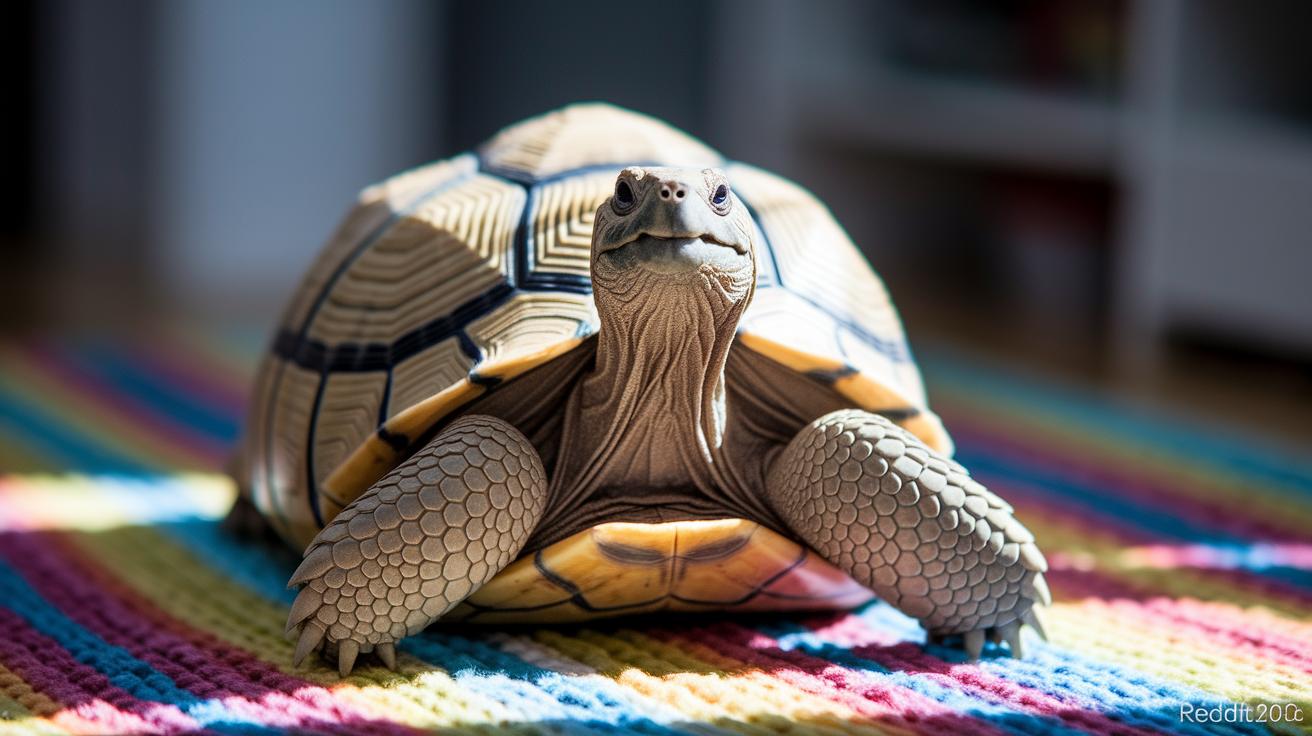
Have you ever thought about inviting a slow, gentle friend into your home? Tortoises move at their own relaxed pace and bring a special kind of calm that many pet lovers appreciate.
There's a perfect tortoise for almost every family, whether you’re just starting out with the friendly Mediterranean spur-thighed or looking for a bit more experience with the larger African spur-thighed. Imagine the soft, steady tap of little feet and a bond that grows every day. Read on to see how these easy-going companions can fill your life with years of heartfelt friendship and quiet joy.
Tortoise Pet Breeds: Cheerful Home Companions
Tortoises make for charming little buddies with their easygoing and inquisitive nature. If you're ready for a companion that might just be with you for many years, a pet tortoise could be the perfect match. There are lots of different species out there, so it's important to pick one that suits your lifestyle and your ability to care for their unique needs.
For example, the Mediterranean spur-thighed tortoise (Testudo graeca) is a great choice if you're new to tortoise care. It’s pretty straightforward to look after if you set up a cozy space for it. On the flip side, the African spur-thighed tortoise (Geochelone sulcata) can grow up to 36 inches and usually calls for a more experienced keeper. Every breed has its own mix of size and personality, giving you plenty of options to find the one that feels just right.
Here's a quick guide to the top nine breeds with care-level notes:
- Mediterranean spur-thighed (Testudo graeca) – great for beginners.
- Leopard tortoise (Stigmochelys pardalis) – moderate size with striking markings.
- Red-footed tortoise (Chelonoidis carbonaria) – engaging personality with unique markings.
- Indian star tortoise (Geochelone elegans) – beautiful patterns that need a carefully arranged habitat.
- African spur-thighed (Geochelone sulcata) – large and best suited for experienced tortoise lovers.
- Marginated tortoise (Testudo marginata) – offers a manageable size.
- Hermann’s tortoise (Testudo hermanni) – a wonderful fit for smaller enclosures.
- Russian tortoise (Testudo horsfieldii) – perfect for indoor living.
- Egyptian tortoise – ideal for snug home habitats.
These species are known for being gentle and easygoing, making them a real joy to have around in any pet-friendly home. Enjoy getting to know your new, slow-paced friend!
Ideal Small and Dwarf Tortoise Pet Breeds

Small tortoises are such charming companions, especially if you’re short on space. They really do well in a snug indoor spot where you can keep the temperature steady around 85–95°F, provide endless UVB light, and set up plenty of cozy hides. When picking your tiny friend, think about how big they’ll get and what special care they might need.
The Egyptian tortoise (Testudo kleinmanni) stays very small, growing only 4–6 inches. It loves a warm little home where you can easily control things like light and heat. Picture a snug terrarium with soft, even lighting, ideal for a little tortoise that enjoys a private nook.
The pancake tortoise (Malacochersus tornieri) stands out with its uniquely flat shell. This species really needs a firm, gripping surface to move around safely. Imagine laying down a textured floor that feels just right under their little feet so they can wander comfortably.
The Russian tortoise (Testudo horsfieldii) can grow to about 6–10 inches. It’s pretty adaptable and even handles cooler weather better than many other small breeds. For these, a space of around 20–30 ft² works great, it gives them plenty of room to explore while keeping things controlled.
Hermann’s tortoise (Testudo hermanni) reaches 6–8 inches and prefers a warm, semi-outdoor setup. It really delights in basking in natural sunlight as long as the temperature stays nice and steady.
In short, these little tortoises all need good UVB light, a steady warm spot, and the right kind of floor to dig and move around. With a small, secure home that has thoughtful lighting and terrain, you’re setting up the perfect playground for your tiny tortoise friend.
Large Tortoise Pet Breeds for Advanced Keepers
African spur-thighed tortoises and Galapagos tortoises are truly amazing pets that need extra room and special care. The African spur-thighed tortoise can grow over 36 inches long – that’s like having a pet nearly as big as a small dog! It really needs a spacious outdoor area of at least 80 ft², so imagine creating your very own little desert oasis with sturdy, reliable fencing to keep your tortoise safe.
The Galapagos tortoise is even more impressive, often growing taller than 5 feet. Because of their size, these gentle giants need a really big habitat and even special permits to own them. If you’re an experienced keeper, you’ll know how important it is to provide constant access to fresh water and to mimic their natural dry, sunlit environment. Using heat lamps or radiant heaters helps make sure they stay warm and comfortable.
Both of these species have their own risks, too. For example, if the fencing isn’t strong enough or your enclosure isn’t set up right, your tortoise could get hurt. That’s why it’s so important to have sunny spots mixed with shaded areas in their outdoor space. Many seasoned tortoise enthusiasts will tell you that investing in extra care and thoughtful prep work is the secret to keeping these giant shelled friends happy and healthy.
Housing and Habitat Requirements for Tortoise Pet Breeds

When you set up an indoor space for your tortoise, it’s all about mimicking nature’s warmth and light. A good UVB light is a must-have, it helps your little friend make vitamin D and keeps its shell strong and healthy. If your tortoise loves to burrow, choose a substrate that feels like natural soil or organic material. Many pet parents use heat mats to keep temperatures just right, around 85–95°F. One pet owner shared, “I set up a mini paradise for my Russian tortoise, and the constant warmth and light bring out its playful behavior.” This little setup makes sure your tortoise always has a safe place to explore.
Outdoor pens need some special care too, especially if you have a larger breed like the sulcata. These tortoises need lots of space, at least 80 ft², plus some extra features like shaded spots, secure fencing, and plenty of water. Natural hides and varied substrates in the pen not only let your pet act like it would in the wild but also help keep stress levels low. For example, an Indian star tortoise does best when humidity is between 60–70%, while Russian tortoises feel happiest at about 40–50% humidity. So when you’re planning an outdoor spot, consider both the size and the climate control.
Whether you're creating a snug indoor home or a roomy outdoor yard, every detail helps your tortoise live its best life. Your setup should let it bask in the sun, dig for shelter, and roam around comfortably.
| Breed Type | Minimum Enclosure Size | Key Environmental Features |
|---|---|---|
| Miniature Breeds | 20–30 ft² indoors | UVB lighting, heat lamps, burrowing substrate |
| Large Breeds | 80+ ft² outdoors | Secure fencing, shaded areas, water access |
Nutrition and Health Essentials for Tortoise Pet Breeds
When planning your tortoise’s menu, it’s all about matching the right nutrients with your tortoise’s type. Herbivorous friends like Greek and Russian tortoises do best with plenty of leafy greens and a bit of extra calcium. I once heard a pet parent say, “My Russian tortoise lights up with a mix of dandelion and collard greens sprinkled lightly with calcium powder.” Meanwhile, tortoises that enjoy a bit of everything, like red-footed ones, get a mix of veggies with just an occasional fruit treat to keep sugars in check.
It’s really important to know which foods to skip. Foods such as avocado, rhubarb leaves, and iceberg lettuce should be avoided at all costs, they can upset your tortoise’s tummy and even cause serious health problems. A good habit is to always check with a reliable care guide or your exotic-pet veterinarian before introducing any new food.
Keeping your tortoise hydrated is key too. Make sure there’s always a shallow dish of fresh water on hand, and for species that love a bit of humidity, a weekly soak or gentle misting can make a big difference. Funny enough, even though tortoises aren’t big eaters, a good soak can really perk them up and give them a burst of energy.
Also, be on the lookout for any signs of trouble like trouble breathing, changes in shell texture, or a drop in activity. A good routine is to check their appetite, examine their shell now and then, and note how active they are. Here are a few friendly hints to keep in mind:
| Tip | Description |
|---|---|
| Herbivores | Feed mainly leafy greens with a calcium supplement. |
| Omnivores | Offer mostly veggies with occasional fruits. |
| Avoid | Stay away from rhubarb leaves, avocado, and iceberg lettuce. |
| Hydration | Use shallow water dishes or give a weekly soak/mist. |
If you ever notice odd behavior or health changes, it’s a good plan to chat with an exotic-pet vet. With these simple steps, your tortoise will enjoy a balanced diet and stay as healthy and happy as ever.
Selecting and Purchasing the Right Tortoise Pet Breeds

Finding a tortoise from a trusted breeder really sets the stage for a happy, healthy pet. Good breeders put care into ensuring strong genetics and check for common health issues, you know, things that help your new friend thrive. I remember a pet owner once saying, "I felt so relieved knowing that every detail, from the shell to its behavior, was carefully looked over."
When you’re on the hunt for a tortoise, keep these friendly tips in mind:
- Check out local breeder directories; they’re a great starting point to find reputable sources.
- Look into online marketplaces as a backup, but always take a moment to dig a little deeper into the seller’s background.
- Think about rescue groups too. They sometimes have tortoises at friendlier prices if you’re watching your budget.
It’s also a smart idea to get familiar with legal rules in your area. Certain species, like Greek, marginated, and Hermann’s tortoises, need permits or an Article 10 certification for legal import. So, have a little chat with local authorities or do some online research to be on the safe side before you decide.
Price can vary a lot, too. For example, a Russian tortoise might cost around $100–$200, which is great if you’re keeping an eye on spending. Meanwhile, breeds like the Indian star or marginated species might price a bit higher, around $300–$500 or more.
And don’t hesitate to ask questions about health screenings and the breeder’s practices. A caring breeder will be more than happy to share advice on food, proper enclosures, and tips from their own experience with these charming creatures. This thoughtful process really helps you pick a tortoise that fits your lifestyle and budget, while keeping everything above board with the law.
Behavioral Traits and Lifespan of Tortoise Pet Breeds
Most tortoises are calm and curious little friends, each with its own personality. Some, like the red-footed or sulcata tortoises, sometimes love a gentle pat or a kind word, they almost come over to say hello, while others prefer a bit more personal space. It’s really sweet how each species connects in its unique way. Many tortoises enjoy slowly exploring their little worlds, moving at a relaxed pace that feels almost like watching a gentle stroll on a sunny day. One pet parent mentioned that her red-footed tortoise nuzzled closer when it saw her, like it was inviting a quiet moment together.
These shelled pals also tend to stick around for a long time. Many live between 50 and 75 years, and with extra care, some can even reach over 100 years! When it gets cooler, some tortoises enter a state called brumation, a kind of hibernation that helps them manage lower temperatures. It’s best if you gradually ease them into this quieter time to keep stress at bay. Adding little touches to their habitat, like varying the terrain, placing edible plants around, and letting them safely wander under supervision, can make a big difference in their happiness.
- Gentle and curious nature
- Red-footed and sulcata might seek a bit of human affection
- Lifespan usually ranges from 50 to 75+ years, with some living beyond 100
- Gradual shifts into brumation help lower stress
- Enriching their home with varied terrain and supervised exploration boosts their well-being
Final Words
In the action, we explored a variety of pet care insights for tortoise pet breeds, from compact, indoor options to large, outdoor companions. We discussed species differences, housing needs, proper nutrition, and even behavioral traits to help guide your choices. Each section breaks down key tips for beginners and experienced keepers alike. It's all about making informed decisions that lead to thriving, happy tortoises. Enjoy the rewarding experience of caring for these charming creatures.
FAQ
Which tortoise breeds are best for beginners?
The best pet tortoises for beginners include species like the Mediterranean spur-thighed tortoise, known for its friendly nature and manageable size, making daily care simpler and more enjoyable.
What are some recommended small tortoise breeds that remain small?
Tortoise breeds such as the Egyptian, Russian, and Hermann’s tortoises are noted for their compact size, making them ideal for indoor setups with proper UV lighting, temperature control, and secure hides.
What breed of tortoise makes the best pet in terms of friendliness and affection?
The red‑footed tortoise is appreciated for its curious and gentle behavior, often showing affection with its interactive nature, which makes it a popular choice among pet tortoise enthusiasts.
Are pet tortoises available for sale and how should they be acquired?
Pet tortoises can be found from reputable breeders and rescue groups, ensuring proper genetics and health screening; this careful selection helps guarantee that your new companion will thrive in its tailored habitat.
Is it cruel to keep a tortoise as a pet?
Keeping a tortoise as a pet is not cruel when you provide species-appropriate care, a well-designed habitat, proper nutrition, and attention to their unique needs, allowing them to live long, healthy lives.
Which large tortoise breeds are best for experienced keepers?
Large tortoise breeds like the African spurred and Galapagos tortoises require expansive outdoor areas, specialized permits, and advanced care, making them suitable only for keepers with ample experience and resources.
What are some popular pet tortoise breeds overall?
Popular pet tortoises include Hermann’s, Greek, Russian, and red‑footed species, each offering distinct traits such as manageable size, engaging personality, and a balance between ease of care and long-term companionship.