


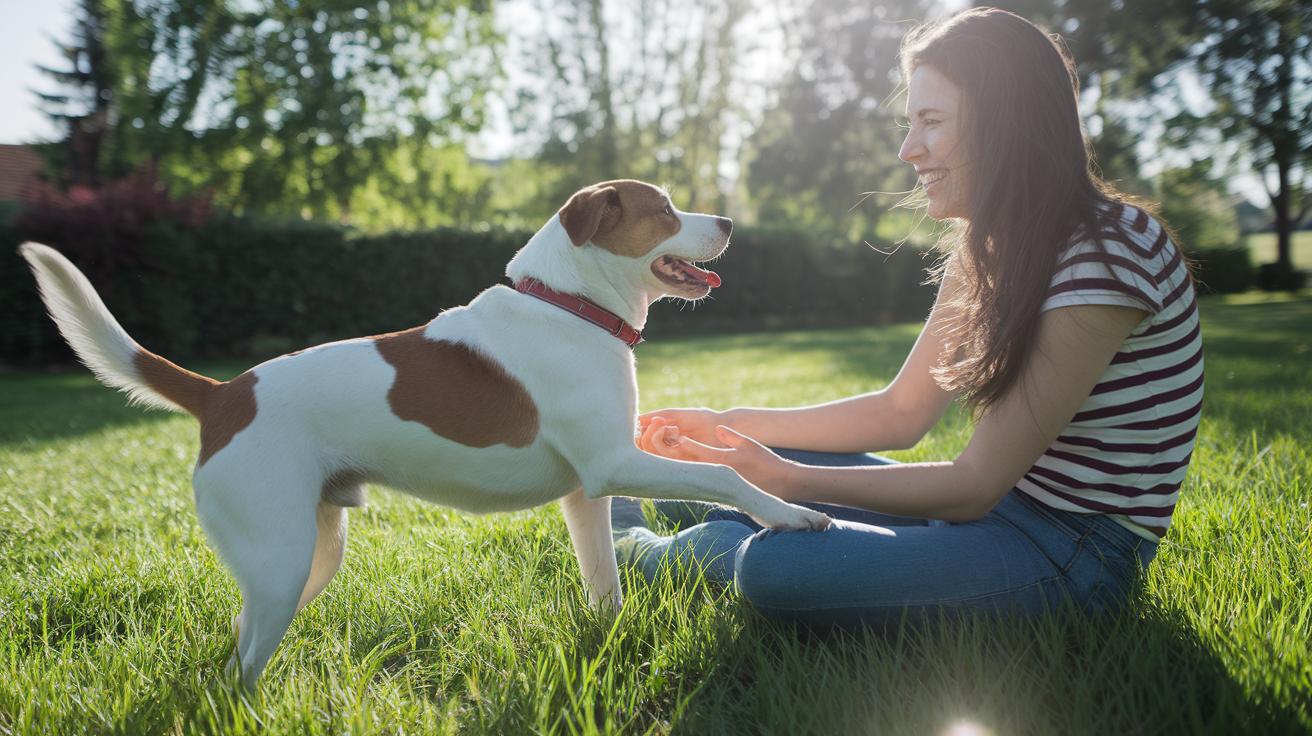
Ever wonder how a little playtime can brighten your pet’s whole day? Imagine a game of fetch or a gentle walk that fills both of you with joy.
In this chat, we’re sharing simple ideas that blend a bit of fun exercise with brain-teasing puzzles and even a quick check-in with your vet. These small moments of care can help your pet feel safe, strong, and truly happy.
Next time you hang out with your furry friend, remember that a little extra love goes a long way. Isn’t it amazing how a simple activity can boost their energy and lift their spirits?
Core Strategies for Pet Wellness and Behavioral Health
Start by mixing lots of fun exercise, playful brain teasers, and regular check-ins with your vet. Daily moves, like a breezy walk, a game of fetch, or a gentle tug-of-war, make your pet’s body strong and keep their heart happy. Imagine your dog dashing after a ball with joyful energy, tail wagging fast, muscles flexing, it's a simple way to encourage good behavior while having fun.
Mental wellness matters too. Let your pet enjoy friendly meet-ups and cosy cuddle sessions. Regular walks, playdates with other animals, or even a fun puzzle toy not only keep them entertained but also help them feel secure and less lonely. When your cat checks out a puzzle feeder, it’s having fun while sharpening its problem-solving skills.
Don’t forget to ease any stress. If you notice signs of anxiety like pacing or too much barking (or meowing), try a brief, happy play session to help them feel calm again. A little extra petting or a favorite treat can work wonders in brightening their mood after a stressful time, like a trip to the vet.
Remember, a blend of physical play, fun mind-challenging games, friendly social time, and regular vet visits creates the perfect recipe for a healthy, happy pet.
- Daily walks and play sessions
- Interactive enrichment toys and puzzles
- Routine vet checkups and positive reinforcement training
By embracing these steps, you build a loving foundation that keeps your furry friend lively, content, and full of joy.
Balanced Nutrition Planning for Optimal Pet Wellness

Good food is the first step to keeping your pet happy and healthy. Whether you’re caring for a playful puppy or a wise old cat, it’s important to plan meals that match their age and unique needs. Think of it as making a meal that not only fills their belly but also sparks their brain, like serving up a plate filled with fresh proteins and wholesome grains that get tails wagging and purrs rumbling.
Sometimes, a little extra boost goes a long way. For older dogs, tasty supplements like glucosamine and chondroitin chews can help support their joints and keep them moving with ease. Imagine your senior dog enjoying a crunchy treat that makes every step feel lighter and more joyful. It’s a small change that can make a big difference in their daily play and comfort.
And don’t forget about keeping an eye on those calories. Overfeeding can lead to extra weight and a slower, less active pet. Chat with your vet now and then to make sure your furry friend’s diet is perfectly balanced for a life full of energy and happy moments.
Physical Activity Routines to Boost Pet Behavioral Health
Custom workouts can do more than just keep your pet fit, they can also help with behavior issues in a fun way. If you have a high-energy buddy like a Border Collie, consider setting up a little agility course in your backyard. Picture some basic obstacles, like cones and tunnels, that give your furry friend a safe yet exciting challenge to sharpen their focus.
For pets that seem anxious or always on the go, mixing physical activities with mental puzzles can really help. Think of turning a plain fetch game into something extra fun by hiding a treat inside a puzzle feeder. This little twist makes your pet work both their body and brain, which can make a big difference.
Different breeds enjoy different activities. Big dogs like Labrador Retrievers might love a swim that soothes their joints, while older pets could benefit from gentle balance and coordination exercises. One fun idea is to play hide-and-seek with treats, encouraging your pet to carefully search, which boosts both exercise and brain power.
Here are some more playful ideas you might try:
| Activity | Benefit |
|---|---|
| Homemade agility drills | Improves focus and physical coordination |
| Scent-based games | Mimics natural hunting and uses their nose |
| Balance and coordination exercises | Great for older or less active pets |
| Mixed physical and mental tasks | Keeps both body and mind active |
Personalizing these exercise sessions not only builds your pet’s strength but also improves focus and obedience. It makes training moments more fun and effective, just like sharing a playful moment with your best friend.
Environmental and Emotional Enrichment for Pet Wellness

Keeping your furry friend active in mind is just as important as giving them plenty of exercise. Fun games and toys that make them think can bring out their natural instincts. Picture your cat gently batting a puzzle feeder, working carefully to unlock a hidden treat – it's a playful way to chase away boredom and sharpen their mind.
Toys and puzzles that challenge your pet come in all different styles. For instance, your dog might love a puzzle ball that rolls around and releases treats with every nudge, while your cat might be drawn to a crinkly toy full of little surprises. And if you have an older pet, opt for easy puzzles or soft toys that are gentle on their body but still keep their brain busy. These simple activities not only fend off boredom but also help keep their minds active, which might even reduce unwanted behavior.
Set aside special play sessions where your pet can safely interact with other friends. This kind of controlled social time is not only fun, but it also gives your pet an extra boost of mental exercise. Plus, it's a great way to ease their everyday stress and help them feel more relaxed at home.
When planning a fun and stimulating space, try these ideas:
| Idea | Description |
|---|---|
| Interactive Games | Simple, fun games that match your pet’s energy |
| Playdates | Regular meetups with other friendly pets |
| Quiet Puzzles | Gentle puzzles for older pets to keep their minds active |
In the end, these little tweaks can turn everyday moments into bursts of joy. With a bit more mental stimulation, your pet can feel happier and more lively every day.
Habit Modification Techniques and Behavioral Training for Pets
When it comes to changing your pet's habits, clear, reward-based methods really help make things click. Start off with leash training by using simple cues and tasty treats. For example, say "let’s walk" and reward your pet with a small treat when they follow your lead. It’s a simple way to build a connection between the command and a fun reward.
Next, try crate training to create a snug, safe haven for your pet. Gather their favorite blanket and toy, and place them in the crate. Then, encourage short stays by giving a delicious treat when they stay calm. Imagine your dog or cat nestled in the crate, feeling secure and loved as they settle in for a little rest.
You might also enjoy clicker training, especially if you have a smaller pet. Hold a clicker in your hand, click it at just the right moment when your pet does something you like, and immediately give them a reward. Picture a rabbit hopping to its spot, the satisfying click followed by a treat makes learning fun and memorable.
Also, keep your training sessions short and enjoyable. Instead of one long lesson, opt for several quick bursts of training to keep your pet focused and excited. Tailor each session to your pet’s needs, gradually building good habits day by day.
By taking these steps, you’re not just teaching obedience, you’re turning training into a warm, bonding experience that boosts your pet’s confidence. With every clear cue and tasty reward, you create a smoother, happier daily routine for both you and your furry friend.
Stress Reduction Methods and Anxiety Relief for Pet Behavioral Health

Keep an eye out for little hints that your pet might be feeling overwhelmed. If you notice them pacing, making extra noises, or hiding away, it’s their way of telling you they're stressed. Spotting these signs early means you can quickly start easing their anxiety.
For example, if your furry friend ducks away during a storm, consider offering calming treats or chews that help soothe their nerves. It's a gentle way to show them you care when nature gets too loud.
Also, why not set up a quiet spot in your home? Think of it as a cozy hideaway, with comfy bedding, soft music, or gentle lighting, that gives your pet a safe retreat during noisy or hectic times. It's like creating a little sanctuary for them when thunderstorms or vet visits become too much. One smart tip is to try a compression wrap, which can make your pet feel snug and secure, almost like a warm, reassuring hug.
And if your pet’s stress lingers, don’t hesitate to talk to your vet. They might suggest options like pheromone diffusers or even some prescription meds designed just for your pet’s needs. These extra steps work best when mixed with lots of love and a comforting tone.
Imagine the sweet moment when you give your pet a gentle pat because they stayed calm in their quiet space, it really reinforces that good behavior. All these simple, caring approaches not only boost your pet’s well-being but also make your everyday moments together even more joyful.
Routine Preventive Wellness Checks and Integrated Health Monitoring for Pets
Keeping your pet happy and healthy is a lot like spending time with an old friend. Regular visits to the vet can catch small issues before they turn into big problems. Imagine noticing the gentle purr of a content cat or the excited rustle of kibble in a bowl, these check-ups help you pick up on even the littlest changes in your pet’s behavior.
Sometimes, a visit to the vet goes beyond just a basic exam. Your pet might need vaccinations, a dental cleaning, or even more advanced treatments like stem-cell therapy or cold laser therapy (a gentle, non-invasive way to reduce pain and inflammation). And isn’t it sweet when a vet visit ends with a fun treat or a few minutes of playful cuddles? It makes the whole experience feel warm and friendly instead of scary.
Have you ever thought about setting up an integrated health routine for your furry friend? It’s all about keeping track of little details at home while maintaining that regular schedule with your vet. A few simple ideas include:
- Watching your pet’s weight and noticing how active they are
- Writing down any changes in their behavior
- Scheduling annual check-ups and any extra visits if something seems off
By making these preventive care strategies a natural part of your day, you’re taking important steps that help your pet live a healthier, happier life.
Final Words
In the action, we explored a holistic approach to pet wellness by blending practical training with daily care, balanced nutrition, and enriching activities. We highlighted simple behavioral health tips that make a real difference. Short walks, interactive games, and clear habit changes help build a routine that supports both physical strength and mental calm. Small adjustments can lead to big improvements in your pet’s overall well-being, keeping them happy and healthy every day.
FAQ
Pet wellness and behavioral health tips for dogs
The pet wellness and behavioral health tips for dogs emphasize a blend of daily walks, engaging play, mental enrichment with puzzles, and regular vet visits to support both physical fitness and a calm, happy spirit.
Pet wellness and behavioral health tips 2022
The pet wellness and behavioral health tips 2022 revolve around balanced nutrition, frequent physical activity, interactive toys for mental stimulation, and scheduled preventive care designed to keep your furry friend thriving.
How to pets improve mental health?
The way pets improve mental health is by providing loyal companionship, reducing daily stress, and offering simple joys that keep both owners and animals feeling loved and emotionally uplifted.
What is the most overlooked pet healthcare issue?
The most overlooked pet healthcare issue is dental care. Routine brushing and dental checkups are crucial as they help prevent pain and potential health problems for your cherished companion.
What are the healthy pet care tips for healthy pets?
The healthy pet care tips for healthy pets include a balanced diet, regular exercise, enrichment activities like puzzles, and consistent wellness checks that catch issues early and keep your pet feeling vibrant.
Do pets best cover behavioral health?
The concept of pets best covering behavioral health means that by meeting their physical, mental, and training needs, pet owners can help prevent stress-related behaviors and promote overall well-being.