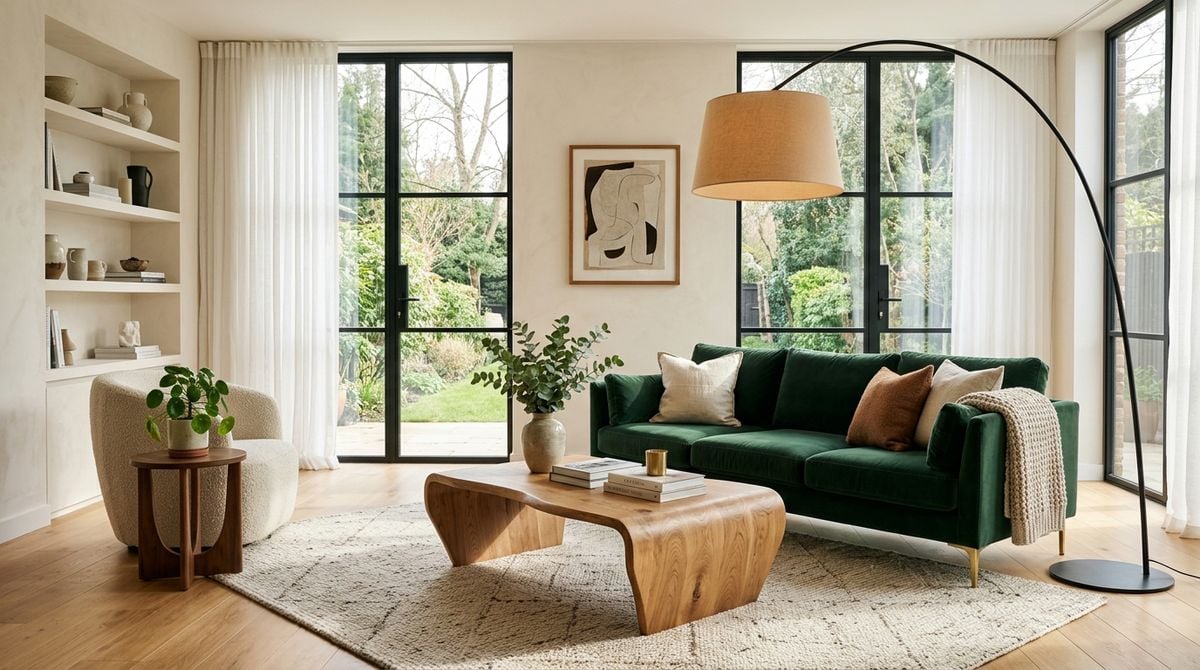
Furnishing a home requires a meaningful commitment of capital, yet everyday life inevitably takes a toll on major household items. Couches absorb spills, tables gather scratches, and decorative accents gradually lose their luster. When living spaces show noticeable wear, many occupants assume that the only remedy is an expensive shopping trip to replace major furniture pieces. In reality, replacing household assets prematurely can disrupt financial stability and drain savings that could otherwise support emergency reserves or retirement goals.
Taking a proactive approach to property maintenance enables households to preserve their initial investments while maintaining a welcoming home. By focusing on asset preservation, deliberate styling adjustments, and shared accountability, residents can revitalize their surroundings without straining their monthly cash flow. Understanding how small, targeted interventions extend the life of domestic goods is an essential money management skill for homeowners and renters alike.
Evaluating the True Cost of Furniture Replacement
Large furniture pieces represent durable goods that are designed to provide utility across many years. However, frequent replacement cycles accelerate personal depreciation and create unnecessary domestic overhead. When a sofa or dining set is discarded simply because the fabric has dulled or a few surface blemishes have appeared, the household forfeits the residual value embedded in the underlying structural frame.
Beyond the showroom price tag, frequent replacement introduces hidden secondary expenses. Delivery fees, assembly labor, and disposal logistics for worn-out items all quietly drain resources. In shared homes or rental properties, premature wear can also jeopardize security deposits or provoke tense disagreements over who caused specific damage. Distinguishing between fundamental structural failure and superficial cosmetic wear allows individuals to make rational economic choices rather than impulsive purchases.
Before discarding an aging item, evaluate the integrity of the frame, springs, and primary joints. If the core construction remains sturdy, the piece does not need replacement. Instead, the focus should shift toward surface care and protective layering, which cost a small fraction of a new showroom acquisition. Approaching furniture ownership with an asset-preservation mindset prevents needless capital outflow and builds lasting financial discipline.
Shielding High-Traffic Upholstery from Everyday Wear
Seating areas endure the heaviest daily use in any residence. Pets, children, shared meals, and continuous lounging subject fabric to friction, liquid spills, and ultraviolet exposure. Allowing these elements to degrade bare upholstery guarantees that expensive seating will show premature distress long before its mechanical frame wears out. Professional fabric cleaning or full reupholstering can be extraordinarily expensive, often rivaling the cost of purchasing a brand-new unit.
Implementing protective physical barriers is one of the most effective strategies for extending the working lifespan of major upholstery. Rather than keeping furniture vulnerable to permanent stains, many householders utilize specialized fitted slipcovers. Exploring options through BestsofaCovers provides accessible ways to shield fabric against staining, pet hair, and daily abrasion while instantly altering the room’s color palette.
Protective covers also simplify household cleaning routines and reduce long-term maintenance labor. Removable coverings can be laundered easily, preventing odors and grime from settling deep into foam cushions where they become nearly impossible to extract. When a household establishes simple physical barriers over primary seating, the underlying investment remains pristine, preserving both comfort and future resale value should personal circumstances require moving.
Low-Cost Aesthetic Updates That Transform the Room
Preserving furniture keeps money in your wallet, but a room still requires periodic visual refreshment to remain comfortable and inspiring. A space that feels visually stagnant or chaotic often drives people to spend money unnecessarily on comprehensive room makeovers. Fortunately, achieving a fresh aesthetic does not require structural renovations, contractor invoices, or high-ticket retail purchases.
Thoughtful styling relies on subtle focal points, intentional lighting, and cohesive accents rather than sweeping replacements. Adjusting wall arrangements, introducing mirrors to amplify natural daylight, and adding curated accents can completely alter the ambiance of a room. Finding inspiration through design resources such as nghomedecor.com allows residents to explore creative concepts for refining their interior environment without exhausting their household budget.
Consider the power of arrangement and textiles in shifting spatial perception. Swapping cushion covers, rearranging existing furniture layouts to improve foot traffic, or hanging framed prints can create the psychological sensation of a brand-new room. These minor styling adjustments breathe fresh energy into domestic quarters while protecting family savings from discretionary spending leaks. Thoughtful decorating proves that visual style comes from creativity and intention, not excessive spending.
Establishing a Practical Maintenance Routine
Extending the lifespan of home goods requires consistent care rather than occasional crisis management. A modest routine prevents minor blemishes from developing into permanent structural flaws. When households treat their furnishings with the same diligence applied to a personal vehicle, individual items last considerably longer and maintain their practical utility.
A practical maintenance program includes several baseline practices:
- Rotating seat cushions regularly to distribute physical wear and prevent localized foam sagging.
- Applying felt protective pads beneath furniture legs to avoid gouging hardwood and laminate floors.
- Dusting and conditioning natural wood surfaces periodically to prevent drying, warping, and cracking.
- Treating accidental spills immediately with appropriate blotted cleansers rather than harsh abrasive scrubbers.
Each of these preventative actions takes only a few minutes, yet collectively they safeguard substantial personal equity in household goods. Consistently maintaining existing belongings fosters a mindset of domestic stewardship, reducing the urge to engage in retail therapy simply to fix neglected living quarters. Over time, these small habits translate into significant cumulative savings.
Coordinating Shared Household Upkeep Responsibilities
In multi-person dwellings, whether shared with family members or roommates, preserving common areas requires collaborative effort. When expectations regarding cleanliness and maintenance remain unspoken, shared furnishings inevitably deteriorate faster than anticipated. Misunderstandings regarding who is responsible for routine cleaning can also lead to interpersonal tension and unexpected shared repair expenses.
Open communication regarding common-room rules establishes clear boundaries for property care. Simple agreements regarding where food is consumed, how outdoor footwear is handled at the door, and how communal surfaces are cleaned make a substantial difference over time. Clear expectations ensure that no single person bears the entire burden of cleaning, and that shared assets receive consistent care from everyone under the roof.
These agreements should also extend to pet ownership, as active animals naturally introduce additional wear to floors, rugs, and seating. Pet owners and their roommates benefit greatly from formalizing routines around animal management. Just as households organize systems for sharing pet care duties with housemates, they should also agree on baseline expectations for managing pet dander, scratching habits, and accidental messes. When everyone understands their contribution to household upkeep, common spaces stay clean, belongings last longer, and the entire household avoids unnecessary replacement costs.
Building Sustainable Long-Term Domestic Habits
Managing personal finances effectively is rarely just about tracking investment portfolios or cutting monthly grocery budgets. True financial resilience is built through the daily stewardship of the items you already own. By making conscious decisions to protect living room furniture, refresh rooms with creative decor, and coordinate maintenance with those around you, you eliminate unnecessary consumer churn.
Cultivating pride in your living environment does not require surrendering your savings account. When you choose preservation over premature disposal, your home becomes a place of stability rather than an ongoing financial drain. Embracing simple maintenance strategies ensures that your living space remains comfortable, functional, and attractive while keeping your long-term wealth securely on track.