

Managing residential rental assets requires a disciplined approach to capital allocation. Every property owner eventually faces decisions regarding when and how to invest in physical improvements. While routine repairs address immediate malfunctions, strategic value-add projects aim to modernize units, reduce recurring utility overhead, and preserve property equity over prolonged holding periods. Navigating this process successfully demands sound financial planning, as unchecked renovation budgets can quickly compress net yields and drain operational cash reserves.
A common pitfall among real estate investors is treating capital expenditures as an afterthought. Unexpected mechanical failures or sudden tenant turnovers often trigger hasty spending decisions without a cohesive fiscal blueprint. By establishing a dedicated framework for evaluating renovation projects, asset managers can distinguish between high-impact structural enhancements and cosmetic additions that offer minimal operational benefits. This structured approach ensures that every dollar deployed serves a defined business purpose.
Establishing Dedicated Reserves for Capital Improvements
Before committing to any major renovation, property owners must delineate between operating expenses and capital reserves. Operating expenses cover routine maintenance, such as patching minor drywall cracks or servicing an air conditioning unit. In contrast, capital expenditures involve substantial updates that extend the functional lifespan of a building component. Conflating these two expense categories often leads to cash shortages when major systems require replacement.
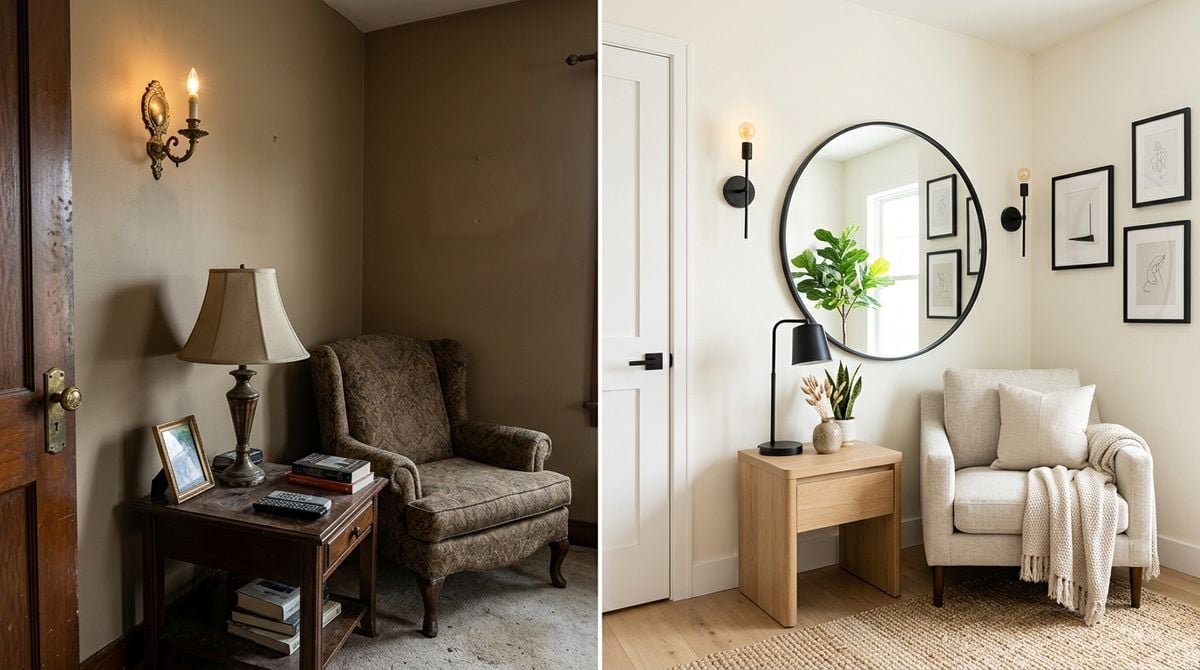
Maintaining an isolated capital replacement fund provides a fiscal buffer that allows owners to plan major renovations proactively rather than reacting under financial pressure. When preparing an acquired asset for market positioning, capital allocation must be divided between functional upgrades and visual presentation. Investors often evaluate how to distribute funds between structural enhancements and aesthetic presentation, an issue we examined when reviewing budgeting for furnishing and staging properties before welcoming prospective occupants. Maintaining clear reserve thresholds ensures that funds designated for structural longevity are never diverted into temporary staging efforts.
Financial discipline also requires forecasting the expected replacement schedules of core components. Roofs, water heaters, plumbing fixtures, and electrical panels each possess finite functional timelines. Tracking these cycles enables managers to accumulate necessary reserves steadily rather than taking on high-interest emergency financing when equipment fails.
Targeting Efficiency Improvements to Reduce Overhead
Energy efficiency represents one of the most reliable avenues for improving the financial performance of rental housing. Upgrades focused on insulation, draft proofing, and climate control directly influence the ongoing operating costs of a building. When landlords pay utility bills, reducing thermal waste translates immediately into lower monthly expenses. Even when tenants cover their own utilities, highly efficient homes experience fewer vacancies and attract dependable long-term occupants who value predictable energy expenses.
Addressing air leakage, upgrading attic insulation, and installing modern heating controls are practical interventions that prevent systemic wear on primary mechanical systems. Because heating and cooling equipment operates under reduced load in a well-sealed building, the machinery experiences fewer mechanical breakdowns over time. For practical perspectives on managing structural climate control and thermal efficiency, reading the educational material on garrettiron.com can help property managers evaluate how specific physical modifications enhance long-term interior comfort while stabilizing operational costs.
In addition to thermal upgrades, plumbing efficiency should remain a high priority on the capital improvement agenda. Installing low-flow fixtures and pressure-reducing valves cuts municipal water and sewer charges without diminishing tenant satisfaction. Over extended holding periods, the cumulative reduction in utility overhead frequently provides a more reliable financial return than speculative decorative remodels.
Phasing Renovations Across Lease Transitions
One of the greatest risks to investment cash flow during a renovation campaign is prolonged vacancy. Every month a residential unit remains unoccupied while tradespeople work represents unrecoverable revenue loss. Managing project timelines requires synchronizing contractor schedules with standard tenant departure dates to compress work windows as much as possible.
To avoid costly project delays and keep renovation spending on schedule, asset managers should organize every major overhaul through a sequential workflow:
- Conduct thorough pre-turnover walk-through inspections to finalize the scope of work.
- Order all necessary building supplies, fixtures, and appliances well before demolition begins.
- Schedule plumbing, electrical, and carpentry trades in overlapping stages to eliminate idle days.
- Complete punch-list verifications and safety compliance audits before listing the home on the market.
Phasing renovations across multiple units also mitigates cash flow strain. Rather than updating an entire multi-family property at once, disciplined managers upgrade vacant units incrementally as leases expire. This approach funds subsequent phases using the ongoing income generated by occupied units, protecting portfolio liquidity against unexpected market downturns.
Selecting Resilient Materials for Interior Longevity
Financial efficiency during property upgrades relies heavily on material selection. Novice investors frequently choose either the least expensive materials to save money upfront or overly premium finishes designed for luxury homeowner occupancy. Both extremes harm bottom-line performance. Cheap fixtures fail prematurely under regular tenant use, creating recurring repair costs, while delicate high-end finishes rarely withstand routine wear and tear.
The optimal middle ground involves selecting durable, commercial-grade finishes that project modern elegance while enduring heavy daily usage. Solid core doors, durable quartz countertops, and water-resistant luxury vinyl plank flooring offer exceptional resilience and clean aesthetics. Finding ideas that strike an appropriate balance between visual charm and functional longevity is easier when referencing curated home design resources like PlantWare during the early project scoping stage. Evaluating materials through a lens of durability ensures that initial upgrade expenditures will not need replacement after only a few tenant turnovers.
Standardizing hardware, lighting fixtures, and plumbing components across an entire property portfolio yields additional financial advantages. When maintenance teams stock universal replacement cartridges, matching cabinet handles, and identical paint codes, unit turns move faster and bulk purchasing discounts become accessible.
Tracking Capital Outlays and Protecting Portfolio Liquidity
Meticulous record keeping is essential throughout every phase of a capital improvement campaign. Owners must log every invoice, contract agreement, and warranty document to maintain a transparent financial paper trail. Differentiating capital additions from basic repairs on accounting ledgers ensures proper balance sheet depreciation and accurate tax reporting over the life of the asset.
Equally important is maintaining an uncommitted liquidity reserve throughout active renovation cycles. Unexpected issues, such as concealed subfloor water damage or outdated wiring behind plaster walls, frequently emerge once demolition starts. Having dedicated contingency funds prevents projects from stalling mid-construction, which protects investor capital from being tied up in unmarketable, half-finished assets.
Ultimately, successful rental property upgrades require harmonizing long-term property preservation with strict fiscal boundaries. By establishing clear reserve targets, focusing on foundational efficiency improvements, sequencing labor to minimize vacancy, and selecting resilient materials, property owners can upgrade their holdings sustainably. Taking a deliberate, business-minded approach to physical asset management safeguards operational cash flow and strengthens the underlying financial health of any residential investment portfolio.