



You spot a trembling, emaciated dog on the sidewalk and your first instinct is to empty the entire bag of kibble at its paws. Compassion is wonderful—but re-feeding a malnourished animal is a medically delicate process. Too much or the wrong type of food can trigger vomiting, diarrhea, or even organ failure. Drawing on veterinary guidelines and hard-won lessons from rescue workers, we’ve compiled eight essential rules that keep generosity safe. From portion size to bone safety and hidden household toxins, here’s exactly how to help a hungry dog recover without accidentally making the situation worse.
1. Start Small: Why Overfeeding Can Be Deadly
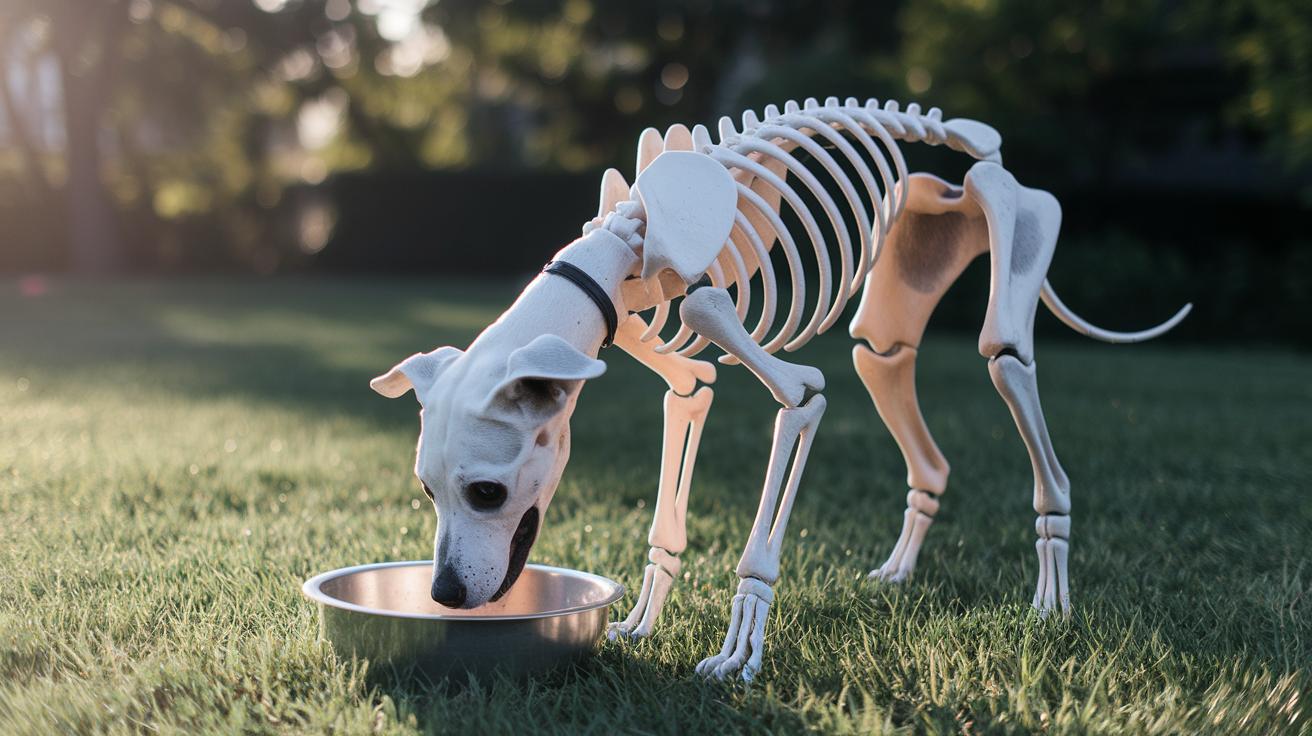
Animal rescuers know the heartbreaking sight of a skeletal stray finally getting a meal, yet shoveling down a mountain of kibble can do more harm than good. A dog that has gone days, or weeks, without adequate calories has an atrophied digestive system. The stomach shrinks, enzyme production slows, and even the good bacteria that help break down food are depleted. Dump a heaping bowl in front of that dog and the result is often frantic gulping, regurgitation, or life-threatening bloat. Vets recommend starting with several spoon-sized servings spaced a few hours apart so nutrients are absorbed instead of wasted.
2. Skip the Cooked Bones, Especially Chicken

Your Sunday roast leftovers may look like a treat, but cooked chicken bones splinter into razor-sharp shards that can puncture the esophagus, stomach, or intestines. Even if a shard doesn’t cause an immediate tear, microscopic cracks can invite infection and internal bleeding. Raw bones are somewhat safer, yet they still carry choking and bacterial risks. The consensus from veterinary surgeons: when you want to add chewable calcium, choose commercially prepared bone meal or vet-approved dental chews. They satisfy a dog’s natural urge to gnaw without turning dinner into an emergency surgery waiting to happen.
3. Rehydrate First, Feed Second

Severely underweight dogs are almost always dehydrated. Before offering solid food, introduce small bowls of fresh, room-temperature water or a canine electrolyte solution. Hydration jump-starts blood circulation, supports kidney function, and primes the digestive tract to handle calories. If the dog laps water too quickly and throws it up, use an eyedropper or syringe to administer slow, steady sips every 15 minutes. Once the animal can keep fluids down for an hour, you can safely move to easily digestible foods like boiled chicken breast mixed with rice in a 1:3 ratio.
4. Introduce New Foods Gradually, The 3-Day Rule

Sudden diet changes wreak havoc on even healthy canine stomachs, so imagine the shock to a starved system. Rescue vets preach the 3-Day Rule: Day 1, feed bland proteins and simple carbs; Day 2, blend in a small amount of high-quality wet food; Day 3, begin adding kibble soaked in warm water. Each stage gives the gut microbiome time to adapt, preventing diarrhea that can strip away critical nutrients. If stools stay firm and the dog’s energy improves, you may slowly transition to a normal maintenance diet over the next two weeks.
5. Know the Hidden Toxins Lurking in the Pantry
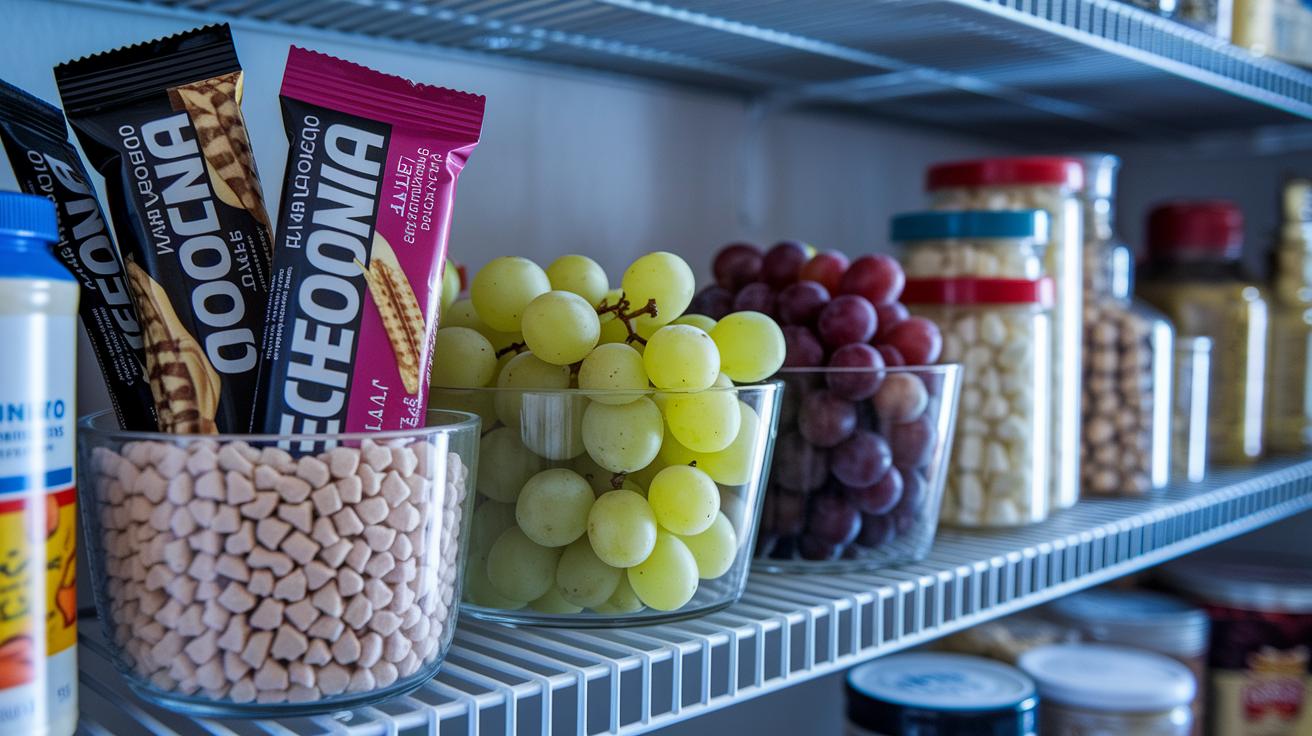
Many comfort foods we reach for are toxic to dogs, especially those whose bodies are already fragile. Chocolate, grapes, raisins, onions, garlic, xylitol-sweetened peanut butter, and salty cured meats can spiral into organ failure. Even nutrient-dense nuts like macadamias and walnuts can cause tremors or neurological damage. Stick with plain, skinless poultry, lean beef, and steamed vegetables like carrots or green beans. When in doubt, consult the ASPCA Poison Control list before sharing a single scrap.
6. Balance the Bowl: Protein, Fat, and Micronutrients
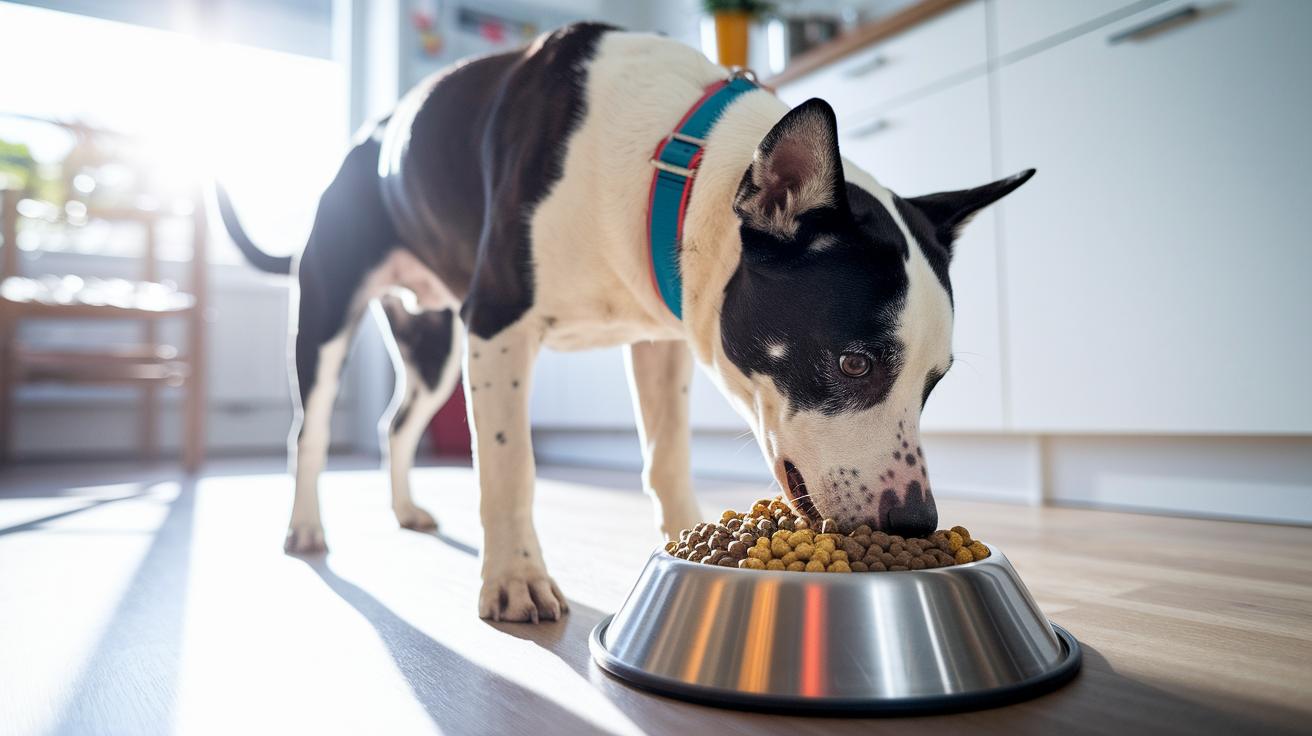
Re-feeding isn’t just about calories; it’s about rebuilding muscle, immune strength, and organ tissue. Vets aim for a macro breakdown of roughly 30% protein, 20% fat, and 50% easily digestible carbohydrates during the first recovery phase. Add a canine multivitamin or powdered goat’s milk for extra B-vitamins and calcium. Omega-3 fatty acids from fish oil help fight inflammation and restore a glossy coat. Over several weeks, gradual weight gain of 5–10% body weight is an encouraging sign that the nutritional balance is hitting the mark.
7. Adjust Portions by Size and Age

A one-size-fits-all feeding chart doesn’t work for rescue situations. Puppies need nearly double the calories per pound that adults require, yet their stomachs are tiny, necessitating five or six mini-meals daily. Senior dogs, on the other hand, process protein less efficiently and may need easily chewed, higher-fat diets to maintain weight. Use the dog’s target weight, not its current weight, to guide caloric math. Most vets suggest 90–110 calories per kilogram of ideal weight, divided into three to six servings depending on age and activity level.
8. Vet Checkups Close the Loop
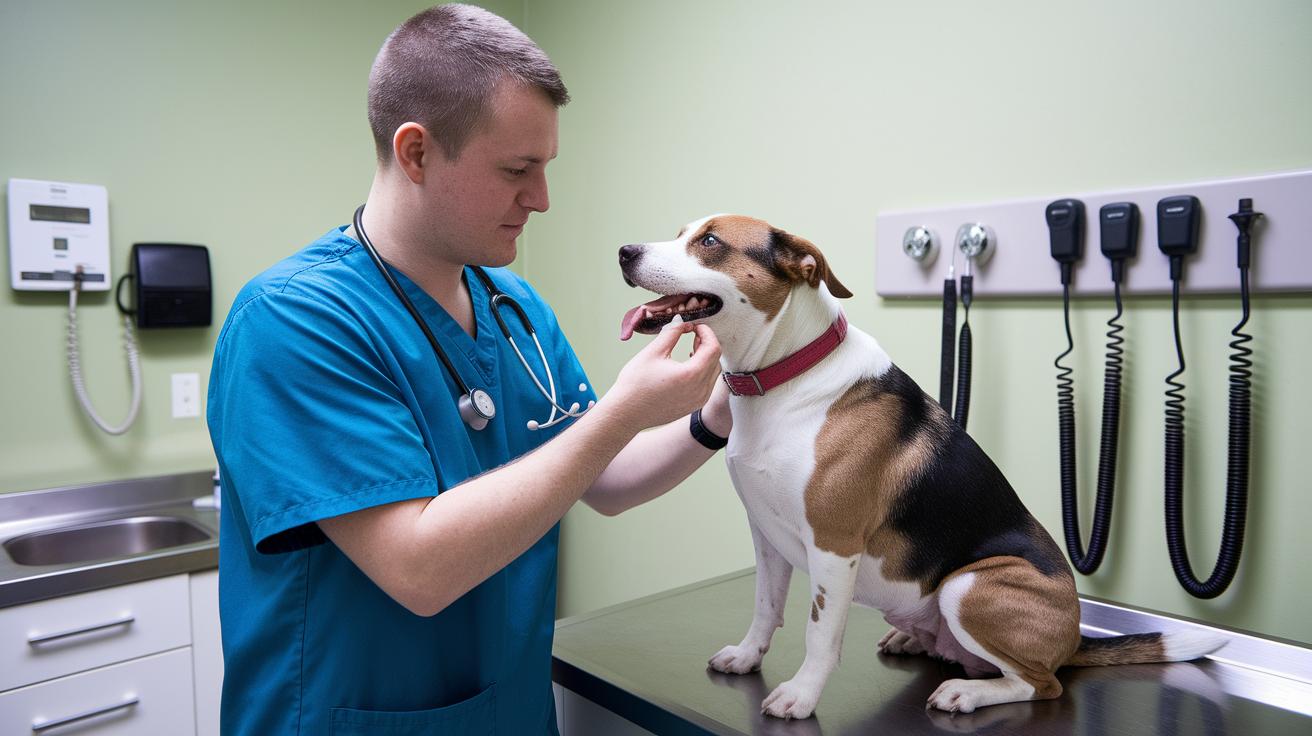
Once the immediate hunger crisis is resolved, schedule a full veterinary exam. Bloodwork can reveal anemia, organ strain, or parasitic infections that require medication. A vet will also create a customized re-feeding protocol and vaccination schedule. Document the dog’s weight weekly; plateaus or sudden drops signal it’s time to tweak the diet or investigate underlying disease. Remember, nutrition is only one pillar of recovery, parasite control, dental care, and behavioral rehabilitation are equally vital to turning a starving stray into a thriving family member.