



Grooming isn’t as simple as a once-a-month bath. For breeds like Bunsen the Bernese, a brush every couple of days is the bare minimum to keep painful mats at bay. Curly-coated or long-haired pups often require professional clipping that costs more than your haircut—sometimes every six weeks. You can learn to DIY, but budget for shedded fur, special tools, and plenty of patience. Ignore the routine and you’ll face hot spots, skin infections, and a miserable dog. Grooming is health care, not vanity, and it’s the first major commitment many first-time owners underestimate.
Grooming: More Than a Quick Brush
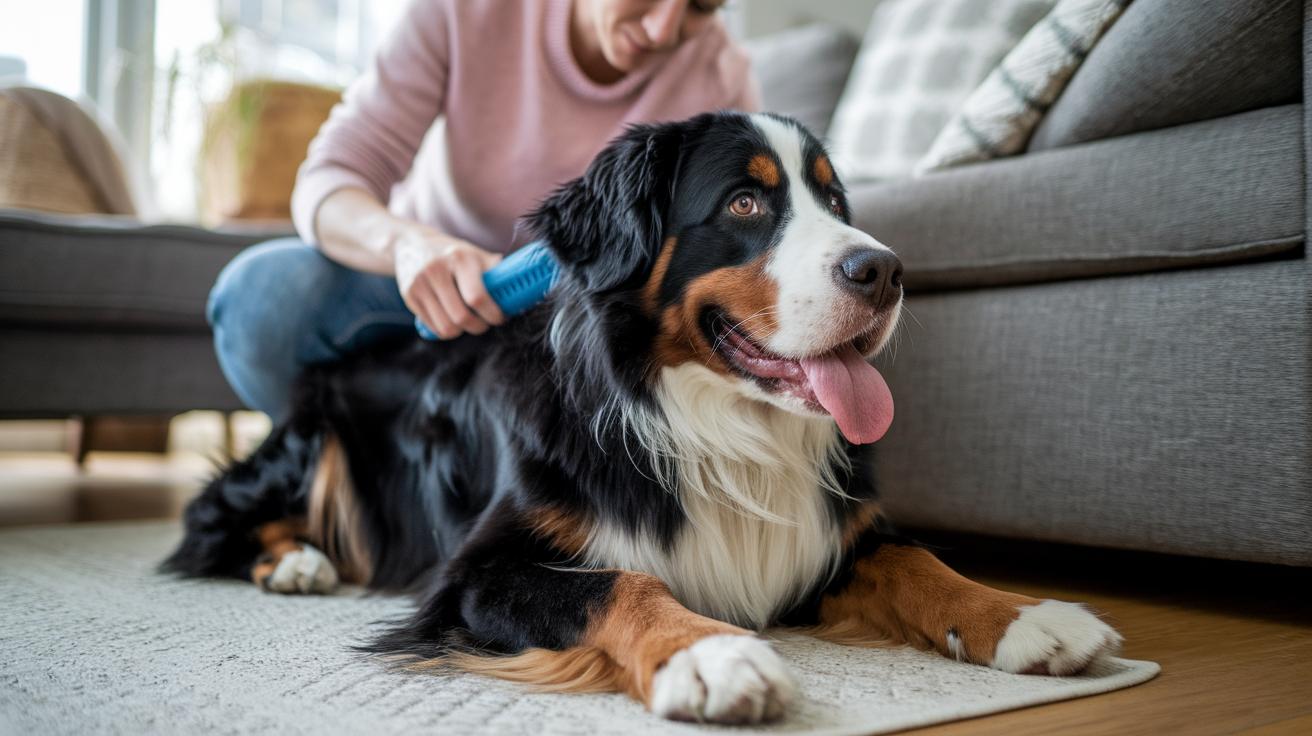
Grooming isn’t as simple as a once-a-month bath. For breeds like Bunsen the Bernese, a brush every couple of days is the bare minimum to keep painful mats at bay. Curly-coated or long-haired pups often require professional clipping that costs more than your haircut, sometimes every six weeks. You can learn to DIY, but budget for shedded fur, special tools, and plenty of patience. Ignore the routine and you’ll face hot spots, skin infections, and a miserable dog. Grooming is health care, not vanity, and it’s the first major commitment many first-time owners underestimate.
Mess: Hair, Mud, and Mystery Stains

Even the tidiest dog is a mobile dirt factory. Expect a perpetual confetti of fur on every black sweater, tumbleweeds rolling under the sofa, and muddy paw prints appearing moments after you mop. Drool will decorate your walls like abstract art; tail-wag physics will send water bowls skittering across the floor. Some pups add eau de wet dog that clings for days. You’ll vacuum more, launder slipcovers, and keep old towels by the door. Or accept you’ll find fur in your coffee and paw smudges on the fridge forever.
Lifestyle: Goodbye to Spontaneous Weekends
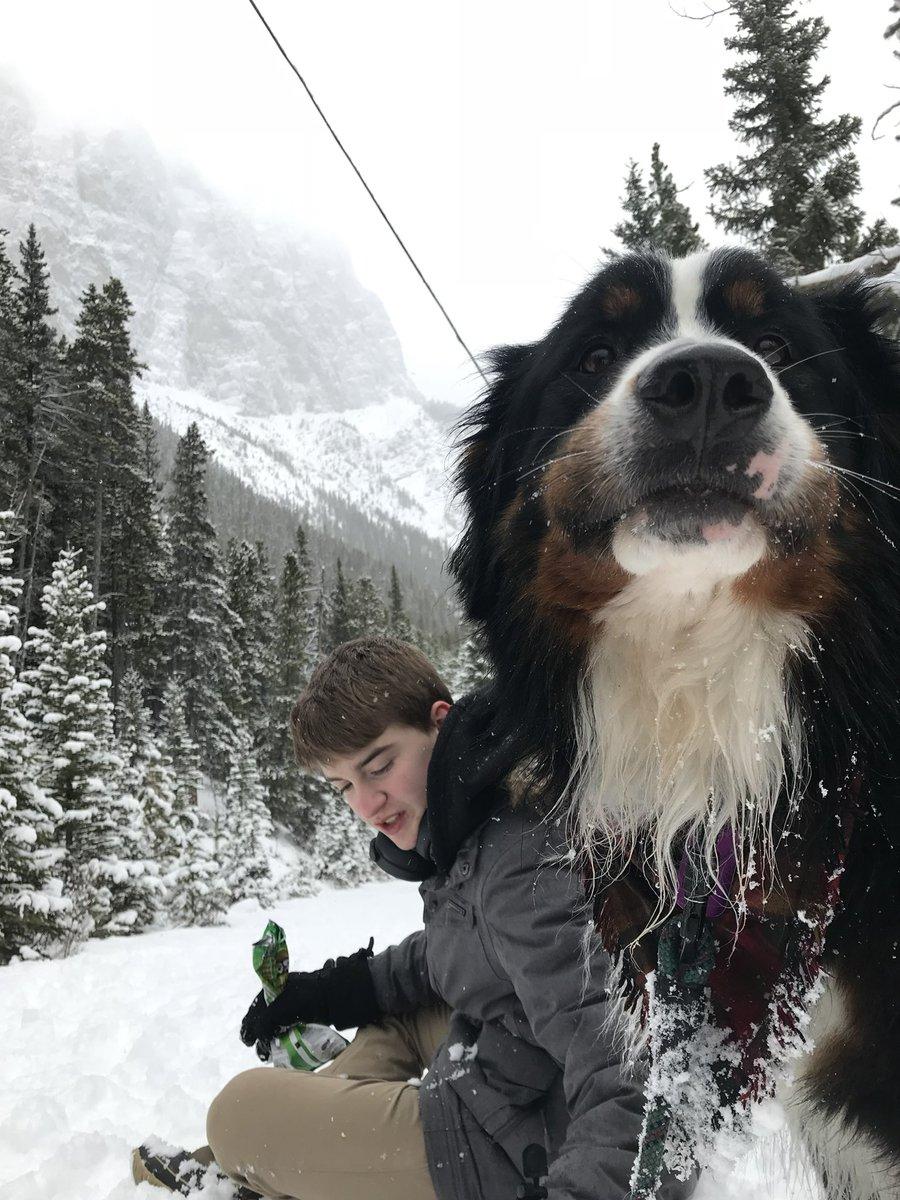
Spontaneity and dog ownership rarely mix. When friends suggest a last-minute ski weekend, your first thought becomes: who will watch the dog? Boarding facilities book up, pet-friendly hotels cost extra, and not every relative wants a 70-pound guest. Even day trips require packing bowls, food, poop bags, and blankets, much like traveling with a toddler who can’t enter museums. If your pup suffers separation anxiety, you’ll plan outings in two-hour windows. Vacation budgeting now includes kennel fees or a trusted sitter. Owning a dog doesn’t erase adventure, but every plan is filtered through their needs first.
Loss: When a Best Friend Has to Leave
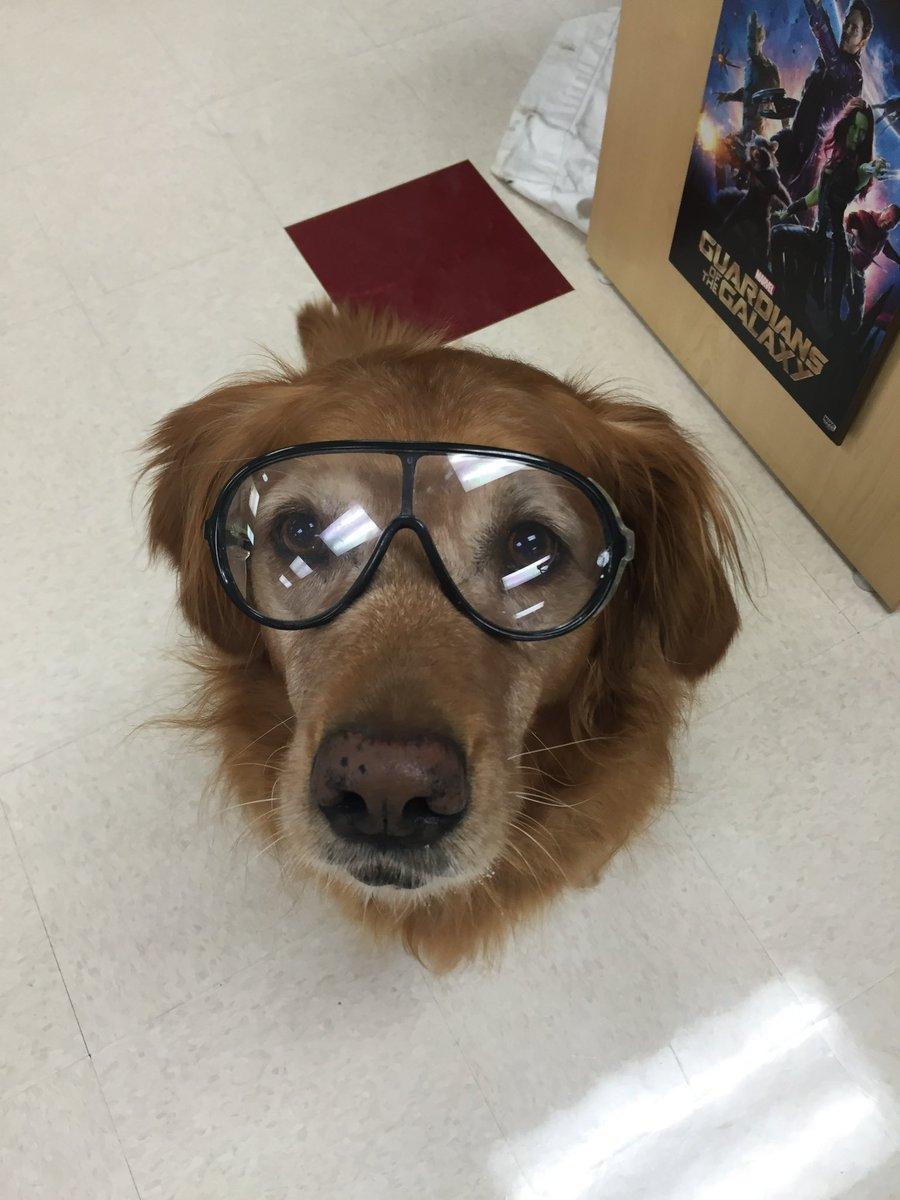
Every wagging tail carries eventual heartbreak. Dogs compress a lifetime of love into barely a decade, and saying goodbye can sting as sharply as losing a human relative. Studies show the brain processes a pet’s death with similar intensity. Children may meet grief for the first time; adults are surprised by its force. Planning ahead helps: discuss end-of-life wishes, budget for medical costs, and know the emergency vet. The tough truth is that adopting a dog means one day arranging their final car ride, but the years in between are worth every tear.
Property Damage: Tiny Teeth, Big Trouble

Designer purse on the floor? For a teething puppy it’s a chew toy worth $400. Young dogs explore with razor teeth and zero regard for your possessions. Sofa corners, baseboards, shoes, phone chargers, even drywall, can disappear in seconds. Adult dogs aren’t exempt; an excited Lab tail clears a coffee table like a broom. Prevention demands crate training, bitter spray, sturdy toys, and hawk-like vigilance. Still, admit that something you love will be shredded, scratched, or smashed at least once before they outgrow the demolition phase.
Patience: The Virtue Every Dog Parent Must Master

Teaching a dog anything, from house-training to loose-leash walking, is a marathon of repetition, not a sprint. Some breeds are born pleasers; others prefer negotiation. Rescue dogs may come with baggage that makes a simple “sit” feel monumental. Yelling only confuses them and frays your bond. Instead, stock up on treats, celebrate tiny wins, and remember they experience the world through senses we don’t possess. Progress can stall during adolescence, when hormones turn your sweet puppy into a furry teenager. Patience isn’t optional; it’s the secret ingredient that converts chaos into companionship.
Mental Stimulation: Keeping That Canine Brain Busy
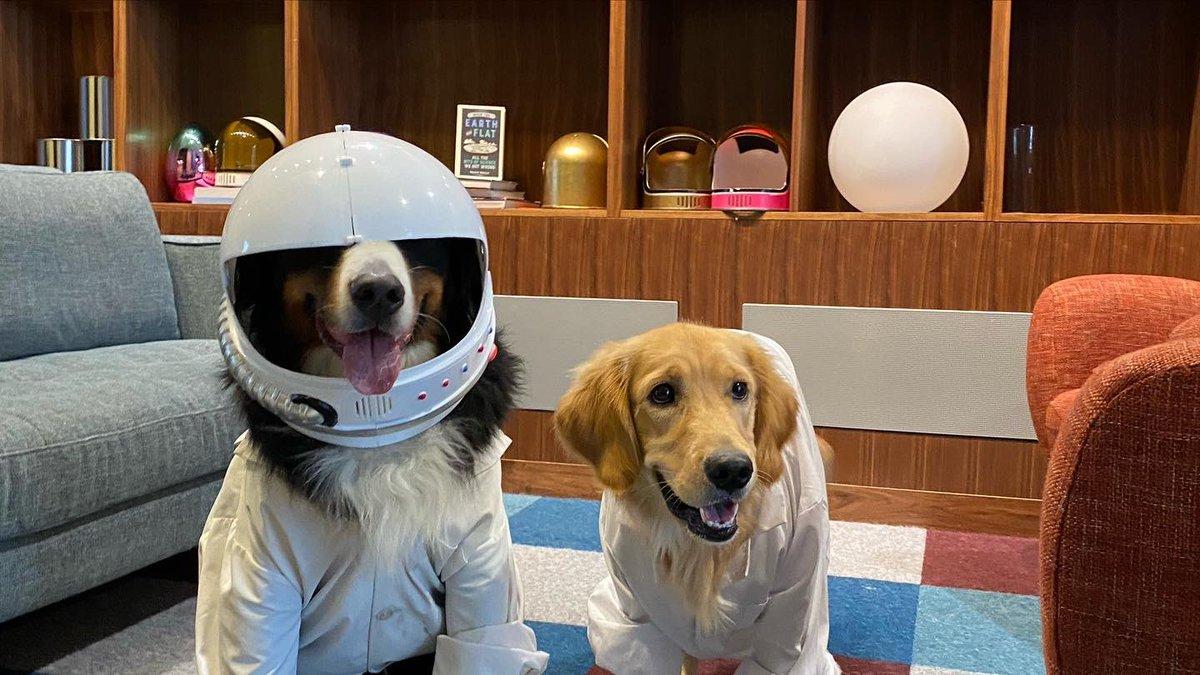
Fetching a ball for ten minutes is exercise, but it doesn’t always engage a Border Collie’s supercomputer brain. Many breeds were engineered to solve problems all day, herd sheep, sniff contraband, recover ducks, so boredom turns them into interior decorators with a taste for drywall. Rotate puzzle feeders, hide treats for nose-work games, teach new tricks, or enroll in agility. Even simple chores like carrying the mail make them feel useful. A mentally tired dog is a well-behaved dog; ignore their cognitive needs and you’ll soon discover they can create their own “projects.”
Love: A Hurricane of Devotion
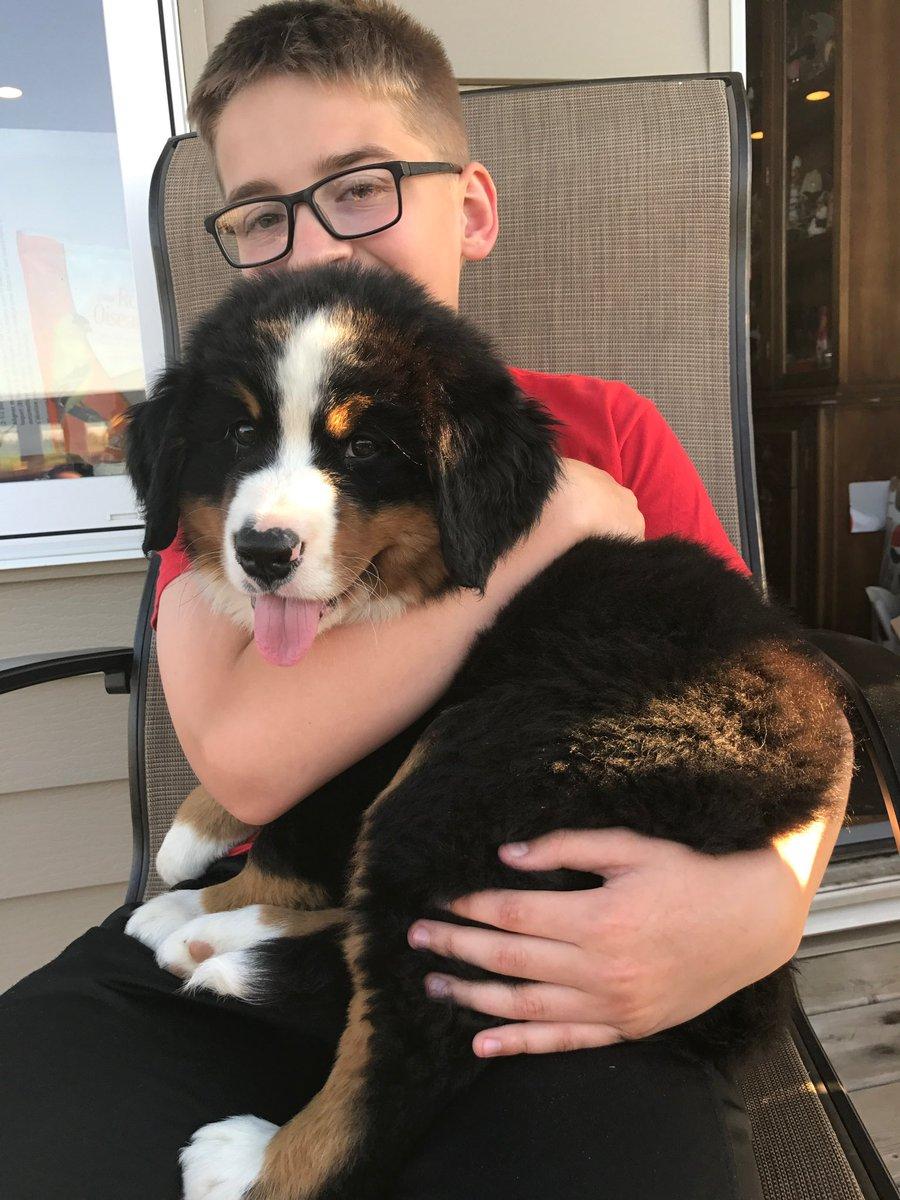
Now for the upside that eclipses every inconvenience: love. Outside of close family, nothing will adore you as fiercely as your dog. Their devotion is uncomplicated, constant, and explosive, a daily hurricane of tail wags, nose nudges, and sofa snuggles. Bad hair day, bad job day, bad everything day, they don’t care. You are their whole world. That bond floods your brain with oxytocin, lowers stress, and earns you more steps on the fitness tracker. Accept that you’ll talk in baby voices, take a thousand photos, and rearrange your life willingly. That’s the magic of canine companionship.