



Feeding a dog should be simple, yet many pet parents worry when their pup suddenly snubs the food bowl. My friend Ada, who enjoys a balanced diet of premium kibble and homemade treats, still has the occasional “no thanks” day. It reminded me of all the owners who pop into the shop clutching yet another bag of kibble and asking for toppers, cheeses, or gravy miracles. Here are the fundamentals I always share: rule out medical issues first, then commit to one quality food, limit extras, respect individual flavour preferences, and remember that healthy dogs won’t starve themselves. Let’s dive deeper.
Why Dogs Skip Meals: The Ground Rules
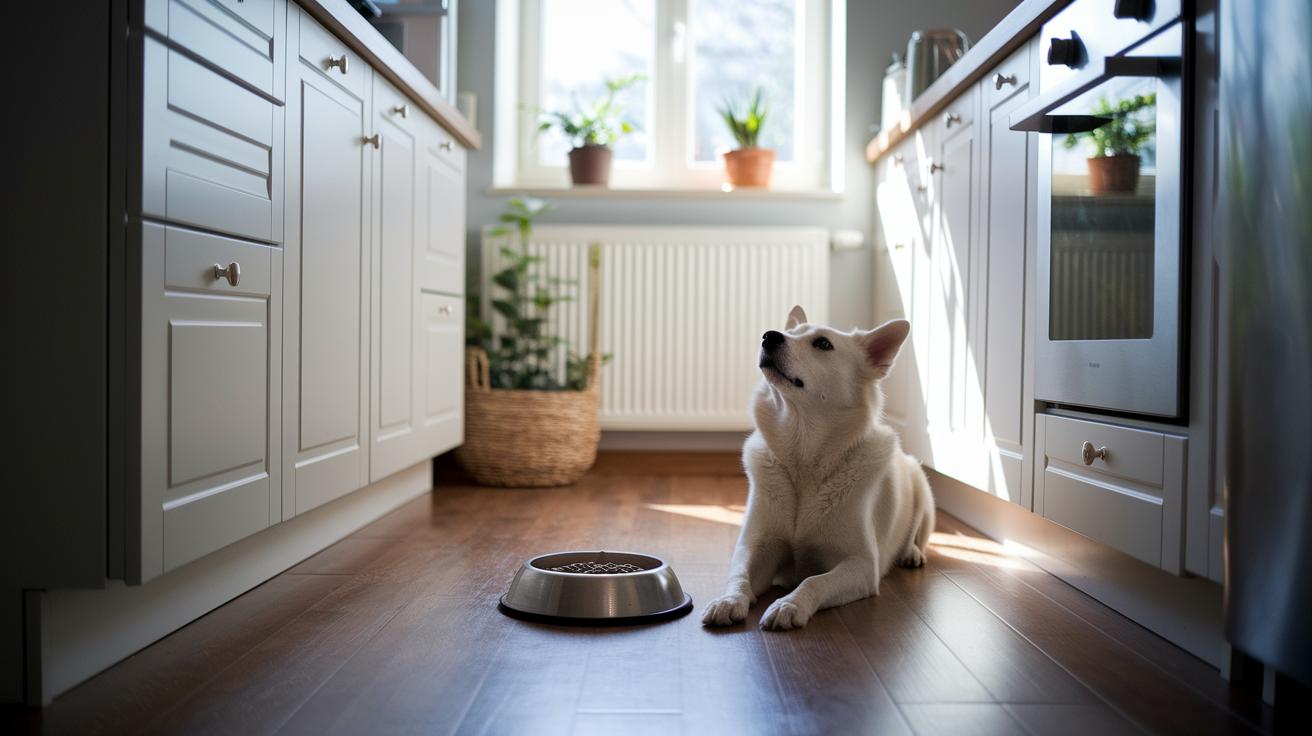
Feeding a dog should be simple, yet many pet parents worry when their pup suddenly snubs the food bowl. My friend Ada, who enjoys a balanced diet of premium kibble and homemade treats, still has the occasional “no thanks” day. It reminded me of all the owners who pop into the shop clutching yet another bag of kibble and asking for toppers, cheeses, or gravy miracles. Here are the fundamentals I always share: rule out medical issues first, then commit to one quality food, limit extras, respect individual flavour preferences, and remember that healthy dogs won’t starve themselves. Let’s dive deeper.
They Won’t Get Bored of Lamb, and Other Myths
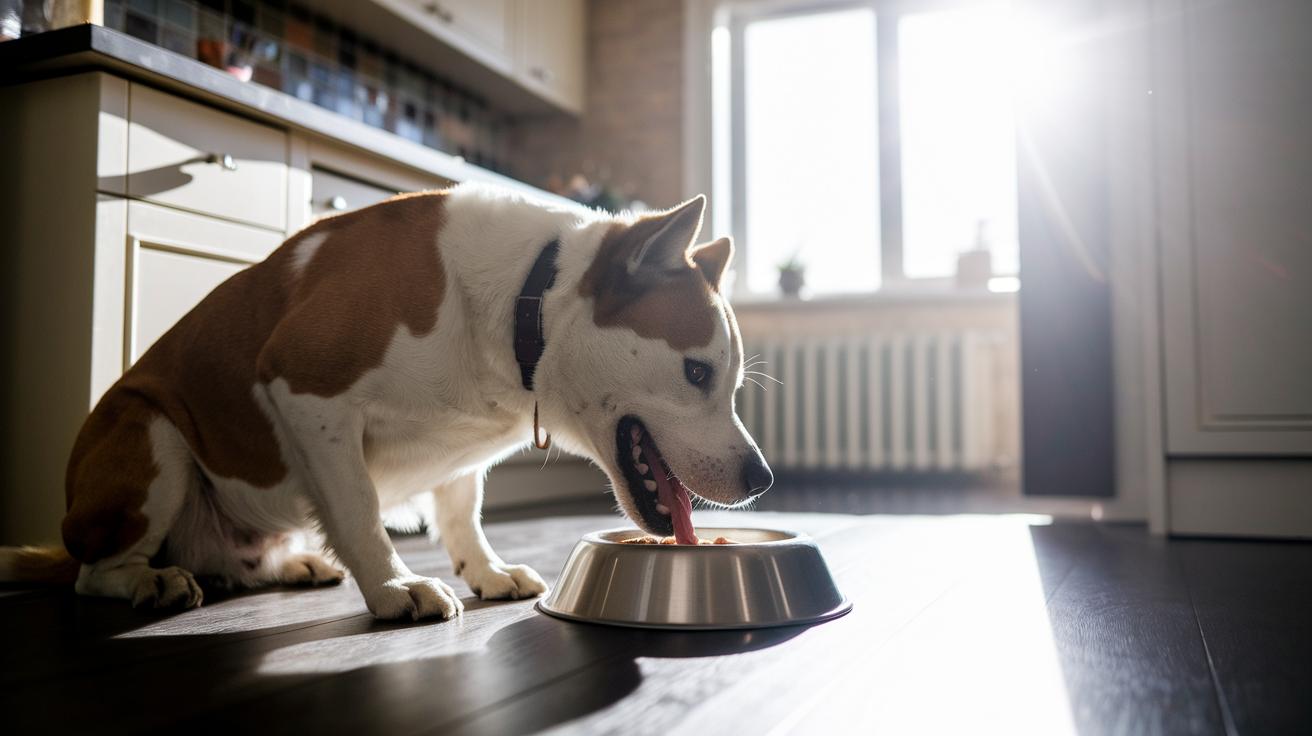
Dogs don’t crave the culinary variety we humans do. We might assume “they’ll get bored of lamb,” but most pups are perfectly content eating the same formula for years. What they do learn quickly is how to manipulate us. Skip a meal, look pitiful, and suddenly dinner is replaced with melted cheese or roast chicken! Consistency stops that cycle. Serve the chosen food twice, remove after 15 minutes if untouched, and offer it again at the next scheduled mealtime. As Smudge proves, “good bois” who understand that no replacement is coming happily polish off their bowls.
Grazing in Pairs: When Two Dogs Share a Bowl
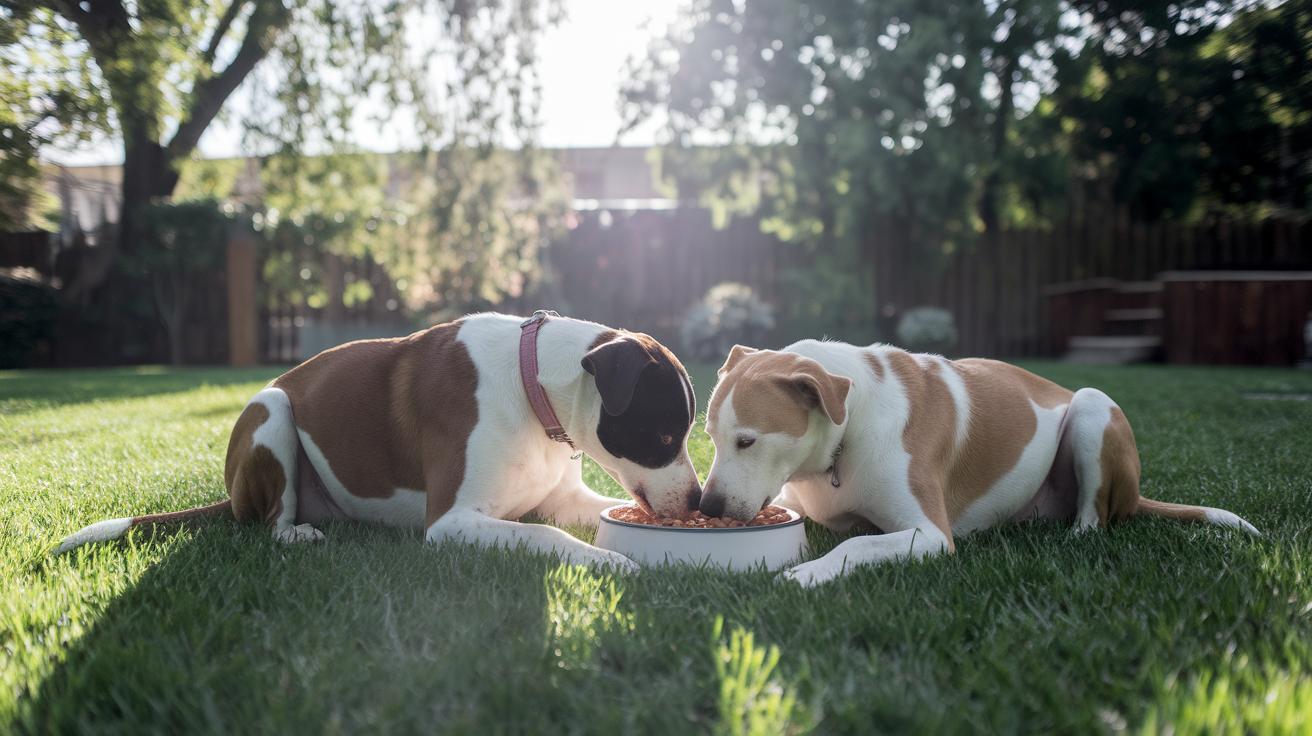
A pair of dogs who can safely graze throughout the day is rare, most multi-dog homes see competition and rapid gulping. If your duo calmly shares a bowl or nibble side-by-side, celebrate their stellar manners but keep an eye on intake. Weigh weekly to confirm neither dog is hogging. Offer measured portions in the morning, leave the bowl down only if everyone stays polite, and pick it up at night so you can track how much disappears. Routine plus portion control keeps even the most laid-back grazers in ideal body condition.
Finding the Perfect Treat: Flora’s Question
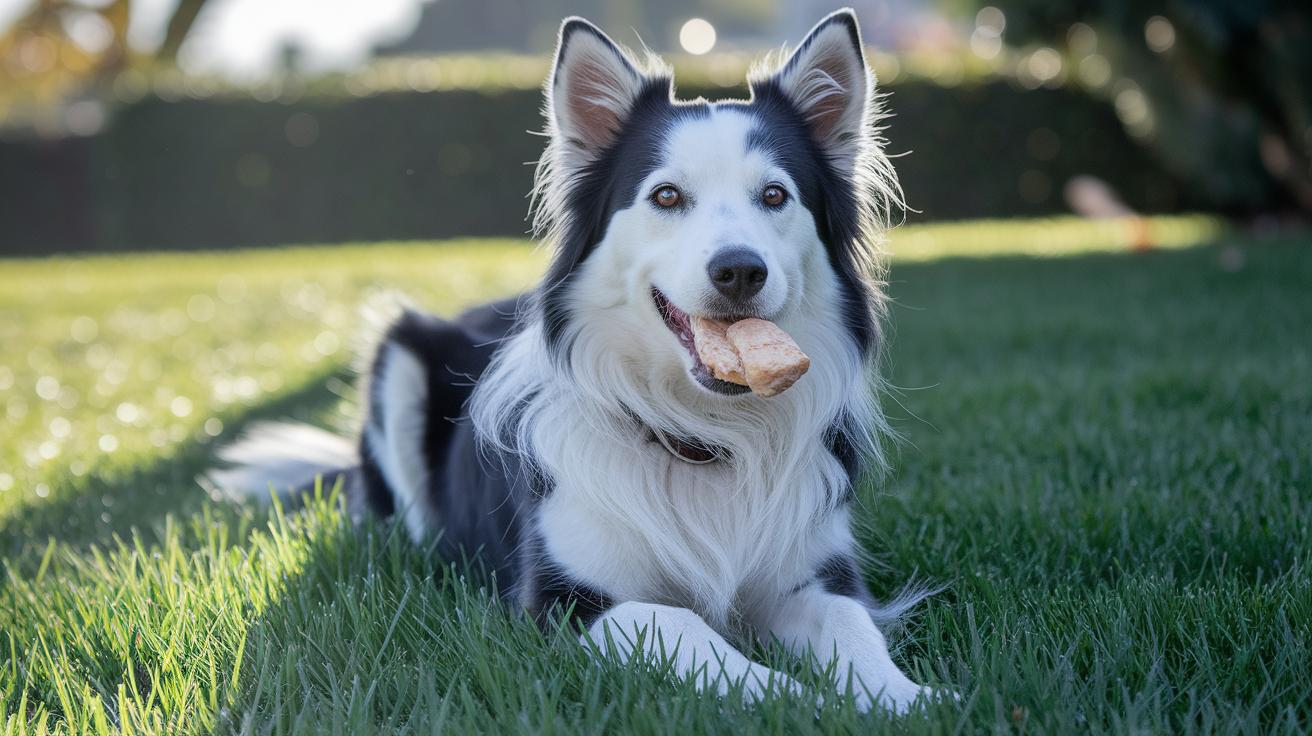
Treats are conversation starters, just ask Flora! Finding one irresistible but healthy reward can transform training. Look for single-ingredient options like freeze-dried liver or small cubes of cooked chicken, and remember the “10 percent rule”: treats should never exceed a tenth of daily calories. Rotate textures rather than flavours: soft for recall, crunchy for dental health, a longer-lasting chew for crate time. By anchoring every good thing to your chosen kibble, you reinforce that real meals remain the nutritional cornerstone, while treats become a controlled bonus instead of a bribing crutch.
When the Cat Steals the Kibble

Living with a feline “tiger” means those missing kibbles may not be canine reluctance at all, your cat is probably midnight-snacking! Cross-species households require feeding logistics. Separate feeding zones: dog eats on the floor, cat elevated. Use microchip-activated bowls or timed feeders if the thief is persistent. Not only does this prevent hunger strikes caused by an empty bowl, it also stops cats from piling on extra calories they don’t need. Observation is key: if you suspect stealth swiping, place a simple baby camera on the feeding area. You might catch the culprit in high-definition mischief.
The Power of Routine Feeding
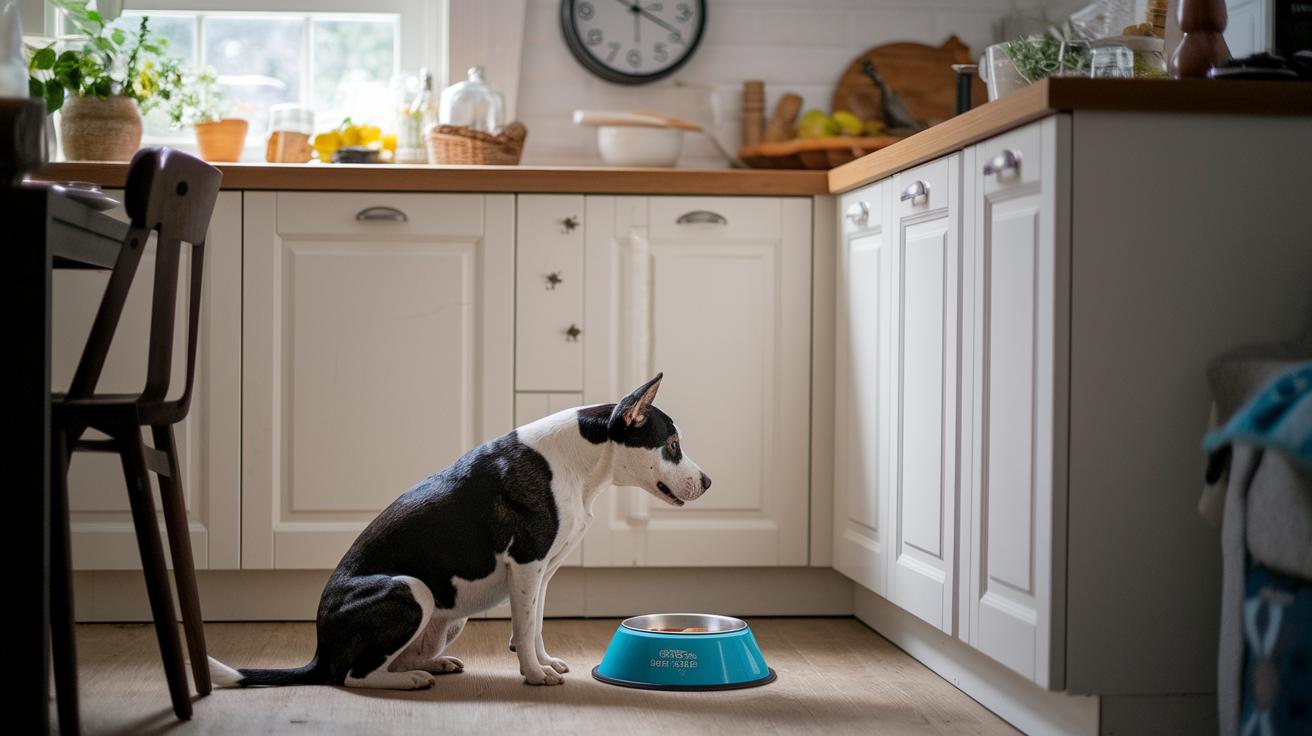
Dogs thrive on predictable schedules. Murphy’s nightly scoop at precisely 6 p.m. isn’t just habit, it’s security. Decide on meal times that fit your life, then stick to them within a 30-minute window. If you free-feed, transition gradually: measure the day’s ration, divide into one or two bowls, and pick up leftovers after 15 minutes. Regularity helps regulate digestion, creates solid stools, and makes it easier to spot appetite changes that could signal illness. A dog who knows "food always comes after the evening walk" is less likely to beg at the table or stress-chew furniture.
Treats That Add Up: Calorie Accounting 101
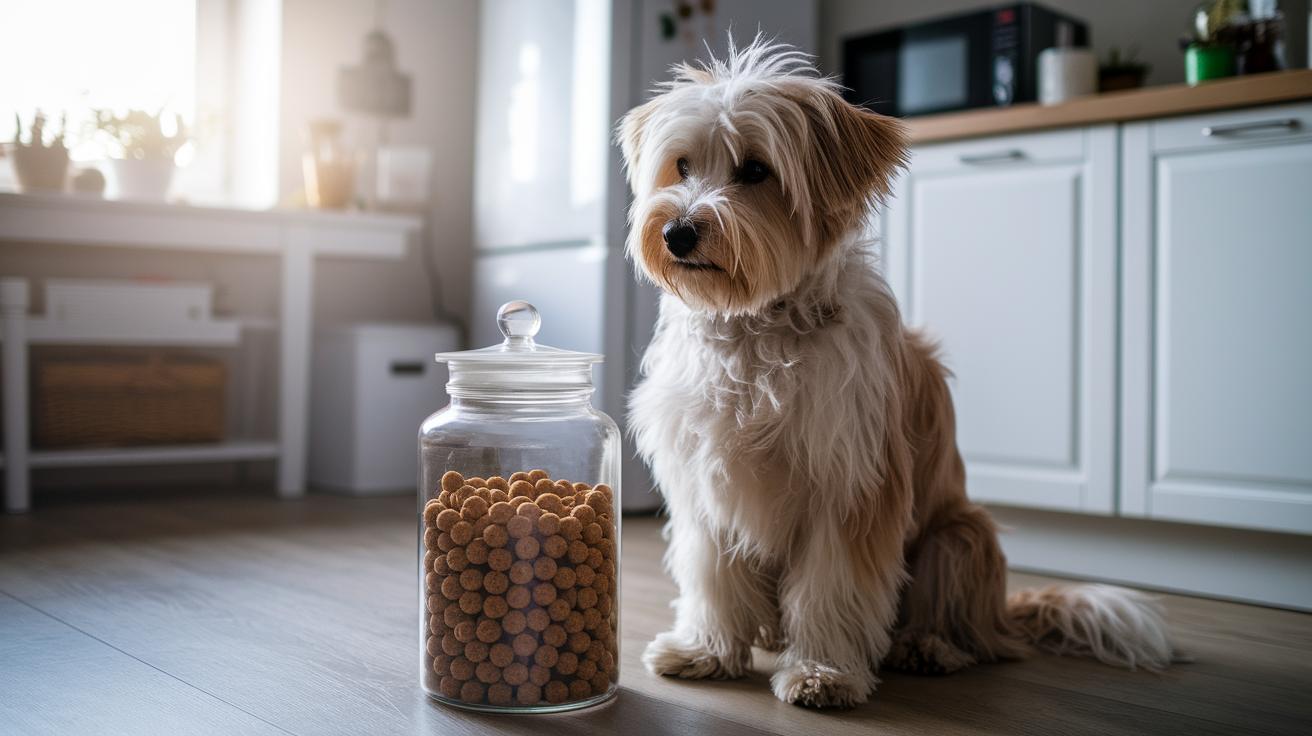
Chews, dental sticks, and the occasional bakery biscuit absolutely have a place in a balanced regimen, just budget for them. If a 50-calorie chewy strip is on tonight’s menu, scoop 50 calories worth of kibble back into the bag. This simple swap prevents creeping weight gain that can shorten a dog’s life span. Choose functional treats: rawhide alternatives that polish teeth, collagen sticks that support joints, or veggie-based crunchers that add fibre. Keep an airtight jar on the counter to signal “special,” but remember the real magic happens during the shared moment of praise, not the snack itself.