


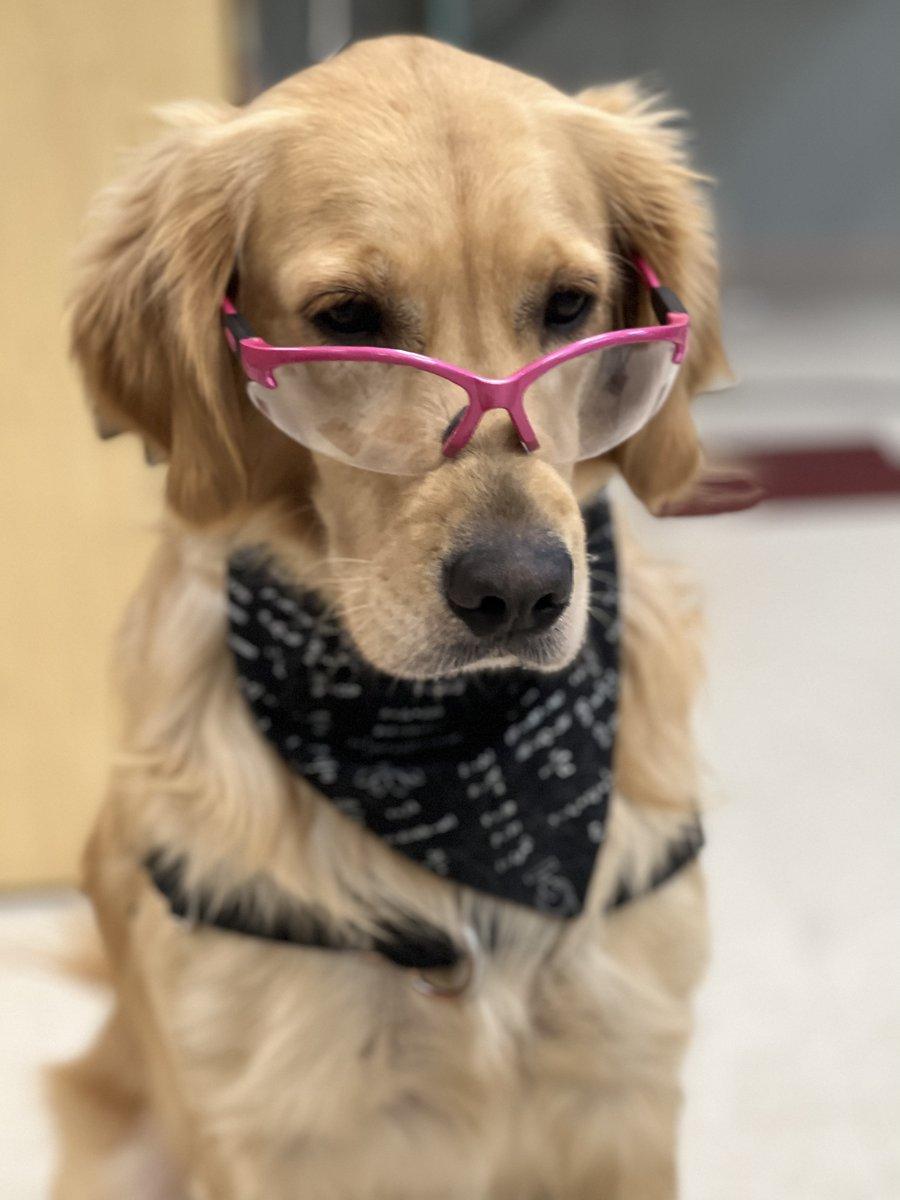
Ever watched your dog sniff the air like a four-legged detective and wondered what’s really going on inside that twitching nose? Canine respiration is far more complex than the simple in-and-out cycle humans rely on. Dogs have evolved a specialized breathing system that doubles as a high-performance scent detector, letting them map an entire neighborhood with a single walk. From side slits that redirect exhaled air to the tiny vortexes that pull odor molecules deep into nasal chambers, each anatomical tweak tells a story of survival, communication, and pure evolutionary genius. Let’s break down seven science-backed insights into your dog’s remarkable breathing machinery.
Dogs Breathe In Through Nostrils, Out Through Side Slits
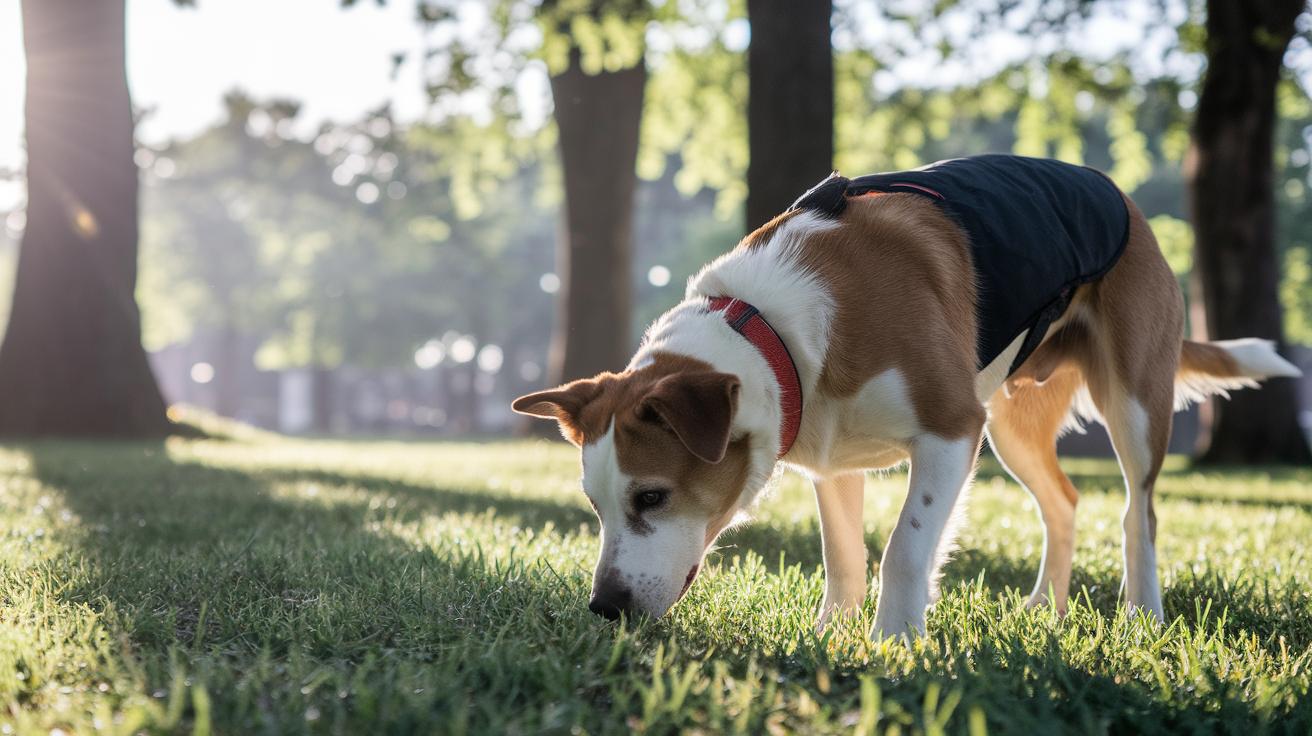
Unlike humans, who inhale and exhale through the same opening, dogs use a two-lane respiratory highway. Fresh air rushes in through the round front nostrils, carrying thousands of scent particles. When it’s time to exhale, air exits through discreet slits on the sides of the nose, preventing the outgoing stream from blasting away valuable odors. This simple anatomical trick keeps the incoming scent cloud undisturbed, allowing dogs to gather uninterrupted information with every sniff. The result is an olfactory sampling rate up to 50 times higher than ours, turning a casual stroll into a real-time data download of the world.
Their Noses Create Tiny Vortexes That Trap Odor Molecules
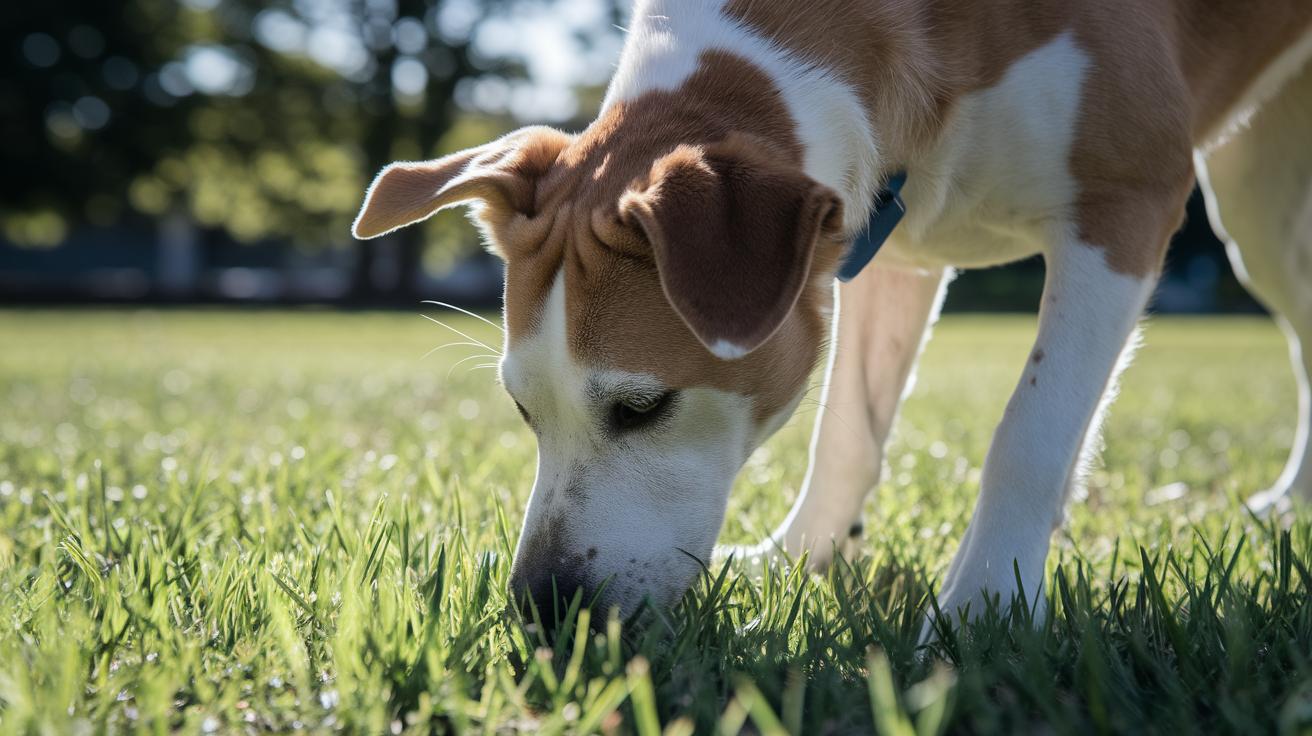
High-speed photography shows that each canine sniff generates miniature whirlwinds just inside the nostrils. These turbulent vortexes lengthen the time odor molecules remain in contact with moist nasal tissue, boosting capture efficiency. Think of it as a microscopic tornado that drags scent particles deep into a maze of turbinates, bony folds lined with millions of receptors. The longer a molecule lingers, the greater the chance it will bind to a receptor and register as an identifiable smell. This built-in turbulence explains why dogs can detect substances diluted to parts per trillion, from medical biomarkers to tiny traces of explosives.
Panting Isn’t Breathing, It’s Thermoregulation
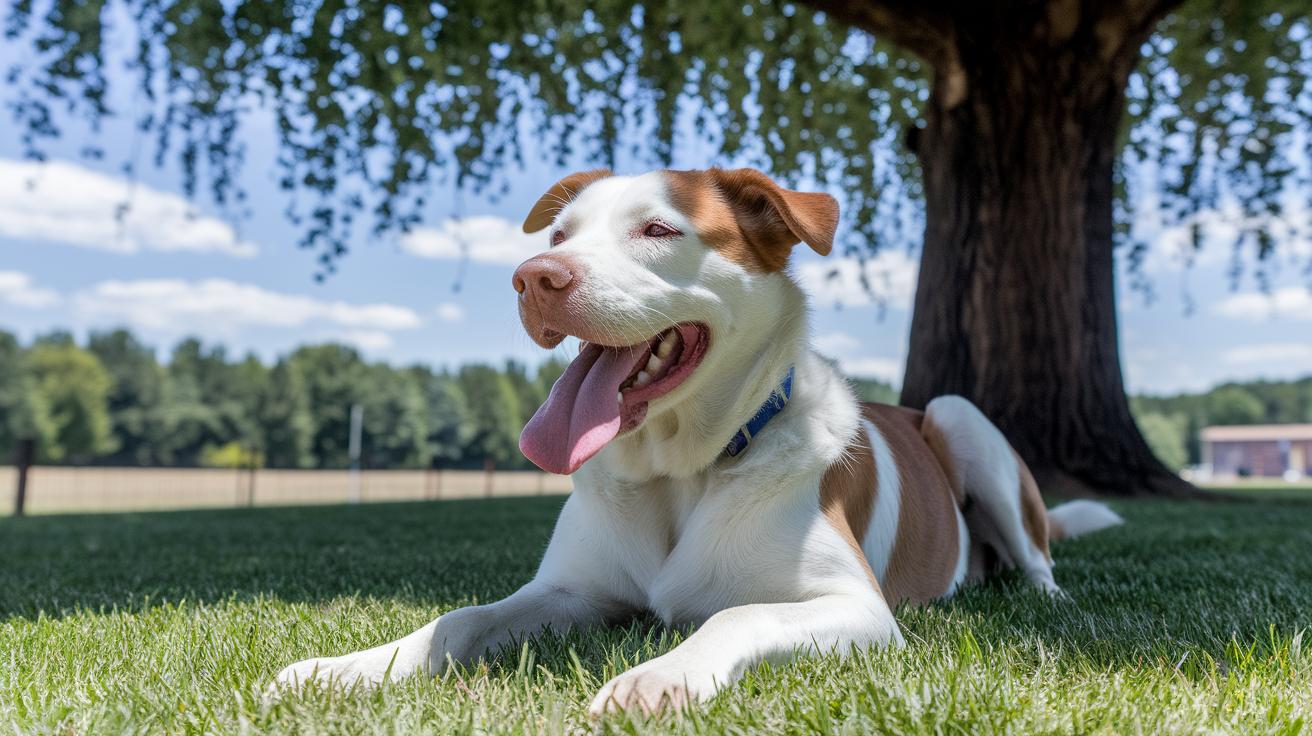
On a hot day your dog may seem to be breathing rapidly, but panting is actually a cooling system rather than a direct gas-exchange process. During a pant, air skims over saliva-coated tongue and oral tissues, evaporating moisture and pulling heat away from the blood vessels below. Meanwhile, normal respiration keeps ticking along in the nasal passages at a slower rhythm. By running these two tracks simultaneously, dogs can drop core temperature without sacrificing oxygen intake. Understanding this dual system helps owners recognize heat stress early and underscores why fresh water and shade are non-negotiable in warm weather.
Dogs Can Move Each Nostril Independently
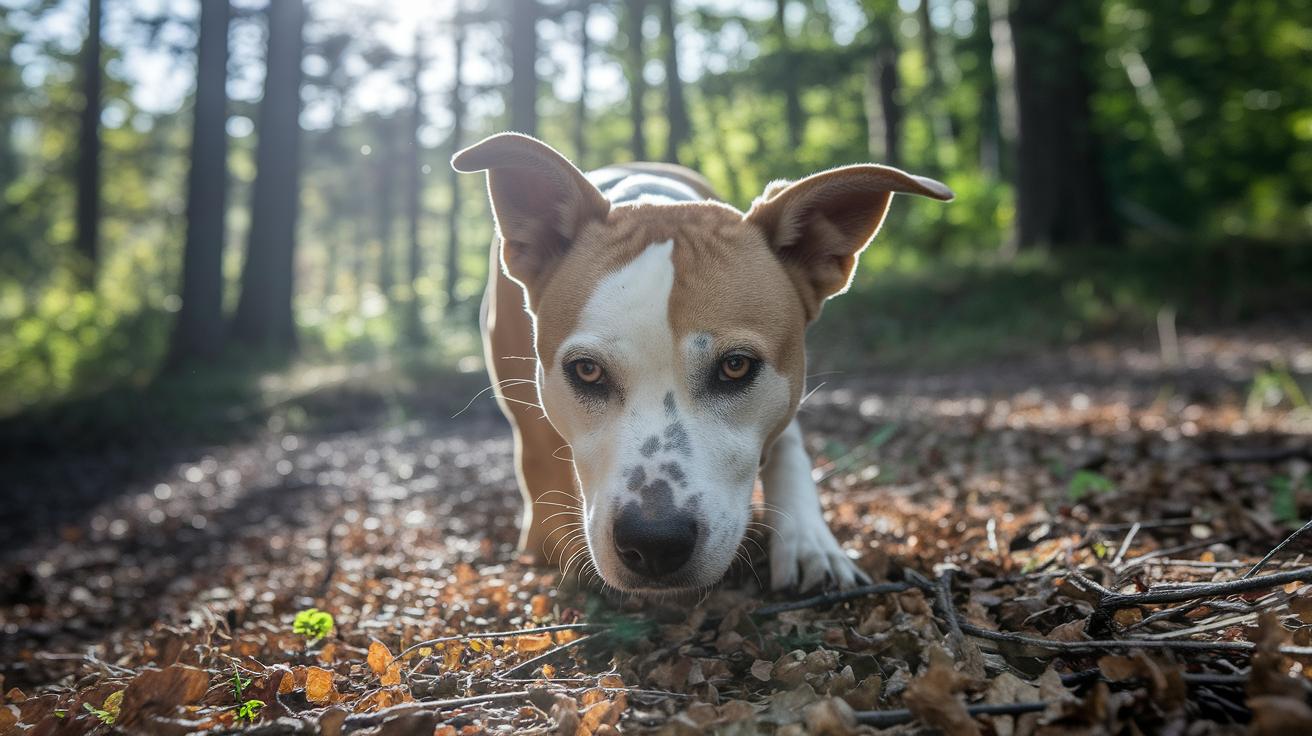
Research using scent-tracking tests reveals dogs subtly widen or narrow one nostril at a time, sampling wind direction like a living weather vane. This stereo-olfaction lets them pinpoint odor sources within seconds, crucial for hunting ancestors and today’s search-and-rescue heroes alike. Interestingly, initial unfamiliar or potentially threatening smells are often taken in through the right nostril first, a pathway linked to the brain’s emotion-processing centers. Familiar, non-threatening scents shift to the left nostril, streamlining recognition. It’s a built-in triage system that tells a dog whether to chase, investigate, or avoid in the blink of an eye.
Cold, Wet Noses Help Capture Scent Particles
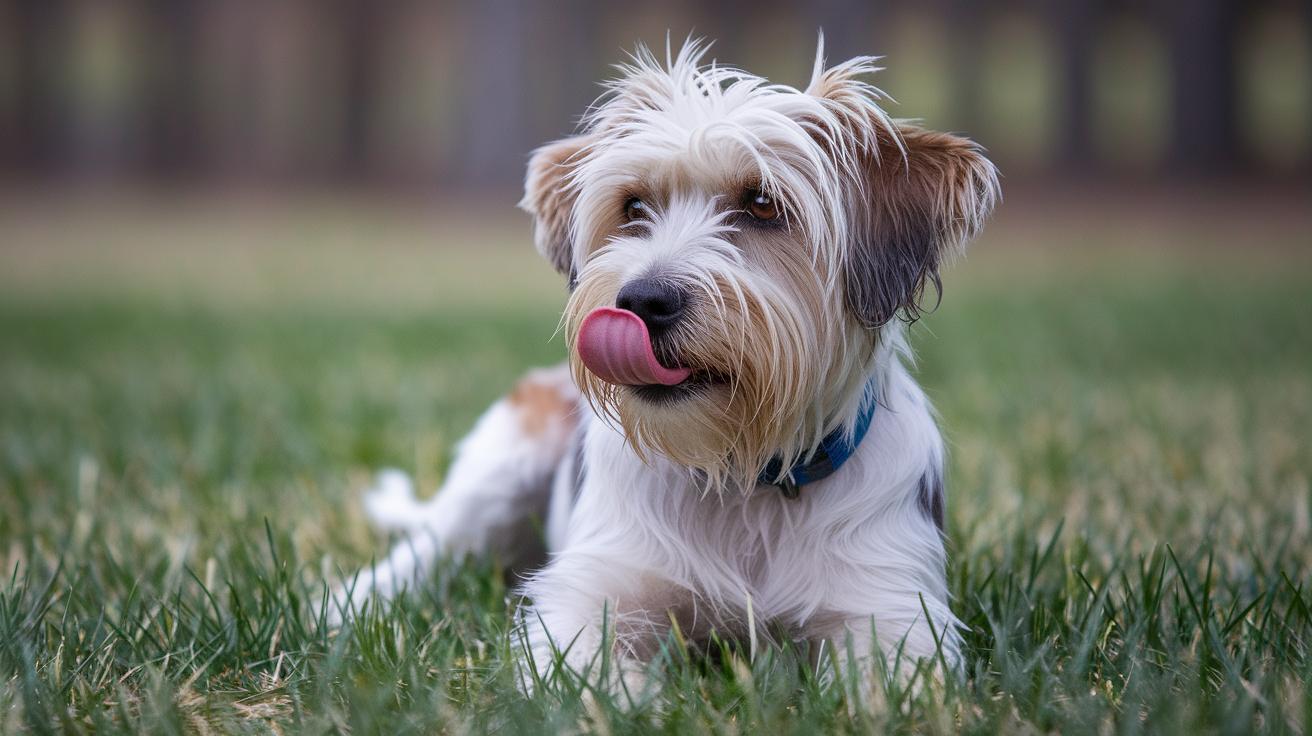
That damp nose print on your jeans isn’t just adorable; it’s functional. A thin layer of mucus on the rhinarium (nose surface) dissolves airborne chemicals, making them easier for receptors to read. The cool temperature you feel is the result of constant evaporative cooling, which condenses water vapor from the air and further traps molecules. Dogs routinely lick their noses to refresh this mucus coat, effectively “resetting” the sensor between sniffs. So the next time you feel that chilly boop, remember it’s your pup recharging the world’s most sophisticated handheld chemical analyzer.
Sniffing in Rapid Bursts Refreshes Their Scent Palette
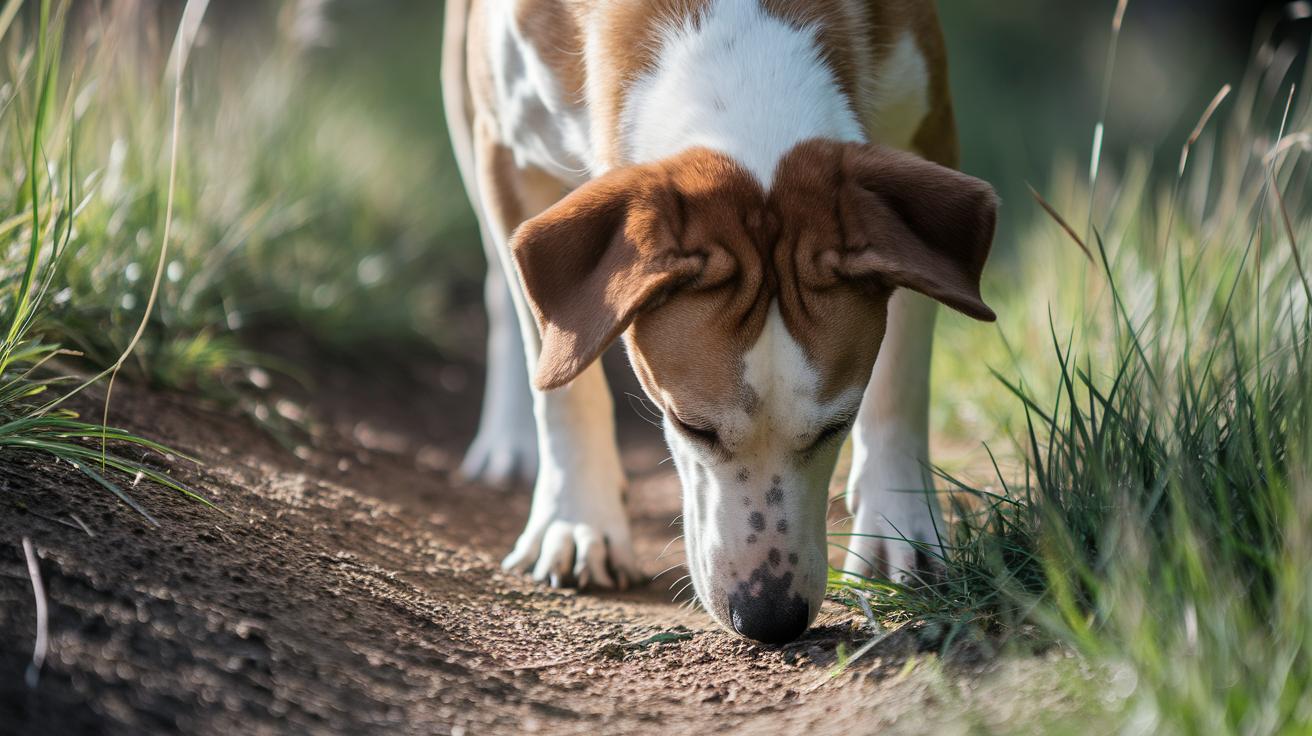
Watch a dog on a scent trail and you’ll notice a staccato rhythm: sniff-sniff-sniff, pause, then repeat. Each quick inhalation draws new air into separate nasal chambers, while previous samples remain in recesses for comparison. This layered intake lets dogs build a three-dimensional odor timeline, tracking how a scent’s intensity changes over distance and time. In practical terms, it enables trailing dogs to determine not just where a rabbit went but how recently it passed. The rapid-fire approach also prevents olfactory fatigue, keeping the sensory system sharp during long detection tasks.
Age, Breed, and Health Affect Canine Breathing Patterns
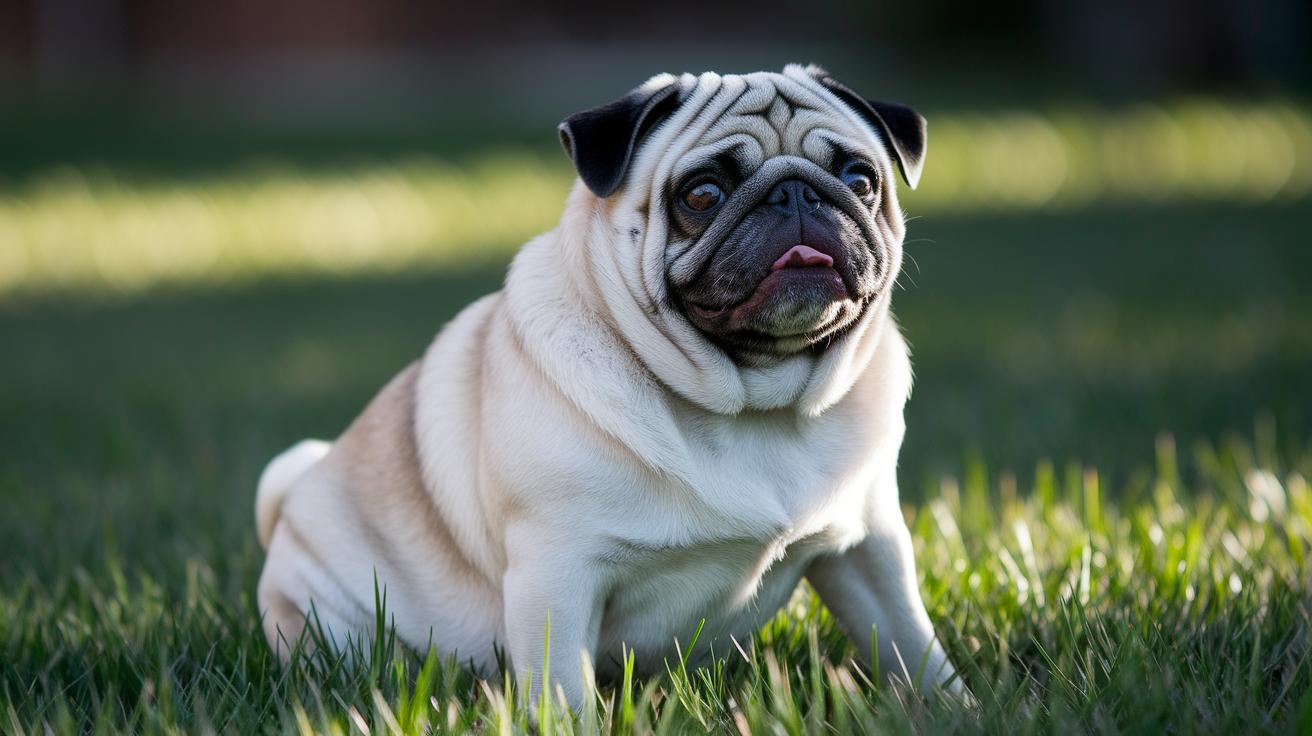
While the basic mechanics are universal, individual factors tweak the system. Brachycephalic breeds like pugs have shortened nasal passages, reducing airflow efficiency and making them prone to overheating. Senior dogs may lose some scent receptors, just as humans’ eyesight dims with age, though training can compensate for the decline. Respiratory illnesses, obesity, and even dental disease can alter breathing rhythms, signaling a need for veterinary attention. Understanding these variables helps owners tailor exercise, climate control, and healthcare choices to each dog’s unique respiratory profile, ensuring the nose that loves the world keeps sampling it comfortably for years.