



Your vet is vital, but the day-to-day care you provide at home can speed up healing more than you think. Focus on these six fundamentals to help your dog bounce back without endless appointments or expensive extras.
Rest, Shelter, Cleanliness: The Healing Fundamentals

I used to bounce from one vet to another hunting for a miracle cure for my sick rescue. After years, I discovered that the real magic lives in the basics. Consistent sleep, a secure roof, clean surroundings, nutritious meals, and simple medication do 90 % of the healing. When you combine those building blocks with a deliberate effort to trim your dog’s stress, the body finally gets a chance to repair itself. Below are the six everyday habits that turned my anxious, patchy-coated mutt into a bright-eyed companion in only a few weeks.
Ensure Deep, Uninterrupted Rest

Dogs heal during downtime, not during the daily sprint. Aim for 12–14 hours of quality sleep for adult dogs and up to 18 hours for puppies and seniors. Create a quiet corner away from foot traffic, televisions, and slammed doors. A firm orthopedic bed cushions joints and promotes circulation, while blackout curtains muffle daylight during afternoon naps. Keep kids and other pets from poking a dozing dog; uninterrupted REM sleep is when tissue repairs, hormones balance, and the immune system rallies. Think of it as prescribing a nightly spa session, except it’s free and happens right in your living room.
Provide a Safe Roof and Cozy Space
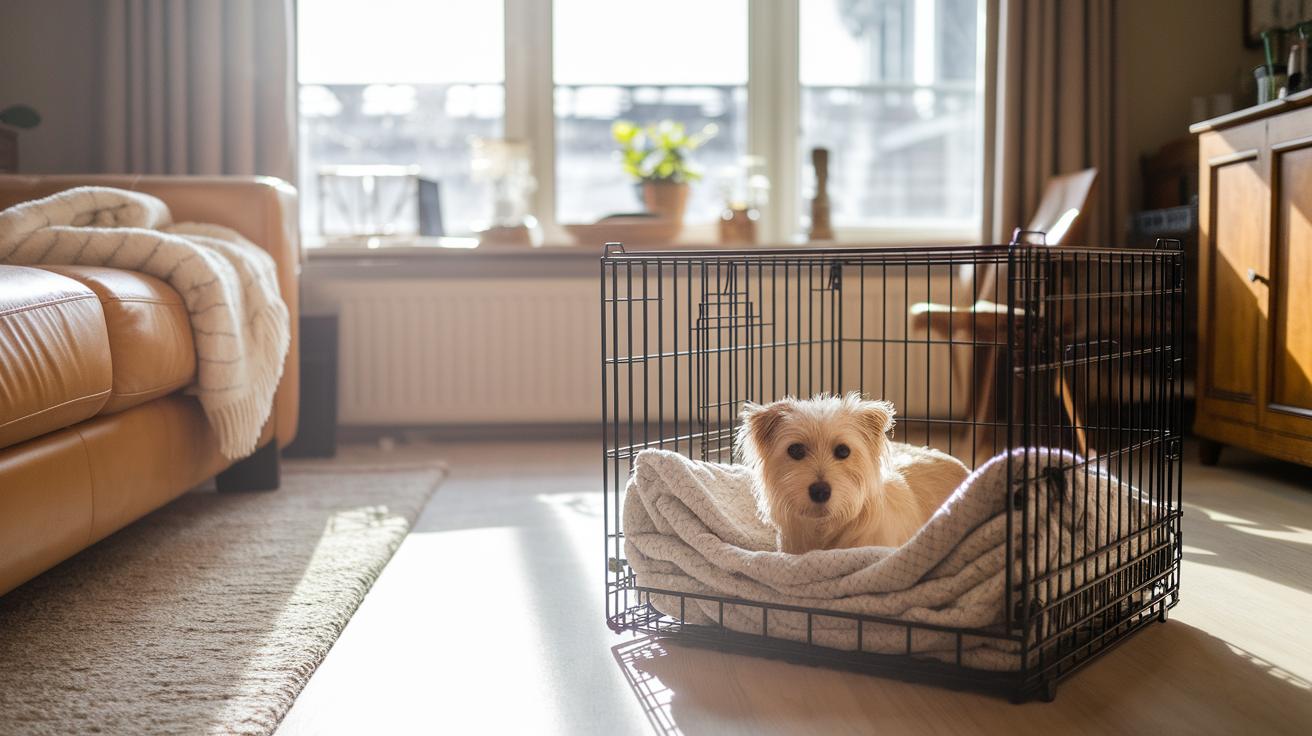
Shelter is more than four walls; it’s where a dog feels unthreatened. Drastic temperature swings sap energy that should go toward recovery, so keep rooms between 68 °F and 75 °F. Draft-free spaces prevent stiff joints and respiratory flare-ups. Inside the home, designate a crate or gated area lined with blankets that smell like the family, not harsh detergents, to anchor her sense of belonging. If you must leave her outside for portions of the day, invest in a weather-proof kennel with raised flooring and shade. Predictability lowers cortisol, and a predictable place to land is the foundation of that calm.
Keep Everything Spotless
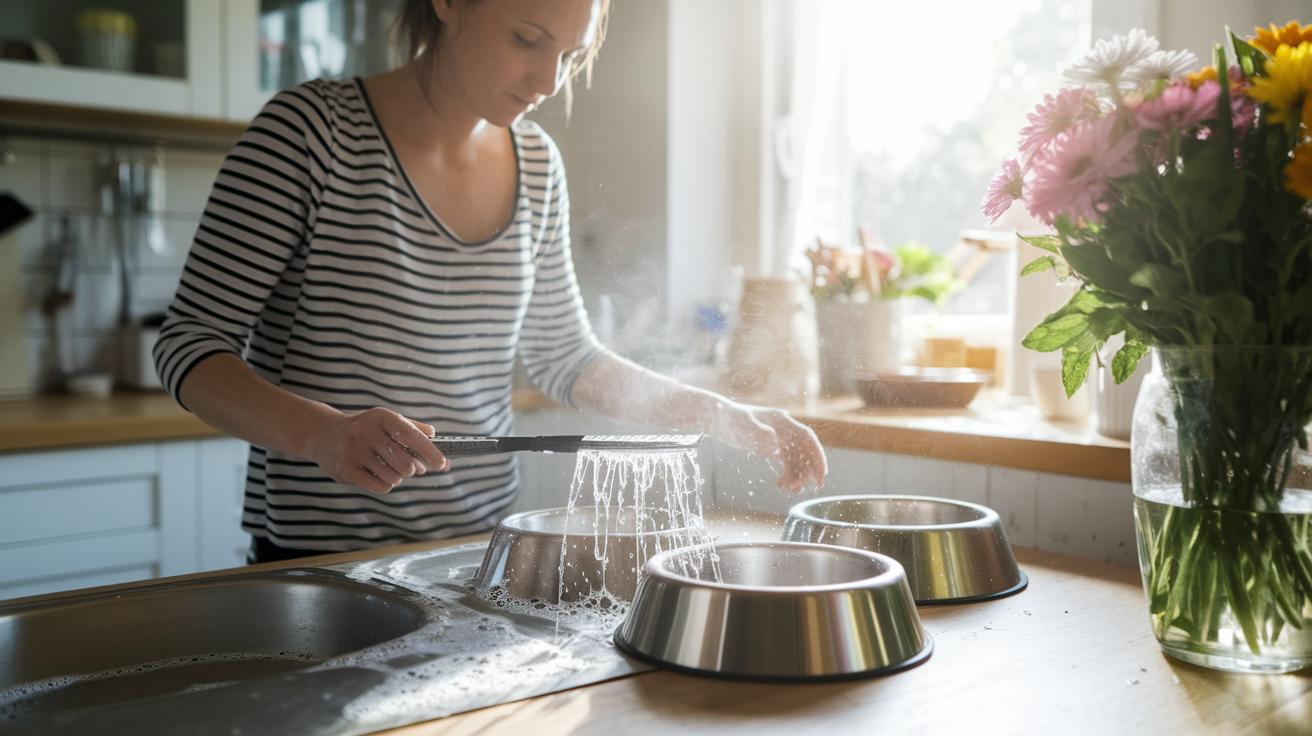
A spotless environment fights off secondary infections and lifts spirits. Wipe paws after every walk to keep allergens and street chemicals from reaching healing skin. Launder bedding twice a week in fragrance-free detergent to avoid itching. Disinfect bowls daily with hot, soapy water and rinse thoroughly so no residue upsets her stomach. Vacuum fur and dander that harbor mites, and mop floors with pet-safe cleaners, never bleach or ammonia mixes that can burn tender pads. Grooming counts too: a gentle brush stimulates circulation and lets you spot lumps, rashes, or parasites early, before they bloom into bigger issues.
Feed Premium, Balanced Meals
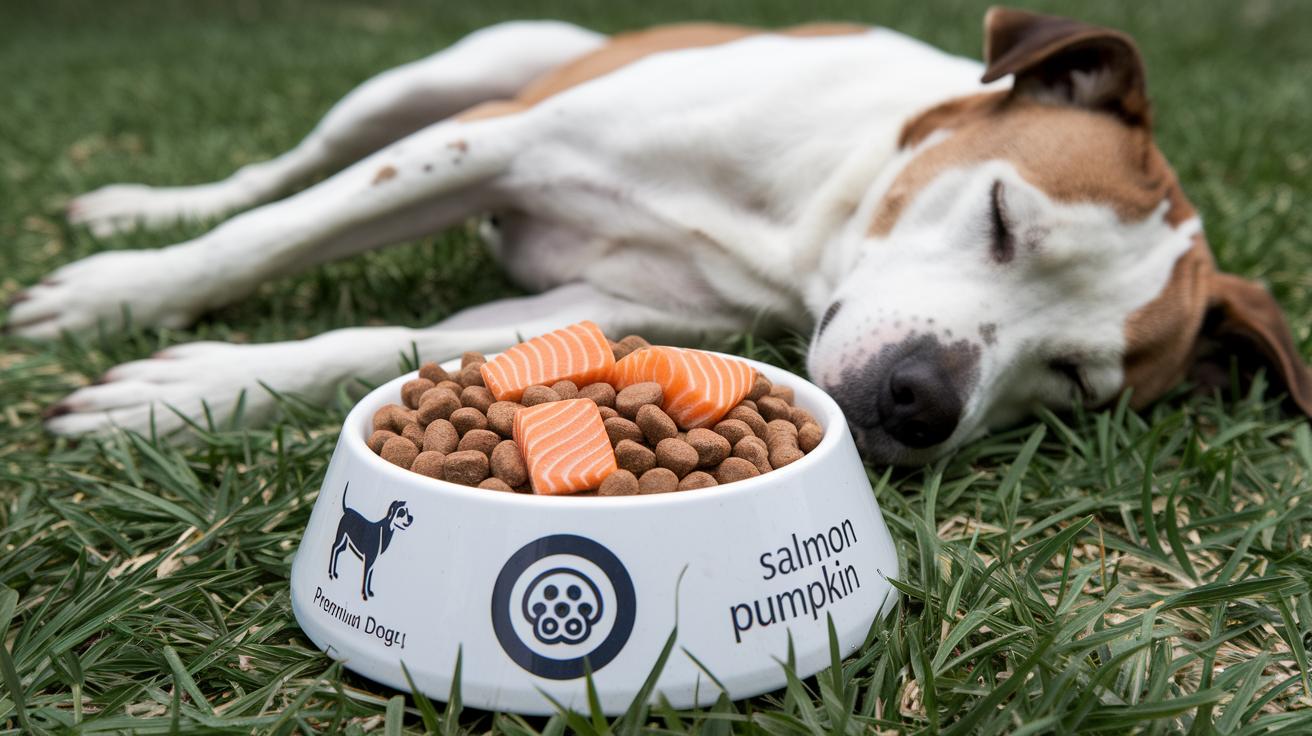
Nutrition is the raw material of recovery. Choose a high-protein kibble or gently cooked diet that lists meat as the first ingredient and avoids fillers like corn gluten. Add omega-3-rich sardines or salmon oil to ease inflammation and brighten coat. A spoonful of plain pumpkin supplies fiber that steadies digestion, while probiotic yogurt seeds the gut with beneficial bacteria. Weigh portions so you’re feeding for ideal body condition, not just appetite; extra pounds stress joints and organs. Always provide fresh, cool water, dehydration slows wound closure and concentrates toxins. Food isn’t simply fuel; it’s the toolbox every cell pulls from.
Stick to Straightforward Medicines
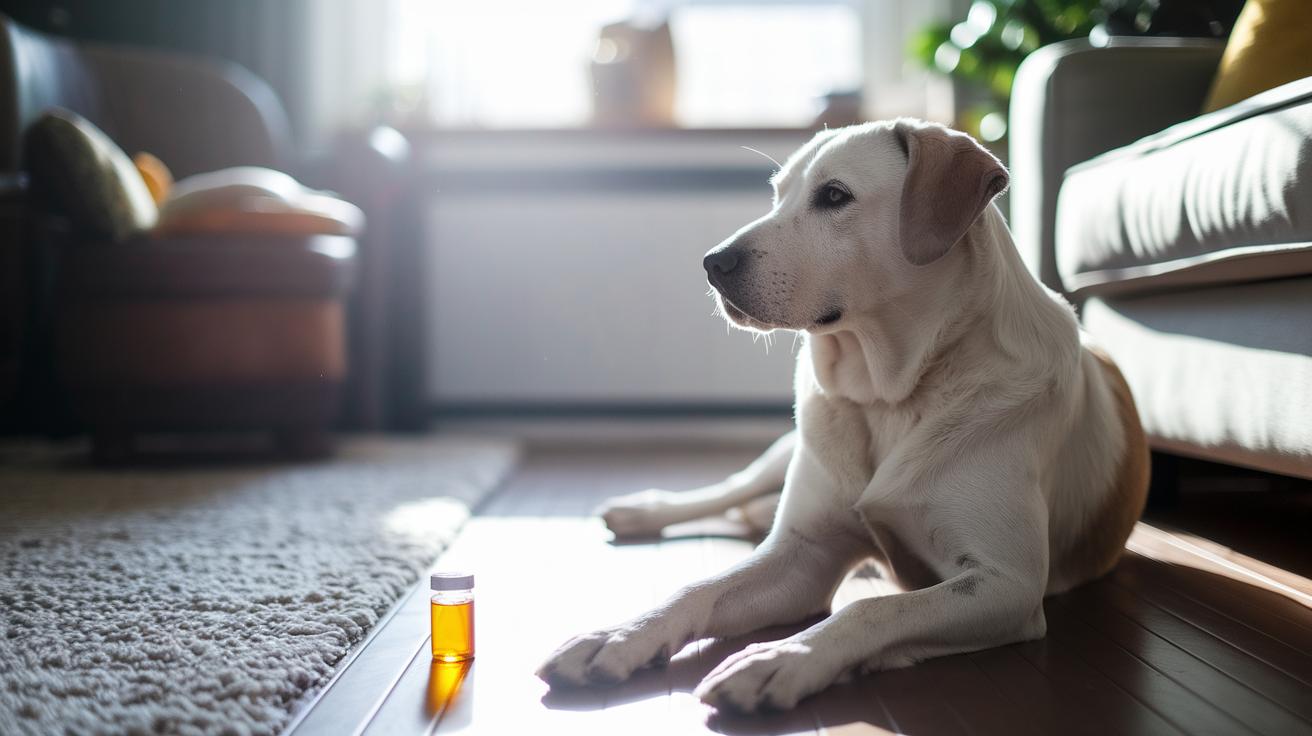
Complex drug cocktails can create side effects that masquerade as new illnesses. Whenever possible, work with your vet to keep treatment plans lean: one antibiotic targeted by culture, a proven anti-inflammatory, perhaps a topical ointment, not a pharmacy’s worth of pills “just in case.” Administer medications at the same time each day to maintain therapeutic levels, and track doses with a phone reminder or chart on the fridge. Store tablets in a cool, dry place and recheck expiration dates monthly. Fewer medicines mean fewer chances for interactions, fewer vet visits for refills, and more clarity about what’s genuinely helping.
Lower Their Daily Stress
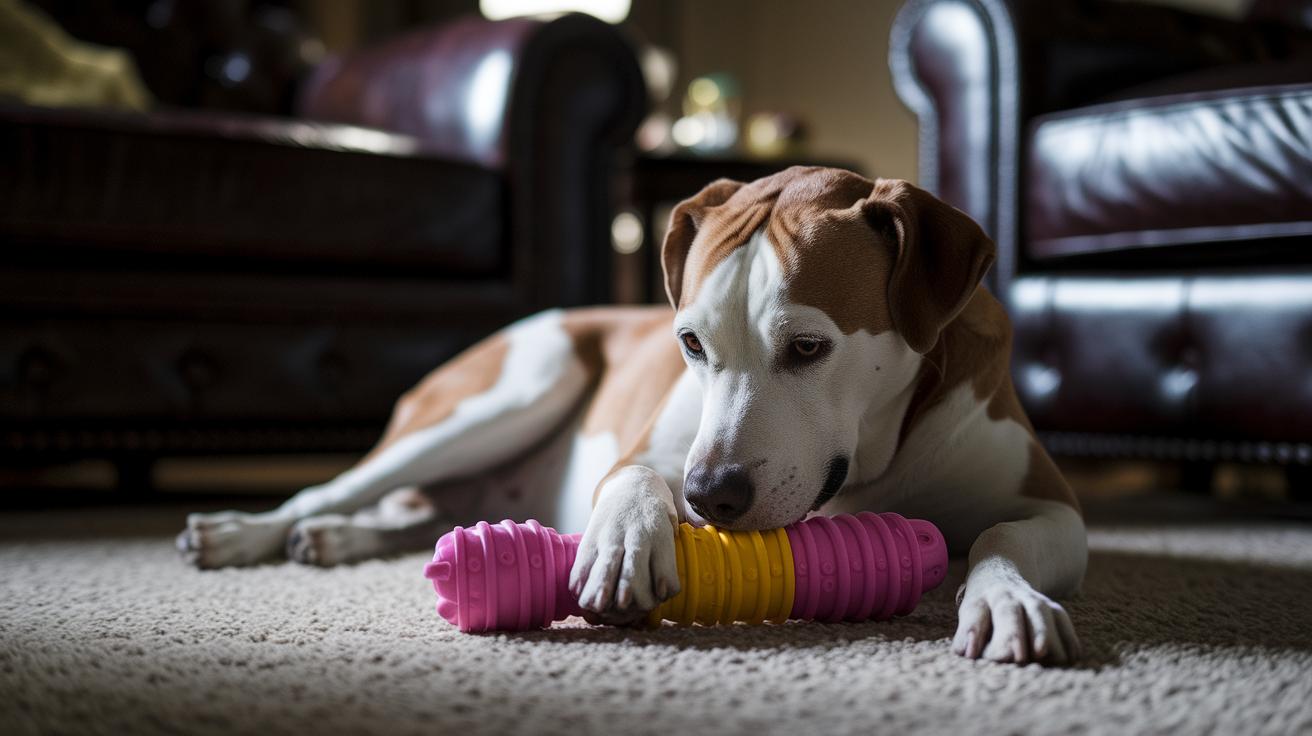
Stress floods a dog’s body with cortisol, which suppresses the immune response and slows regeneration. Start by trimming the noise: turn down the stereo, silence push-notifications on smart speakers, and train family members to use calm voices. Keep walk routines predictable, same route, same time, to minimize surprises. Offer chew toys stuffed with frozen wet food; the gnawing motion releases endorphins that naturally relax her. Short, gentle training sessions using positive reinforcement give mental stimulation without overtaxing energy reserves. Finally, give her the choice to retreat. A dog that feels in control of her environment rebounds faster, both mentally and physically.