



Tiny paws, feathery wings, or dragon-like scales—the allure of an unusual or “easy” pet is strong. But beneath the cute Instagram photos lies a world of specialized diets, nocturnal habits, and steep vet bills that catch first-time owners off guard. Before you bring home a pint-sized mammal or a miniature reptile, learn why these five common starter pets demand more time, money, and planning than most people realize.
1. Hamsters: Night Owls With Escape Plans
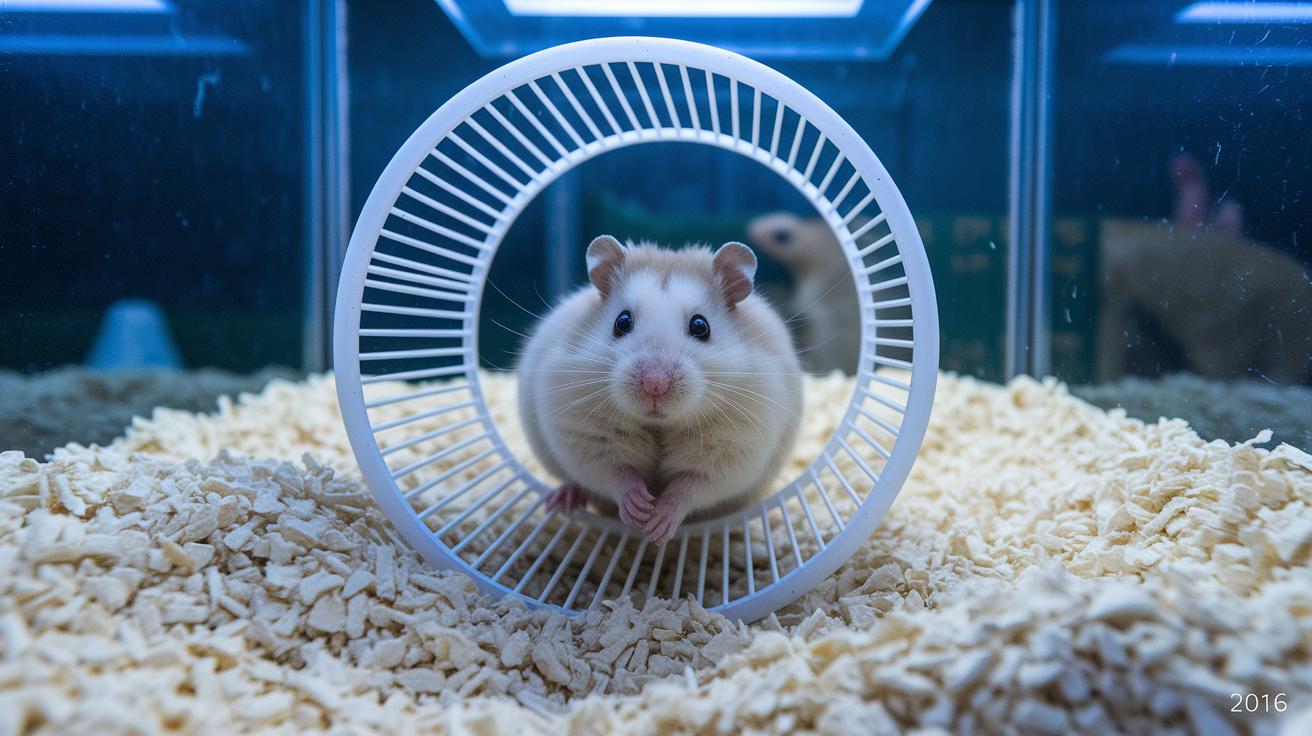
A hamster’s small size fools many shoppers at the pet store. These solitary rodents run several miles each night, so cramped plastic cages quickly turn into stress factories. They require a large, well-ventilated enclosure, think 450 square inches of floor space or more, plus a solid-surface wheel, chew toys, and deep bedding for burrowing. Their nocturnal schedule means squeaky wheels at 2 a.m., while daytime handling can shorten their already brief two- to three-year lifespan. Add in specialized vet care for dental or respiratory issues, and that $15 impulse buy can become a serious, sleepless commitment.
2. Rabbits: High-Maintenance Herbivores

A rabbit’s gentle demeanor hides a complex set of needs. Proper housing requires a roomy, predator-proof pen or free-roam space, not a cramped hutch. Their delicate digestive systems thrive on unlimited hay, specific greens, and measured pellets, with any sudden change risking GI stasis, a rapid-onset emergency. Chewing is instinctual, so baseboards, cables, and houseplants need full-time protection. Regular grooming prevents deadly fur blockages, and bonding with humans, or, better, another rabbit, takes daily interaction. With lifespans reaching ten years, adopting a bunny resembles caring for a small dog, minus the barking but with twice the dental bills.
3. Bearded Dragons: Sun Lovers in Your Living Room

Beardies seem hardy, but replicating the Australian desert indoors is no small feat. These lizards need a 40-gallon (or larger) terrarium, UVB lighting that must be replaced every six months, and a precise heat gradient, 100 °F basking zone by day, cooler nights. Their diet shifts from protein-heavy insects as juveniles to mostly greens as adults, demanding daily prep and calcium supplementation. Skip a few feedings or use the wrong bulb, and metabolic bone disease can set in. Factor in vet visits with exotic-animal specialists and a 10–15-year lifespan, and the “easy” reptile label crumbles fast.
4. Pet Birds: Social Butterflies That Never Stop Chirping

From parakeets to cockatoos, birds rank among the most misunderstood pets. Highly intelligent and flock-oriented, many species suffer behaviorally if left alone for long stretches. They need an enclosure large enough for flight, daily out-of-cage time, and constant mental enrichment, think foraging toys and training sessions. Seed-only diets lead to malnutrition; fresh veggies, pellets, and safe nuts are essential. Noise levels can rival an alarm clock, and feather dust triggers allergies in unsuspecting owners. With lifespans stretching 20 to 60 years, adopting a bird is closer to adding a family member than purchasing décor.
5. Guinea Pigs: Vocal, Social, and Surprisingly Demanding

Guinea pigs charm with squeaks and cuddly looks, yet they outgrow store-bought cages almost instantly. Experts recommend at least 7.5 square feet for a pair, yes, a pair, because these herd animals become depressed when isolated. Fresh hay must be available 24/7 to keep their continuously growing teeth in check, and vitamin C supplementation is non-negotiable to prevent scurvy. Regular nail trims, daily spot cleaning, and vet visits for respiratory illnesses add to the workload. Living five to eight years, cavies offer endless affection, but only if their humans commit to big-pet care on a small-pet budget.