



Have you ever stopped to think how some animals do just fine without tails? Picture life without that extra part used for balance or even a friendly signal. Nature sometimes chooses a different path where a tail just isn’t needed. Humans, our close great ape cousins, and even some quirky birds remind us that being tail-free can be a clever, built-in design. These creatures show us how unique body shapes can sparkle in unexpected ways. In this chat, we’ll explore how letting go of a tail might bring out natural charm and smart adaptations.
Definition and Classification of Tail-Free Animals
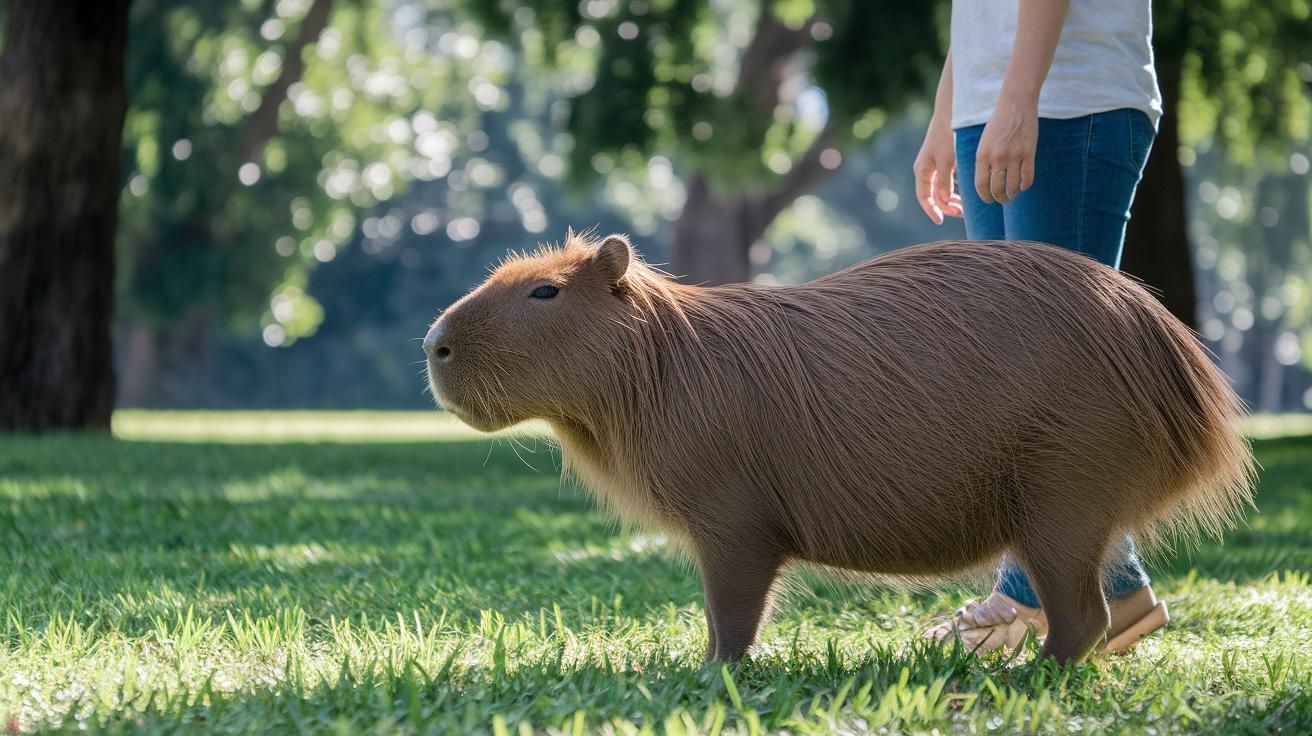
Imagine a tail, a flexible, swinging extension that many animals use for balance, signaling, or other neat tricks. Yet not every creature gets a tail. Some species naturally lack this feature because evolution and genetics nudged them in a different direction. For example, if standing upright or enhancing arm movements became more important, a full-length tail might simply have gotten in the way.
Consider these examples. Humans, for instance, never had a tail since our arms help us with everything a tail might do. Great apes like gorillas, chimps, gibbons, and bonobos also evolved without one, paving the way for more upright movement. And then there are animals like the capybara and guinea pig, which over time lost their tails. Even some birds, like the kiwi, along with unique breeds such as the Araucana chicken, show nature’s choice to go tail-free. There’s also the arboreal koala, the Manx cat with its charmingly stubby rear, notail sheep with reduced tails, the Barbary macaque, amphibians like certain frogs, and even the octopus, which has no tail at all.
| Class | Example Species | Tail Condition |
|---|---|---|
| Mammals | Human | Naturally tailless |
| Mammals | Great Ape | No tail |
| Mammals | Capybara | No tail |
| Birds | Kiwi | Tail absent |
| Amphibians | Frog | No tail |
| Invertebrates | Octopus | No tail |
These examples truly show how diverse nature can be. Every one of these animals has followed its own evolutionary path, embracing a tail-free lifestyle in one way or another. Isn’t it amazing how even without that extra flick or wag, life remains full of character and endless wonder?
Evolutionary and Genetic Reasons for Tail Absence
Tails can be perfect little balancing tools and a fun way for animals to chat without saying a word. But over time, some critters discovered that a long tail wasn’t as handy when their bodies started changing for speed and quick moves. Fossils even show us that early amphibians and mammals gradually trimmed their tails as they made the big leap from water to land. Imagine those early days, when a shorter tail meant better land adventures, nature really knows how to mix things up.
On the genetic side, a few tiny mutations pack a big punch, sometimes stopping a tail from growing at all. Think about the Manx Cat or Manx Rat, a little change in the T gene means they grow little to no tail. Even Notail Sheep follow their own unique genetic recipe for a shorter tail. It’s pretty wild how just one small tweak can change an animal’s whole design, showing us that nature’s creativity often comes in the tiniest packages.
Anatomy and Locomotion in Tail-Free Animals
Tail-free animals have found smart ways to move and stay balanced even without a tail swinging along behind them. Their bodies adjust by fine-tuning muscles and bones, shifting where their weight sits, and using different balance tricks. It’s a bit like redesigning a car once you take off the tail fin – every small change matters.
Humans, for example, shift their pelvis to help us walk upright, and great apes use their strong arms to keep steady when they move. Rodents like guinea pigs and capybaras build extra strength in their back legs, so they can stand firm and move lightly. And when you watch a frog leap from a rock, its powerful leg muscles work like built-in springs to push it off the ground.
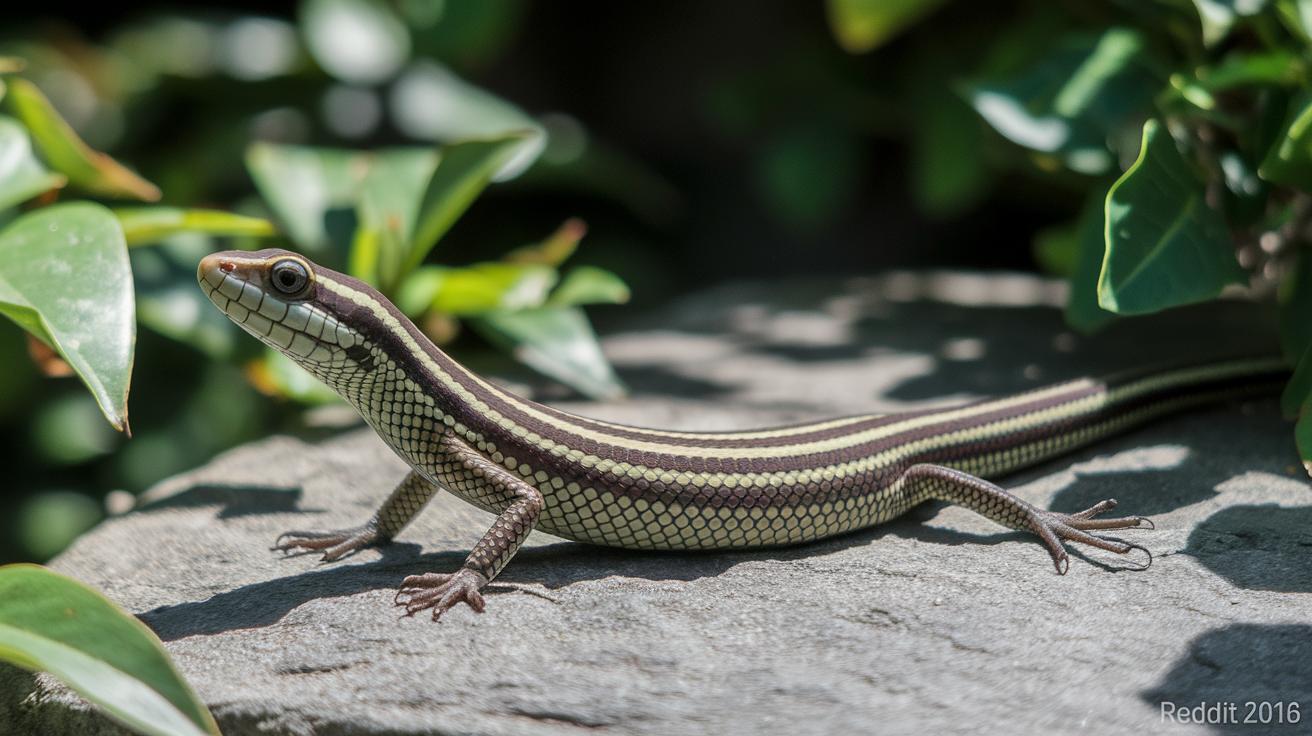
These clever changes help adjust the center of gravity in these animals. The way their backbone is shaped and how they hold their limbs even out the weight, making movement smoother. Take skinks, for instance – they wiggle their bodies gracefully, using those smooth undulations in place of a tail to steer while they move. It’s a smart fix that shows off nature’s knack for solving problems.
All these neat adaptations answer the big question of how animals get by in the wild. Even without a tail, they manage to move with charm and efficiency, proving that life always finds a way to keep moving forward.
Ecological and Behavioral Adaptations in Animals Lacking Tails
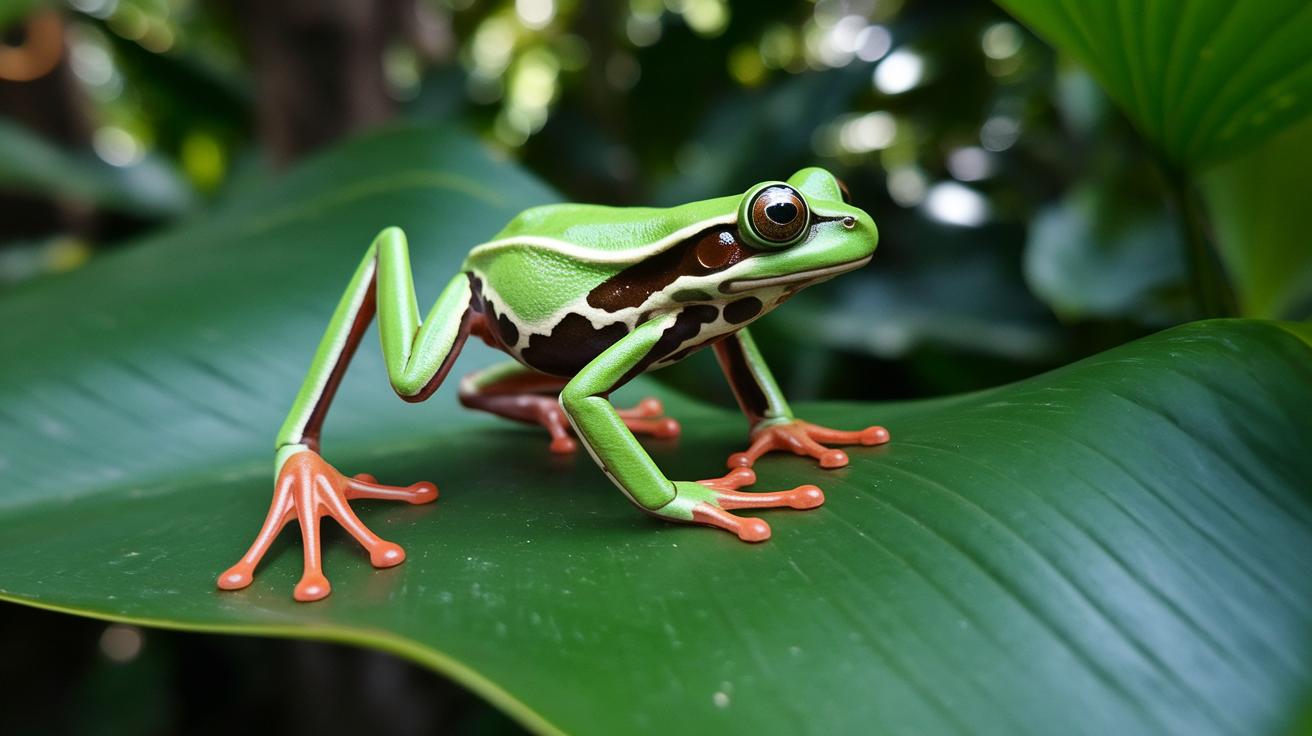
Animals that don’t have tails have found creative ways to make the most of their surroundings. Take frogs and toads, for example, they rely on their strong legs and natural camouflage to leap quickly and blend into their environment, almost like they’re playing hide and seek. Flightless kiwis amble through forests, using tiny vibrations felt by their bills to find food, so missing a tail isn’t a problem at all. In fact, some animals even benefit by avoiding tails that could get caught in thick bushes or tight tunnels, which helps them stay safe.
When it comes to dodging danger or catching a meal, not having a tail can be a real bonus. Octopuses use sudden bursts of jet propulsion and clever color changes to escape predators, instead of needing tail signals. And spiders and crabs? They lean on their tough exoskeletons, which act like natural armor, to navigate tricky spots and dodge enemies. It’s a neat reminder of how nature equips each creature with exactly what it needs to thrive, even without that extra appendage (https://ribbon.co?p=4877).
Conservation and Future Research on Tail Omission Phenomena
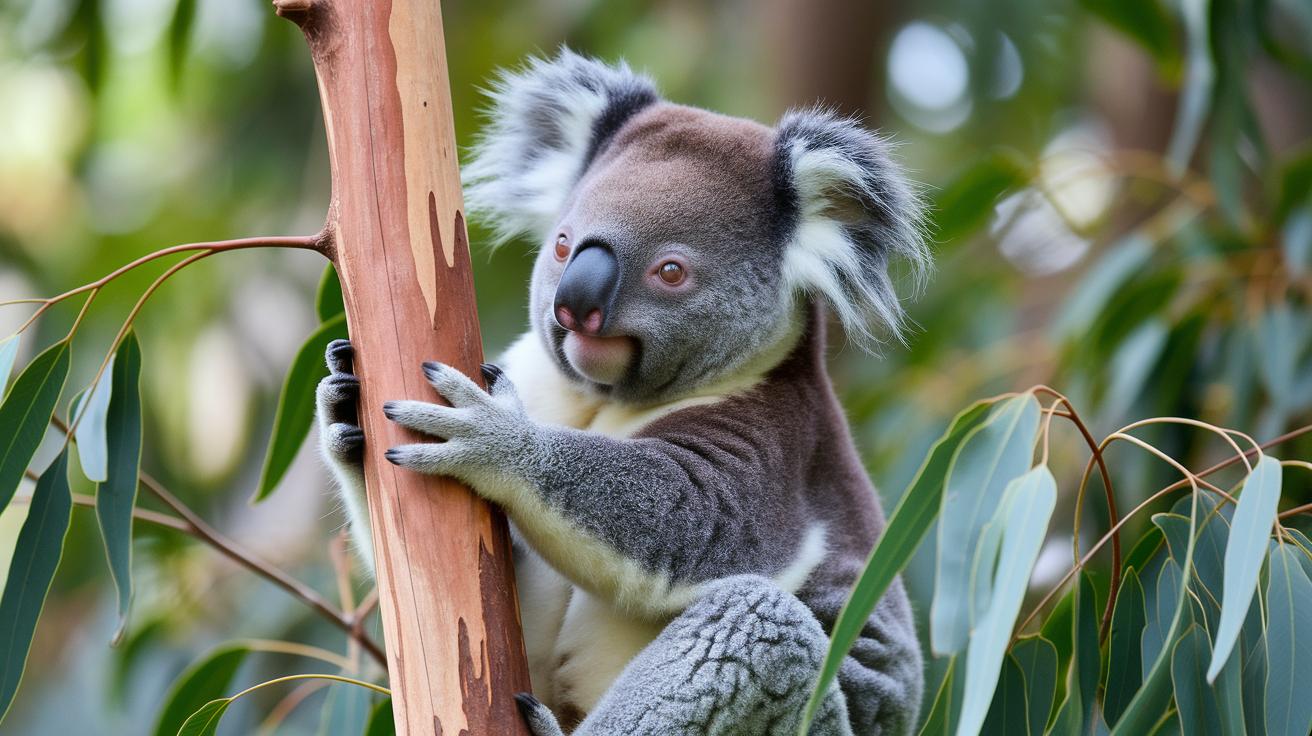
Many tail‐free species are facing tough challenges because their homes are shrinking or changing quickly. Take koalas, for example, they cling to eucalyptus trees with such gentle determination, yet their natural world is fading away, much like the worries we have for Manx Cats and kiwi populations. It’s a vivid reminder of how our environment shifts can put our furry friends at risk.
Scientists are now looking closely at the natural “instruction manual” that shapes how animals lose their tails. They’re exploring simple changes, like little shifts in the T gene (a key player in tail growth), which can lead to big differences in a creature’s appearance, think of a small twist that turns a tail into something very different in a Manx Cat or even a Manx Rat. They’re even comparing stories from mammals, birds, and reptiles to figure out when a tail really became less important. It’s almost like uncovering a secret recipe that nature has been using for ages.
Looking ahead, researchers want to see how animals without tails move, use energy, and interact with their homes. By keeping a close watch on these details, they hope to understand how these creatures manage without their tails, and how that might give them an edge during hard times. This new information could be the key to crafting better conservation plans that keep these rare animals safe, all while celebrating their unique, tail‐free charm.
Final Words
In the action, we explored the definition, reasons, and practical adaptations of species that naturally lack a tail. We looked at how genetic factors and evolutionary shifts have shaped their anatomy and behavior. The post shared key examples and insights, revealing remarkable adaptations in movement and habitat use. These studies encourage more research and protective efforts. This discussion leaves a warm reminder of nature’s clever ways and the incredible resilience found in animals without tails.
FAQ
What animals have no tails?
The animals with no tails include several mammals, amphibians, and reptiles that naturally lost their tails through evolution. Examples include humans, some primates, and specific rodent species that adapted without a visible tail.
Is there a mammal with no tail?
The mammal with no tail can be seen in humans and our close relatives like apes, whose evolution favored a tail-free body. These species adapted to an upright stance and other balance methods instead.
What are some tail-free land and four-legged animals?
The tail-free land and four-legged animals include species such as great apes, Notail Sheep, and capybaras. They evolved unique body structures, adjusting their balance and movement without a tail.
Can you name three animals that naturally lack tails?
Three animals that naturally lack tails are humans, gorillas, and Manx cats. Each shows how certain species evolved without a tail, adapting in ways that suit their lifestyle and habitat.
What interesting facts exist about animals without tails?
The facts about animals without tails reveal that tail absence is an evolutionary trait. Many species developed different balance techniques, altered body structures, and unique movement strategies as a trade-off.
How do animals with tails use their tails for survival?
The animals with tails rely on their tails for balance, communication, and defense. In various species, tails help signal moods, assist in gripping or swishing away threats, and even support agile maneuvers during movement.
What animals can live without eyes?
The animals without eyes include creatures found in dark or underground habitats. These species use other senses, like touch and smell, to navigate and survive, showcasing impressive adaptations to low-light environments.