


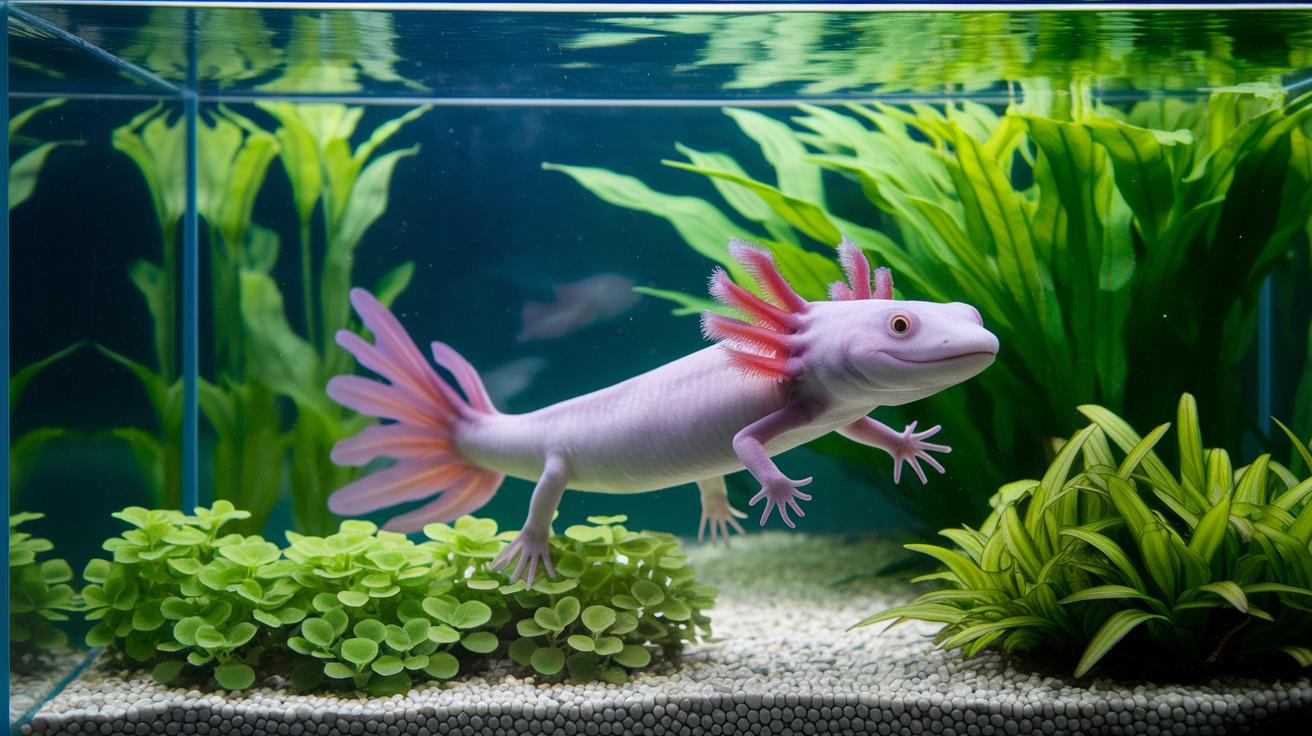
Have you ever come across an animal that feels like it leaped straight out of a fairytale? Imagine a glass frog whose tiny, beating heart you can almost feel or a bird that twirls in the air like it’s putting on a little show just for you. These quirky creatures have their own unique charm, with odd looks, clever moves, and surprising abilities that warm your heart. Let’s take a moment to chat about what makes these animals so extraordinary, a simple reminder that our wild world is full of inspiring wonders just waiting to be discovered.
What Makes an Animal Truly Unique?
Some animals really stand out because they show differences in how they look, act, or even work inside. They break away from what we expect and capture our hearts with unexpected traits. Imagine a glass frog with clear skin that reveals its gently beating heart, nature’s own little magic show.
- Morphological quirks (like glowing colors, quick color changes, or unusual shapes) – Picture a shrimp that flashes brilliant colors as it moves, turning a regular sight into a burst of wonder.
- Physiological marvels (like tiny electric shocks or surviving in extreme temperatures) – Think of an eel that sends a soft electric pulse to keep dangers at bay.
- Behavioral surprises (such as one-of-a-kind mating dances or clever hiding skills) – Imagine a bird that puts on an intricate dance, leaving everyone watching in amazement.
These special traits remind us that nature is full of amazing surprises. Every unique animal tells a different story, a story of evolution and creativity that never ceases to inspire and spark curiosity in all of us.
Rare Mammal Profiles Spotlighting Unique Animal Traits
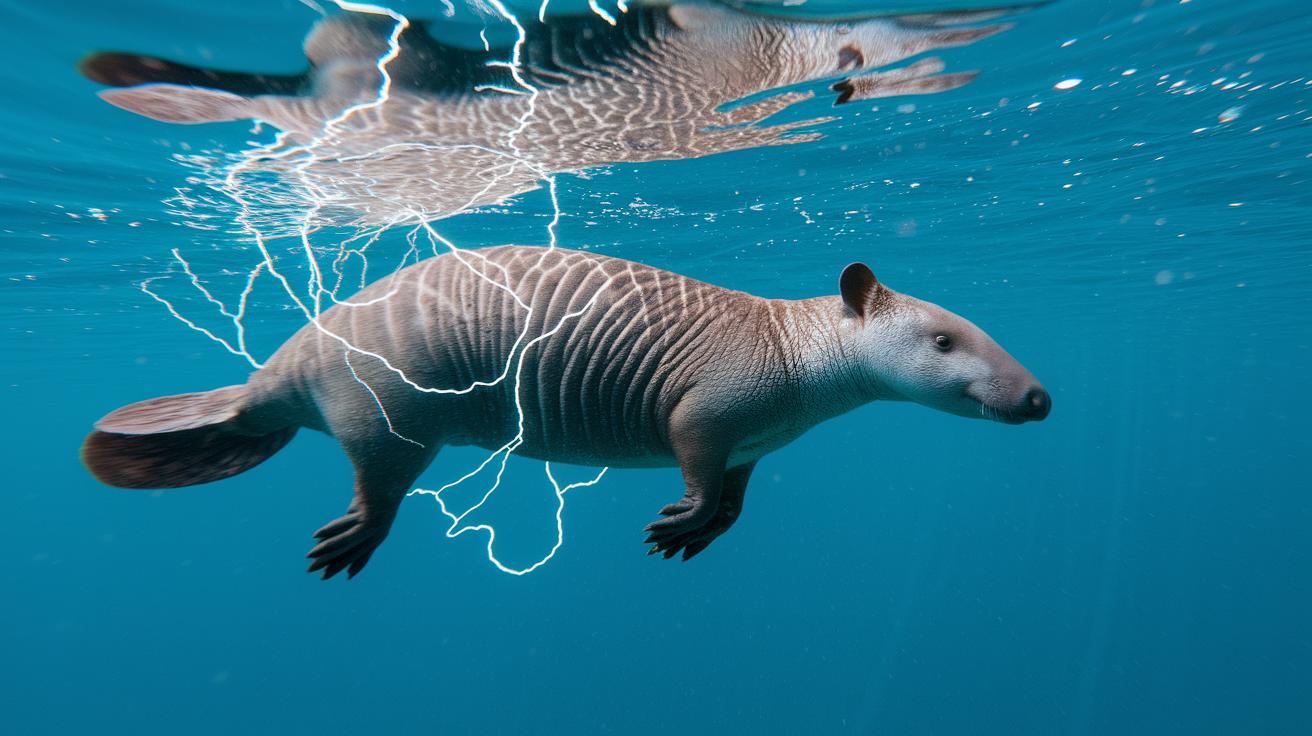
Imagine meeting some of nature’s most unusual critters – these rare mammals have one-of-a-kind traits that make them truly unforgettable.
The platypus is a real head-turner. This quirky creature surprises us all by laying eggs and even has venomous spurs on its hind legs. And if that isn’t enough, it has the remarkable ability to sense the electrical signals of its prey underwater. It’s like nature put together a little puzzle of reptilian quirks and mammalian charm, leaving us both amazed and tickled by its uniqueness.
Next up is the narwhal, often called the unicorn of the sea. With its long, spiraling tusk, sometimes growing as long as 10 feet, this gentle giant dives deep, even beyond 5,000 feet. It feels almost magical, like a secret of the deep ocean that invites us to marvel at nature’s hidden wonders.
Then there’s the pangolin, a creature as fascinating as it is adorable. Completely clad in tough keratin scales, this little critter curls up into a tight ball when danger comes too close. And here’s a fun fact: it eats around 70 million insects each year. Imagine that! Its snacking habits actually help keep insect populations in check, proving that even the smallest mammals can play a big role in nature’s balance.
Traveling to Madagascar, we find the fossa, a nimble and graceful hunter. With retractable claws and super flexible ankles, it dances through the treetops in search of lemurs. Its agile moves and keen hunting skills are a real treat to watch, reminding us how nature can perfect the art of balance and precision in every step.
Finally, the maned wolf roams the savanna with long, lanky legs and a surprising burst of speed of up to 75 km/h. While its stride is impressive, nothing beats its curious scent that some say is reminiscent of a skunk. This unique feature helps mark its territory in the vast open landscapes, blending speed with a touch of wild mystery.
Each of these rare mammals not only fills us with wonder but also plays a vital role in keeping nature’s delicate balance in check. Their incredible adaptations remind us that every creature, no matter how unusual, has a story to tell in the wild world around us.
Reptiles and Amphibians: Striking Examples of Unique Animals
Take the glass frog, for example. This tiny wonder shows off its inner secrets, its see-through belly reveals a softly beating heart and delicate organs. It almost feels magical, like nature is sharing a tiny peek at its mysteries. And when night falls, it hangs on leaves, blending in perfectly with the shadowy foliage.
On the other hand, meet the mata mata turtle. With a shell that looks a bit like moss or rough bark and a broad, flat head, it's built for surprise attacks in slow, murky waters. Imagine a creature perfectly designed to wait patiently and ambush its prey, nature really gets creative sometimes.
Then there's the satanic leaf-tailed gecko. This little fellow masters the art of disguise. Its textured body mimics rough tree bark and scattered bits of lichen so well that it nearly disappears against a tree trunk. It’s like watching a living magic trick in the wild.
Now, think about the Indian purple frog. This creature spends almost its entire life hidden underground in the Western Ghats, coming out only briefly during breeding season. Its secretive nature helps it dodge predators, and when it does make an appearance, it bursts into vibrant colors during mating rituals, a surprising flash of beauty out of the blue.
And lastly, consider the lamprey, a true relic from the ancient world. This jawless fish uses a suction mouth to stick onto other fish, a technique that's been in play for over 300 million years! Living as a parasite, it draws energy from its hosts in a way we rarely see today. The lamprey offers a fascinating window into evolutionary history, reminding us that nature often finds the most unexpected ways to thrive.
Each of these amazing species shows off nature’s brilliant inventiveness. They’re not just animals; they're tiny wonders with unique survival tricks that inspire and amaze anyone lucky enough to observe them.
Unique Birds and Aquatic Creatures with Uncommon Features
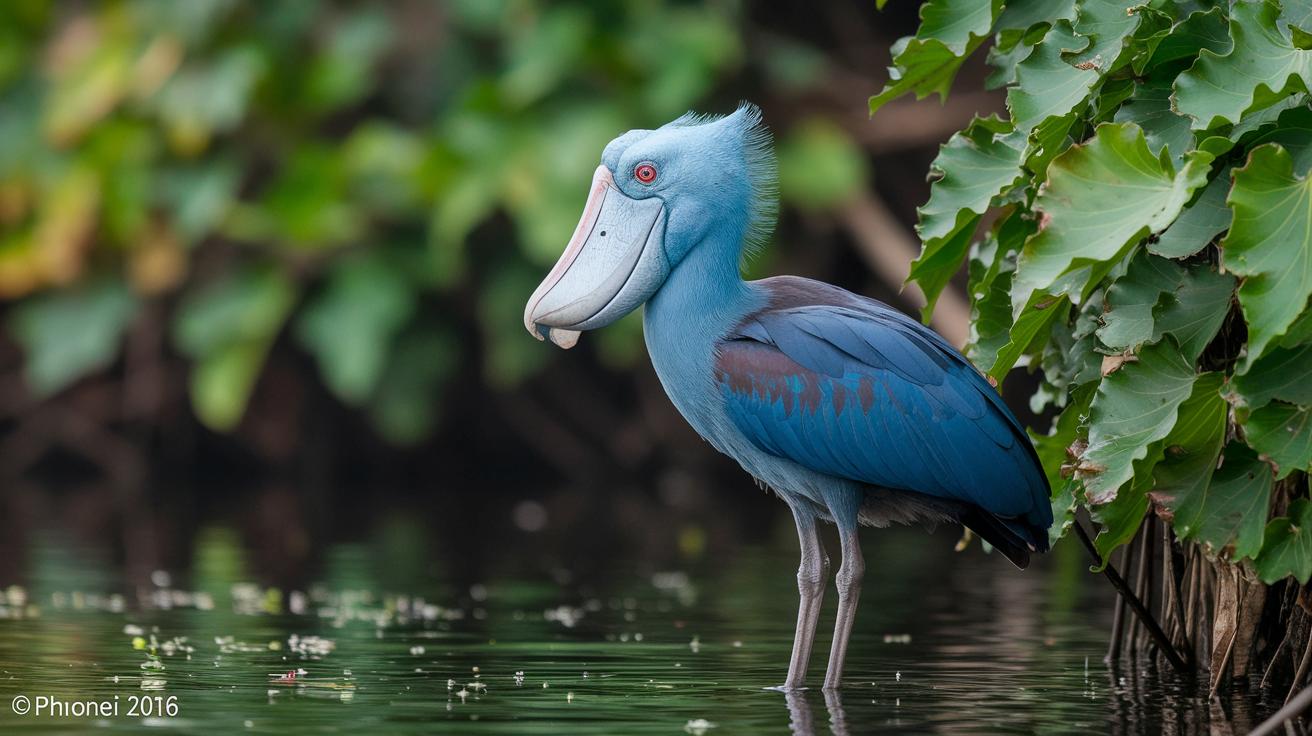
In the wetlands of East Africa, the shoebill is a real showstopper. This bird has a huge, shoe-shaped bill that it uses to stay perfectly still, almost like a statue, right before it makes a lightning-quick move on fish or even small crocodiles. Every meal becomes a dramatic little adventure, and you can almost feel the tension in the air.
Down in New Zealand, you’ll find the kakapo, a quirky, flightless parrot that roams under the stars. With its soft, moss-green feathers and a naturally musty scent, the kakapo blends into the shadowy forests like it was painted there. Its quiet nature and clever camouflage add to its mysterious charm, even though it’s one of the world’s most endangered birds.
On land, the southern cassowary catches your eye with its stunning look. Picture a bird with a bright blue neck, a vivid red wattle, and a heavy casque that gives it a unique silhouette. Known for its powerful kicks and deep, rumbling sounds that seem to shake the ground, this bird roams the dense tropical forests, using its dazzling appearance as both a badge of strength and a means of defense.
Then there’s the secretary bird, a true master of the grasslands. With long, strong legs and a crest of feathers that looks almost like spikes, it hunts on foot, stomping on snakes with precision and confidence. Its nimble movements and commanding presence remind you that nature is full of surprising talent.
Beneath the waves, the ocean has its own cast of characters. The basking shark, gentle and enormous, drifts by as it feeds on plankton, stretching up to 12 meters in length. Meanwhile, in the fresh waters of the Amazon, the river dolphin captivates onlookers when its males turn a vibrant pink, an enchanting change that carries ancient local lore.
And just when you think the seas have shown all their wonders, the electric blue sea slug, Glaucus atlanticus, adds a splash of color to the marine canvas. Not to be outdone, the Japanese Spider Crab, with an impressive leg span of 3.7 meters and a lifespan of nearly 100 years, stands as one of the ocean’s most enduring inhabitants, full of quiet mystery and awe.
Insect Oddities: Little-Known Unique Animal Wonders
Imagine coming face-to-face with the Venezuelan poodle moth, a quirky little critter discovered in 2009. Its soft, white, fur-like wings give it a gentle, almost whimsical look, even though we only know a little about how it acts.
Right nearby, the golden tortoise beetle shows off a shiny, metal shell that seems to change colors, like a tiny mood ring in nature. It’s a bit like watching a mini chameleon at play.
Now, think about the hummingbird hawk-moth, zipping around as it hovers in midair. It flaps its wings about 70 times a second while sipping nectar from blossoms, much like a little acrobat of the insect world.
Then there's the tarantula hawk, which has a sting so powerful it can paralyze a tarantula. After stunning its prey, it lays its eggs on the immobile tarantula, a wild twist that shows off nature's dramatic side.
Together, these incredible insects remind us that even the smallest creatures pack a lot of wonder. Each one has its own quirky charm, inviting us to take a closer look at the magic hidden in nature.
Conservation Status and Habitats of Unique Animals
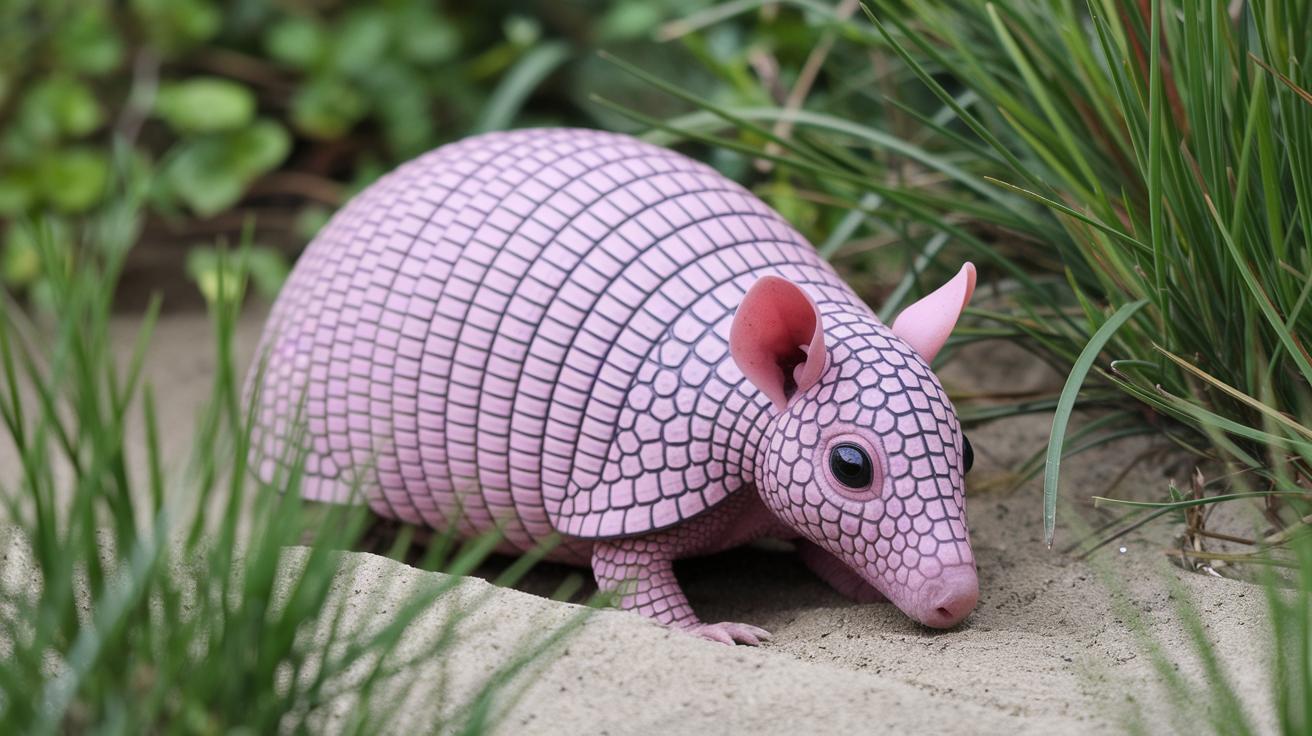
All around the world, special animals depend on very specific homes to show off their unique traits. These creatures, living in small patches like cozy corners of Argentina or the lush hideaways in the heart of the Congo, remind us how fragile and connected our natural world really is. With changing climates and more human activities, these precious places need our care now more than ever.
Take a quick glance at the table below. It gives you a clear picture of some rare species, where they call home, and how safe they are:
| Species | Location | IUCN Status |
|---|---|---|
| Pink Fairy Armadillo | Central Argentina | Near Threatened |
| Indian Purple Frog | Western Ghats, India | Endangered |
| Riverine Rabbit | Karoo, South Africa | Critically Endangered |
| Kakapo | New Zealand forests | Critically Endangered |
| Okapi | DR Congo rainforests | Endangered |
This table serves as a little snapshot of the challenges these rare species face today. When one creature loses its home because of habitat loss or human encroachment, the whole ecosystem feels it, kind of like one missing piece in a very complex puzzle. Every unique habitat plays a critical role in keeping nature balanced, and protecting these areas means safeguarding a treasure trove of natural wonder that inspires us every day.
Taxonomy and Evolutionary Pathways of Unique Animals
New genetic discoveries are changing how we see animal families. DNA tests are uncovering deep ties between creatures we once thought were totally different, like ancient egg-laying mammals sharing important genetic markers with later-evolving species.
Recent genome studies help us understand how these animals split into separate family trees millions of years ago. For example, researchers are now reading genetic blueprints that reveal tiny differences in immune and metabolic genes. Imagine uncovering an old DNA code that holds the secrets of survival!
Convergent evolution also explains why animals with no close relation can end up sharing similar traits. In simple terms, different creatures sometimes develop the same features to thrive in similar surroundings. Think of it like nature building a toolkit where each species picks similar designs even if they started off differently. Picture two pets from separate families who both learn to bark when danger is near, nature simply favored that trait!
Recent research is shining a light on new species, uncovering surprising splits in their evolutionary roots that we never noticed before. By mapping genes in detail, scientists are discovering unexpected bonds among lesser-known groups. This shows that animal classification is much more dynamic than appearances alone suggest, some species even carry secret genetic ties that modern science only just revealed!
Final Words
In the action, we uncovered what makes animals truly different, from surprising mammals and remarkable reptiles to vibrant birds, aquatic wonders, and fascinating insects. Each segment brought us closer to understanding behavior, appearance, and the evolutionary paths of these creatures.
We saw how conservation and taxonomic insights shine a light on the wonder of unique animals. Every fact shared adds warmth and hope for a brighter future for our planet's most special creatures.
FAQ
Q: What are some unique animals and their names?
A: When referring to unique animals, we mean species with unusual traits such as the axolotl, platypus, goblin shark, and fossa, known for their distinct appearances and captivating behaviors.
Q: What are some of the weirdest or strangest animals?
A: When talking about weird or strange animals, options like the blobfish and aye-aye stand out for their odd looks and fascinating adaptations, which spark curiosity in anyone interested in the natural world.
Q: What is considered the most unique or rare animal?
A: When identifying the most unique or rare animal, choices vary by criteria, yet species like the platypus or goblin shark remain unmatched due to their special features and intriguing ways of life.
Q: What are some of the rarest animals in the world?
A: When listing rare animals, creatures such as the fossa and goblin shark are often noted for their scarcity and singular traits, underscoring nature’s rich diversity and the importance of conservation.
Q: What are some of the coolest looking unique animals?
A: When it comes to cool looks, animals like the axolotl and goblin shark capture attention with their striking features and unusual designs, reflecting nature’s creative flair.