



Have you ever wondered if a little bug could really ruin your dog's day? Skin mites can make a usually happy pup scratch and itch non-stop. But don't worry, you can help your furry buddy feel better with some simple, vet-approved tips. Think of it like giving your pet a soothing bath with a special medicated shampoo or using a gentle spot treatment to ease the irritation. This friendly guide walks you through each step, making it easy to clear up those pesky skin mites and get your pup back to enjoying life with a joyful wag and a cheerful bark.
Expert-Recommended Skin Mite Treatment for Dogs: Fast and Effective Options
Getting a vet's help can make all the difference when your furry friend is suffering from itchy, irritated skin. A quick skin scraping test helps the veterinarian figure out exactly which mite is causing the trouble. This simple step is crucial before any treatment begins.
When it comes to treatment, your vet may suggest a few different options. They might recommend a gentle dip with a special solution (like amitraz or lime sulfur), a medicated shampoo with ingredients such as pyrethrins or fipronil, or even a spot-on treatment with ivermectin or selamectin. Sometimes oral medications are the best route too. Treating sarcoptic scabiei might take about 4–6 weeks, while demodex infestations could require several months. And remember, some treatments can cause minor side effects like skin irritation, drowsiness, or even a little trembling, so getting the dosage just right is key.
| Step | What to Do |
|---|---|
| 1 | Have your vet check skin scrapings to identify the mite. |
| 2 | Choose the vet-prescribed treatment, whether topical or oral. |
| 3 | Give the treatment following your pet’s weight-based dosage. |
| 4 | Watch closely for any side effects or signs of improvement. |
| 5 | Book a follow-up visit once the treatment round is complete. |
After you start the treatment, keep a close eye on your pet. Notice if the scratching continues or if new red patches appear, these might be signs that the treatment needs a little adjusting. It’s important to follow your vet’s instructions carefully, especially with the dosing, to avoid any risks and make sure the treatment works as it should.
By sticking to this plan, you’ll be on your way to helping your buddy feel better and get back to that happy, tail-wagging self. After all, seeing our pets comfortable and content is what matters most!
Topical Skin Mite Treatment Applications and Dosage Guidelines for Dogs
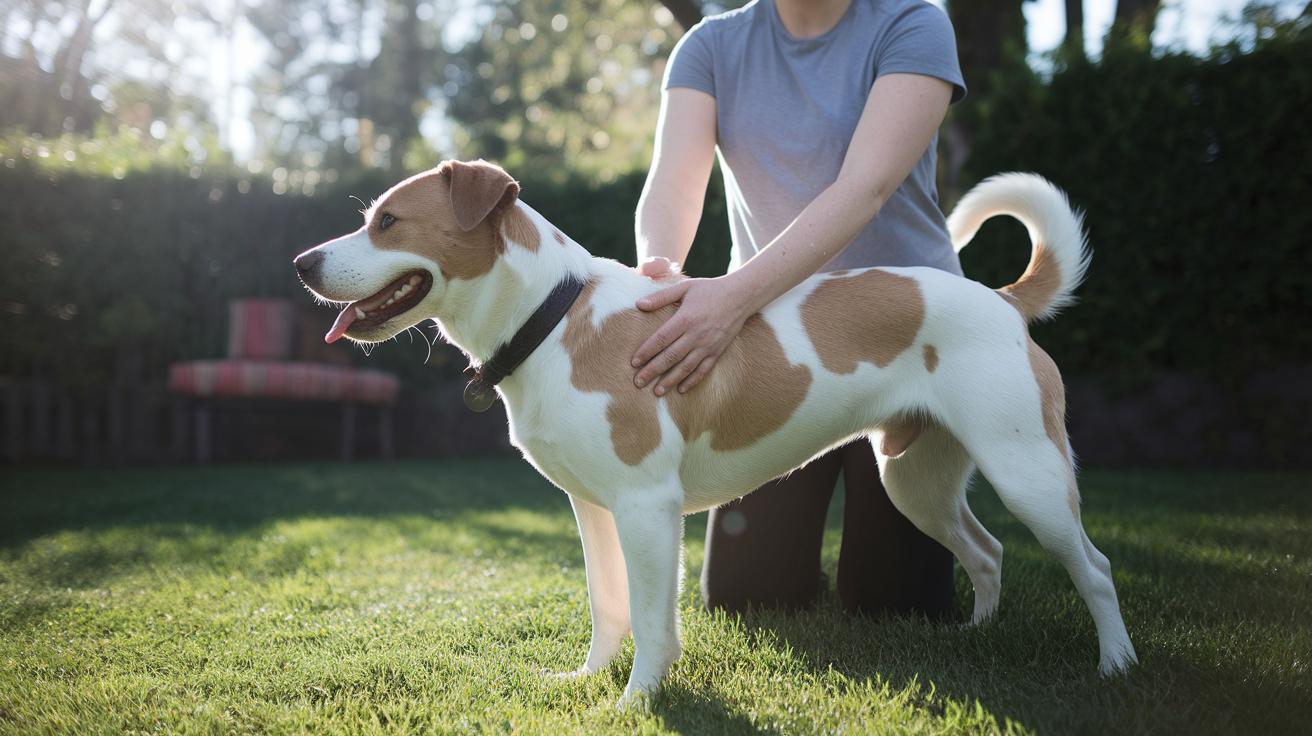
Many pet parents turn to topical treatments to help soothe their dog's itchy, mite-affected skin. When you’re using amitraz dips, start with a coat that’s fresh and dry, and be sure to wear gloves, kind of like gently massaging a cool cloth over tired muscles. For amitraz, a weekly dip for four to six weeks usually does the trick.
Lime sulfur baths are another great option; giving your pup one every two weeks can make a big difference. And if you prefer a gentler approach, using a pyrethrin shampoo every 7–10 days can reduce irritation. One more choice is spot-on treatments with either selamectin or fipronil, applied monthly. Some vets even recommend a weight-based dose, like about 2 mg/kg for an ivermectin spot-on, so it's always best to check with your veterinarian.
Don't forget to keep an eye on your dog's skin after any treatment. If you see any redness or notice your furry friend seems tired, it's a good idea to consult your vet. Staying safe by using gloves and ensuring your pet's coat is clean can help prevent any mishaps.
| Product | Active Ingredient | Frequency | Common Side Effects |
|---|---|---|---|
| Amitraz Dips | Amitraz | Weekly for 4-6 weeks | Mild skin irritation |
| Lime Sulfur Baths | Lime Sulfur | Every 2 weeks | Temporary odor, slight dryness |
| Pyrethrin Shampoo | Pyrethrins | Every 7-10 days | Minor redness |
| Spot-On Treatments | Selamectin or Fipronil | Monthly | Redness at application site, occasional lethargy |
Natural and Homemade Skin Mite Remedies for Dogs
-
Neem oil bath: Start by mixing neem oil with water to create a 2% solution. Once a week, once your dog’s coat is clean and dry, treat them to this gentle bath and rinse it off well afterward. This simple routine can help ease irritation and keep the skin happy, just make sure to run it by your vet first.
-
Apple cider vinegar rinse: Mix apple cider vinegar and water in equal parts to create a cooling rinse. After bathing your dog, use this blend to help soothe itching and balance their skin’s natural pH. Just a heads-up: using it too often might make some sensitive spots feel a bit dry.
-
Coconut oil coat massage: Every day, take a small dab of pure coconut oil and gently massage it into your dog’s coat. This little treat not only moisturizes the skin but also calms any irritated areas. Remember, a little goes a long way, too much oil can block the pores.
-
Baking soda paste: For those stubborn itchy spots, mix a bit of baking soda with a little water to form a light paste. Apply it gently to the areas that need a bit of extra care. It works as a mild cleanser to ease irritation, but it’s best used on small patches only.
-
Chamomile tea soak: Brew a weak chamomile tea and allow it to cool completely. Soak a clean cloth in the tea, then gently dab it on any red or inflamed spots to help calm them down. Keep these sessions short so your furry friend stays comfortable.
Identifying Canine Skin Mite Symptoms and Diagnosis

Mite-Specific Symptom Signs
Your furry buddy might start itching a lot, show red, irritated spots, or even lose patches of hair unexpectedly. Sarcoptic mites burrow right into the skin, creating a deep, nagging itch that often leaves small scabs. Imagine a pup scratching so hard its skin looks raw and sore, yep, that’s what can happen with sarcoptic scabiei.
On the other hand, Demodex mites usually cause patchy hair loss, sometimes over a larger area, and you might notice a light rash. Then there are Otodectes mites that settle in the ears, making your pet shake its head like it just heard the best secret ever, even though something is really wrong. And don’t forget cheyletiella mites: these little critters make your pet’s skin flake off in a way that looks like “walking dandruff.” It’s a bit like witnessing tiny snowflakes drifting in the sun!
Veterinary Diagnostic Methods
When your pet is having a hard time, your friendly veterinarian might perform skin scrapings to figure out which mite is causing the trouble. This simple test is quick and helps tell if pesky mites are the culprits behind that relentless itch. Sometimes, a tape test is used instead, where a bit of sticky tape grabs some skin cells for a closer look under a microscope.
Ear swabs are another handy technique that can reveal if the ears are home to any bothersome mites. By combining these methods, your vet can get a clear picture of the problem and recommend the best way to help your furry friend feel better again.
Preventing Skin Mite Reinfestation: Care and Cleaning for Dogs
Keeping your dog's living space neat is one of the best ways to keep those pesky skin mites away. Every few days, wash out their beddings, collars, toys, and leashes in hot water mixed with a good disinfectant. It’s like giving your pup’s favorite things a fresh start, making sure no unwanted parasites stick around.
Try to set aside a little time each week to vacuum and disinfect your floors and carpets. This simple routine can really help stop mites from sneaking back in. And if you notice your dog isn’t feeling their best, keep them in a safe, separate spot until they’re clear of any issues. Oh, and don’t forget about monthly flea and tick preventives, they’re vital in keeping your furry friend comfortable.
Also, supporting your dog’s overall health with a balanced diet and vet-approved supplements really strengthens their natural defenses, keeping your pup happy and vibrant.
When to Consult a Veterinarian for Dog Skin Mite Treatment
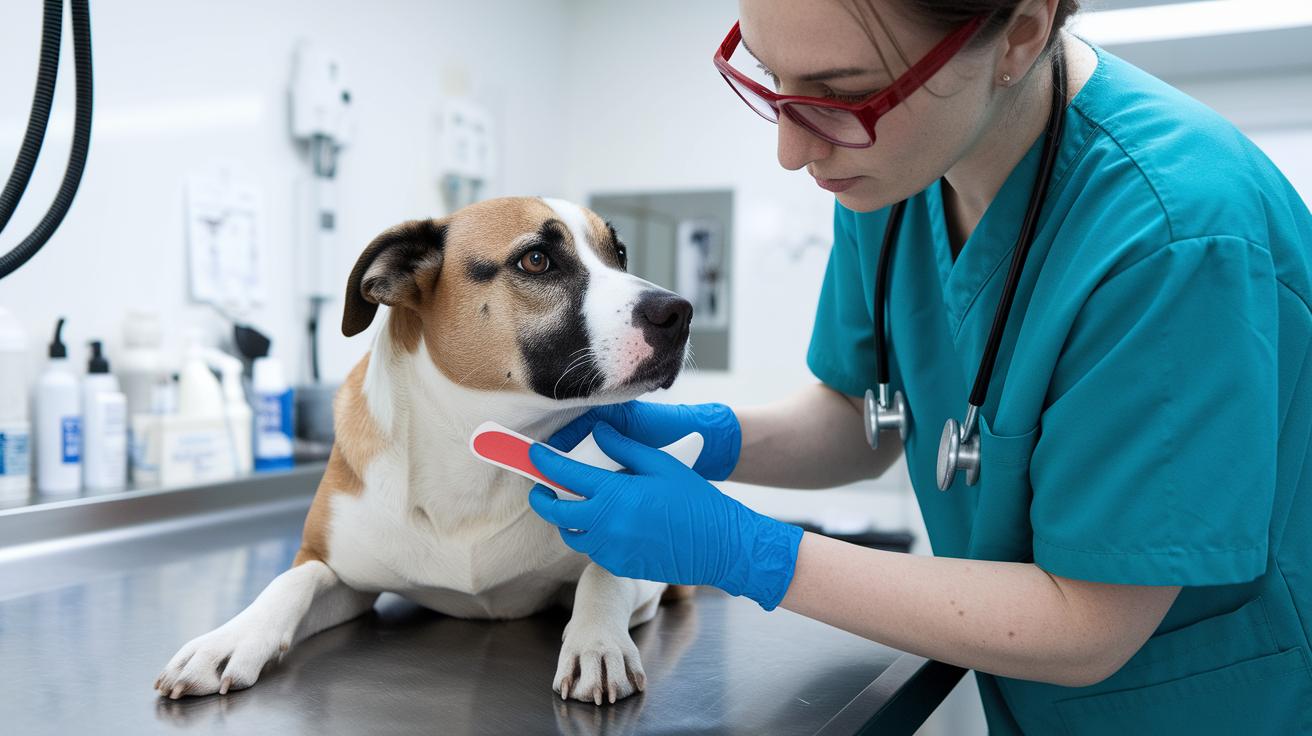
If your furry friend keeps scratching even after a week of home care, or if you notice red patches, little bumps that might ooze, tiredness, fever, or spots that seem to be getting bigger, it's a sign to head to the vet. Fun fact: a quick skin scraping can pinpoint the exact mite bothering your dog, leading to a quicker, more focused treatment.
When you visit the vet, they may gently scrape a bit of your pet’s skin to find out which mite is causing the trouble. Based on what they discover, your vet might suggest medicines like ivermectin or selamectin. And if there's an extra infection, they could add antibiotics or antifungal medicine to the mix. A few follow-up visits will help make sure those pesky mites are completely gone.
| Sign | Action |
|---|---|
| Constant scratching or irritation | Book a visit to your vet |
| Red patches, bumps, or oozing skin | Get a proper check-up |
| Fever and lesions that spread | Seek immediate expert help |
Final Words
In the action of caring for our furry friends, this guide cut through the noise on skin mite treatment for dogs. We walked through vet-approved medications, natural home remedies, how to spot symptoms early, and practiced preventing more issues with a clean home.
Breaking these steps into manageable parts helps keep the process clear and comforting. Following these practical tips means you can move forward with confidence and a positive outlook for your pet's health and happiness.
FAQ
What kills mites on dogs instantly, including home remedies?
Quick mite relief usually comes from veterinary-approved treatments rather than pure home remedies. Some medicated shampoos and dips can reduce mites fast, but a vet’s guidance ensures safe and effective care.
What over the counter skin mite treatments are available for dogs?
Over the counter options like anti-mite shampoos or spot-on treatments may offer mild relief, yet they often work best when used alongside veterinary advice to properly diagnose and treat the infestation.
What do dog mites pictures typically show?
Dog mites pictures often reveal small red spots, scabs, or flaky skin where mites are active. These images can guide pet parents in spotting potential issues, but a vet exam is needed for a clear diagnosis.
What is the best skin mite treatment for dogs?
The best treatment is the one prescribed by your veterinarian. Effective treatments usually include topical dips, medicated shampoos, or oral medications that target mites specifically.
How much does skin mite treatment for dogs cost?
Costs vary based on treatment type and veterinary fees. Home remedies might be more affordable, while prescription treatments could be pricier, so discussing your budget with your vet is wise.
What natural skin mite treatments work for dogs and how can I manage Demodex mites at home?
Natural options like neem oil baths, apple cider vinegar rinses, and coconut oil massages may help mild cases. For Demodex mites, gentle home methods might ease symptoms, but vet supervision is key for safety.
Can dog mites affect humans?
Dog mites can sometimes cause mild skin irritation in humans. If you experience red spots or itching after contact with your pet, it’s best to see a doctor to check for any related issues.
How can you tell if a dog has got mites?
You can detect mites by observing signs such as persistent itching, red inflamed patches, hair loss, or scabs. A veterinarian can confirm the presence of mites with skin scrapings and further tests.