



Ever noticed your dog's dry skin or droopy eyes? Sometimes, these little signs mean your furry friend might be low on water. It happens more often than you think, and many pet parents don’t catch it until things get serious.
In this guide, we’re sharing a few easy, loving tips to help you treat your pet’s dehydration right at home. We'll show you how to give tiny sips of water, whip up a mild electrolyte mix, and keep an eye out for early warning signs.
So grab a cozy seat, and let's chat about simple ways to help your beloved companion feel better quickly. Have you seen your dog tilt its head, or its tail droop unusually? Those might be the cues it needs a little extra hydration and care.
Immediate Steps to Treat Dog Dehydration at Home
First, check on your furry friend's overall feel. Start by giving small sips of water every 5 to 10 minutes, no big gulps, as that might upset their tummy and cause vomiting. Look out for signs like your pup feeling unusually tired, having dry or sticky gums, panting quickly, or skin that doesn’t bounce back when you gently pinch it (this is called the skin “tenting” test). These clues help you see if the dehydration is getting serious. Just remember, these home remedies are best suited for mild cases, so keep a careful eye on them.
Here’s a simple plan to help your pet slowly get back to feeling better:
- Offer water in tiny, steady amounts every 5–10 minutes.
- Mix a diluted pediatric electrolyte solution for extra help, about 1 tablespoon per 8 ounces of water for small dogs, and adjust for bigger breeds.
- Watch for any changes like increased tiredness or a drop in your dog’s usual playful energy.
- Check to make sure your dog’s gums stay moist and the skin quickly returns to normal when you pinch it.
- If you don’t see improvement in 2–3 hours or if things start looking worse, it’s time to call your vet right away.
Keep monitoring your pet’s behavior during this time. Even if your dog seems to be bouncing back, stay alert for any new symptoms like continuous vomiting or becoming unusually quiet. Taking these careful steps can help avoid more serious risks, like losing too much fluid which might affect their organs. Quick action paired with gentle care is the best way to safely rehydrate your furry friend at home.
Recognizing Dehydration Symptoms Before Treating Dogs at Home
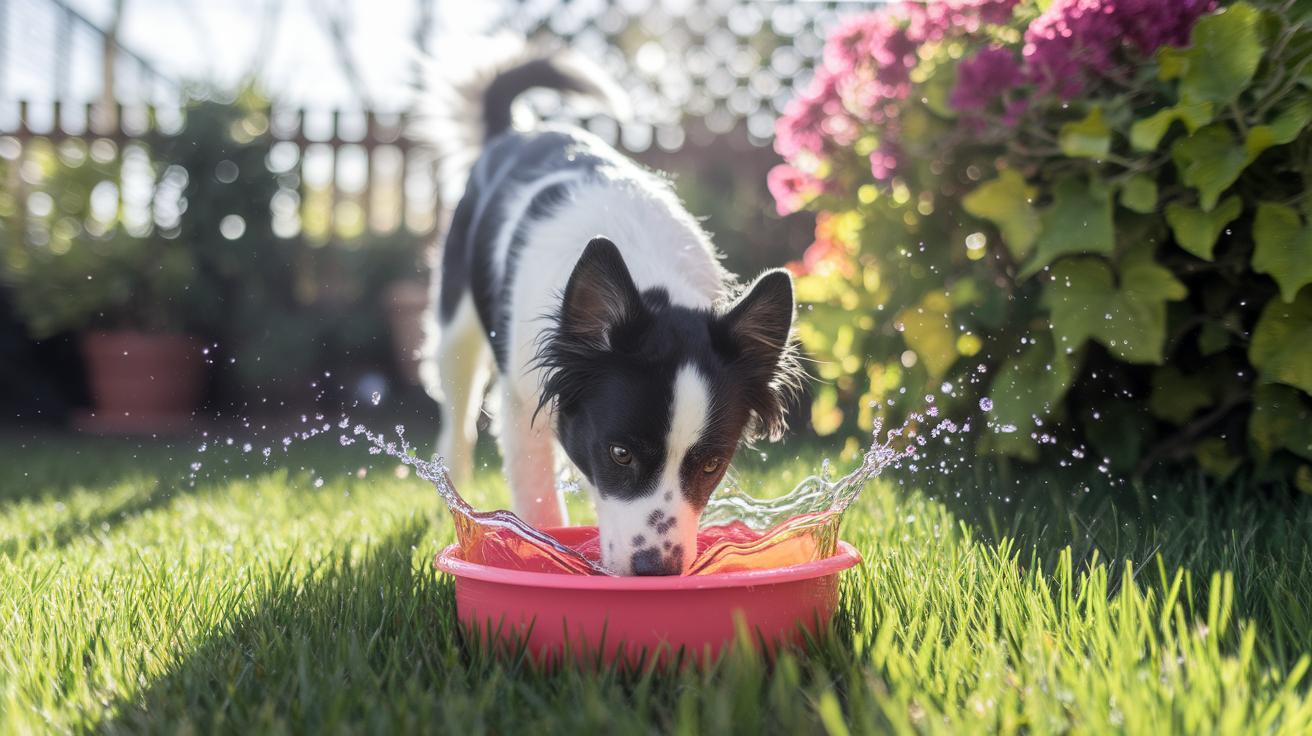
Every day, take a minute to check in on your dog’s hydration, just like you’d check how you’re feeling. Notice if your usually bouncy pal seems a bit off, maybe slower or less eager to play. That change might be a gentle hint that your furry friend needs a closer look at their water intake.
Sometimes, a few clear signs can show if your pup is only a little dry or if things are getting more serious. For example, if your dog seems extra tired and isn’t moving as much as usual, it could be an early alarm. Next, bite-size clues are found in their gums: if they feel dry, sticky, or even look paler than before, even a slight tackiness might mean mild dehydration. And if you see that their gums take longer than a couple of seconds to bounce back when you make a little pinch at the shoulder, that could hint at a more noticeable fluid loss.
Other signs include sunken eyes, heavy panting, or a drop in their appetite. If these sneak up on your pet, it’s a good idea to keep a closer watch. Trust your instincts, if you notice a mix of these signals or the response time of the pinch test gets longer, don’t hesitate to call your veterinarian for some friendly advice on the next steps.
Natural Rehydration Remedies for Canines at Home
When your furry friend isn’t drinking as much water as they should, you might try adding a splash of extra flavor to make it more appealing. Start by stirring in a bit of low-sodium beef or chicken broth into their water, about 1 tablespoon for every 4 ounces works well, to tempt their taste buds. You can also whip up a simple homemade electrolyte drink by mixing one pediatric electrolyte packet into 1 cup of water, then serving it chilled in small portions. Not only does this make the water tastier, but it also helps replace the vital electrolytes lost during dehydration.
But water isn’t the only way to boost hydration. Mixing in wet food, which naturally has lots of moisture, can be a great alternative. Think about adding meals with high water content, like canned wet dog food or a meal rich in homemade broth (just like the recipes found in these vet-approved homemade dog food recipes). It gives meal time a fun twist while keeping your dog happily hydrated.
Here are a few more DIY ideas to keep your pet well-hydrated:
- Stir a bit of low-sodium broth into their water (1 tablespoon per 4 ounces).
- Serve a chilled, homemade electrolyte drink (1 pediatric packet per cup of water).
- Add more wet food into their daily meals.
- Sneak in hydrating snacks, such as cucumber or watermelon cubes.
- Freeze broth or electrolyte mixes into ice cubes for a cool treat.
- Blend safe fruits with broth, freeze the mixture in molds, and enjoy simple popsicles.
Have you ever noticed how a little flavor can turn hydration into a treat for your best buddy? Enjoy trying these tips, and here’s to many happy, hydrated moments with your pet.
Preventing Dog Dehydration at Home Through Routine Care
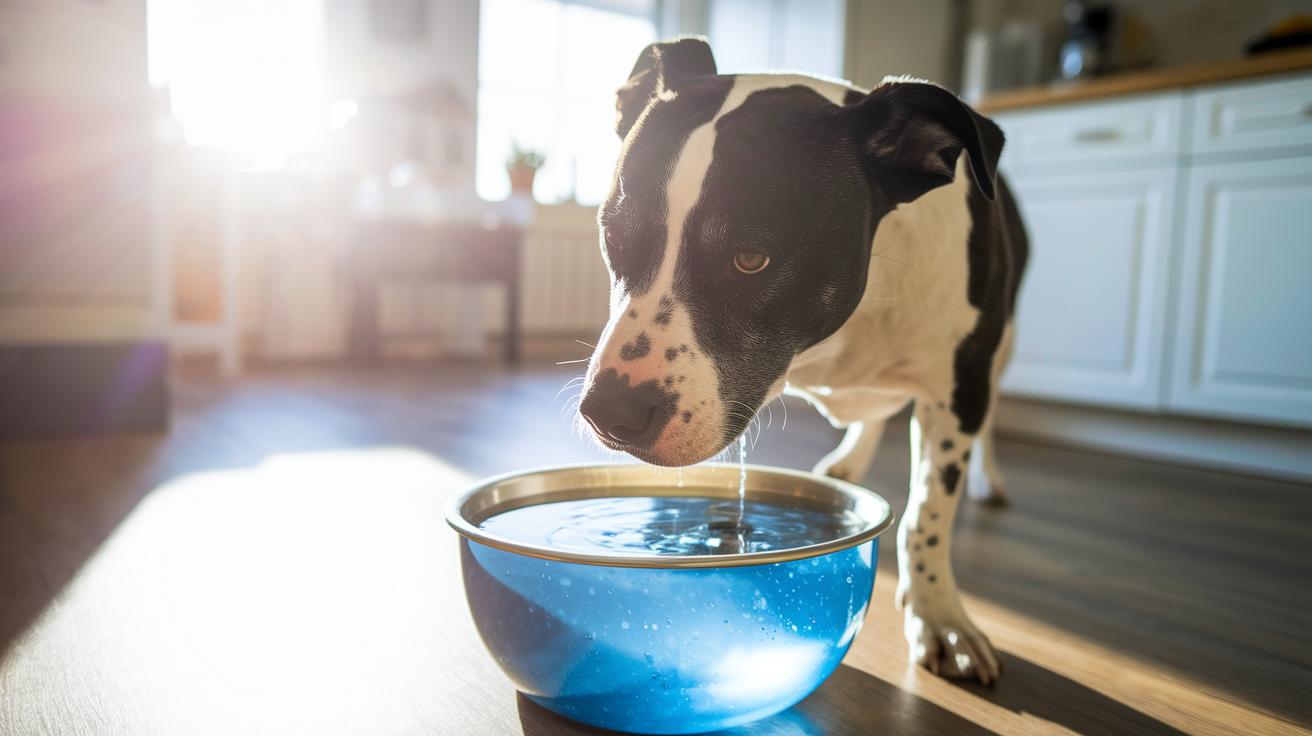
Keeping your furry friend happy and healthy starts with simple, everyday habits. Always make sure their water bowl is sparkling clean and filled with fresh water. Changing it twice a day not only makes it taste better but also helps keep pesky germs at bay. And hey, if you notice a little drop in energy or a less shiny coat, it might be a sign your buddy needs a bit more hydration.
Here’s an easy checklist to help you create a safe, water-friendly space for your dog:
- Keep a clean water bowl filled at all times.
- Change the water at least twice daily.
- Set up extra water stations around your home and yard when it’s warm.
- Consider using a pet water fountain to encourage regular sipping.
- Track water intake by noting refill times or measuring daily amounts.
Remember, checking your pet’s gum moisture and skin elasticity, especially for older or under-the-weather dogs, can be a simple way to see if they’re getting enough fluids. These little daily steps make a big difference, ensuring your dog stays comfortable, active, and full of life throughout the day.
When Home Treatments Are Not Enough for Dog Dehydration
Sometimes, even when you try your best at home, your dog's dehydration just doesn’t seem to get better. If your furry friend starts acting very differently or shows signs that go beyond just a little dry mouth, it's time to take it seriously. Look out for signs like your pup collapsing, constant vomiting or diarrhea, super dry gums, or eyes that seem sunken in. These clues mean that your dog’s body is in trouble, and if not treated quickly, it could lead to heat stroke, kidney issues, or even worse.
Here are three important red flags you shouldn’t ignore:
- Collapse or sudden unresponsiveness
- Constant vomiting or severe diarrhea
- Very dry gums along with sunken eyes
If you notice any of these signs, or if your dog doesn't seem to get better after 2–3 hours of home care, please reach out to your vet right away. Quick, professional care can really make the difference, helping your pet bounce back safely and avoid any dangerous complications.
Final Words
In the action, we broke down immediate techniques, key symptoms to watch for, natural rehydration remedies, daily preventative care, and when to call the vet. Each step brings us closer to safe and steady home care for our furry friends.
Remember, knowing how to treat dog dehydration at home empowers you to keep your pet happy and healthy. Stay observant, take small steps, and enjoy those precious moments with your companion.
FAQ
Q: How to treat dog dehydration at home naturally?
A: Treating dog dehydration naturally at home means offering your pet small sips of water or a diluted electrolyte solution every 5–10 minutes, while closely monitoring for symptoms like lethargy and dry gums.
Q: Dog dehydration death?
A: Dog dehydration death can occur when severe fluid loss leads to organ failure. Recognizing signs such as collapsed behavior, continuous vomiting, or unresponsiveness requires immediate veterinary care to protect your pet’s life.
Q: Dog dehydration treatment?
A: Dog dehydration treatment involves offering frequent, small water sips or diluted electrolyte solutions and closely watching for signs like rapid panting and decreased skin elasticity. If symptoms persist, contact your veterinarian without delay.
Q: Dog dehydration symptoms?
A: Dog dehydration symptoms include lethargy, dry or sticky gums, rapid panting, and decreased skin elasticity. Recognizing these clear signs early helps you take quick action to rehydrate and support your pet’s overall health.
Q: What causes dehydration in dogs?
A: Dehydration in dogs is typically caused by excessive heat, illness with vomiting or diarrhea, or not drinking enough water. It’s wise to keep an eye on your dog’s environment and behavior during warmer weather or sickness.
Q: Dog dehydration chart?
A: A dog dehydration chart provides simple guidelines by listing symptoms like dry gums, lethargy, and slow skin elasticity. This tool helps you estimate the severity of dehydration and decide if a visit to the vet is necessary.
Q: Signs of dehydration in dogs’ eyes?
A: Signs of dehydration in dogs’ eyes include a sunken or recessed appearance. When combined with other symptoms like sticky gums, this indication means your pet needs quicker hydration to avoid further health issues.
Q: Dog dehydration electrolytes?
A: Dog dehydration electrolytes can be replenished by mixing a diluted pediatric electrolyte solution into water. This method helps restore essential minerals and fluids, keeping your pet’s hydration balanced during recovery.
Q: How do I rehydrate my dog fast?
A: To rehydrate your dog fast, offer small, frequent sips of a diluted water or electrolyte solution and consider a tad of low-sodium broth to encourage drinking. If the condition worsens, contact your veterinarian immediately.
Q: How does a dog act when dehydrated?
A: A dehydrated dog may act lethargic and show signs like dry gums, rapid panting, and less elastic skin. These behavior changes mean it’s time to gently introduce fluids to help restore hydration levels.
Q: How quickly can a dog rehydrate?
A: The speed of a dog’s rehydration depends on how severe the dehydration is. Mild cases may show improvement in a few hours with frequent small sips, but persistent or severe symptoms need professional care for a safe recovery.
Q: How can I hydrate my dog at home?
A: You can hydrate your dog at home by offering small amounts of water or diluted electrolyte solutions, incorporating moisture-rich foods like canned food or even safe fruits, and carefully monitoring hydration signs throughout the day.