



Ever wonder if you can safely help your furry friend with an upset stomach right at home? Many pet parents ask if a few gentle steps can ease their pup’s discomfort and stop the vomiting.
Imagine giving your dog a little break from food, offering small sips of water every few hours, and setting up a calm, cozy spot for them to rest.
In our friendly guide, we share a clear, step-by-step plan that shows you how these caring techniques can bring quick relief. Follow along to find out how you can help your beloved pet feel better today.
Dog Vomiting Treatment at Home: Immediate Care Steps
When your pup starts vomiting, give his tummy a break by not feeding him for 24 hours. This little pause helps his stomach settle down. In the meantime, offer him tiny sips of water every 2 to 3 hours. You can use a small bowl or gently drizzle water with a syringe, just a few drops at a time, to keep dehydration away.
Make sure your furry friend stays in a quiet, peaceful spot away from noisy distractions. A calm space goes a long way in easing stress and helping him feel more at ease. It’s like giving him his own little retreat to bounce back!
Here’s a simple plan for the first day:
| Step | What to Do |
|---|---|
| 1 | Hold off on feeding until the vomiting stops completely. |
| 2 | Offer small amounts of water every 2-3 hours to keep him hydrated. |
| 3 | Watch for signs like extra sleepiness, drooling, or a sore belly. |
| 4 | Keep his surroundings calm and quiet. |
| 5 | Note any ongoing vomiting or signs of dehydration. |
Keep checking on him often. If you see that the symptoms stick around or he seems to get worse, it might be time to get advice from your vet. For extra tips on keeping your pup well-hydrated, visit pet hydration and wellness tips. Remember, this simple, step-by-step care helps your best friend feel better sooner.
Causes and Types of Dog Vomiting at Home
When your furry friend isn’t feeling well, understanding the difference between vomiting and regurgitation can really help you decide how to care for them at home. Vomiting is a forceful, active process where your dog might be heaving and showing signs of discomfort, while regurgitation is much gentler and happens without much effort. Imagine your dog retching with energy, that’s likely vomiting, not just a simple spitting up.
Sometimes, dogs will vomit bile when their tummy is empty. You might notice their lip-smacking and a tender belly, which suggests that extra stomach acid is causing irritation. If you spot a clear liquid, it could just be saliva, but a bit of white foam usually means acid is starting to build up.
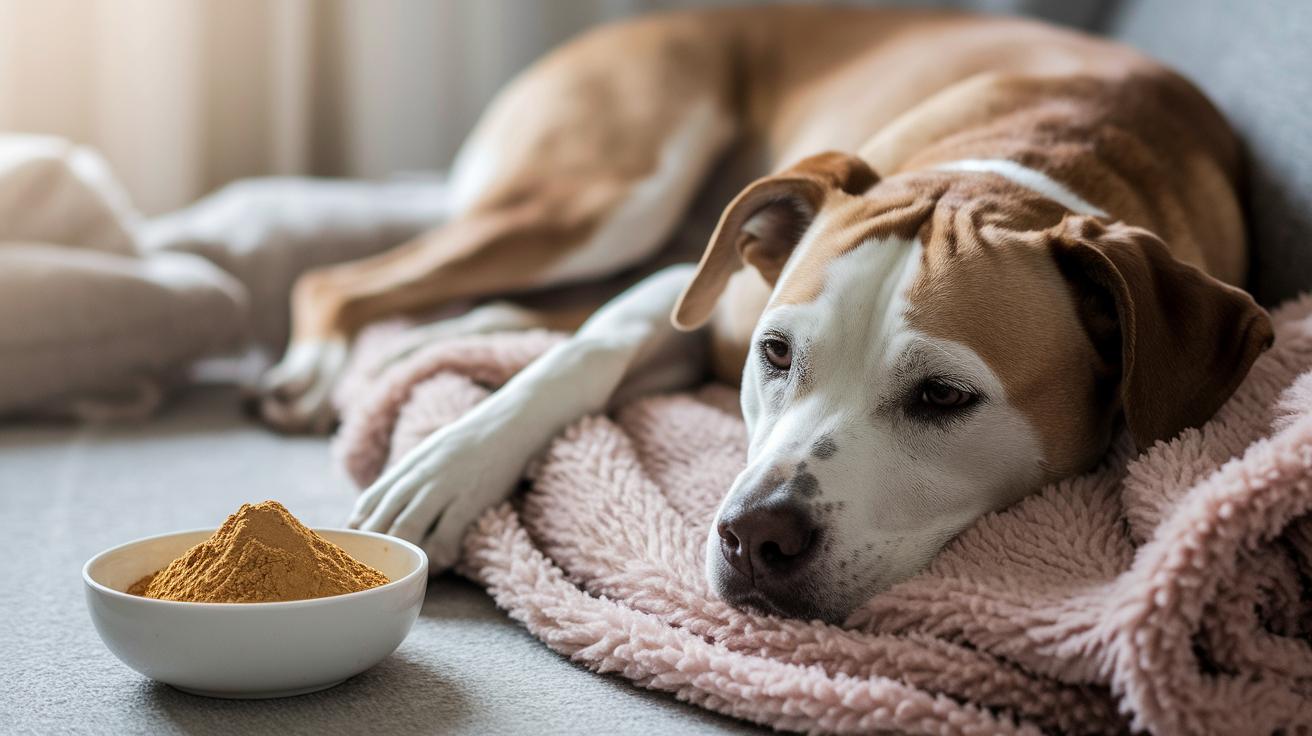
And then there are those moments when your dog’s stomach seems extra sensitive. Stress or even the bumpiness of a car ride can trigger retching. A little trick that’s helped some pet parents is giving a pinch of powdered ginger before a trip, it can ease that motion-induced upset. Vomiting undigested food might even mean your pup is eating too quickly or isn’t producing enough digestive enzymes.
Here are some common signs to keep an eye on:
| Sign | What It Means |
|---|---|
| Bile expulsion | Happens when the stomach is empty, often from extra acid |
| White foam | Indicates acid buildup |
| Clear liquid | May simply be saliva |
By matching what you see with how your pet is acting, you can put together a quick, safe remedy to help soothe your pup’s upset tummy. Have you ever noticed how a small change, like a bit of ginger, can make a big difference? It's all about tuning in to your dog's unique needs.
Natural Canine Nausea Relief and Herbal Remedies
If your furry friend seems a bit off with a queasy tummy, you might try some gentle, natural remedies to help ease the discomfort. One easy trick is to stir about ¼ teaspoon of ginger powder into your pup’s water or food. Ginger works like a little magic helper by calming an upset stomach and reducing those tiny spasms. You could even add a pinch of fennel to help settle digestion. It’s like offering your dog a warm, comforting hug in a bowl.
Another idea is to use a catnip tincture. Mix 15 drops of this tincture with 1 ounce of filtered water to gently soothe your pet’s nerves. This natural remedy can be especially helpful if your dog feels stressed or gets motion-sick. And for an extra boost, try giving 3 drops of dandelion tincture before meals. This little dose can kick-start digestion and bile flow, keeping your dog’s tummy on track.
To further support your pup’s digestive health, consider adding a probiotic supplement with Lactobacillus plantarum to their routine. This friendly strain helps reduce gut inflammation and eases food sensitivities, leading to a calmer belly over time. And if those mild symptoms stick around, some pet parents explore homeopathic options like nux vomica, always with guidance from a trusted expert. Isn’t it amazing how a few natural tweaks can make a big difference in your pet’s comfort?
Dietary Adjustments for Dog Vomiting Treatment at Home
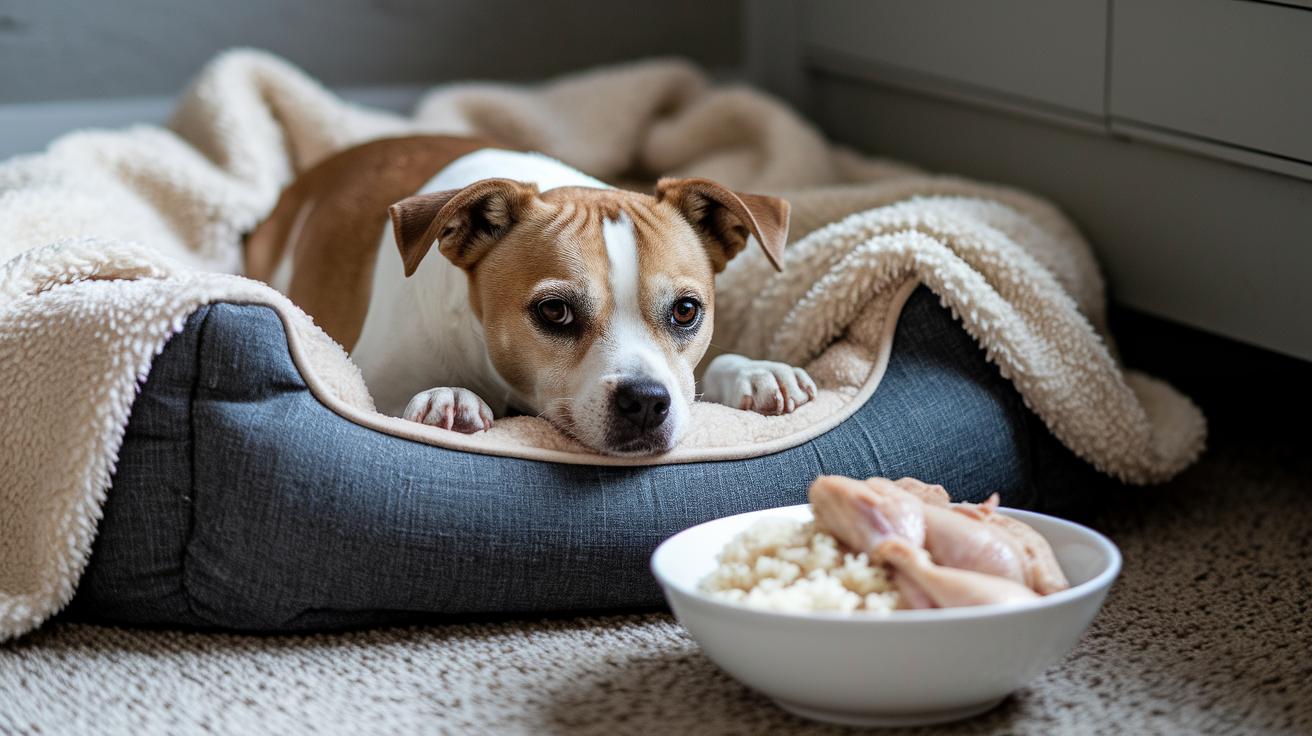
After a day of rest for your dog’s tummy, gently bring food back into the mix. Start with a bland diet, like a little bit of boiled white rice mixed with boiled chicken. Try giving four small meals over a 12-hour period. Think of it as offering a light, soothing meal that feels like a comforting hug after a tough day.
Once you see your pal starting to show interest in food, slowly stir in some of their regular kibble over the next 3 to 5 days. This gradual change helps their belly settle back into its normal routine without any sudden upset. And remember, steer clear of any fatty or spicy treats during recovery, they can be too harsh on a sensitive stomach.
Keep a close eye on how your dog is doing during this time. If you spot signs of vomiting again, pause feeding and let your pup’s tummy settle with a brief fast until they feel better. This careful, step-by-step approach helps your furry friend regain their appetite safely and keeps their tummy happy.
Supportive Care and Home-Based Gastrointestinal Stabilization
Once your pup’s vomiting has stopped, it’s time to help their tummy find its balance. Create a quiet, cozy spot, think of it like a little retreat, where your fur buddy can relax without too much activity or loud sounds. This calm space lets them settle in without extra stress. Instead of high-energy play, choose slow, gentle walks that keep things easy on the belly.
Sometimes, a soft belly rub is all it takes. It’s like giving a comforting pat on the head, a simple touch that can ease minor cramps and help your pet feel safe. After meals, you might add a small probiotic supplement (a little helper that supports gut health) to keep their digestion on track.
Don't forget to check in on their hydration. A quick skin-tent test, pinching the skin on the back of their neck to see how fast it bounces back, and a look at their gums can reveal if they need more fluids. With a peaceful home and a bit of tender care, your pup can gradually regain their strength and get back to feeling great.
At-Home Dog Retch Treatment: When to Seek Veterinary Care

If your dog is retching without actually bringing anything up, that's a clear sign you need to pay close attention. When vomiting stretches beyond a day, it’s a hint that things aren't just a simple tummy upset. Keep an eye out for a fever, a painful belly, or a noticeable drop in energy, these clues might mean your pup is in trouble. And if you see signs like sunken eyes or gums that feel a bit sticky, it’s time to take action.
Consider these red flags:
- Blood or brown, coffee-ground looking bits in the vomit
- Anything unusual, like foreign objects, in the vomit
- Constant dry heaving that doesn’t produce anything
Imagine it this way: watching your dog dry heave is like seeing a car sputter and struggle to start, it could be an early warning of something serious. Have you ever seen a dog with a droopy face after hours of retching? That tired, droopy look might be a sign of severe discomfort and dehydration.
Even if things seem only slightly off at first, any sudden change in your dog’s behavior or ongoing symptoms means it’s best to call the vet. Acting early can really give your furry friend the best chance to recover quickly and without extra complications.
Preventing Future Dog Vomiting: At-Home Strategies
Make life a bit safer for your pup with a few home tips. First, keep trash bins and toxic plants out of reach. Even a little sniff around the garbage can upset a sensitive tummy.
Next, set regular meal times. Stick to small, balanced meals spread throughout the day. It keeps your dog's stomach feeling calm, like a quiet, cozy nap.
Slow-feed bowls work wonders too. They turn the rush of eating into a fun little challenge instead of a race to finish. And if you're heading out on a car ride, try mixing ¼ teaspoon of powdered ginger into your dog’s meal about 30 minutes before leaving. Ginger naturally helps ease travel jitters and soothes the belly.
Also, it's smart to be ready. Brush up on simple home care steps for tummy troubles so you’ll know what to do if your pet seems uncomfortable. Taking these easy steps can make mealtimes and trips a whole lot more enjoyable for both of you.
Vomit Appearance Interpretation for Dog Vomiting at Home
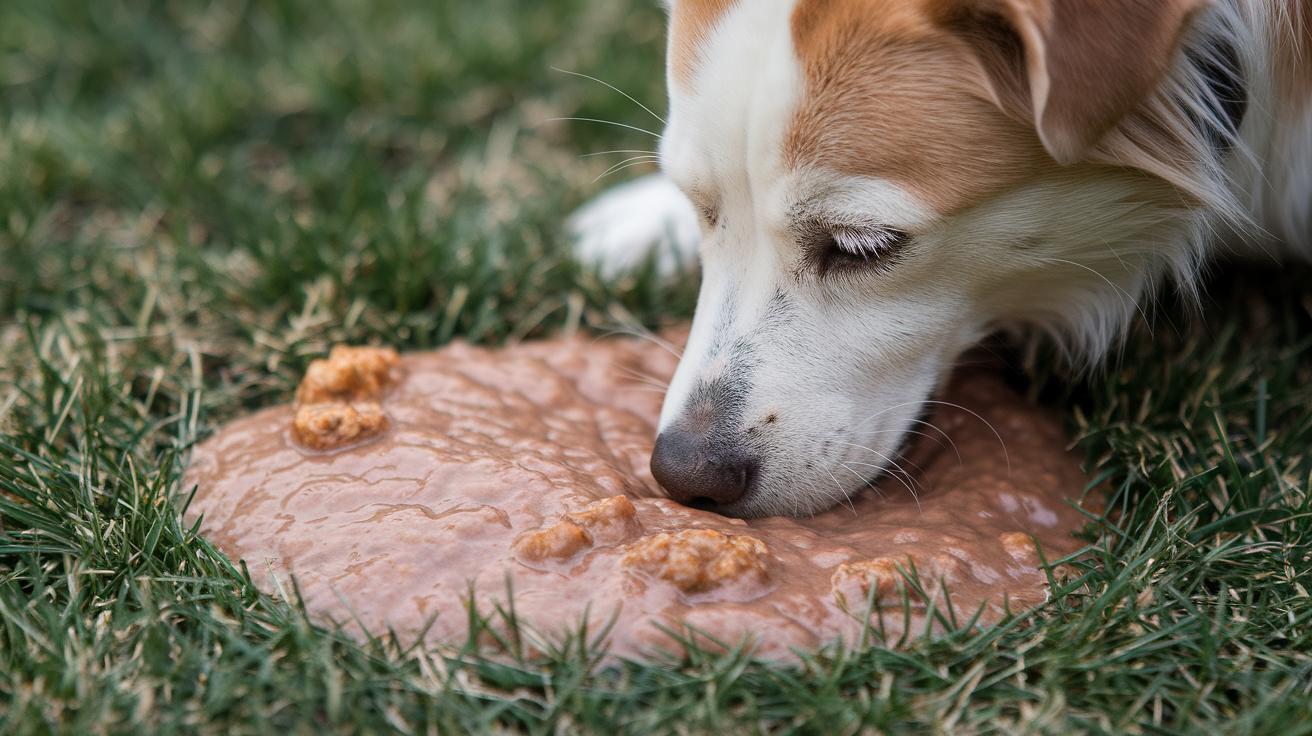
When you notice your dog's vomit, its look, feel, and smell can tell you a lot about what might be happening. If the vomit seems coarse and grainy, it usually means there’s food in it. This might mean your furry friend ate too fast or munched on something hard to digest. If you spot little uneven bits in the mix, it could be that not all the food was chewed properly.
Seeing vomit that is black or has a hint of blood is a bigger concern. This might mean there’s bleeding in the upper part of the digestive system and it’s best to get your dog checked by a vet right away. Imagine those red streaks or dark specks blending in with the food remnants, it’s a clear signal something isn’t right.
If the discharge is yellow or green and has a foul odor, it could be bile showing up or even hint at issues like parvovirus. On the other hand, white foamy vomit often tells us your dog’s stomach is empty and acids are building up. Noticing these details can help you decide if a simple at-home fix might work or if you need to rush to the vet for more serious care.
Final Words
In the action, this article laid out a clear step-by-step guide, from immediate fasting and controlled water access to natural anti-nausea remedies and careful reintroduction of food. There’s also advice on creating a calm space and knowing when to seek a vet’s help. Following these simple tips can really help you take care of your pup. With care and patience, you can handle dog vomiting treatment at home effectively and keep your furry friend feeling better soon.