

From meowing mechanical cats to baby cages dangling from New York windows, the past is packed with gadgets that make modern tech look tame. Some were ingenious, others downright dangerous, but each tells a fascinating story about the hopes, fears and imagination of its time. Dive in as we explore eight extraordinary contraptions that briefly promised to change everyday life before fading into the footnotes of history.
1. Mechanical Cat-Mew: The Robot Rat Hunter
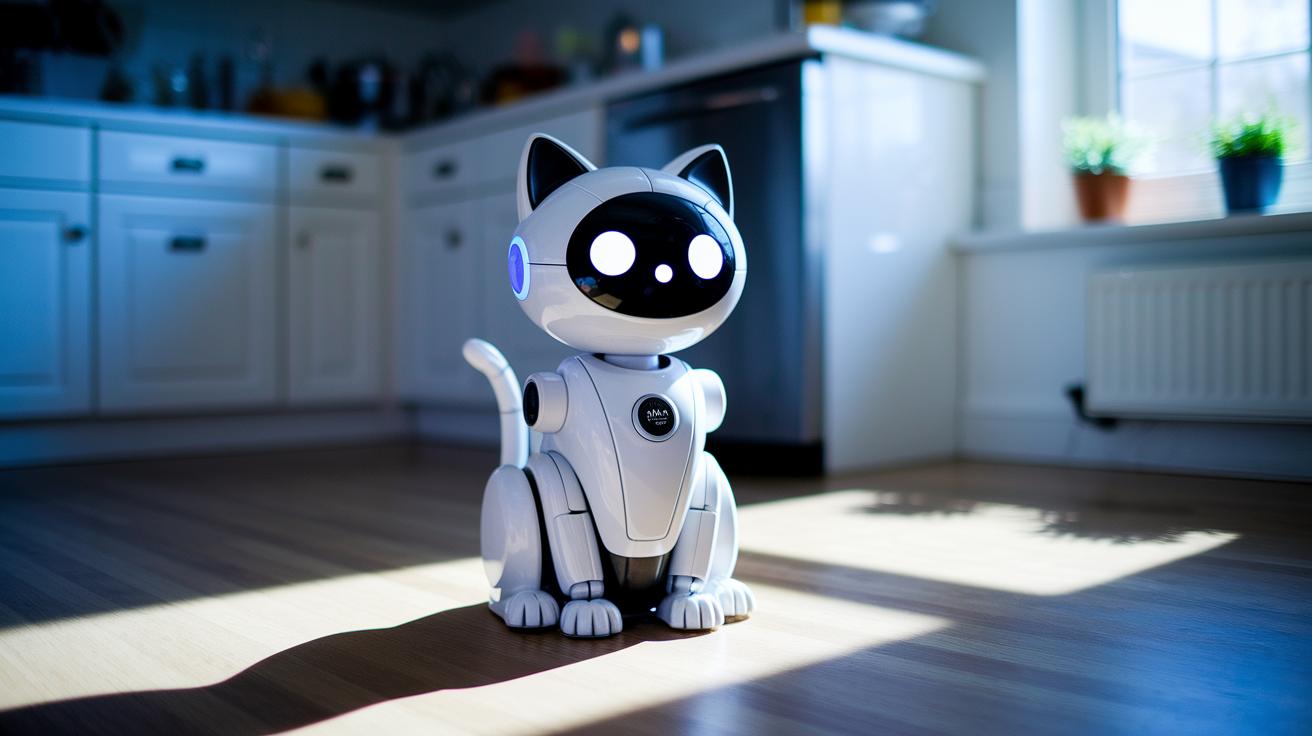
In the 1960s, Japanese engineers decided to solve a household problem with pure whimsy. Their answer was the Cat-Mew Rat-Catching Machine, a motorised contraption topped with a plastic feline head. Ten times every minute the head let out an artificial “meow,” while blinking electric eyes swept the floor like a miniature lighthouse. Makers believed the sound and motion would terrify rodents enough to drive them from cupboards and skirting boards. Affordable, maintenance-free and allegedly more humane than poison, the Cat-Mew arrived in ironmongers across Tokyo. Customers loved the novelty, but most reviews agreed real cats still did a better job.
2. Krummlauf: The Bent-Barrel Rifle That Peeked Around Corners
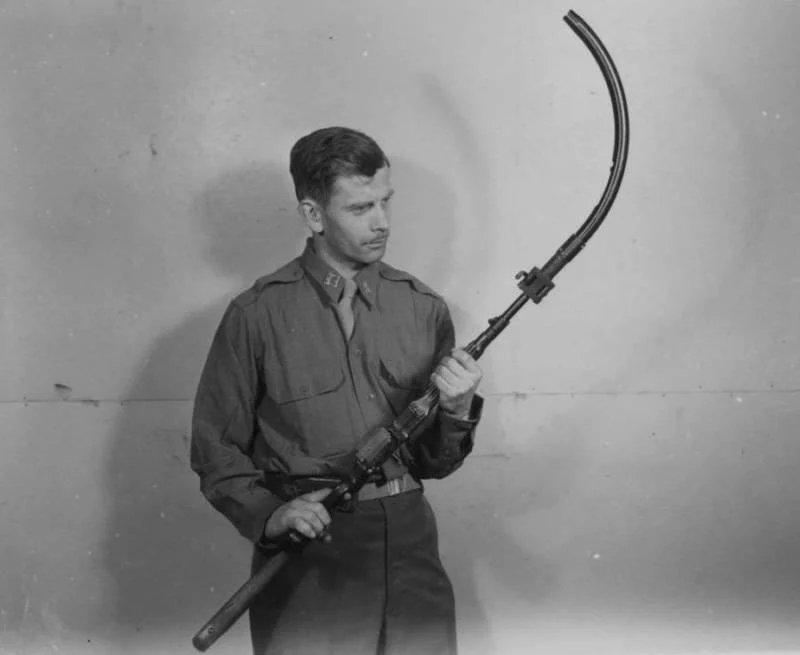
Toward the desperate end of World War II, German armaments designers tried to bend the laws of physics, and their rifles. The Krummlauf (“crooked barrel”) was a standard Sturmgewehr 44 given a 30-, 45- or 90-degree elbow so soldiers could fire around corners or over cover without exposing themselves. A mirror sight relayed the image back to the trigger puller, turning the weapon into a lethal periscope. Unfortunately, bullets leaving the curved steel experienced extreme stress; many shattered or exited unpredictably, quickly eroding the barrel. Although several hundred were produced, the Krummlauf never saw wide issue, but its Cold War mystique endures.
3. Television Glasses: Hugo Gernsback’s Wearable Screen
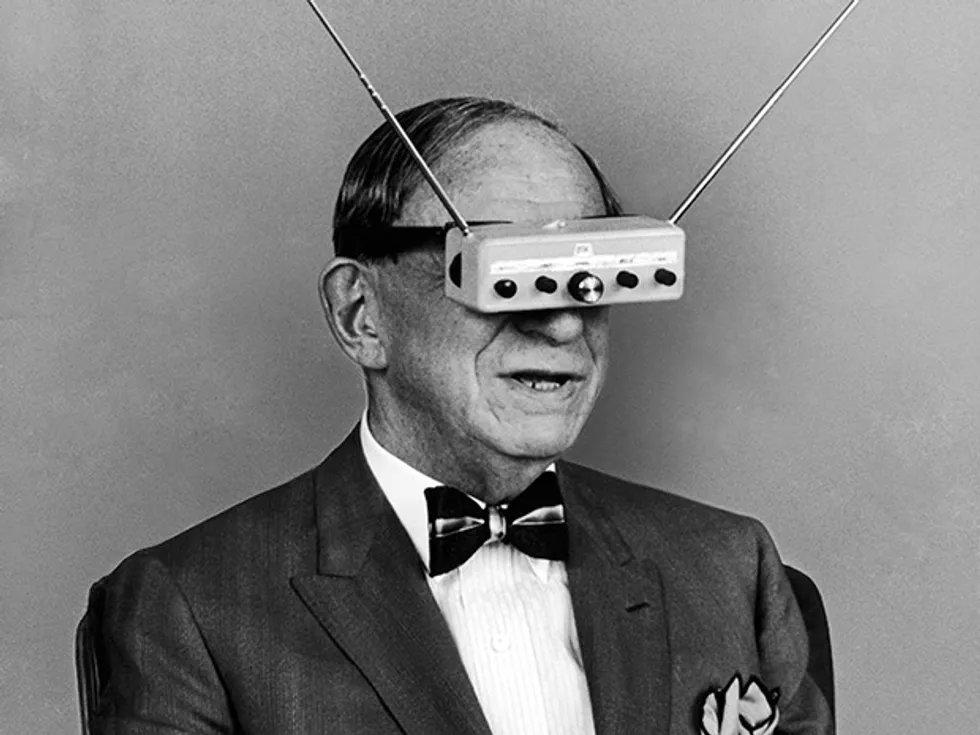
In 1963, science-fiction publisher and perpetual tinkerer Hugo Gernsback predicted a future where entertainment floated inches from our faces. For LIFE magazine he modelled his Television Spectacles: two one-inch cathode-ray tubes mounted in a visor, linked to a belt-worn receiver. Dials on the frame controlled focus and volume, while a retractable antenna provided signal. Gernsback imagined travellers watching shows on trains, students reviewing lectures and hospital patients enjoying bedside movies, no cumbersome furniture required. At roughly five pounds the prototype was hardly feather-light, yet it foreshadowed today’s VR headsets and smart glasses surprisingly well. “Personal television,” Gernsback wrote, “is inevitable.”
4. Acoustic Aircraft Locators: The Giant Ears of War
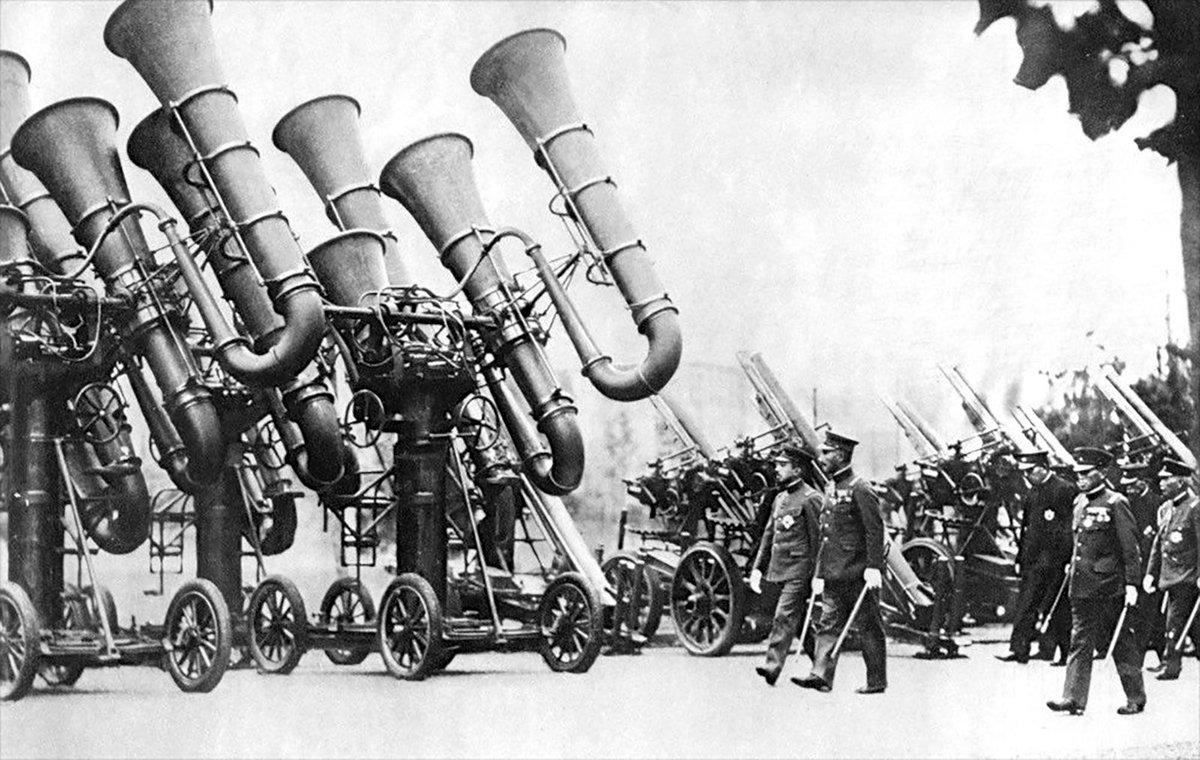
Before radar shrunk to a metal box, militaries tried to hear the enemy coming. The Japanese Type 90 acoustic locator looked like something from War of the Worlds: four giant trumpets fixed to an operator’s helmet and shoulder frame. In this 1940 photograph Emperor Hirohito inspects rows of the unwieldy devices, designed to triangulate incoming aircraft by amplifying engine noise. Well-trained listeners could estimate altitude and direction with surprising accuracy out to several kilometres, buying precious seconds for anti-aircraft crews. Yet once radar sets arrived, the towering “war ears” became instantly obsolete, monuments to a brief, sonic chapter of detection.
5. Hamblin Spectacles: Mirror Glasses for Bedtime Readers
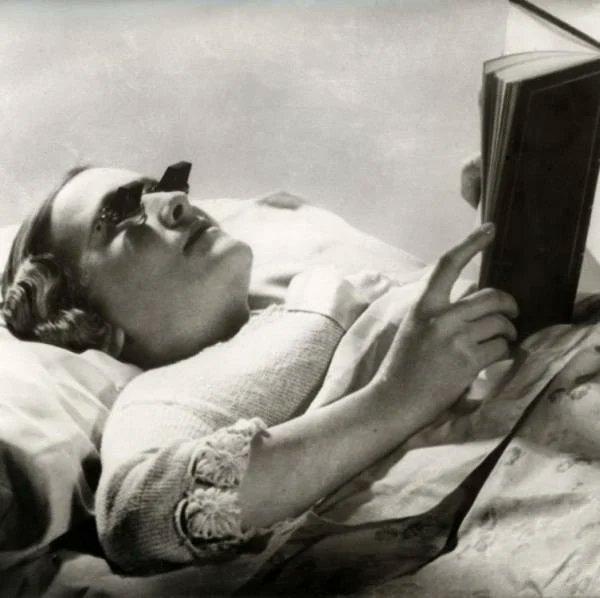
Long before e-readers, inventor William Hamblin tackled the perennial problem of holding a novel above your duvet. His 1936 Hamblin Glasses embedded 45-degree mirrors in chunky frames so wearers could lie flat and read material resting on their chests. Advertisements promised “no arm fatigue, no bedside lamp glare” and claimed the specs prevented drafts from striking tired eyes. Early adopters loved them for sickbeds or hospital recovery, but moving your head even slightly knocked words out of alignment and magnification was fixed. Today’s prism bed readers owe a clear debt to Hamblin’s whimsical yet surprisingly practical idea.
6. Parisian Pissoirs: Open-Air Urinals of the 19th Century
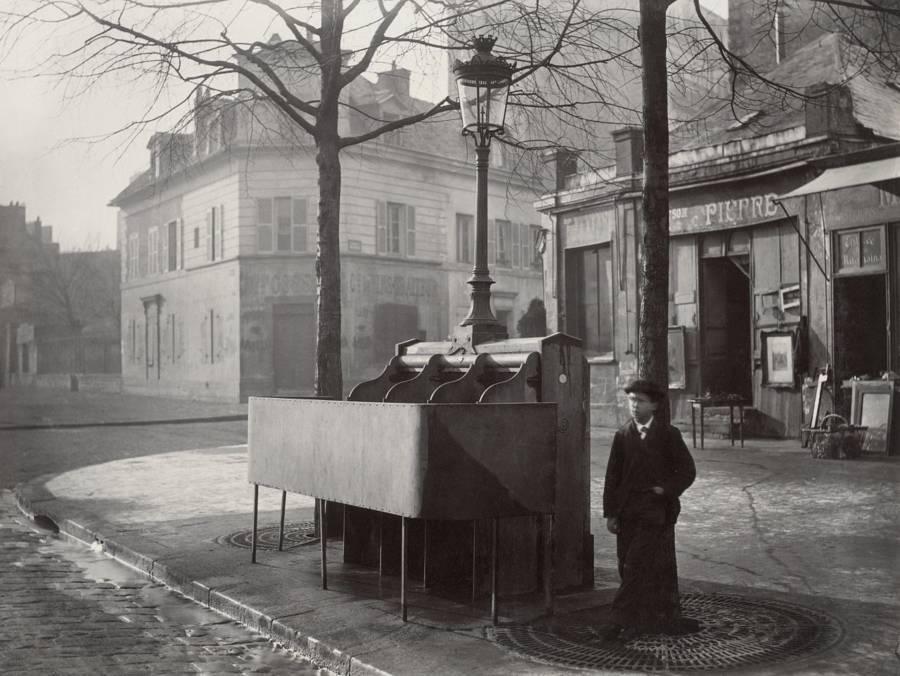
To Parisians of the mid-1800s, modern plumbing meant stepping outside. Beginning in 1834 the city installed cast-iron pissoirs, open-air urinals enclosed by waist-high screens, on boulevards, bridges and busy squares. By 1865 more than 1,000 dotted the capital, each designed by architect Jean-Charles Alphand to discourage public indecency while keeping sewers unclogged. A small roof protected modesty; a perfumed drain combated odour. In this photograph, a young boy strolls past the cylindrical booth, illustrating just how ubiquitous the structures became. Hygiene reformers eventually demanded full privacy stalls, and by the 1930s most pissoirs disappeared, leaving only the euphemism “vespasienne” in Parisian slang.
7. Pedestrian Safety Scoop: The Car-Mounted “Pare-Piéton”
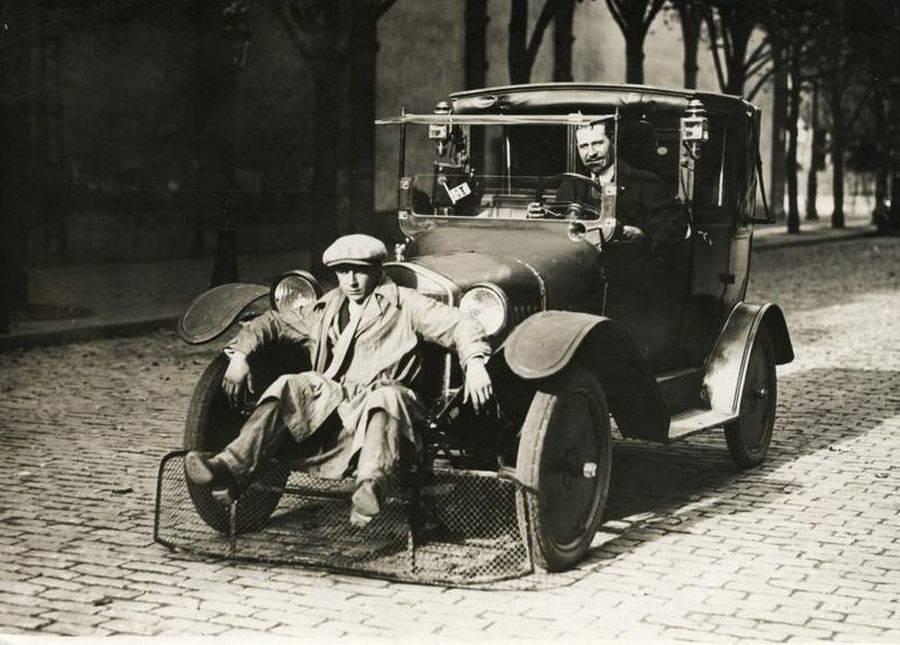
Long before crash-test dummies, French engineer Louis Réard proposed a scoop that would literally pick danger off the streets. Mounted to the front bumper, his 1924 “pare-piéton” resembled a snowplough flipped upward, ready to cradle any pedestrian struck by a car. Springs were calibrated to trigger the net at impact, cushioning the victim and preventing secondary run-over injuries. Demonstration photographs show a sleek Citroën with a two-metre wire basket poised like a catcher’s mitt. Though Paris police welcomed experiments, manufacturers balked at added weight and cost. The idea faded, but its spirit survives in modern Euro-NCAP pedestrian airbags.
8. Window Baby Cages: High-Rise Playpens in the Sky
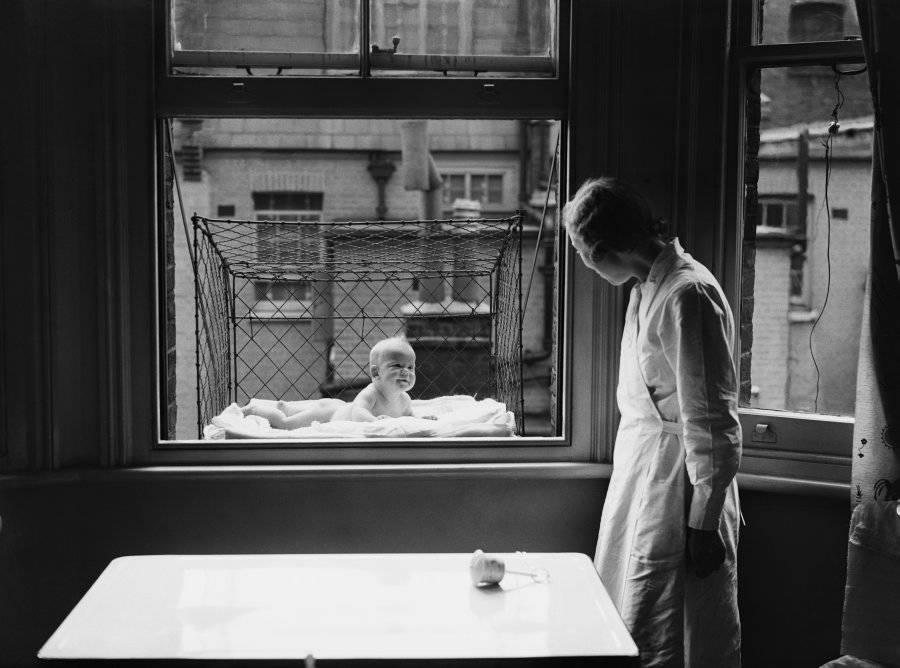
In 1930s New York, fresh air was considered as vital to toddlers as milk, yet cramped tenements offered little except dizzying heights. Enter the baby cage: a wire enclosure cantilevered from apartment windows, providing city infants with their own pocket-size balcony. Members of the Chelsea Baby Club received the contraption free, complete with weatherproof roof and hinged door. Mothers could keep an eye on the child from inside, while sunlight and breezes supposedly strengthened bones and lungs. Despite endorsements from some paediatricians, nervous neighbours complained, and safety codes soon clipped the cage’s wings, though the photos remain internet legends.