


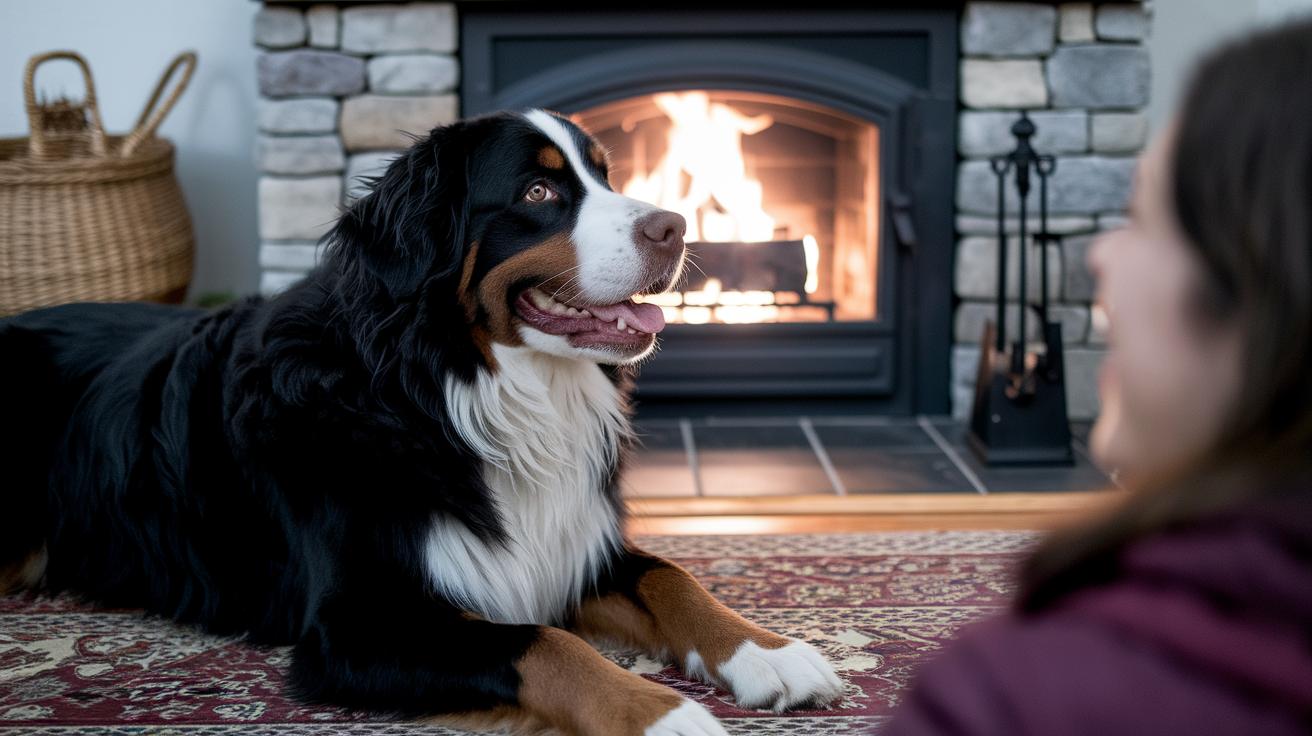
Ever feel like a dog's love can brighten the coldest day? Bernese Mountain Dogs are more than just cute furry friends, they carry a rich piece of Swiss history in their strong, tri-colored coats. Born to lend a hand on dairy farms, these gentle giants now fill our homes with warm hugs and tender smiles.
They remind us that hard work and kindness can go hand in hand. With every playful wag and every gentle nudge, they bring a little history and a lot of happiness into everyday life. Isn't it amazing how such a loyal companion can make even an ordinary day feel special?
Bernese Mountain Dog Overview: History, Physical Traits, and Heritage
Bernese Mountain Dogs got their start in the beautiful canton of Bern in Switzerland. Originally, they were bred to help on dairy farms, pulling carts and rounding up livestock. Imagine a loyal, sturdy friend hauling loads of fresh milk on a crisp morning. Their roots run deep in the Swiss countryside, where every cart-pulling step echoed the community’s hard work and devotion.
These dogs are just as striking as their story. With a unique tri-color coat of black, white, and rust, they naturally grab your attention. Their strong yet agile build hints at a life spent navigating rugged terrain and working hard on the farm. They wear a double coat: an outer, silky layer that shimmers in the sunlight paired with a thick, woolly undercoat that braces them against cold weather. A quick weekly grooming session with a slicker brush or metal comb goes a long way to keep them looking their best, and to ease those heavy shedding moments.
Not only were Berners a key player among the four Swiss mountain breeds that boosted the country’s dairy and agricultural exports, but they also embody the spirit and resilience of the high mountain regions. Their gentle yet hardworking nature reminds you that they aren’t just pets. They’re living pieces of Swiss history, loyal friends who carry a story of community, perseverance, and the simple beauty of nature.
Bernese Mountain Dog Temperament and Family-Friendly Nature

Bernese Mountain Dogs are such gentle souls. They’re known for being incredibly loyal, often forming a special bond with one family member while showering love on everyone else. Their warm nature makes them a perfect match for any family, and their calm, friendly vibe really shines through when they’re around kids. Many pet parents see firsthand how gentle they are with little ones, and with proper care, they even fit in wonderfully around infants.
Sometimes, these dogs might seem a bit reserved when meeting new people, showing off a little protective side. Early socialization truly helps ease any shyness, making them more confident when new faces come around. I remember once when a Berner met a tiny kitten and tilted its head in the cutest, curious way, as if it was figuring out a new friend. It’s moments like these that really show just how kind and playful they can be.
And let’s not forget their adorable quirks. Whether it’s the cozy “Berner lean” where they snuggle right up against you or the comical “turkey-leg” sitting posture that lights up the room, these little habits add so much charm. Every day spent with them becomes a mix of heartwarming and lighthearted moments, making life a little brighter.
Bernese Mountain Dog Coat Care, Grooming Techniques, and Shedding Management
Bernese Mountain Dogs sport a beautiful double coat, a silky outer layer paired with a thick, undercoat, that not only turns heads but also needs regular care. I usually make sure to brush them weekly using a slicker brush or metal comb to keep it tangle-free, sort of like giving them a little spa day. It’s one of those moments when you can see their fur shine, and you might even catch yourself thinking, “This is the best part of the day!”
When the heavy shedding season hits a couple of times a year, you'll notice a lot more loose fur floating around. During these times, spending a few minutes each day brushing, say, for one to two weeks, can really help manage the extra fluff. And it’s a great chance to gently massage their skin, checking for any signs of irritation while making sure they feel pampered.
I also give them a bath every two to three months using a mild shampoo designed for thick, double-coated breeds. This little routine not only keeps their coat looking healthy but also ensures their skin stays soft and comfortable. After a good bath, there’s nothing quite like watching your furry friend dry off and regain that extra bounce in their step.
Bernese Mountain Dog: Heartwarming Traits and Care

Bernese Mountain Dogs thrive when they get about 30 minutes of joyful exercise each day. A brisk park walk or a playful session in the backyard can brighten their day, giving them the chance to let their sturdy, adventurous spirit shine. Whether it's a gentle hike on a cool trail, a night camping under a starlit sky, or even a playful cart-pulling adventure with the family, these outings make them feel truly alive.
Their thick, cozy coat is perfect for chilly weather, but it also means you need to watch out during the midday heat. Try taking them out in the early morning or later in the evening when it's cooler, and be sure to provide lots of shade on sunny days. Many pet parents swear by safe water activities like swimming or gentle splashing, which not only soothe their joints but also give them a refreshing break.
Here are a few favorite ways to keep your Bernese Mountain Dog active and content:
| Activity | Description |
|---|---|
| Walks and Play Sessions | At least 30 minutes of fun and exercise each day. |
| Outdoor Adventures | Hiking, camping, or even cart-pulling for that extra thrill. |
| Swimming and Water Play | Refreshing games for joint care and a cool break. |
Balancing energetic play with cool, relaxing moments keeps your Bernese both happy and healthy, just like a day spent with your best furry friend.
Bernese Mountain Dog Health, Lifespan, and Preventive Care
Bernese Mountain Dogs usually live about 6–8 years, so every day counts. These big, strong pups sometimes face challenges like hip or elbow dysplasia, which means their joints might need a little extra care. Many pet parents choose breeders who do health tests, like OFA or PennHIP, to spot any early signs of trouble. One loving owner once said, "Catching a problem early saved my Berner’s quality of life," and that really hit home.
Heart and cancer checks are also important to keep your Berner feeling his best. Keeping track of these visits makes sure your four-legged friend gets the care he needs. Daily routines can help too, with gentle exercises and relaxed walks that are easy on those joints, especially as your big buddy ages.
Bloat is another concern for large breeds like Bernese Mountain Dogs. To help with this, consider feeding your dog smaller, more frequent meals, imagine giving them a few tasty snacks instead of one big feast. Also, avoid letting them run or play too hard right after eating.
Here are a few daily practices to keep your Berner happy and healthy:
| Tip | Description |
|---|---|
| Monitor Feeding Habits | Serve small meals frequently and keep post-meal excitement to a minimum. |
| Regular Health Checks | Schedule routine screenings for heart, cancer, and joint issues. |
| Gentle Exercise | Stick with moderate walks and light play to protect your Berner’s joints. |
Taking these steps can help you enjoy many cozy, healthy moments with your Bernese Mountain Dog.
Bernese Mountain Dog Nutrition: Dietary Guidelines for Swiss Giants

Feeding your Berner the right way keeps them strong, happy, and ready for all the fun adventures life brings. A balanced diet for these big, loyal pals means using quality proteins, like lean meats, fish, or eggs, that help build muscle and support their sturdy frame. Add in a little healthy fat, such as a dash of olive oil, to give them energy for playtime and walks. Picture a meal made with tender chicken, a splash of olive oil, and some fresh veggies, simple, wholesome, and satisfying.
Puppies need extra love when it comes to meals. They should munch on three to four small meals each day until they're about a year old, maybe stretching to 18 months. As they grow, you can settle into two meals a day. Keeping portions just right not only helps prevent extra weight but also eases stress on those growing joints.
And don’t forget water! Fresh water is an absolute must, especially after a lively romp outdoors. Changing the water often ensures your Berner always has a cool, refreshing drink nearby. With a little care in meal routines and the right portions, you'll set your furry friend up for a life full of joyful moments and plenty of tail wags.
Bernese Mountain Dog Training: Socialization and Obedience Strategies
Bernese Mountain Dogs are loving, eager to please, and yes, sometimes a bit stubborn too. When you start training your pup, set up a cheerful and welcoming space. Use small, tasty treats, maybe a little piece of cheese or his favorite nibble, to celebrate every success. For instance, when your dog meets a new friend calmly, offer a treat and a warm smile. This kind of gentle praise helps build trust and teaches him the basic commands while making training fun.
It’s best to introduce your pup to new sights and sounds early on, between 8 and 16 weeks old. Let him meet different people, other pets, and explore various places. Keep these first encounters short and light, almost like a fun little adventure, so he can slowly build his confidence. When heading out, start with a quiet park stroll and then gradually try busier spots. This step-by-step method will help him feel safe and relaxed.
Housebreaking works best when you stick to a routine. Feed him and take him out at the same times each day, and consider crate training as a cozy spot for him. Remember, the crate isn’t a punishment, it’s his little safe haven where he learns good habits. To keep his mind busy, mix in some fun challenges like puzzle toys or even simple cart-pulling play sessions. These playful tasks help beat boredom and build his confidence.
- Keep a regular schedule for meals and potty breaks.
- Make training sessions short, fun, and loaded with yummy treats.
Bernese Mountain Dog Home Environment: Space, Safety, and Family Integration

Bernese Mountain Dogs love having lots of space both inside and outside. They can get pretty big, adult males weigh between 80 and 115 pounds, so having a roomy living area and a safe yard is essential. It’s like giving them a special playground where they can run around and feel truly at home.
Making your home safe for your Berner is easier than you might think. Try securing trash bins with lids and tucking away electrical cords to prevent any curious chewing. Also, keep harmful plants like lilies out of your pet’s reach. In short, you’re turning your home into a cozy, safe haven for your furry friend.
Every day brings a new chance to bond with your Bernese through fun family activities. Whether it’s a lively game of fetch or a gentle grooming session, these moments help remind your dog that they belong. Have you ever noticed how a little playtime can make your pet’s tail wag with joy?
If your household has other pets, especially cats, it’s a good idea to watch their early encounters. Setting up quiet, separate spots for each pet can make these meetings smoother, helping everyone feel comfortable and secure as they get to know one another.
Bernese Mountain Dog Acquisition: Breeder Selection, Adoption, and Costs
When you’re on the hunt for your new Bernese buddy, start by checking out trusted breeders. Look for those registered with the AKC who can show health certificates for hips, elbows, and heart. You might even hear a breeder say, "Our pups come with full health checks," which tells you they really care about your future furry friend’s long-term health.
If dealing with breeders feels a bit overwhelming, think about breed-specific rescues. Adopting a dog not only gives a deserving pup a loving home but also helps you steer clear of some of the unknowns in a pet’s background. Adoption fees usually range from $300 to $700, making it a warm and sometimes more budget-friendly choice compared to buying a puppy outright, which can cost between $1,500 and $2,500.
Before making your final choice, it’s a smart idea to look into monthly pet care expenses. Things like food, grooming, and vet visits can add up to about $150 to $200 each month. Many pet parents even explore pet insurance for a little extra peace of mind.
Whether you end up with a carefully selected breeder or a loving rescue, planning ahead helps ensure that your new four-legged friend will soon become a cherished member of your family. Isn't it heartwarming to think about the journey you and your Bernese will share?
Bernese Mountain Dog Essential Gear: Beds, Harnesses, and Travel Accessories

A comfy orthopedic bed is a must-have for your big, gentle Bernese. These beds are crafted to give loving support to those hard-working joints and hips, almost like a warm, reassuring hug after a day full of play and adventure.
When it’s time for a walk, opt for padded, adjustable harnesses that help ease the strain on your fur baby. Imagine how much brighter your morning can be with a snug harness that makes every step more pleasant. Check out this link for a large dog harness – large dog harness and swing by how to put on a dog harness for some handy fitting tips. And don’t forget a 6-foot heavy-duty leash, crafted from strong nylon or leather, to keep up with his zest during outdoor adventures.
For travel days, choose a crate that stretches at least 42 inches, perfectly sized for your adult Berner. Toss in a few chew-resistant toys to keep your buddy entertained on the go. These durable travel accessories don’t just make trips safe; they turn every journey into an extra spark of fun and comfort.
Having the right gear ensures your Bernese Mountain Dog feels cozy, secure, and ready for every new escapade.
Final Words
In the action, we explored the captivating origins and unique traits of a bernese mountain dog. We talked about their family-friendly temperament, grooming care, exercise needs, and overall health tips. We covered meal plans, training fun, safe home setups, and even how to get these friendly giants in your life. Every section helped paint a picture of joyful, guided pet care for our resilient canine companions. The information brings a smile, inviting you to celebrate and share the warmth of living with a precious pet.
FAQ
Bernese Mountain Dog puppy
The term “Bernese Mountain Dog puppy” refers to a charming, young dog with a thick coat and affectionate eyes. These little ones need proper training and socialization to grow into happy and secure companions.
Bernese Mountain Dog lifespan
The Bernese Mountain Dog lifespan typically spans 6–8 years. Their shorter life expectancy calls for proactive health care, including joint and cardiac check-ups to help your furry friend live comfortably.
Bernese Mountain Dog near me
The phrase “Bernese Mountain Dog near me” means you’re looking for local breeders or rescues. Local animal groups or AKC-registered sources are great starting points to find your new companion.
Bernese Mountain Dog price
The Bernese Mountain Dog price usually falls between $1,500 and $2,500 for puppies. Budget for extra expenses like health screenings, grooming, and vet visits over time to ensure a healthy pet.
Bernese Mountain Dog for sale
The query “Bernese Mountain Dog for sale” directs you to reputable breeders and rescue organizations. Look for AKC-registered sources that offer health certifications and responsible care practices.
Bernese Mountain dog temperament
The Bernese Mountain dog temperament is known for its gentle, loyal, and family-friendly traits. They form deep bonds with their families, making them wonderful companions for households with children.
Bernese Mountain Dog size
The Bernese Mountain Dog size is large, with adult males weighing around 80–115 pounds and females slightly less. Their robust build calls for ample space and regular exercise for a happy home life.
Bernese Mountain dog weight
The Bernese Mountain dog weight typically ranges from 70 to 115 pounds based on age and build. Maintaining a balanced diet and regular exercise routine helps keep your pet at a healthy weight.
Is a Bernese Mountain Dog a good house dog?
The idea of a Bernese Mountain Dog as a good house dog is true; with their gentle, friendly nature and strong family bonds, they make excellent home companions provided they receive enough daily exercise and space.
Do Bernese mountain dogs pick a person?
The question “Do Bernese mountain dogs pick a person?” highlights their tendency to form a strong bond with one family member while staying loving toward the whole family, showcasing their loyal and gentle nature.
Are Bernese mountain dogs expensive?
The query “Are Bernese mountain dogs expensive?” points to both the upfront cost and the ongoing expenses like food, grooming, and veterinary care. Investment in their well-being is key for a happy pet.
What is the leading cause of death in Bernese mountain dogs?
The leading cause of death in Bernese mountain dogs is often linked to cancer and related health issues. Regular veterinary screenings and prompt care can help monitor and address potential problems early.