


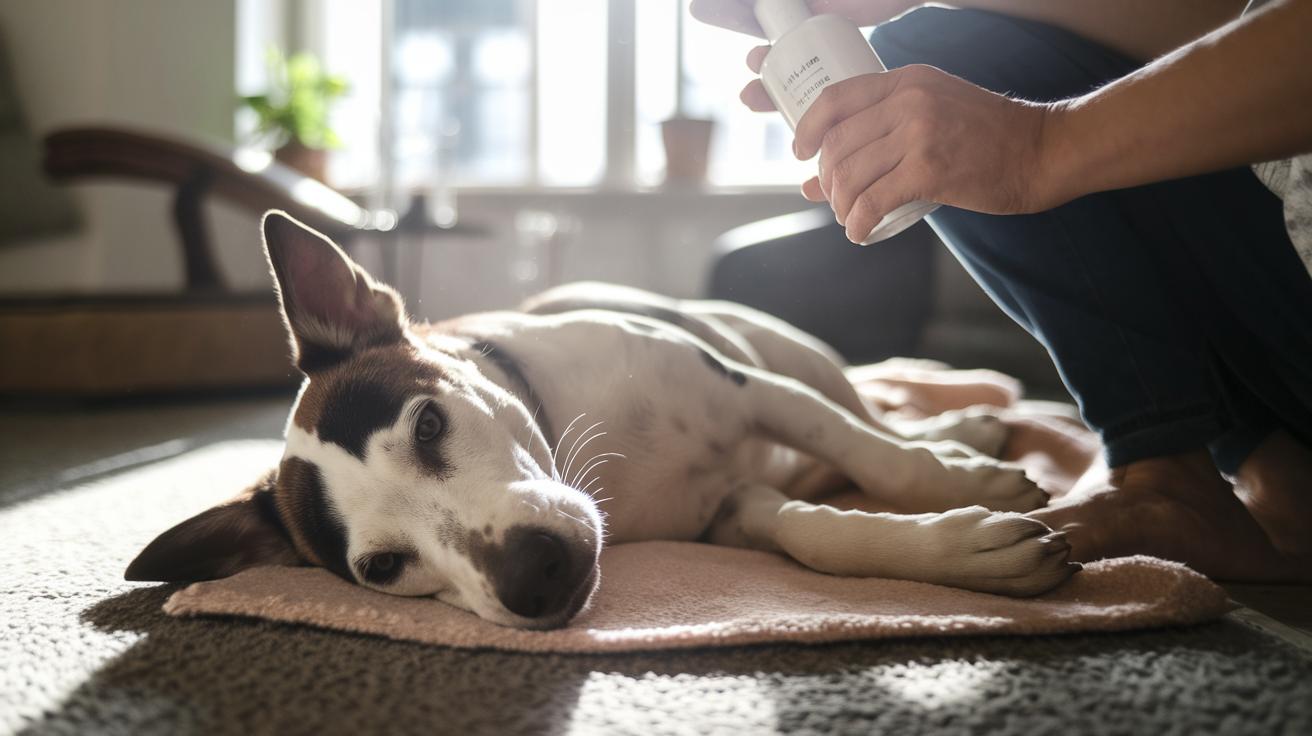
Have you ever wondered if a secret remedy for your dog's ear mites might be hiding right in your kitchen? It might sound a bit unexpected, but warm olive oil and gentle herbal rinses can help ease that pesky itch. Think of it as a mini spa day for your furry buddy, soothing irritation naturally without any harsh chemicals.
In this guide, I'll show you how everyday household items can bring relief to your pet's discomfort. Imagine the soft warmth of olive oil gently easing the irritation, making your dog's ears feel calm and cared for. With just a few simple steps, you can make a big difference in your dog's ear health.
Fast-Acting Home Remedies for Canine Ear Mites
Did you know that something as simple as an item from your kitchen can help your dog feel better when ear mites are acting up? One tried-and-true remedy is warm olive oil. It loosens debris and soothes irritation. First, warm a little olive oil and test it on a small patch of your dog’s skin to be safe. Then, using a cotton ball, gently dab it near the ear entrance – but be sure not to push it too deep.
Next, you might give a baking soda rinse a try. Mix 1 teaspoon of baking soda with 1 cup of warm water, and using a soft cloth, gently apply the mixture around the ear. This helps clean without upsetting the ear’s natural balance. You can also steep some herbal tea such as green tea or chamomile, let it cool down, and use that as a soothing antiseptic rinse. It’s like a gentle spa day for your furry friend!
For a little twist, consider making garlic-infused oil. Crush a few garlic cloves in olive oil and let the mix sit overnight. Just remember to strain it carefully before use, since unfiltered garlic might irritate your dog’s ear even more.
Some pet parents even find that natural, over-the-counter sprays work well when used twice a week for about a month. And while CBD oil might help ease the itch, keep in mind that it isn’t a cure-all. Always watch for signs of irritation, and if things don’t improve in about 7 days, don’t hesitate to reach out to your vet.
Understanding Dog Ear Mites: Symptoms, Transmission, and Risks

Ear mites are tiny bugs called Otodectes cynotis that nibble on the skin debris in your dog's ear. They often sneak into your pet's ear when playing with an infected buddy or touching surfaces in busy places like kennels or shelters. Really, it's more than just a small annoyance.
When a dog has ear mites, you'll start to notice signs of discomfort. They might shake their head a lot, what looks like a playful quirk can soon become a constant, worrisome problem. The annoying itch may lead your dog to scratch so hard that red-brown crusts form around the ear. This heavy scratching can even invite pesky bacterial or yeast infections. One pet parent said, "It was like watching my dog try to catch invisible bugs that just wouldn’t leave him alone." You might also spot a dark, coffee-ground discharge in the ear, which is usually a mix of gunk and dried blood.
Over time, the irritation can leave your furry friend feeling really uncomfortable. If the mites aren't treated, the problem might grow into a more serious ear condition, needing extra care. Keeping your dog’s environment clean and avoiding contact with animals showing similar signs can help a lot. And by watching your pet closely for any odd changes, you can catch the issue early, a little quick action can go a long way in making your dog feel better.
Detailed Ear Cleaning & Treatment Protocol for Dog Ear Mites
Start by gently warming a bit of olive oil until it feels pleasantly warm (not too hot). Dip a cotton ball in the oil and softly dab it at your dog's ear opening. One pet parent even said it feels like a mini spa day for your furry friend, so soothing and gentle.
Next, mix 1 teaspoon of baking soda with 1 cup of warm water. Take a fresh cotton ball or a piece of gauze, dip it into the solution, and carefully wipe the outside of the ear. Always support your dog's head and avoid inserting anything into the ear canal for safety.
Keep up this routine once a day for about 7 to 10 days or until you notice less scratching. Watch closely for any signs of irritation or discomfort, and if anything seems off, stop and consult your veterinarian.
| Step | Instruction |
|---|---|
| 1 | Warm olive oil until comfortably warm; dab gently at the ear opening |
| 2 | Mix 1 tsp baking soda with 1 cup warm water; use a cotton ball to clean the ear’s outer area |
| 3 | Repeat daily for 7–10 days; monitor for irritation |
Olive Oil & Baking Soda Treatments: Preparation, Application, and Safety

Olive oil works wonders by softening away debris and easing irritation. Warm a bit of olive oil until it feels like a freshly dried towel, gentle and cozy without any risk of burns. Strain it through a clean filter to clear out little particles. For a quick check, warm a little and test it on your wrist, it should feel just like wrapping your pet in a soft, warm hug.
Before you spread the oil anywhere, do a tiny patch test on a small spot of skin to make sure nothing odd happens.
Now, let's talk about the baking soda mix. Stir one teaspoon of baking soda into one cup of warm water until all the powder disappears. Using a fresh cotton ball or some gauze, gently dab this solution on the outer part of the ear. Just be cautious and keep it at the entrance, no need to go too deep.
| Benefits | Drawbacks |
|---|---|
| Easy on the wallet, kind to the skin, helps calm irritation | Needs daily use for around 10 days to see changes |
And don’t forget, get rid of any leftover mixture after 24 hours so that it stays safe and clean.
Herbal & Essential Oil Remedies: Preparation, Pros, Cons, and Precautions
To make garlic oil, crush 4–5 cloves and mix them into ½ cup of olive oil. Let it sit overnight so the goodness can blend in, then strain it well. This natural remedy uses ingredients with antibacterial perks that help lessen ear mites. One pet parent said it felt like a soft, caring treat for their dog's ear, easing the irritation with a gentle warmth.
For a mild rinse, steep green tea or chamomile tea for about 10 minutes. Let it cool completely, then strain it. These teas bring antioxidants that calm and soothe inflamed tissue. Picture gently pouring a cool herbal tea over your dog’s ear, it's as soothing as a light summer breeze.
Some natural over-the-counter sprays work fast by aiming right at the mites with little chemical fuss. They’re used twice a week for about one month. One pet parent mentioned that using it weekly left a refreshing, cooling feeling on the ear.
When it comes to CBD oil for reducing itch, use just a little. Remember, it’s only there to ease discomfort, not to cure the issue entirely. Recent studies even suggest that CBD helps calm those overactive nerve signals in swollen tissue.
If you’re adding essential oils for extra care, make sure they’re diluted, no more than 2% in a carrier oil, to protect your pet’s sensitive skin. For instance, mix 2 drops of essential oil into 1 teaspoon of carrier oil. This proper mix helps keep the ear’s natural barrier strong and lowers inflammation.
Important tips to follow:
- Always check dilution ratios closely.
- Use teas, oils, and sprays only on the outer parts of the ear.
- Do a patch test on a small area before applying to the whole ear.
- Stop using the remedy if you notice more redness or discomfort.
Natural vs. Conventional Dog Ear Mite Treatments: Comparative Overview

When treating ear mites in dogs, most pet parents have two main choices. Conventional treatments use special ear drops and creams to quickly knock out the mites. These products need a vet’s note and can sometimes cause side effects like shaky legs or even seizures if things go wrong. One pet parent even said it felt like a “roller coaster of side effects” – the treatment worked, but their dog ended up a bit off-balance.
Natural treatments take a gentler approach. They use simple ingredients like olive oil, herbal teas, or garlic-infused oil to calm the irritation without hitting your dog with harsh chemicals. These remedies are non-toxic and kind to your dog’s skin. The downside? They might take a little longer to work, often needing a daily application for around 10 days before you see clear signs of improvement.
Here’s a quick look at each method:
| Conventional Treatments | Natural Treatments |
|---|---|
| Fast-acting with a clear timeline | Milder and non-toxic |
| Requires a prescription and can have stronger side effects | May take longer to show results |
| Often needs close vet supervision | Best for mild cases and upkeep care |
It’s important to find the right fit for your furry friend. While conventional options offer quick relief, natural remedies work softly and gently, which might be easier on your dog’s delicate ears. Always check with your vet, especially if your dog’s symptoms stick around for more than a week.
Preventing Dog Ear Mite Infestations with Natural Care Practices
Taking care of your dog’s ears goes beyond just cleaning them, it’s about setting up a natural barrier against pesky ear mites. Using a mild cleaning mix like warm water with a gentle wipe not only clears away dirt and debris but also keeps the natural balance of good bacteria intact. A steady routine can really help cut down on irritants that might invite those unwelcome mites.
Keeping your dog’s bedding, collars, and living areas clean also works wonders. Regular washing and smart storage can stop these spots from becoming cozy hideouts for mites. And if one pet starts showing signs of an infestation, it’s best to check on all of them. This way, you’re protecting every furry friend from a cross-infestation.
It’s also a good idea to be careful around other animals that might be carrying ear mites, as these tiny parasites can spread easily. Plus, a balanced diet and plenty of playtime can boost your dog’s overall health and immune system, making the ears a less attractive home for the mites.
In the end, a simple and natural ear care routine done every day can make a big difference. Not only does it keep your dog’s ears free of debris, but it also preserves their natural defenses, giving them comfort and a healthier life overall.
Try to make these practices a daily habit, and your dog’s ears will thank you for it.
Veterinary Guidance and Safety Precautions for Natural Ear Mite Treatment

Integrated with our cleaning, treatment, and herbal remedy tips, here are some friendly guidelines to follow. If your pet keeps scratching its ears or shaking its head even after 7 to 10 days, it might be time to see your veterinarian. They can use a tiny swab and a magnifying tool to check if it's ear mites or maybe a bacterial or fungal infection. You might hear a vet say, "I use a small swab with a magnifier to see if it’s mites or something else."
When using essential oils for a natural ear cleaner, always blend them with a carrier oil. Keep the mix at about 2% concentration to avoid harming your pet’s ears. For example, mix 2 drops of tea tree oil in 1 teaspoon of olive oil and gently dab it on the outside of your pet’s ear, no need to push the cotton swab deep inside.
For any home treatment, never insert applicators deep into the ear canal since it could damage the delicate eardrum. If you notice more redness, discomfort, or irritation while treating your pet, stop right away and give your vet a call.
Final Words
In action, we explored fast-acting remedies for canine ear mites, from olive oil and baking soda washes to gentle herbal and essential oil treatments. Practical safety tips were shared, like proper dilution and patch testing, so you can care for your dog with confidence. We also covered symptoms to watch for and when to seek a vet’s advice. By choosing natural ear mite treatment for dogs, you support your pet's well-being in a simple, effective way. Happy pet care leads to healthier, happier companions.
FAQ
Q: What kills ear mites instantly?
A: The answer is that gentle cleansing paired with soothing treatments works best. Warm olive oil loosens debris, and a mild baking soda rinse removes mites quickly, offering fast relief for your dog.
Q: Is hydrogen peroxide a good natural ear mite treatment for dogs?
A: The answer is that hydrogen peroxide can clean the ear but may irritate delicate skin. It’s safer to use gentler options like olive oil to relieve and remove mites.
Q: Is vinegar effective as a natural ear mite treatment for dogs?
A: The answer is that vinegar can adjust ear pH to deter mites but might cause irritation. Always dilute it properly and use with care on sensitive skin.
Q: How does baking soda help treat ear mites in dogs?
A: The answer is that a baking soda rinse, mixed with warm water, gently cleans debris and reduces irritation. Follow recommended dilution to avoid discomfort while cleaning your dog’s ears.
Q: Can apple cider vinegar be used to naturally treat dog ear mites?
A: The answer is that apple cider vinegar may help by balancing ear pH. When diluted properly, it can be a natural treatment option, but always watch for any signs of irritation.
Q: What is the best natural home remedy for dog ear mites?
A: The answer is that a mix of olive oil, baking soda rinse, and herbal treatments often gives the best results by clearing debris, soothing irritation, and promoting healing in a safe way.
Q: Can I treat ear mites on my dog without visiting the vet?
A: The answer is that mild symptoms can often be managed with home remedies. However, if signs persist or worsen after a week, it’s best to get professional veterinary advice.
Q: What kind of oil helps kill ear mites in dogs?
A: The answer is that olive oil and garlic-infused oil can loosen debris and help clear ear mites naturally when applied carefully at the ear entrance.