


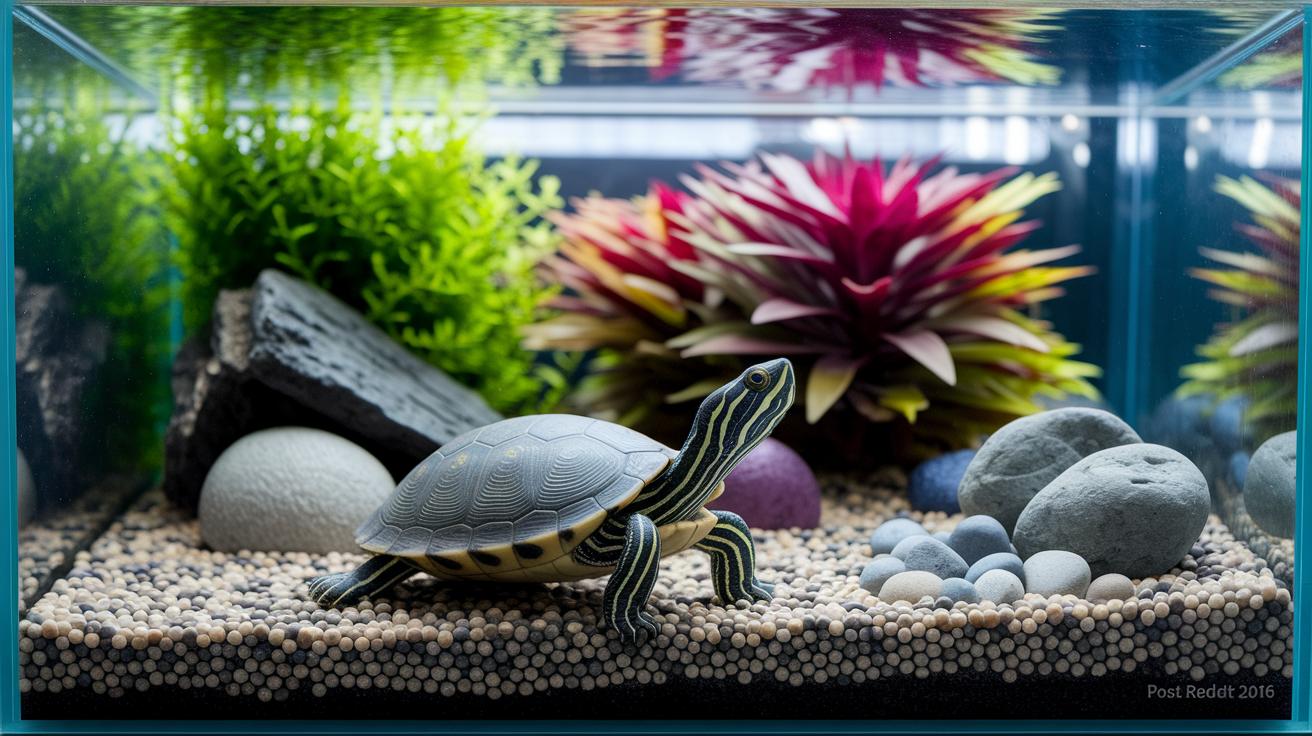
Ever thought about giving your turtle a home that feels more like nature and less like a boring tank? Picture a cozy setup where cool water softly flows alongside a warm, dry spot perfect for basking. It's like bringing a little slice of a quiet riverbank right into your living room.
We’re here to share some simple tips for creating a space that's safe, happy, and healthy for your little friend. With just a few small tweaks, a bit of natural decor here, a touch of balanced warmth there, you can transform your pet’s habitat into a place as welcoming and spirited as your own home. Ready to make your turtle’s day a bit brighter? Let’s get started!
Establishing a Balanced Pet Turtle Environment
Creating a cozy home for your pet turtle is all about planning a space where every little detail supports its well-being and happiness. Start by picking an area that can grow with your turtle. Imagine a room that adapts as your little buddy matures, a mix of water and dry spots, roughly 75% water and 25% land for basking.
Water is key. Keep it comfortably warm between 73°F and 84°F with a heater that has a thermostat, while the dry basking area should be a bit warmer, between 85°F and 90°F, thanks to a heat lamp. Set your UVB light over half the tank’s length and hang it 10–12 inches above the platform. And remember to replace the bulb every six to 12 months. Think of it as creating a little sunlit corner that helps your turtle’s shell stay healthy, just like enjoying a gentle, natural sunlight on a calm day.
Good water flow is super important, too. Use a filtration system that works on at least twice the tank’s volume per hour. This keeps the water clear and safe, making sure your pet always has a fresh environment to swim in.
Finally, choose a substrate that handles waste and feels like a slice of nature. A layered mix of clay balls with sand or gravel can mimic a tiny riverbed or shoreline. Adding natural-looking decor like rocks and hidden spots gives your turtle fun places to explore. Regularly checking the water’s clarity, temperature, and cleanliness ties everything together, ensuring your turtle’s space is a happy, healthy home.
Optimal Tank Dimensions for Pet Turtle Environments

When setting up a home for your pet turtle, it's as simple as a rule of thumb: give them 10 gallons of water for every inch of their adult shell. So, if your little buddy will grow to 4 inches, plan on a tank holding about 40 gallons. A tank this size is like a personal playground, it not only saves you from constantly upgrading the space but also gives your turtle plenty of room to swim and enjoy life. Imagine it as creating a mini backyard where your pet can explore and thrive.
If you’re just starting with a hatchling, a smaller tank, usually under 20 gallons, might seem like a good idea. But keep in mind, as your turtle grows, that cozy space will quickly need an upgrade. Once your turtle reaches adulthood, especially if it’s getting as big as 8 inches, it truly flourishes in larger tanks, think 75 gallons or more.
Bigger tanks aren’t just about extra space for swimming. They also let you add fun features like basking spots and decorative touches that make the environment inviting and comfortable. Planning ahead and choosing the right size tank ensures your pet turtle has a happy, nurturing home as it grows up.
Water Filtration Systems in Your Pet Turtle Environment
Keeping your turtle’s water crystal clear is super important for its health. A high-capacity canister or power filter that can process at least twice your tank’s volume every hour is a must-have. Think of it as a hardworking cleaner that constantly refreshes every drop, ensuring your turtle has a safe home free from debris and waste.
Good filters use multi-stage media to really get the job done. Start with mechanical pads that catch the big bits, add biological ceramic rings that help boost friendly bacteria, and finish with activated carbon to absorb any impurities and odors. It’s like having a relay team where each part does its bit perfectly to keep the water balanced and clean.
Don't forget to check your water regularly. Testing for ammonia, nitrite, and nitrate every week helps catch problems early. And whenever you do a 25% water change, add a bit of dechlorinator or water conditioner to manage chlorine, heavy metals, and pH changes. Following the manufacturer's tips for media replacement keeps your filter at its best, so your turtle always enjoys a healthy, pristine environment.
Heat and UVB Lighting Setup in Your Pet Turtle Environment

Place the UVB bulb so it spans over half the tank’s length and sits about 10–12 inches above the basking platform. This setup mimics natural sunlight and supports healthy shell growth, just like a gentle sunbeam on a pet-friendly day. And hey, did you know that both cats and turtles benefit from good UV exposure to boost their metabolic health?
Keep your turtle’s basking spot warm between 85°F and 90°F using a heat lamp or ceramic heater. Meanwhile, maintain the water temperature within a cozy range of 73°F to 84°F using a submersible heater with a thermostat. Think of these zones as two comfy rooms in one home, one bright and warm for lounging, and the other pleasantly cool for swimming.
Try to stick to a 12-14 hour light cycle every day so your turtle can enjoy a natural rhythm. And remember, swapping out the UVB bulb every 6 to 12 months ensures your pet always gets a bright, healthy dose of light.
| Requirement | Specification |
|---|---|
| UVB Bulb Positioning | Over 50% of tank’s length, 10–12 inches above basking platform |
| Basking Zone Temperature | 85°F – 90°F |
| Water Temperature | 73°F – 84°F |
| Light Cycle | 12-14 hours daily |
| UVB Bulb Replacement | Every 6-12 months |
Substrate Selection and Natural Habitat Simulation in Pet Turtle Environments
Start by evenly spreading clay balls at the bottom of your turtle’s habitat. These little balls act as a drainage base so that, when you add a mix of ingestion-safe sand and gravel on top, it mimics a natural riverbed. Picture a gentle stream slowly washing away debris, each layer working together to keep things fresh.
Next, place smooth, rounded stones that won’t hurt your turtle to anchor hardy plants like Anubias and Java fern. These stones tuck into natural crevices while offering strong support for your greenery. And while you’re setting up, add some friendly bioactive helpers, springtails and isopods, that act like tiny clean-up crews breaking down debris. It’s always a good idea to check on them, because a bustling crew means a self-managing habitat.
Here are a few simple upkeep tips:
- If you notice the substrate starting to compact, give it a gentle stir or rake to boost air circulation.
- During the warmer months, consider refreshing the top layer every six months since waste breaks down faster.
- In cooler weather, keep an eye on moisture levels and organic buildup, and adjust your clean-up crew numbers as needed.
This hands-on approach combines careful setup of your substrate with easy, regular maintenance, creating a balanced, natural space perfect for your pet turtle.
Basking Platforms and Land-Water Balance in Your Pet Turtle Environment

Imagine your turtle’s home as a warm and welcoming retreat. A good basking platform should take up about 20–30% of your tank, giving your turtle a dry, sunny spot just like a little stage for stretching out and warming up. Think of it as a cozy dock or a gentle ramp that supports your turtle without hiding any part of its shell. A ceramic dock is a great idea, it stays dry and strong, making it feel like a safe little platform for your pet.
Next, the water area needs to be big enough for your turtle to splash around and feel at home. The water depth should be roughly 1.5 to 2 times your turtle’s shell length. This balance lets your turtle decide whether to have a refreshing swim or enjoy a sunny nap, ensuring a healthy mix of water fun and warm relaxation.
Mixing things up with different levels is even better. Picture a setup with both high spots to sunbathe and lower areas to rest in the water. This variety makes your turtle’s day more interesting and helps keep it active and engaged.
| Feature | Details |
|---|---|
| Dry Zone Coverage | 20–30% of the tank |
| Swimming Area Depth | 1.5–2 times turtle’s shell length |
This thoughtful setup not only helps your turtle regulate its temperature but also creates a dynamic space for exploration and play. Have you ever noticed how a balanced home makes your pet feel more vibrant and lively? Give it a try and watch your turtle enjoy every moment!
Decorative Features and Habitat Enrichment Ideas for Pet Turtle Environments
Designing a fun home for your pet turtle is more than just giving it space and water. It’s about adding little touches that make the tank feel lively and inviting. Try adding hiding spots like PVC pipes or turtle caves that act like secret nooks where your turtle can chill. Natural touches like driftwood pieces or small rock piles can make the tank look like a peaceful riverbank for your turtle to explore.
Here are some ideas to keep your turtle engaged:
- Add floating logs or low arches that mimic features found in nature.
- Change up your décor every month to keep things interesting.
- Choose aquarium-safe, non-toxic resin decorations so your turtle stays safe.
- Make sure any décor doesn’t have sharp corners that might hurt your pet.
These simple tweaks bring a slice of nature right into your turtle’s habitat. Even small changes, like rearranging a few elements, can turn the tank into a fresh area to explore. Experiment with placing different pieces here and there, and let your creativity shine. It’s all about making the space both cozy and secure for your little friend.
Maintenance and Cleaning Tips for Sustaining Your Pet Turtle Environment

Keeping your turtle's home fresh is a lot like tidying up your own room. Every week, try changing about 25% of the water. It’s those small, steady efforts that really make a big difference over time.
Take a moment each month to give your filter some love. Rinse the filter media using water from the tank to keep everything running smoothly and the water crystal clear. I’ve seen firsthand how this little habit can really boost tank health.
When cleaning off algae from platforms or décor, use a soft brush to gently scrub away buildup without harming your turtle. And always reach for eco-safe, bleach-free disinfectants, gentle yet effective, just like a caring pet parent would.
It’s also a great idea to keep a daily journal. Note down the temperature, pH level, and any changes you notice. This handy record can help you catch any issues early, making sure your turtle always feels right at home.
Lastly, don’t forget to swap out your UVB bulbs every six to 12 months. That proper light not only strengthens your turtle’s shell but also keeps its little world happy and healthy.
Final Words
In the action, we explored the essentials for a safe and happy pet turtle environment. We covered everything from perfect tank dimensions and water filtration to effective heat, UVB lighting, and natural décor. Each tip helps create space where your turtle can thrive and live healthily, blending aquatic and land areas just right. Practical cleaning habits and substrate choices round out the setup. Here’s to making each pet turtle environment a place of comfort and well-being. Enjoy every moment of caring for your remarkable pet!
FAQ
What does a pet turtle environment app provide?
A pet turtle environment app provides easy access to care tips, tank setup instructions, and maintenance reminders so you can keep your turtle’s habitat safe, clean, and comfortable.
What is the best pet turtle environment?
A good pet turtle environment combines clean water with a dry basking area, proper heating, UVB lighting, and effective filtration. It mimics a natural habitat, promoting a turtle’s overall well-being.
How do I take care of a small turtle or care for beginners?
Taking care of a small turtle means setting up a tank with the right water-land balance, steady heating, UVB light exposure, and regular cleaning. Routine water changes ensure a safe space for your turtle.
Which pet turtles are best for beginners?
Beginner-friendly turtles like red-eared sliders adapt well to home setups. They need a manageable tank with the proper water and basking zones, making them perfect for first-time turtle keepers.
What should a good turtle tank include?
A turtle tank should feature ample water space with the correct depth, a dry area for basking, strong filtration, UVB lighting, and safe substrate. Decorative elements also help promote healthy activity.
What type of environment does a turtle need to survive in a tank?
A turtle’s tank needs both a clean aquatic zone for swimming and a secure, warm basking area. This setup, combined with proper filtration and lighting, supports the turtle’s health.
Where should I keep my pet turtle?
Your pet turtle should be housed in a dedicated, stable tank placed in a quiet spot at home. This helps maintain ideal temperature and light conditions while reducing disturbances for your turtle.