


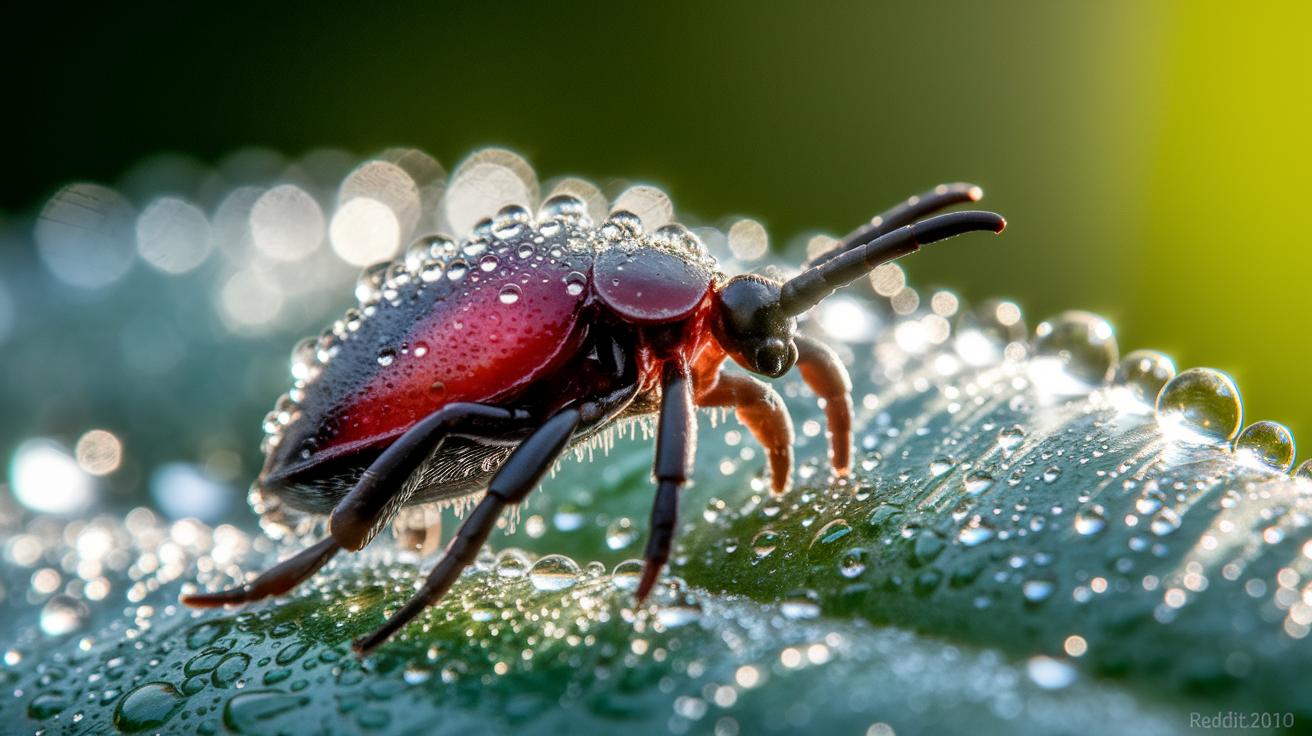
Have you ever wondered how something so small can make such a difference? Ticks might sound like ordinary pests, but they quietly help keep nature in balance.
These little critters nibble on deer, rodents, and birds, which helps control animal numbers and keeps wild populations healthy. It's almost like they provide tiny clues about the overall health of our local wildlife.
Let’s take a moment to explore the surprising ways ticks support our environment. Even the smallest players in nature can offer unexpectedly big help when it comes to keeping nature on track.
Ticks’ Essential Ecological Roles in the Environment
Ticks are found almost everywhere in the world, especially in warm, damp places like forests and meadows. They might seem like nothing more than pesky parasites, but they actually play some pretty important roles in nature. In the United States alone, there are over 90 different kinds of ticks, each quietly helping to keep the wild balance in check.
These little creatures rely on deer, rodents, and birds for their quick meals. When a tick latches on to an animal, it's like a tiny thread woven into the big tapestry of nature. Their feeding helps keep the cycles of animal populations ticking over, subtly shifting the balance between predators and prey. It’s a natural reminder of how even the smallest parts help support a rich mix of wildlife.
Ticks also act like nature’s little regulators. When you spot lots of ticks around, it usually means there are plenty of small mammals, like mice and rabbits, hanging around, which in turn support the bigger predators. Scientists often notice that places with many ticks usually have a healthy, balanced mix of critters in the ecosystem.
On top of that, ticks give nature a way to send us signals about how healthy the environment is. Their numbers, whether few or many, can tell us a lot about the local wildlife scene. Understanding their part in the big picture shows that ticks are more than just carriers of disease; they’re tiny helpers keeping the natural world full of life and variety.
Ticks in the Environmental Food Web: Predator-Prey Relationships

Ticks may be tiny, but they are a natural snack for many animals. Reptiles, wild turkeys, guinea fowl, and opossums all enjoy munching on these small arachnids. You can often find ticks in low areas of vegetation where they are easy for predators to spot, and in turn, this helps keep nature in check.
When these predators eat ticks, they help manage the tick numbers naturally. Some farmers even let guinea fowl roam free on their land because these birds are great at pecking away at ticks. Picture a guinea fowl strutting around the farmyard, not only searching for food but also helping to cut down on tick trouble. It’s a little act that makes a big difference in keeping the ecosystem balanced.
Ticks sit low on the food chain, yet they are a crucial part of nature’s circle. Predators rely on these small creatures, and by enjoying them, they help maintain a healthy balance between species.
- Reptiles use their sharp senses to find and eat ticks.
- Wild turkeys pick up tasty ticks off the ground to get important nutrients.
- Farmers love guinea fowl because they naturally help control tick populations.
- Opossums also chip in by feasting on ticks.
Every interaction between ticks and their predators shows how nature works together to keep our world balanced and thriving.
Ticks as Environmental Bioindicators of Ecosystem Health
Scientists often look at tick numbers to get a feel for how healthy a natural area is. When you see lots of ticks, it usually means little critters like rodents, rabbits, and squirrels are doing well. It's a bit like nature quietly handing you a progress report on how lively the place is.
On the flip side, if there are only a few ticks around, it might be because predators, like opossums or certain birds, are keeping those small animals in check. A mixed group of animal hosts can even help slow down diseases like Lyme disease, since a greater variety of hosts makes the spread tougher.
Ticks might seem like tiny nuisances, but they really act as nature’s little messengers. By watching how many there are and which animals they rely on, researchers can piece together the story of an ecosystem's ups and downs.
- Lots of ticks usually mean a healthy, balanced mix of animals.
- Fewer ticks might hint at a strong presence of natural predators.
Ever notice how an area with barely any ticks seems calm? That quiet might just be nature’s way of showing that its secret controllers are doing their job.
Ticks’ Impact on Wildlife Populations and Environmental Balance

Ticks might seem like tiny pests, but they play a surprising part in keeping wildlife numbers balanced. Take black-legged ticks, for example. You’ve probably heard they can pass on Lyme disease. Though small, when they feed on animals, they help slow down the growth of some species by spreading illnesses that gently trim down overabundant populations.
It’s a bit like nature’s way of making sure no one group gets too big. Ticks also mix with other parts of the environment in interesting ways. Scientists found that after feeding, ticks can let loose tiny infectious proteins called prions – these are linked to a deer disease called chronic wasting. When this happens, it subtly nudges animal groups toward a more even spread, which in turn keeps the whole ecosystem healthier.
- Ticks help control wildlife numbers by passing on diseases that slow down some animal groups.
- Their role in spreading certain illnesses acts like a natural check on the environment.
Each bite and each moment of disease transmission might seem harmful, but really, they’re part of nature’s gentle way of balancing life’s big food web.
Human Environmental Changes and Tick Habitat Dynamics
When we look back, it’s amazing to see how our way of using the land has quietly changed tick homes. Long ago, large areas of forest were cleared for farms and new buildings. Later, when trees began to grow back in patches and natural spaces got broken up, ticks found fresh edges that were perfect for hiding. Picture a neighborhood where houses sit right next to a mix of thick, leafy woods and open spaces, ticks love these spots because they get lots of cozy corners and easy access to people and pets.
Now, these forest edges are closer to where we live, so ticks bump into us and our furry friends more than before. As little patches of trees and brush pop up in bits and pieces, ticks use these like stepping stones to move between wild areas and our backyards. It’s almost as if nature is quietly adapting to a whole new world. Think of it like when an unexpected animal figure suddenly becomes important because its home has been changed by all this development.
Because of all we do, such as cutting down and replanting trees, ticks are not only growing in numbers but are also spreading to places near our homes. This means we need to be a bit more careful and keep an eye out for them, protecting both ourselves and our pets.
- Cutting down trees, followed by trees growing back in patches, creates perfect tick hideouts.
- Houses that sit close to bits of old woods bring ticks a little closer to us.
Understanding these changes can help us see how living alongside nature in today’s world is both exciting and a gentle reminder to be cautious.
Ticks’ Environmental Influence on Biodiversity and Host Community Structure

Recent studies in the quiet, leafy forests of the northeast show that too many ticks can really change the way animals live. Researchers found that nearly 40% of rodents, swarmed with ticks, started moving less. This little slowdown shifted how they fed and even changed the mix of plants around them. In one surprising twist, scientists saw that in tick-heavy spots, rodents began clustering together, which then altered how they competed for food. Have you ever noticed how one small change in behavior can ripple out and reshape an entire community?
Ticks also have their own special way of feeding, and it turns out the type of host matters a lot. When experts studied deer and small mammals in the Southeast, they noticed that ticks preferred to settle on animals that moved slowly. This quiet, sneaky feeding habit can influence how these animals interact with each other, even tweaking their breeding cycles and the way they look for food.
Key mechanisms include:
- Direct daily shifts: Some animals change their routines to avoid times when ticks are most active.
- Altered reproductive cycles: Tick stress can delay or change when some rodent species reproduce.
- New social balances: As animal behaviors shift, the usual ways they compete and share food are also transformed.
Environmental Management through Tick Monitoring and Control
Understanding tick biology can really help us come up with smart ways to control them. By keeping an eye on how ticks behave, we can spot the moments when they’re most active and plan our actions at just the right time. For example, when we see a spike in their movement, local experts might change up how they manage the area, making it less inviting for ticks. Some farmers even have fun using guinea fowl to hunt ticks naturally, cutting down their numbers without lots of chemicals.
This kind of insight isn’t just great for farmers, it benefits the whole industry too. Makers of pesticides and repellents, as well as labs that test them, rely on ticking data to fine-tune their products. And communities get in on the action too; public education folks use these insights to help everyone prepare for tick season and create spaces that aren’t tick-friendly. It’s like a team effort where scientific research mixes with everyday know-how, using controlled habitats, targeted repellents, and even natural tick hunters to keep both people and wildlife safer and healthier. Truly, these combined steps work together like a well-oiled machine to fend off tick-related troubles.
Final Words
In the action, ticks prove they’re more than pesky critters. They play key roles as food sources for other animals and help indicate ecosystem health. We saw how their interactions shape biodiversity and balance within nature. Exploring what do ticks do for the environment shows they’re intertwined with wildlife dynamics and habitat changes. Each section highlights simple yet powerful ways ticks impact our natural world. The insights remind us that even the smallest creatures can pack a big ecological punch.