


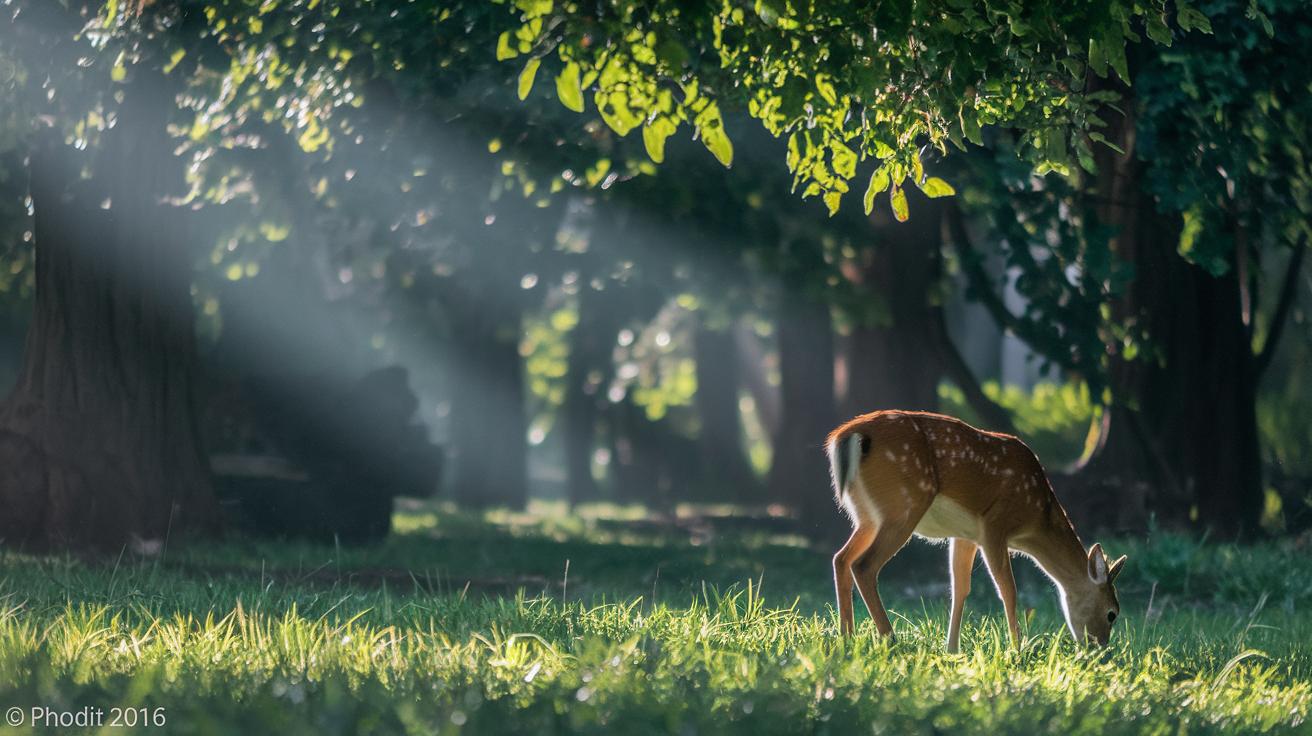
Ever wondered how even a simple animal home can bring nature into balance? Everything, sunshine, the soft earth, flowing water, and every creature, comes together like pieces of a puzzle to create a lively stage where every animal has its part. Imagine a green, buzzing landscape where busy ants mix the soil while gentle giants like elephants help shape the forest. It’s like watching a quiet symphony in nature, where big or small, every creature plays a note that adds to the wild harmony. Today, let’s chat about how these natural settings spark balance and help every living thing thrive.
Animal environment Inspires Ecological Harmony
An animal environment is a mix of nature’s parts that create the homes for wild animals. This mix includes the weather, the shape of the land, the water around, the soil, and all the living creatures. Picture it like a colorful canvas where nature brings its masterpiece to life.
This idea also means that plants, bugs, and animals are always interacting with their surroundings. They might hunt each other, compete for space, or even help one another out. Even simple chemical processes, like how nutrients move in the soil, play a big role in keeping things in balance. Every creature, from the tiniest insect to the biggest mammal, is part of these ever-changing moments.
Keeping many different kinds of animals in play is key to a lively natural world. In a study published on February 18, 2025, in PNAS, researchers discovered that 603 species, groups, or families change the land in their own unique way. For instance, ants mix up the soil layers, salmon help shape riverbeds, and African forest elephants boost the rainforest’s ability to capture carbon. This shows that each creature, no matter how small or large, has an important job in nature’s quilt.
Protecting our natural habitats is super important for the cycle of life. When we save these complete, undisturbed places, every animal can keep playing its part and nature can remain balanced for the future.
Major Types of Animal Environments with Representative Species

Animal environments come in all shapes and sizes, each with its own mix of weather, plants, and outdoor goodies that shape the lives of the creatures who live there. Whether it's a sweeping field or a cozy corner in the city, every habitat pushes its residents to adapt and thrive in their own unique way.
Imagine it like this:
- Terrestrial – think of the mighty rainforest elephants roaming wide open forests.
- Freshwater/Aquatic – picture salmon navigating lively rivers.
- Forest/Wetland Edge – envision busy beaver dams bustling with life.
- Desert/Arid – consider the clever soil-engineering ants busy at work in sandy landscapes.
- Urban – see adaptable birds and mammals making cozy homes amid city rhythms.
In open land areas, animals such as rainforest elephants keep busy by moving through forests and fields, constantly shaping their surroundings to suit their needs. Next, in freshwater habitats, salmon swim upstream and help form the riverbeds, changing how water flows and creating special spots for other creatures.
Then there’s the lively edge where forests meet wetlands, a place where beavers build dams that transform the environment into vibrant hubs of plants and animals. Over in the dry deserts, ingenious ants burrow deeply, turning tough soil into better ground for plants to grow. Meanwhile, in our bustling cities, urban wildlife has learned to groove with city life, adapting in clever ways to live alongside us.
Each of these environments is a wonderful mix of creativity and survival. Animals adjust their behaviors and appearances over time, taking on vital roles in their habitats. It’s a heartwarming reminder of nature’s incredible ability to craft unique homes for every living creature.
Ecological Interactions and Animal Engineers
Animals connect with their world in all sorts of neat ways. They shape their habitats through building projects, close bonds, and even hunting. In this part, we’re chatting about nature’s little engineers. Imagine ants scurrying about, mixing up the soil as they dig their tunnels, or beavers busy building dams that create whole new wetlands. Elephants gently trim trees to help fresh growth pop up, and salmon change riverbeds when they go to spawn.
| Species | Environmental Impact |
|---|---|
| Ants | Soil mixing and nutrient cycling |
| Beavers | Wetland creation from dam building |
| Elephants | Forest structure modification through vegetation trimming |
| Salmon | Riverbed reshaping during spawning |
All these clever tweaks help keep our ecosystems strong, flexible, and ready for anything nature throws their way.
Impact of Environmental Changes on Animal Environments

These days, climate shifts are really shaking up life for our animal friends. Warmer temperatures and unusual rainfall patterns are throwing nature's delicate balance off track. For example, a study from July 2023 in Nature Communications found that losing big animals like African forest elephants could cut carbon storage in rainforests by 6–9%. It’s kind of like nature’s thermostat being nudged out of place, causing everything to feel a bit more heated than before.
At the same time, our landscapes are feeling the pinch from both invasive species and human actions that change their habitats. When familiar spaces shrink or change, new, non-native species often move in, and this can upset the natural order. Imagine your neighborhood suddenly becoming too crowded with unfamiliar faces – it makes it hard for the locals to find their usual comforts and means of support.
These shifts don’t just affect the land, they really change how animals live day-to-day. When their homes are lost or their surroundings are taken over by unexpected visitors, many animals have to tweak their routines and migration patterns. Over time, these changes stress the creatures out and knock the fragile balance of our ecosystems a bit off-kilter.
Conservation Strategies for Maintaining Healthy Animal Environments
Nowadays, rewilding and nature repair projects are making a big difference for animal homes. These efforts bring back local animals and help fix nature’s broken cycles, kind of like giving a once-forgotten garden the chance to bloom again. Imagine planting a tiny seed in an empty patch of soil and watching it burst into life! These projects not only restore the land but also revive the natural rhythms that have ticked along for thousands of years.
Bringing back key animals has shown amazing results. For example, reintroducing beavers into wetlands has smoothly restored water flows and brought more life to those areas. In a similar way, when wolves returned to Yellowstone, they helped the plants grow better and kept other animal numbers in check. It’s a lot like finding that missing piece of a puzzle that makes everything complete. These inspiring comebacks remind us that even small changes can make nature much healthier.
Smart rules and careful planning also help nature get back on track. Experts suggest setting up special areas where harmful activities are kept to a minimum, creating safe havens for delicate species. Think of it as following a clear road map that shows everyone how to live in harmony with nature. With these creative ideas and community support, our natural world can really flourish.
Even countries from all over the globe are joining forces to protect endangered species and heal damaged habitats. By sharing helpful tips and resources, these international agreements make sure that our wild places get the care they need, no matter where they are. It goes to show, when we work together, we can create a better, greener world for every creature.
Key Research on Habitat Adaptation and Ecosystem Dynamics

Recent findings from February 2025 and July 2023 reveal that animals aren't just passive onlookers in their habitats, they actively shape them. Instead of simply living in existing landscapes, more than 600 species are busy altering their surroundings and even changing how ecosystems function, especially when key species vanish.
In truth, new research shows that many animals are tweaking their behaviors in creative ways to cope with rapid shifts in the environment. They adjust migration times and modify daily routines to steer clear of stressful settings. For example, some birds are now using unexpected urban scraps like plastic strips to reinforce their nests during strong gusts. Likewise, urban mammals are shifting their active hours to avoid heat and city clamor, demonstrating clever adaptations that help them thrive in changing surroundings.
Final Words
In the action, we traced how species like ants, beavers, and elephants shape their surroundings. Small adventures in diverse habitats revealed fascinating details about soil mixing, water cycle renewal, and wildlife impacts. We also looked at climate changes, human influences, and conservation tips that keep our animal environment balanced. Each insight shows that protecting natural places supports animal behavior and ecosystem strength. It’s a bright reminder that every small step for conservation adds up to a happier, healthier Earth.
FAQ
What is an animal environment?
The animal environment refers to the natural or man-made surroundings where animals live. It includes physical conditions, food sources, shelter, and other factors that support life.
What are some examples and facts about animal environments?
Examples include forests, rivers, deserts, and urban areas. Each setting offers unique resources like water and shelter, which are vital for animal survival and diversity.
What should be included in an animal environment essay?
An essay on animal environments should define what a habitat is, explore animal interactions with their surroundings, and touch on how conservation helps protect these essential living spaces.
What are animal environment cages and animal housing requirements?
Animal environment cages are structured enclosures used in captivity, while housing requirements specify the space, shelter, food, and enrichment needed for animals to thrive in controlled settings.
What animals can be found in different environments and can you list 10 examples with their habitats?
Animals span many environments—elephants roam rainforests, salmon swim in rivers, beavers create wetlands, ants work in grasslands, and other species adapt to urban and desert areas, totaling a diverse list of examples.
What are 5 examples of animal habitats and 4 types of environments?
Five habitat examples are forests, freshwater, wetlands, deserts, and urban spaces. The four broad environment types include terrestrial, aquatic, forest/wetland edge, and urban areas.
What does the study of the animal environment involve?
Studying the animal environment involves examining how animals interact with physical, chemical, and biological elements. It looks at behaviors, adaptations, and how species shape and depend on their surroundings.