


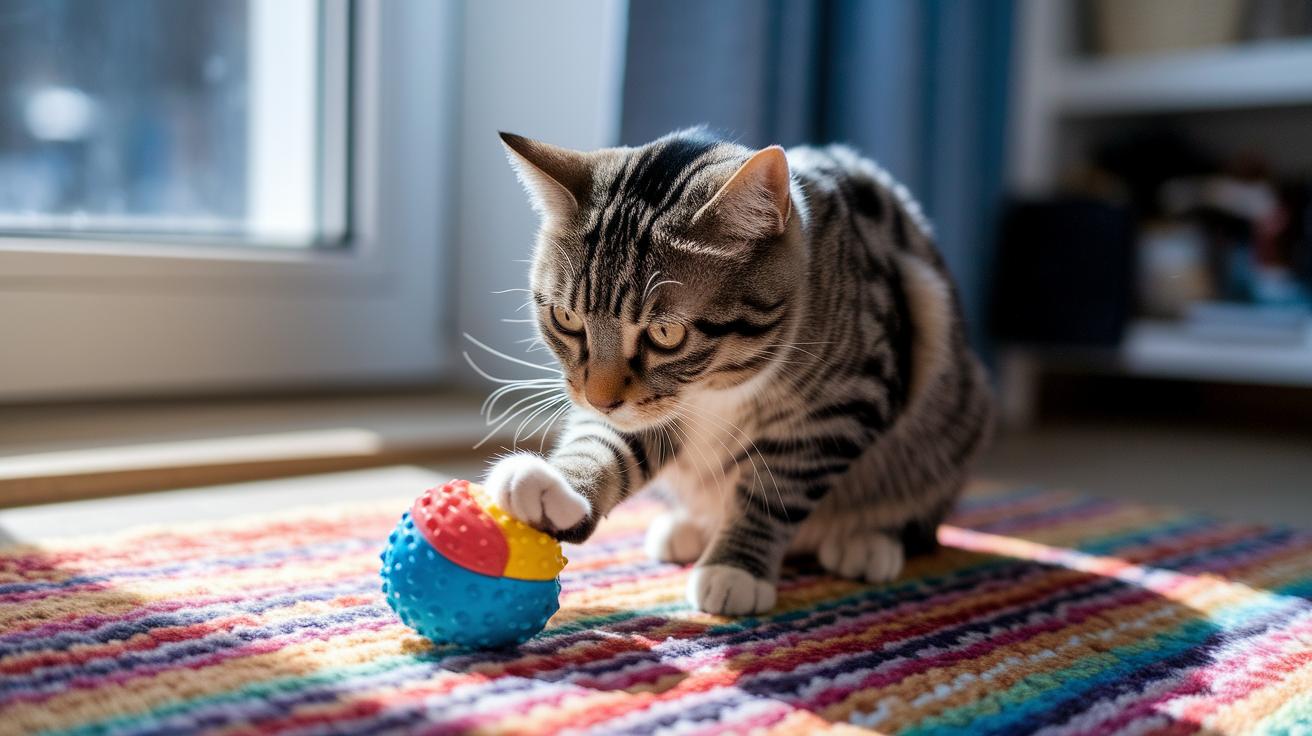
Have you ever wondered if your pet is hiding a special talent? You might be amazed to learn that cats have their very own secret language and that hamsters keep a quirky watch over their little world. In this chat, we're sharing five fun, unexpected facts that could change how you see your furry, feathered, or even scaly friend. Each little tidbit not only brings a smile to our faces, but also reminds us that our pets fill our days with delightful surprises and joyful quirks. So, pull up a chair, relax with a warm drink, and let’s uncover these charming secrets together.
Top 10 Surprising Pet Facts to Amaze Owners
-
Rabbits are super social. They really perk up when they get to hang out with other bunnies or even with people. A bit of playtime can make all the difference in reducing their stress and bringing out their playful side.
-
Cats have their very own language. They use different meows and soft purrs to let you know if they're hungry, in need of cuddles, or just want a little extra attention.
-
It might surprise you that over 80% of dog owners spend more than two hours each day playing and snuggling with their pets. All that time builds a bond full of fun and affection.
-
Parrots really stick around. They usually live for about 30 years, and some even go beyond 80 years! This long life means they give you plenty of chances to create deep, lasting memories.
-
Hamsters have a quirky sleeping trick: they blink one eye at a time. This neat little habit helps them keep a lookout for unexpected sounds or movements, even while resting.
-
Guinea pigs and rabbits sometimes just don’t get along. Their different ways of behaving can lead to little scuffles, so it’s best to keep them in separate spaces to avoid any mishaps.
-
Ferrets hold a special spot in many homes, they’re actually the third most popular pet in the United States. Their playful behavior, curious nature, and irresistible charm make every day feel like an adventure.
-
Dogs have been our loyal companions for centuries. In ancient Greece and Egypt, they were cherished as symbols of loyalty and protection, reminding us of the deep emotional bonds they share with us.
-
Turtles love their quiet time. They tend to forage alone and enjoy long, peaceful moments. This natural need for personal space shows just how much they relish their solitude.
-
Cats have a secret advantage, a free-floating collar bone that gives them amazing agility. This cool trait lets them leap gracefully and move with an almost magical smoothness.
Unexpected Household Pet Behaviors Explored

Have you ever noticed a rabbit twitch its nose or a hamster blinking one eye at a time? These little quirks come straight from their biology and shape their daily lives in pretty amazing ways. For example, rabbits love hanging out with their pals. Studies show that when they get plenty of company, their stress levels drop, and they start grooming each other and playing excitedly. It’s like their own little party that keeps them healthy and happy.
Rabbits in groups form tight bonds that boost both their mood and body. One study even found that rabbits living with friends had lower stress markers than those kept alone. Here are some friendly tips to keep your rabbit feeling part of the crew:
- Set up regular play dates with another rabbit.
- Offer fun, enriched toys that spark their curiosity.
- Create safe, multi-level spots for them to explore.
- Spend some time each day gently grooming your bunny.
Now, let’s talk about hamsters. They have a curious habit called unihemispheric blinking, where one eye blinks while the other stays alert. Imagine getting a quick nap while still keeping an eye out for any surprises, kind of like a built-in safety net. A comfy, quiet space with soft bedding and low light can help your hamster feel just right during these protective rests.
These behaviors help our little pets meet their natural needs, balancing periods of rest with moments of alertness. Next time you share your day with them, take a moment to enjoy these small, yet significant, parts of their world.
In-Depth Look at Feline Communication and Anatomy
Recent studies show that our cats mix up the tone and length of their sounds to let us know what they need. A quick, soft mew might be their way of saying, "I'm hungry now," while a long, drawn-out trill means they're in the mood for some play. It’s like they have their own secret language full of little hints that help us understand how they’re feeling.
Plus, cats have a pretty cool physical trait, a free-floating clavicle that gives their shoulders extra flexibility. This unique feature lets them slip into tight spots, jump onto high places, and land with perfect precision. Picture a cat gracefully hopping onto a windowsill. That athletic move isn’t just about being nimble; it matches their curious and playful nature perfectly.
Record-Breaking Pet Lifespans and Longevity Trivia

When you think about your vibrant parrot, it might surprise you to learn that these feathered friends often live around 30 years. And in a warm, caring home where all their needs are met, some even stretch their lives past 80 years!
Cats have their own special story, too. Most pet cats enjoy a comfortable life spanning 12 to 18 years, and every now and then, you'll find one reaching into the 20s. As for our loyal canine companions, the smaller breeds often stick around for about 15 years, while larger breeds tend to live closer to 10 or 12 years.
So, what helps our pets live long and happy lives? It really comes down to a few key ingredients:
- Regular vet visits help catch any issues before they turn serious.
- A balanced diet, crafted just for their unique needs, keeps them in tip-top shape.
- Engaging play sessions and plenty of social time do wonders for their mental well-being.
- A safe, stress-free home environment all adds up to extra years of love and laughter.
One fun example: a little terrier reached a remarkable 16 years, all thanks to consistent care and lots of playful walks at the park.
| Species | Typical Lifespan | Longevity Range |
|---|---|---|
| Parrots | 30 years | Up to 80+ years in prime conditions |
| Cats | 12-18 years | Occasionally into the 20s |
| Dogs | Depends on breed | Usually 10-15 years |
Every pet has a way of filling our days with joy and wonder. Isn’t it amazing how a wagging tail or a gentle purr can tell a story of love, care, and lifelong companionship?
Pet Popularity and Cultural Roles Across Time
Across many corners of the world, pets have captured hearts in ways that go much deeper than just being a buddy. You know, it's not always the familiar dogs and cats; sometimes, creatures like parrots or even reptiles catch our eye with their special traits. For example, think about how a parrot can mimic sounds so sharply, it’s like nature’s own little chatterbox reminding us of hidden cleverness.
In some parts of Asia, cats aren’t just pets; they’re seen as secret guardians, keeping bad spirits at bay. I remember hearing about a festival where locals celebrate the quiet grace of cats, a nod to beliefs in harmony and protection that have been passed down for generations.
These cultural stories show that while our beloved dogs might steal the spotlight in history, other critters also add unique, vibrant threads to our shared tapestry of tradition and symbolism.
Final Words
In the action, we've uncovered top 10 surprising pet facts that shed light on our furry friends’ quirky habits and unique traits.
We've looked at how rabbits thrive on companionship, hamsters rest with one eye open, and cats chat with personalized meows.
The article also dove into remarkable pet lifespans and the cultural roles pets have played over time.
Every insight reinforces the idea that understanding these little secrets can make every pet care moment a bit more special. Enjoy your time discovering even more surprising pet facts!
FAQ
What are some surprising pet facts for kids, students, and pet enthusiasts?
The surprising pet facts show that pets have unique habits—cats develop their own vocal sounds and rabbits thrive on companionship—making them fun topics that spark curiosity in young pet lovers and students.
What incredible facts exist about pets and their interactions with humans?
The incredible pet facts reveal that our furry friends enrich our daily lives; for example, dogs spend plenty of time bonding with owners while cats use personalized meows to communicate, deepening our special connections.
What are some unbelievable facts about animals?
The unbelievable animal facts include hamsters blinking with one eye at a time as a sleep trick, parrots living for decades, and ferrets ranking high in popularity among U.S. pet owners, all showing nature’s surprises.
Which pet is considered the #1 pet in the world?
The #1 pet in the world is often viewed as the dog, thanks to their loyal nature, rich history of companionship, and remarkable ability to understand and bond with human emotions.
What is a hidden fact about dogs?
The hidden fact about dogs is that ancient cultures, like the Greeks and Egyptians, revered them for both their loyalty and spiritual roles, highlighting the deep, historical bond they share with people.