


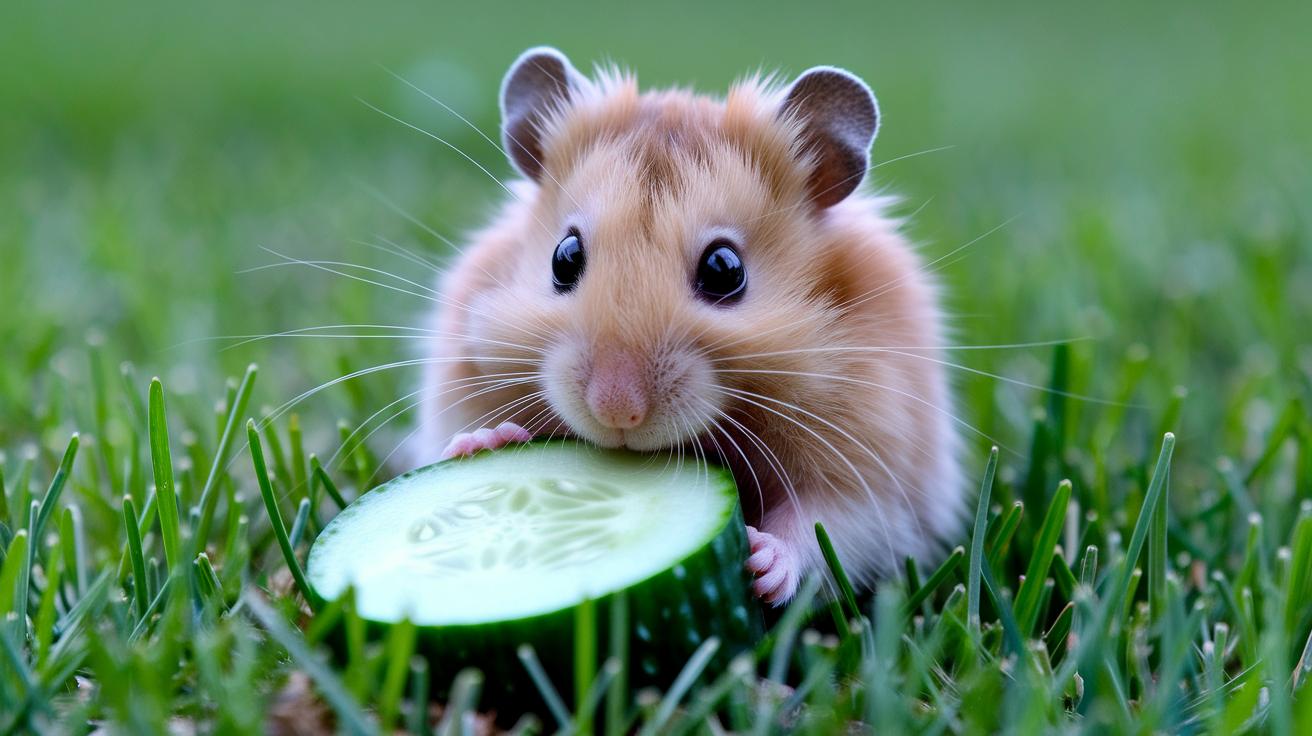
Have you ever seen a tiny critter run around on its wheel for hours or fill its cheeks like it’s packing a little grocery bag? Hamsters might be small, but they sure know how to pack in energy and fun. In this chat, we’re sharing some quirky tidbits that show these furry pals are more than just cute, they’re lively, playful, and full of surprises. Stay with us as we explore their nighttime wanderings and unique antics that can brighten any pet parent’s day.
Surprising Fun Facts About Hamsters You Didn’t Know
Hamsters are little bundles of joy with some truly unexpected talents. Whether you’ve been caring for one for years or you’ve just discovered these adorable critters, you’re in for a treat. Let’s chat about a few quirky facts that make hamsters extra special:
- Hamsters can race around on their wheels and cover up to 8 miles in one night. Imagine your pet turning bedtime into a mini marathon!
- Their cheek pouches are like built-in storage bags that can carry files weighing nearly a fifth of their body weight. It’s like they have their own grocery bags!
- Out in the wild, there are 26 different kinds of hamsters, but only about five make the journey to become our cuddly companions.
- The name “hamster” actually comes from the German word “hamstern,” which means to hoard, perfect for a creature that loves stashing snacks.
- Hamsters’ eyes are packed with 97% rod cells, helping them see really well in the dim light they prefer for their nighttime adventures.
- Their ever-growing front teeth mean that chew toys aren’t just fun, they’re a must-have to keep their mouths happy and healthy.
- Most hamsters live between 2 to 4 years, with Syrian hamsters usually sticking around for 2 to 3 years.
- Their sizes range from the tiny 2-inch Roborovski to the European types that can grow from 8 to 11 inches long.
Every one of these fun facts shows just how unique and playful hamsters are. They remind us to enjoy each little moment, whether it’s the sound of a wheel turning or the sight of a cheek puffed full of goodies.
Unexpected Hamster Behaviors and Habits

Have you ever stayed up late only to wonder what your little hamster might be doing after dark? These tiny critters are real night owls. When you’re fast asleep, they’re just starting their adventures, running on wheels, exploring every corner of their cage, and even turning their habitat into a mini wonderland. It’s like their own little party at dusk, full of quick dashes and curious maze-like trails.
And here’s another fun tidbit: not all hamsters behave the same way. Dwarf hamsters, think Winter White, Campbell’s, and Roborovski, tend to be social little souls, happily sharing space and even nuzzling up in friendly ways. But if you have a Syrian hamster, you might notice they prefer a bit more privacy to avoid any scuffles. Plus, every hamster loves to burrow. Give them a cage with plenty of deep bedding, and they’ll start digging cozy tunnels and marking their territory with a natural scent from their hip glands. These charming habits are just part of what makes caring for these energetic companions so delightfully unpredictable.
Amazing Hamster Anatomy and Physiology
Hamsters see the world in a very unique way. Their eyes, filled mostly with rod cells, let them pick up even the slightest movement in dim light. So while many of us are fast asleep, these tiny critters catch little shifts in the twilight. It's almost as if their eyes are quietly sharing secrets of the night, keeping them awake when everyone else is winding down.
Their cheek pouches are just as fascinating. Made of stretchy skin and soft tissues, these pouches can expand all the way from their mouths to their hips, and they don’t feel any pain no matter how much they stretch! And here's something cool: their incisors grow about 0.17 mm every day. With a natural hardness that keeps them self-sharpening, every snack time is like a mini workout for those teeth, keeping them always ready for the next bite.
Over millions of years, hamsters have evolved into the charming pets we adore today. They split from their rodent cousins around 15 million years ago, and with generations spent in our homes, their genetic mix has become delightfully simplified. Every nibble and cheek puff is a little marvel of nature, a reminder of the amazing journey of evolution.
Breed-Specific Hamster Insights: History and Care

Syrian hamsters have a really cool past that started with wild ones caught near Aleppo back in the 1930s. Every Syrian hamster you see today comes from one original litter, which makes them unique in both genetics and personality. They’re like a one-of-a-kind treasure that loves its own quiet corner to call home.
Dwarf hamsters, however, each have their own special tricks. Take the Winter White hamster, for example, it’s from the chilly Siberian steppes and even changes its fur color when the days get short. And then you've got the little Roborovski, just 2 inches long but buzzing around at speeds up to 10 km/h! Campbell’s dwarf hamsters are friendly and enjoy having buddies around, though you need to watch their diet carefully to keep problems like diabetes at bay.
The secret to keeping any hamster happy is to tailor their food and living space to their breed's unique needs. Syrian hamsters thrive on a diet with about 16% protein and do best when they have a space all to themselves. Meanwhile, dwarf hamsters prefer a low-sugar diet and enjoy being with fellow hamsters in a safe, escape-proof habitat. When you treat each breed to the care they need, every little hamster can lead a healthy and joyful life.
Hamster Habitat and Care Quirks: Fun Trivia
Imagine building the perfect little home for your hamster. A good cage should be at least 24 inches by 12 inches by 12 inches, giving your pet plenty of space to scamper and explore. Use paper-based or aspen bedding to keep their tiny lungs happy, avoid cedar or pine since they can be harsh on your pet’s breathing. A deep bedding tray lets your hamster dig fun tunnels and create a safe, playful maze, like their own cozy underground nest.
Feeding your little buddy can be a mix of care and fun. Offer a balanced diet with pellets or a special mix that mimics what they’d find in the wild, think seeds, grains, and even an occasional insect treat. Add a sturdy exercise wheel, lively tunnels, and chew toys to recreate the thrill of running and burrowing in nature. Just picture your hamster dashing around a shining wheel while little chew toys sparkle like hidden treasures.
Final Words
In the action, we dove into fun facts about hamsters, sharing stats on running limits and charming cheek pouch abilities alongside quirky nocturnal habits and unique anatomical features. We also explored breed-specific care choices and habitat tips that spark joy.
Each snippet brings you closer to understanding and enjoying your pet’s wonderful quirks. Embrace these fun facts about hamsters and let every little discovery brighten your pet care routine with warmth and delight.
FAQ
What are some fun facts about hamsters for kids and preschoolers?
The fun facts about hamsters for young pet enthusiasts reveal that these little critters can run long distances on wheels, have expandable cheek pouches to store treats, and enjoy playful burrowing habits.
What are 10 fun facts about hamsters?
The 10 fun facts about hamsters cover details like their impressive wheel-running longevity, unique cheek pouch storage, special low-light vision, burrowing instincts, and the origin of the word “hamster,” showcasing their quirky pet traits.
What colors can hamsters see?
The colors hamsters see are influenced by their rod-dominant retinas, which make them especially good at low-light vision and motion detection rather than distinguishing a broad range of vivid colors.
What is so special about hamsters?
The special qualities of hamsters include their impressive ability to cover many miles on a wheel, their expandable cheek pouches for road-trip snacks, natural burrowing behavior, and a unique vision system suited for twilight.
Why do hamsters only live 2 to 3 years?
The reason hamsters live only 2 to 3 years is tied to their fast metabolism and small body size, which naturally lead to a shorter lifespan compared to many other pet species.