


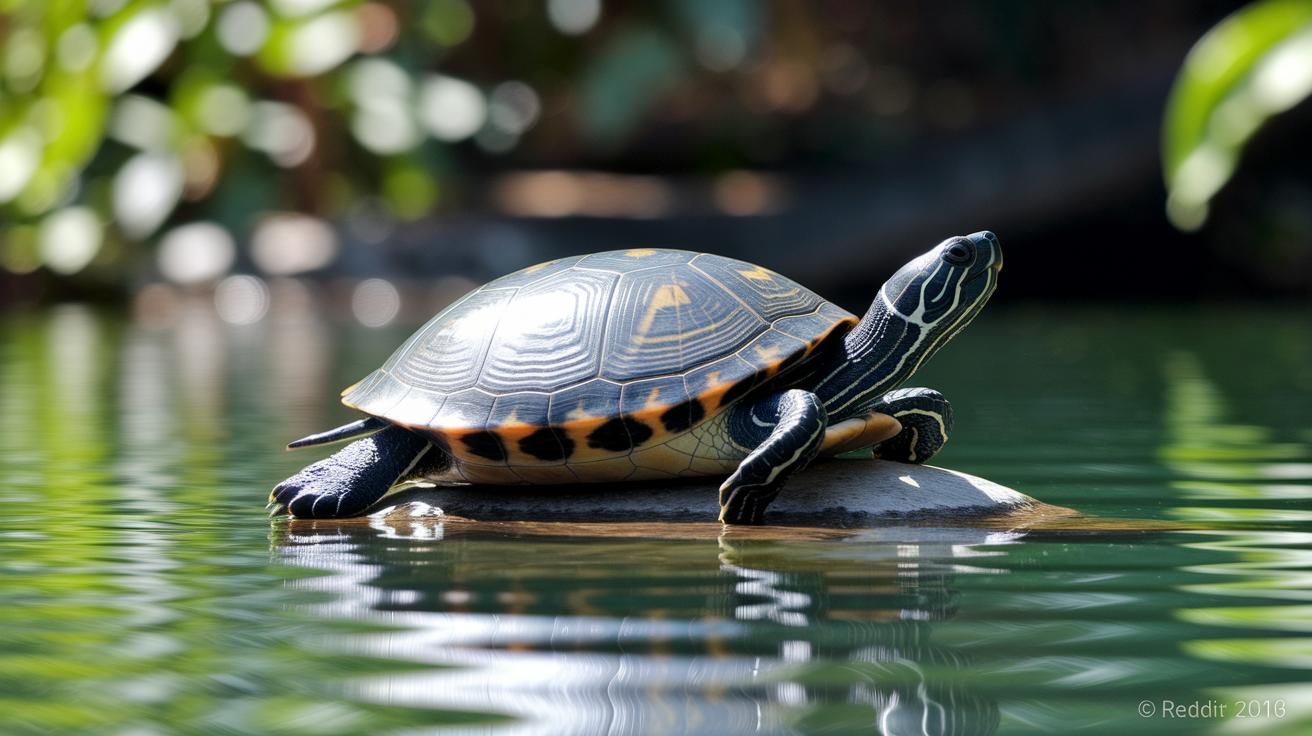
Have you ever wondered if turtles have hidden talents? They may seem quiet and slow, but these charming creatures hold quirky surprises – like their odd way of breathing through their bottom.
Imagine sitting outside on a warm day, watching a turtle take its time; you might not expect it to have such playful tricks up its sleeve. Today, we’re sharing a couple of fun facts that reveal just how clever these shelled friends can be.
With each fascinating detail about their unique body and clever survival skills, you’ll see that turtles offer more than meets the eye. So, take a moment to enjoy a peek behind the shell and discover a few delightful secrets about nature’s underrated marvels.
10 Turtle Trivia That Will Surprise You
Dive into some cool turtle trivia! You’re about to learn neat details about their biology, behavior, and even a bit of history. Ever wonder how turtles can breathe underwater or how they know their way back using Earth’s magnetic field? Whether you’re a pet lover or just curious about reptiles, this fun peek into a turtle’s world is sure to delight. These little facts highlight nature’s wonders, from ancient times to the smart tricks turtles use today.
- Some turtles can even breathe through their bottom (yep, that’s cloacal respiration), letting them stay underwater for hours.
- Fossils of turtles date all the way back to the Late Triassic, about 220 million years ago, talk about ancient!
- Imagine a turtle weighing over 2,000 pounds! Leatherback sea turtles can dive down to 1,250 meters deep.
- Turtles have a cool twist in their biology, a three-chambered heart and a unique way of handling oxygen in the blood.
- Box turtles can be real long-livers, often roaming wild for 50 to 100 years, and some even reach 120 years!
- Hawksbill turtles help keep coral reefs in check by munching on toxic sponges.
- Ever seen a snapping turtle? Their bite packs a punch, generating forces over 1,000 newtons.
- Many sea turtles use Earth’s magnetic field as their guide to return to the same beaches where they were born.
- Painted turtles have a neat trick up their sleeve, they release extra salt through their tear ducts to keep things balanced.
- And here’s a quirky fact: some turtles show off shells that change color as they grow older.
Keep exploring, and you'll discover even more amazing insights into turtle biology and history. Stay curious and enjoy the journey!
Amazing Shell Wonders of Turtles

Have you ever taken a close look at a turtle’s shell? It’s truly a marvel of nature, a living work of art that grows with the turtle. The shell isn’t just a cover that’s added later; it forms right from the start as the turtle’s ribs and spine come together. The top part, known as the carapace, and the bottom, called the plastron, create a strong protective case while also giving good support for muscles and organs. It’s like nature’s very own suit of armor that helps these amazing creatures thrive in all kinds of environments.
- Each turtle shell is made of about 60 bones that grow right along with the turtle.
- Box turtles have a special hinged plastron, letting them close up completely for extra safety.
- Their keratin scutes form unique patterns, like fingerprints, each one tells its own story.
- Sea turtles might even have algae and barnacles sticking to their shells, which helps them blend in with the ocean’s colors.
- In impact tests, a turtle’s shell proved to be as tough as military-grade protection.
In short, a turtle’s shell isn’t just its home, it’s a living, growing tool for survival, defense, and a life full of adventure out in the wild.
Marine Turtle Curiosities and Epic Migrations
Around the sunny, warm coasts of our world, you’ll meet seven unique sea turtle species, each one perfectly at home in its own special place. Think of the agile loggerhead and the stunning leatherback, moving gracefully from tropical lagoons to quiet bays and even the deep, endless ocean. They pop up along the Caribbean, Indian Ocean, and Pacific shores, showing us that these majestic creatures love a mix of both coastal comforts and big, blue adventures.
When it comes to long journeys, these sea turtles are true experts. Take the leatherback, for example, it can dive nearly 4,100 feet deep while hunting for jellyfish, sometimes leaving you amazed by its daring spirit. And loggerheads? They can cover almost 10,000 miles round-trip as they navigate the vast ocean. It’s like watching nature’s own endurance champions in action, perfectly tuned to life's long-distance challenges.
Their eating habits are just as fascinating as their travels. Hawksbill turtles, for instance, have a quirky taste for mostly toxic sponges, a choice that surprisingly helps keep coral reefs balanced. Meanwhile, green turtles start off eating a bit of everything before moving to a nearly plant-based diet as they grow. And here’s something heartwarming: many of these turtles return almost exactly to the beach where they were born to lay their eggs, as if coming home just feels right.
Land and Freshwater Turtle Tidbits

Box Turtle Hinged Armor
Box turtles have a really cool trick up their shell. Their bottom part, called the plastron, acts like a little door so they can tuck their head and legs inside when danger is near, almost like having their very own safe room. It’s a smart design that helps keep them safe from bigger predators and rough weather. Isn’t it amazing how nature equips them with their own built-in fortress?
Alligator Snapping Turtle Tactics
Alligator snapping turtles are true masters of disguise and hunting. Their tongue, which looks like a wiggly worm, works as a tricky lure to draw fish in close. And when the fish gets within reach, their powerful bite snaps it up in an instant. This mix of stealth and strength shows just how clever these turtles can be.
Freshwater turtles are full of surprises, too. When the cold sets in, many of them slip into a state called brumation, a bit like hibernation, to ride out the chill. Plus, while hiding underwater, they can breathe a little through their throats, making the most of the scarce oxygen. Nature sure knows how to keep these little friends thriving!
Turtle Behavior Secrets: Sunbathing to Sleep Modes
Turtles really enjoy basking in the sunshine. When they sprawl out on a warm rock, they’re soaking up those golden rays that give them Vitamin D, a natural boost for strong shells and healthy bones. It’s kind of like their daily mini spa session that keeps them vibrant and full of life.
Some freshwater turtles even switch up their schedule. After hiding away during the busy day, they emerge under the cool night sky to quietly search for food. It’s a peaceful time for them, with the cool air and fewer competitors letting them enjoy a quiet snack.
During mating season, things get quite charming. Male turtles might bob their heads softly, give their shells a little clap, or even chirp gently to catch a mate’s attention. These tender signals are a sweet part of their love dance, showing how even nature’s quiet creatures know how to share a moment of connection.
Turtles also have a neat trick up their shell, they use Earth’s magnetic field like an invisible map to guide them over long trips back to familiar nesting spots. Their slow, deliberate movements not only help them save energy but also allow them to make careful choices as they go about their day. It’s a fascinating blend of nature’s guidance and smart energy saving all at once.
Ancient Lineage and Cultural Turtle Legends

Turtles have been around for millions of years, evolving cool traits that helped them face big changes in nature. Their sturdy shells, formed by fusing ribs and backbones, act like a natural suit of armor that grows along with them. Their limbs are perfectly designed for swimming, walking, or even burrowing into the ground. And some turtles have clever ways to breathe, almost like they’ve got a secret superpower to help them thrive even when times are tough.
These gentle creatures have also found a special spot in our stories and legends. In Hindu myths, for example, a world-bearing turtle symbolizes strong support and stability, a reminder of resilience that feels almost tangible. In Chinese culture, the Black Tortoise stands guard as a protector of the north and winter, echoing feelings of balance and endurance during cold seasons. Native American traditions even honor turtles as the original creators, celebrating their vital role in the world’s beginnings. Today, turtle images continue to appear in art, literature, and modern media, a heartfelt nod to the enduring power and magic that these ancient creatures bring to our lives.
Conservation and Endangered Turtle Species
Turtles have a really hard time these days. Rapid coastal building, lost fishing nets, and a busy shell trade all make life tough for them. You know those coasts where turtles used to play and nest? Many of those spots are now filled with construction and busy tourist areas, leaving these gentle creatures with fewer safe places to call home. Every beach turns into a struggle for survival.
Each turtle species, like the hawksbill, Kemp’s ridley, and green turtles, brings something special to the ocean. Hawksbill turtles, for instance, help keep coral reefs healthy by munching on sponges, while green turtles trim seagrass beds just by grazing. Even the rare Kemp’s ridley turtles play an important role in keeping their waters balanced. Think of them as nature’s little gardeners, each one helping to nurture a lively underwater world.
There’s hope on the horizon, too. Kind-hearted beach patrol teams work hard during hatching season, and special programs help boost the chances of young turtles surviving their early days. Just picture volunteers walking along the beach at night, carefully watching over each nest, a beautiful reminder that communities everywhere are dedicated to protecting these ancient, cherished mariners.
Final Words
In the action, we've explored a medley of intriguing turtle trivia, from quirky eating habits and strong shell designs to epic migrations and cultural legends. We shared bite-sized insights that cover turtle biology, behavior, and even ancient lore. Each segment added a layer to understanding these amazing creatures, spotlighting challenges and conservation wins alike.
Keep these fun facts about turtles close by, they might spark your next curious conversation or inspire a deep dive into nature’s incredible designs. Enjoy the marvels of our shelled friends!
FAQ
Q: What fun facts can I share about turtles for kids and adults?
A: The fun facts for both kids and adults cover unusual traits like “butt breathing,” ancient origins, and quirky shell designs that make turtles fascinating creatures admired by pet lovers and nature enthusiasts alike.
Q: What are some interesting and silly facts about turtles and sea turtles?
A: The interesting facts include silly details like turtles’ salt-shedding tear ducts and shell color changes with age, while sea turtles navigate using Earth’s magnetic field, making each fact both surprising and fun.
Q: How do turtles manage to live up to 100 years?
A: The long lifespans of turtles come from their slow metabolism and protective shells, with some box turtles reaching 120 years thanks to their unique biology and evolutionary adaptations that support enduring life.
Q: What makes turtles unique compared to other animals?
A: The uniqueness of turtles lies in their protective carapace, an integrated structure of bones, ribs, and skin, which not only defends them but also supports their ancient evolutionary legacy across diverse habitats.
Q: Which turtle species stand out because of their traits?
A: The standout species include green sea turtles, Kemp’s ridley, and tortoises, each exhibiting distinctive behaviors like extensive migrations or special shell mechanisms that highlight the rich variety within the turtle family.
Q: What are some sad or concerning facts about turtles?
A: The concerning facts relate to threats such as habitat loss and accidental capture in fishing, which impact species like hawksbill and green turtles, stressing the urgency for improved conservation measures.
Q: Are turtles related to sharks in any way?
A: The relationship between turtles and sharks is based on shared marine habitats, yet they diverge in evolutionary history; while both play key roles in ocean ecosystems, their life habits and biology differ greatly.