


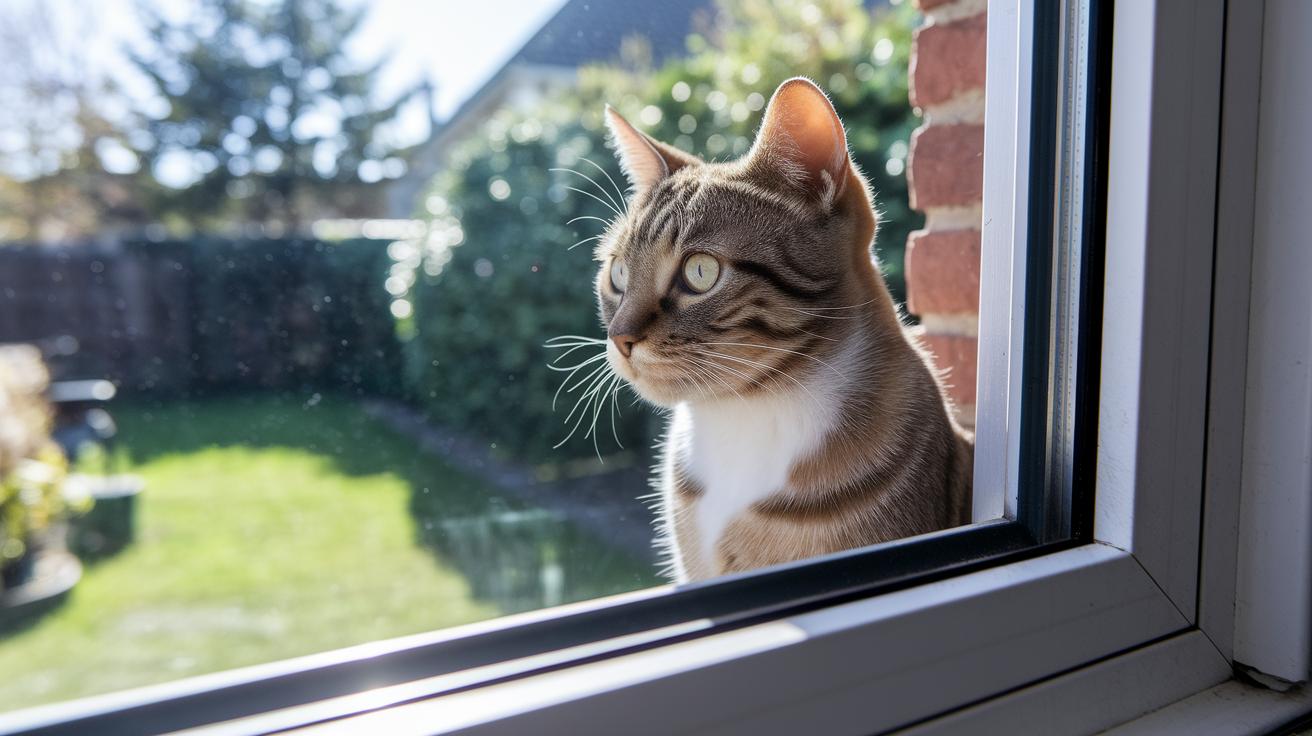
Have you ever thought that your cozy indoor buddy might be curious about the great outdoors? Sometimes it seems easier to snuggle up at home, but with a few small, gentle steps, you can help your pet explore new spaces.
At first, a stroll outside might feel a bit overwhelming for your furry friend. But just like learning a fun new game, step-by-step adventures can build confidence and make every outing special. Imagine the soft whisper of a cool breeze and the fresh scents filling the air as your pet discovers something wonderful.
By following some simple tips, you can make the transition fun and safe. Before you know it, your little pal will be excitedly trotting around, enjoying bright new sights and the playful rustle of leaves, a delightful adventure every day.
Step-by-Step Tips for Acclimating Indoor Pets to Outdoor Spaces
Getting your pet ready for the outdoors is a gentle process. Start with short, calm visits so your furry friend doesn’t feel rushed. It’s a bit like reading your favorite bedtime story – a slow start builds trust and confidence.
For the first few trips, try just a 10-minute stroll. Make sure your pet wears a snug harness and leash, and always have their ID close by, whether it’s a collar tag or a microchip. Keep up with the usual feeding routine, so they know coming home is part of the plan. It’s like going for a quick walk and then enjoying a treat. Aren’t little rewards the best?
When you see your pet getting more comfortable, slowly add 5 to 10 minutes more each day. Let them feel different breezes and see new parts of the yard at their own pace. Watch their reactions closely, and if they seem a bit unsure, give them extra time to adjust.
It usually takes about 2 to 4 weeks for your pet to get used to the outdoors. With patience, a steady routine, and lots of love, your companion will soon enjoy the fresh air and sunshine just as much as you do.
Safety Gear and Precautions for Outdoor Acclimation

When you’re ready to let your pet explore the outdoors, safety always comes first. Before heading out, take a quiet moment to look around and check for any dangers, busy roads, wandering animals, or even some poisonous plants. A little extra care here gives you peace of mind and keeps your furry friend safe. And don’t forget to make sure your pet’s ID is up-to-date; a collar with an ID tag and a microchip can really help if they ever wander off.
It helps a lot to have the right gear for those first outdoor trips. Use a secure and comfortable harness with a leash so your pet can sniff around safely while staying close. Also, pack some essentials like a bit of water and a travel bowl to keep them comfortable and hydrated. A simple pet first-aid kit is a handy addition, and familiar items like a favorite toy or a piece of their bedding can make things feel less overwhelming. Lastly, set up a little safe zone near your door, a pre-checked retreat area where your pet can relax or hide if things feel too much.
- ID collar and microchip verification
- Sturdy harness and leash
- Portable water supply and bowl
- Basic first-aid kit for pets
- Familiar toy or bedding for comfort
- Pre-inspected safe retreat area close to entry points
Cat and Dog-Specific Acclimation Tips for Outdoor Settings
When it comes to the outdoors, cats and dogs need different kinds of introductions. Cats usually like the comfort of familiar smells and little safe spots, while dogs get excited with plenty of space and friendly noises to explore.
Cat-Specific Acclimation Techniques
For your kitty, sticking to a routine is super important. Try feeding indoors at the same time every day so your cat knows home is always nearby. Start with a short 10-minute trip outside using a secure harness and leash, and keep the microchip and collar close by. Think of it like giving your cat a little sneak peek of the outside world, just like taking a gentle step into a new chapter with a favorite bookmark.
It also helps to have a safe spot nearby, like an open carrier or a quiet room where your cat can hide if things feel too busy. Over a couple of weeks, say 2 to 4 weeks, slowly extend these outings. Watch for signs of stress, like a crouch or hesitant steps, and give lots of soft praise when your kitty seems calm and curious.
Dog-Specific Acclimation Techniques
Dogs tend to feel right at home in a fenced yard where they can wander at their own pace. Start with on-leash walks of 5-10 minutes, using tasty treats to introduce them to new smells and sounds. You can think of these short walks as little adventures that build up their confidence bit by bit.
As your pup grows more comfortable, slowly switch up the route and let the walks get a bit longer. Keep an eye on your dog’s body language, if you see signs of stress like too much pacing or a tucked tail, it might be time to slow down a bit. With plenty of praise and treats for calm behavior, your furry friend will soon feel safe and even excited about their outdoor journeys.
Managing Common Challenges in Outdoor Acclimation

Sometimes our pets feel a bit uneasy when they first step outside. You might see your furry friend stopping in their tracks, hiding, or even refusing to venture out at all. These little behaviors tell you that they feel overwhelmed and need some time to settle in. When you notice them pacing, their ears pinned back, or their tail held low, it's a sign that adjustment is still in progress. Every pet is unique, and some might take longer than two weeks to feel right at home outdoors.
When your pet shows signs of stress, it helps to be extra patient. Simple tools like pheromone sprays or calming chews can work wonders in soothing their nerves. Instead of long sessions, try short outings that break the new experience into small, manageable steps. Creating a cozy, safe spot nearby gives your pet a familiar retreat where they can relax whenever they feel scared. Gradually, by celebrating their calm moments with treats and gentle praise, you can help them build the confidence they need. Remember, it's all about letting your pet set the pace for each new adventure.
Monitoring Progress and Creating an Acclimation Checklist
Every day, take a moment to chat with yourself about how your pet is settling into outdoor life. First, glance at the sky to check the weather and wander around the area, just in case any sneaky hazards have popped up. Make sure your pet's ID tag and gear are snug, and give a little extra attention to the harness. Notice if your furry friend seems a bit off; even a tiny change in behavior could mean they’re not feeling 100%. Imagine stepping out on a breezy day: a quick check helps you know if that chill might make your pet uneasy. These small steps truly help your pet feel safe and cherished every time you head outside.
Next, keep a simple log for each outing. Scribble down details like how long the session lasted, any signs of stress, or things that might have set your pet off. It might be a fun note saying, “Today, enjoyed 15 peaceful minutes in the yard,” or “Bravely strode 20 feet away from home with confidence.” Think of it like jotting down notes during a stroll with your best buddy. Reviewing these little moments can help you tweak tomorrow’s plan, ensuring each adventure builds more trust, safety, and confidence for your beloved pet.
Final Words
In the action, our guide walked you through a simple, step-by-step process for easing your pet outdoors. We touched on brief sessions, safety gear checks, and tailored methods for cats and dogs, along with ways to address common stress signals. These tips for acclimating indoor pets to the outdoor environment help keep your furry friends safe and happy. Keep a light-hearted spirit and enjoy watching your pet explore the sunny outdoors with a gentle pace and plenty of encouragement.
FAQ
Is it cruel to change a cat’s living environment from an outdoor to an indoor setting or vice versa?
The question of switching an outdoor cat to an indoor home centers on your cat’s comfort and safety. Many cats adapt well if introduced gradually and with plenty of attention.
How can I train a cat to transition safely between indoor and outdoor spaces?
Training your cat to switch between indoor and outdoor life involves short, supervised sessions, use of a harness or collar with ID, and consistency in feeding, so your cat feels secure returning home.
How can I train my cat to use the outdoors for toileting while ensuring it returns indoors?
Training a cat for outdoor toileting means setting a schedule with indoor meals near the door, gentle cues, and rewarding the return, which builds a routine that encourages coming back home.
What should I do if my cat doesn’t return after its first outdoor outing or in a new house?
Discovering your cat hasn’t come back calls for quick action: check nearby spots, ensure the cat has a collar and ID, and allow time for familiar scents and routines to guide a return.
How can I let my cat outside without it running away?
Addressing runaway worries means initially using a secure harness or leash and keeping early outings short. A steady routine and proper ID help reinforce your cat’s connection to home.