


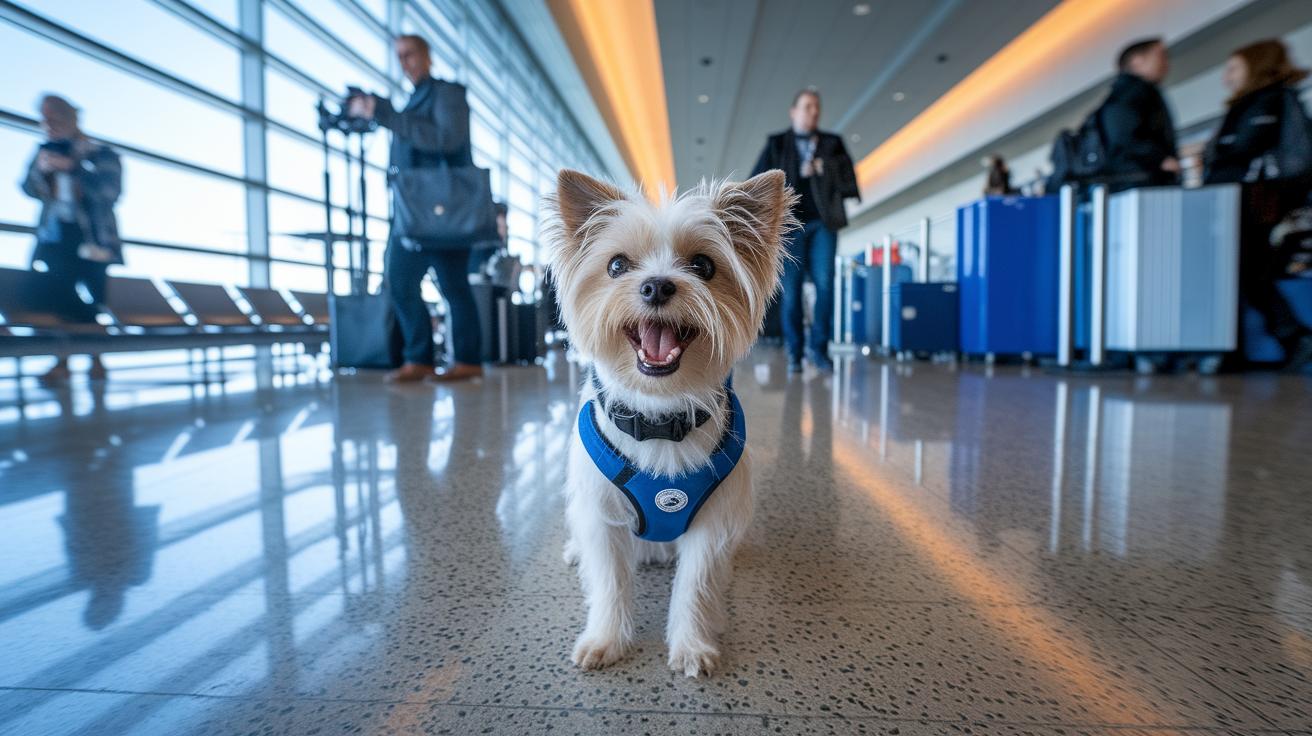
Have you ever thought a small booklet could make traveling with your pet so much easier? A pet passport isn’t just a way to show your pet’s vaccinations, it helps you breeze through border crossings, quickly confirms your pet’s health, and keeps all their important information in one handy spot for those unexpected moments.
This simple document makes international travel with your furry friend feel just as organized as handing over a trusted file at the check-in desk. With details from your pet’s recent vet visits and personal ID information neatly matched, it turns what might be a stressful trip into a smooth and joyful adventure.
3 pet passport international travel wins await
A pet passport isn’t just a little booklet, it’s a handy bundle of your pet’s health and ID details that makes crossing borders a breeze. Think of it as your pet’s personal travel file, complete with its name, age, breed, weight, and that key 15-digit ISO microchip number. For instance, it might include the date of your pet’s rabies shot along with your contact info, showing customs that your furry friend is all set for an adventure.
One big win is that it works like a global animal health certificate. It tells everyone that your pet is up to date on crucial vaccinations, like the rabies shot that many countries require. Imagine rolling up to a border and handing over a passport that clearly shows your pet’s latest health check, customs will immediately know all is well, so you can skip any stressful quarantine.
Another win is the peace of mind it brings. With a valid pet passport in your pocket, you know that your pet’s identification and health records are neatly documented and recognized around the world. This organized trail of information can be a real lifesaver during emergencies or unexpected travel hiccups.
And finally, the passport makes international travel with your pet so much simpler. It lays the foundation for a smooth journey by acting as proof of careful, standardized care. Many pet owners have said that having their pet passport turned what could have been a nerve-wracking trip into a relaxed and enjoyable outing. Have you ever felt that reassuring sense of calm knowing everything is in order?
Vaccination and Health Certificate Requirements for Pet Passports

Getting your furry friend ready for travel starts with making sure all their shots are up-to-date. Imagine your pet's protective shield, like a rabies vaccine that needs a 21-day wait after the shot, to help keep them safe on your journey. Besides that, pets often need vaccines for distemper, parvovirus, and leptospirosis, so that when you cross borders, their health records are complete and clear.
Next up is the International Health Certificate. Think of it as a friendly note from your vet confirming that your pet is healthy, all their vaccine dates are recorded, and they aren’t carrying any contagious bugs. Customs officers use this certificate to make sure every traveling pet is in tip-top shape.
- Current rabies shot with a 21-day waiting period
- Vaccination for distemper, parvovirus, and leptospirosis
Before you set off on your adventure, it might be a smart idea to pack a few extra doses of any needed prescriptions. This little extra step means you cover not just the paperwork, but you also give your pet some extra care during those exciting international trips.
Microchipping and Identification Standards in Global Pet Travel
Modern pet travel relies on a special 15-digit ISO microchip. It’s a tiny bit of tech that makes sure your pet’s ID matches up with its travel papers and health records. A caring vet implants the chip carefully and then scans it alongside the passport, ensuring everything fits together perfectly, like matching puzzle pieces.
Following global microchip rules is super important. It means your pet’s passport, health certificates, and border passes all line up just right. Sometimes, if your pet has a chip that isn’t ISO-standard, you can bring along a compatible scanner or even get a new chip before you travel. This extra step helps dodge any hiccups at customs.
When you stick to your vet’s travel tips and keep a certified pet border pass handy, international journeys become much smoother. You can relax knowing your pet is not only safe but also well-prepared for each step of its journey.
Country-Specific Pet Passport Regulations and Entry Requirements

United Kingdom Requirements
In the UK, your pet’s travel papers must include a recent rabies shot along with a blood titer test at least 30 days later. This waiting period helps build proper protection for your furry friend. I recall one pet parent saying, “I waited 30 days after my dog’s shot before doing the blood test, it felt like such a long stretch for our excited pup.” If your pet doesn’t meet these steps, it could end up in quarantine upon arrival. These clear rules are designed to keep both your pet and the public safe, so it’s really important to follow every guideline.
European Union Rules
Across the EU, the process is a bit simpler thanks to the EU Pet Passport and the International Health Certificate. These documents show that your pet is up to date on rabies and other vaccinations, which often means no quarantine. Many pet parents take a moment to double-check that all the details on the passport and health certificate are correct before traveling. The EU passport covers much more than vaccine proof, it also includes details like microchip number, age, and breed. One owner shared, “Once we had all the proper papers in our EU Pet Passport, border checks became a breeze,” making travel that much smoother.
United States Entry Standards
When traveling to the United States, your pet needs a valid rabies certificate and must have undergone a health inspection within 10 days of departure. The rules can differ from state to state, and sometimes even by the type of pet. For instance, if your pet is traveling as cargo, you might need to notify the airline in advance and set up proper travel arrangements. Some states have extra requirements for certain animals, so it’s important to carefully review your pet’s documents and local guidelines before heading out. One experienced pet owner mentioned, “My cat needed a special health inspection, and contacting the airline early helped avoid any last-minute surprises.” Each region is a bit different, so a careful read-through can save you a lot of stress.
Step-by-Step Pet Passport Application Process and Timeline
Getting your pet ready to travel abroad begins with a little bit of planning. Start at least four months before you head out by learning about the import rules for your destination. This helps you cover every detail without feeling pressed for time, kind of like making sure your furry friend’s favorite meal is perfectly prepared from start to finish.
Here’s a friendly six-step guide to help you through the paperwork and the online travel application:
-
Do Your Homework on Import Rules
Think of this like searching for a secret ingredient in your favorite recipe, each country has its own special entry requirements for pets. -
Set Up a Vet Visit for Microchipping and Vaccinations
Schedule an appointment so your pet can get a microchip check and any needed shots, especially the all-important rabies vaccine. -
Respect the 21-Day Rabies Waiting Time
Mark your calendar for this necessary break. It’s all about keeping your pet safe and meeting the rules in many countries. -
Get an International Health Certificate
Visit a vet approved by the government and have them fill out this certificate. It’s like a health report card showing your pet’s current well-being and vaccination status. -
Complete the Passport or Digital Travel Permit Application
Log in to the official online portal and make sure you file all the paperwork correctly. Taking this step is as simple as following your pet’s playful paw prints. -
Make Extra Copies of All Your Documents
Keep a few certified copies ready. They can be lifesavers if you have to show proof at different checkpoints on your journey.
Following these easy steps can help make sure your pet’s travel goes off without a hitch, with all the right papers in order.
Transportation and Crate Guidelines for Pets with Passports

Getting your furry friend ready for an international journey starts with making sure their travel crate and setup meet all the guidelines. When using IATA-approved crates, you're giving your pet a cozy, safe space where they can stand, turn, and even take a little nap. And don’t forget, a vet check within 48 hours before departure is often required to ensure your pet is healthy and ready for the trip.
IATA Crate Standards
IATA-approved crates are like little safe rooms for your pet. They’re built just right so your pet has enough room to move around comfortably. The materials are tough and reliable, making sure the crate can handle the bumps of travel. Plus, plenty of air holes or screens ensure a nice, steady airflow so your pet stays cool. Think of it as a brief retreat where your pet can relax securely. With leak-proof floors, any small accidents are easily managed, and clear labels with your pet’s name and your contact details make sure they’re quickly identified during travel.
Transport Mode Options
When it comes to travel, how your pet gets there depends on their size. For little companions under 8 kg, in-cabin travel means they get to be right by your side during the journey. Larger pets usually travel as checked cargo or via a specialized ground service, where extra care is taken to ensure their comfort. And here’s a friendly tip, pack a travel kit with food, water, waste bags, and a few familiar items like a favorite toy or blanket to help ease travel stress. With the right preparation, your pet’s international travel can be a smooth and enjoyable adventure for both of you.
Final Words
In the action, we explored the nuts and bolts of pet passport international travel. We covered everything from health certificates and vaccinations to microchipping and crate standards. Each step, from gathering necessary documents to understanding country-specific guidelines, plays a key role in verifying your pet's readiness for global travel.
This guide aims to boost your confidence in managing your pet's paperwork and ensuring a smooth trip. Enjoy the excitement of safe, happy travels with your furry companion!
FAQ
Q: What are the pet passport international travel requirements?
A: The pet passport international travel requirements cover valid ID documents, up-to-date vaccination records, a proper microchip, and a current International Health Certificate to meet border officials’ standards.
Q: How does pet passport international travel work from the USA?
A: The process for pet passport international travel from the USA includes obtaining state-specific health certificates, updating vaccinations, and ensuring your pet meets international travel health and ID requirements.
Q: What is the pet passport international travel cost?
A: The international travel cost for a pet passport generally involves vet fees for vaccinations, microchipping, and document processing, with prices varying by region and service provider.
Q: How do I apply for a pet passport online?
A: Applying for a pet passport online means uploading the required pet health documents and vaccination records through an official portal provided by your local animal health agency or veterinary office.
Q: What does a pet passport in the USA include?
A: A pet passport in the USA includes identification documents, vaccination records, and a health certificate that meet international travel guidelines, with specific requirements that may vary by state.
Q: Do dogs need a passport to travel internationally?
A: Dogs need a passport when traveling internationally; this document confirms their identification, vaccination history, and overall health to satisfy entry conditions in foreign countries.
Q: What is involved in the pet passport application process?
A: The pet passport application process involves gathering essential documents like vaccination records and microchip details, obtaining an International Health Certificate, and submitting your application to the proper agency.
Q: How can I find a pet passport near me?
A: Locating a pet passport near you means contacting local veterinary clinics or your state’s animal health department to find out where you can have your pet’s travel documents prepared and approved.
Q: How do I get a pet passport for international travel?
A: Getting a pet passport for international travel requires a vet appointment to update your pet’s vaccinations, implant a microchip, and secure an International Health Certificate, then submitting these documents to the issuing agency.
Q: What steps must I take to travel internationally with my dog?
A: Traveling internationally with your dog means securing a pet passport, ensuring all vaccinations (especially rabies) are current, microchipping your pet, and obtaining a recent International Health Certificate.
Q: How much does an international pet travel certificate cost?
A: The cost of an international pet travel certificate depends on consultation fees, processing charges, and regional pricing, so check with your local veterinarian for specific pricing details.
Q: How can I travel with my pet on a plane internationally?
A: To travel with your pet on a plane internationally, use an airline-approved crate, prepare all necessary travel documents including a pet passport, and follow airline guidelines for pet travel in-cabin or as cargo.