


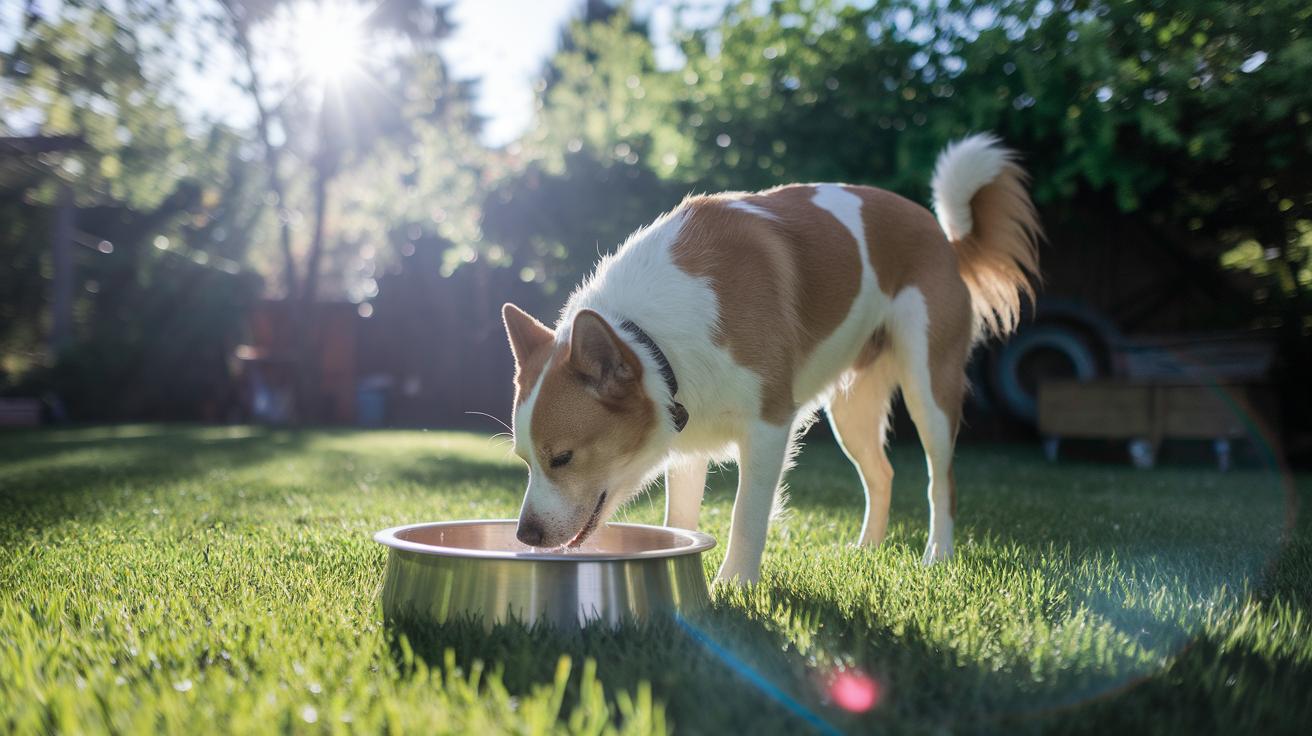
Have you ever wondered if your pet’s water bowl might be their secret to staying lively and happy? Every sip does more than just quench thirst, it helps with digestion, soothes joints, and even keeps common health troubles at bay.
Imagine your furry friend taking a refreshing drink and feeling a little boost of wellness each day. If you care about your pet’s health as much as I do, you’ll love how these simple hydration habits can make a big difference.
In this chat, we’re sharing easy, everyday tips that turn a water break into a moment of lasting wellness. Ready to discover how even the smallest sip can brighten your pet’s day?
How to Keep Your Pet Hydrated and Healthy
Water is like a magic potion for our furry friends, it helps them digest food, absorb nutrients, keep cool, and even cushion their joints. Each gulp makes sure their little body works just right. Fun fact: water doesn’t just quench thirst; it even helps break down food so your pet gets all those yummy nutrients. It also helps guard against pesky issues like urinary tract problems, kidney stones, and overheating. Pretty cool, huh?
Every day, making sure your pet drinks enough water is a must. Experts say that dogs should have about 1 ounce of water per pound of body weight, and for cats, it’s about 3.5 ounces for every 5 pounds. Keeping fresh water nearby all the time is a simple way to show you care. You might even set up a few little drinking spots around your home so your curious kitty or playful pup always knows where to find a refreshing sip. Imagine it like a daily routine that keeps them happy and healthy.
Watching how much your pet drinks can also be a neat way to spot any early signs of trouble. A steady flow of water helps with digestion and stops overheating, which is super important on hot days. If you ever notice your pet drinking less, seeming a bit off, or acting differently, it could be a sign to have a chat with your vet. Taking care of your pet’s water intake is really the first step to keeping them lively and loving.
Recognizing Early Dehydration Signs in Companion Pets

When the weather heats up, it's super important to keep an eye out for signs that your furry friend isn’t getting enough water. You might notice your pet is a bit slow, not running around as much, or even breathing harder than usual for no reason. Sometimes, their gums feel dry or sticky, a quiet hint that something might be off. A little look at your pet’s behavior can go a long way in spotting dehydration before it turns into a bigger problem.
Another quick check you can try is the skin-turgor test. Just gently pinch the skin on your pet’s shoulder. If it takes a few seconds to bounce back, that could be a red flag. Also, watch for sunken eyes and a decrease in appetite. Believe me, these small details can make a big difference.
| Sign | Description | Check Method |
|---|---|---|
| Lethargy | Your pet seems unusually tired or inactive. | Simply observe their daily play and energy levels. |
| Dry or Sticky Gums | Their gums lose that natural moist feel. | Gently run your finger over their gums to test the texture. |
| Sunken Eyes | Eyes look more tucked in or less bright than normal. | Have a close look while they rest. |
| Reduced Skin Elasticity | The skin is slow to snap back when pinched. | Perform a simple skin-turgor test by gently pinching the shoulder skin. |
Next time you're having a quiet moment with your pet, take a few extra seconds to look for these signs. It might mean the difference between a quick fix and a serious problem later on. And don't worry, trust your instincts, and you'll always know when something's not quite right.
Establishing Daily Water Intake Routines for Healthy Pets
Getting your pet into a daily water routine is a must for their health. It helps with everything from digestion to keeping cool on a sunny day. Imagine setting up little water breaks throughout your pet’s day, ensuring they always have a fresh, tasty bowl ready. It’s like planning a mini refreshment party for your furry friend!
First, start the day right with a wake-up refresh. As soon as your pet opens their eyes, offer a bowl of fresh water to jump-start hydration. Next, follow up every meal with a small water break, which helps them digest their food better. After some fun playtime or a little exercise, give them a chance to sip and rehydrate quickly, it really makes a difference. You might also consider putting out at least two water stations around your home so every pet feels included, without any fuss over who gets to drink first. And if you ever worry about forgetting, a simple phone reminder or a programmable pet feeder can be a lifesaver!
For families with more than one pet, a few tweaks might do the trick. Maybe add extra bowls or space out their drinking times, so every pet gets their own little hydration corner. That way, you can easily keep track of how much water they’re drinking each day and make sure they all stay happily hydrated.
Selecting the Right Hydration Tools: Bowls and Dispensers

Picking the perfect water dish for your pet really changes the game when it comes to keeping them refreshed. Stainless steel bowls, for example, are a favorite because they resist bacteria and scratches, making them tough and a breeze to clean. Ceramic options offer a gentler edge, which can help lessen whisker stress for our feline friends, while plastic ones might sometimes keep odors that can turn drinking into a less enjoyable experience. Think about what your pet likes and any extra needs they may have.
Now, let’s talk design. Automated refill dispensers are total game changers. These self-filling fountains with charcoal filters not only keep water fresh and full of oxygen but also save you a step during those hectic days. Elevated bowls are another smart choice, especially for older pets or larger breeds with longer necks; they help reduce joint strain by making each sip easier. These innovative tools can really boost hydration habits, ensuring your pet gets a clean, efficient drink every single time.
| Device Type | Pros | Cons |
|---|---|---|
| Standard Bowls | Durable, easy to clean, available in many materials | Plastic can retain odors; might not suit every pet |
| Fountains | Self-refilling, keeps water fresh and oxygenated | Often more expensive; needs regular upkeep |
| Heated/Winterized Dispensers | Keeps water at an ideal temperature during cold months | Not very versatile year-round; best in cooler conditions |
Hydration Strategies for Active, Senior, and Breed-Specific Pets
When your active pup is zooming around on a walk or having a blast playing fetch, keeping them hydrated is super important. Try offering a little water before you head out, toss them some during playtime, and give them a drink once the fun is over. On longer adventures, bring a portable water bottle along, and for a cool twist, freeze some low-sodium broth into cubes. It’s a simple trick that not only stops thirst but also fuels their busy, energetic lifestyle.
For our senior fur friends, a calm, easy-going hydration routine can really make a difference. Many older pets prefer shallow bowls that are easy to drink from without any fuss. In the chillier months, a bit of slightly warmed water can feel extra comforting. Keep a close eye on their habits; if you notice they’re sipping a little less or seem hesitant to come over for a drink, it might be time to switch things up.
Every pet is unique, and sometimes their breed can affect how they like to drink. Larger or more energetic breeds might need bigger, more frequent sips, while others do well with smaller, regular trickles. You might even want to tweak their water dish, a raised bowl can be great for dogs with longer necks, and a travel-friendly container is ideal for those always on the move. By tailoring your approach, you can ensure every pet gets the right amount of hydration for their one-of-a-kind lifestyle.
Pet Hydration and Wellness Tips: Fresh Health Boost

Summer days can get really hot for our pets. When the mercury climbs past 85°F, even a little time outdoors might leave your furry friend feeling thirsty. So, why not offer cool water in a shady spot and keep outdoor play sessions on the shorter side? Check water bowls regularly during playtime or after walks on the hot pavement. A mid-day water break can really make a difference, imagine your pup or kitty happily sipping away!
When winter arrives, things change a bit. The water in the bowl might start to ice over, making it less inviting. Try using a bit of warmed water so it stays comfy and drinkable. Also, because indoor air tends to be drier, refill their bowl a little more often. A small adjustment like boosting indoor humidity or doing extra grooming helps keep your pet cozy and safe from the chill.
Boosting Pet Health with Nutrient-Enriched Water and Safe Additives
Have you ever tried adding a little splash of flavor to your pet’s water? Mixing in just a bit of low-sodium bone or vegetable broth can turn plain water into a tasty treat without any extra salt. Picture your furry friend enjoying their drink even on a hot day, savoring that gentle burst of flavor that makes the water extra inviting.
After a busy play session or if your pet isn’t feeling their best, a special electrolyte supplement made just for animals can be a real help. Some pet parents even mix in a touch of diluted coconut water for a natural potassium boost, just be careful not to add too much sugar. Always follow the supplement’s instructions and check with your vet to make sure it’s just right for your pet's needs. This simple trick keeps energy levels up and makes every drop of water work for your beloved companion.
Monitoring Pet Hydration: Tools and Veterinary Insights

Tech gadgets, like smart water bowls and wearable trackers, are making it super easy for us to check on our pets’ hydration. These neat devices send real-time alerts whenever your furry friend’s water intake drops below a healthy level – imagine getting a friendly app reminder that your pup or kitty still needs a drink, just like a kind nudge from a friend.
These tech tools let you watch every sip your pet takes during the day. Plus, many come with apps that help you compare today's water intake with past days, so you can quickly spot any small changes that might mean something’s up.
Regular trips to the vet are a big help too. Vets now use methods like blood tests and physical check-ups to keep an eye on hydration. Keeping a simple journal of your pet’s daily water consumption and weight can really pay off, catching early signs of dehydration before they become a bigger issue. This little record-keeping helps your vet see patterns that might not be obvious at first glance, ensuring that every drop of water counts in keeping your pet happy and healthy.
Final Words
In the action, we've explored how water fuels your pet’s digestion, mobility, and overall cheer. We dove into simple tips for setting up reliable routines and choosing the best hydration tools for different needs. Small shifts, like extra water stations in summer or warmed bowls in winter, make a big difference.
Remember these pet hydration and wellness tips as you build your daily care routine. Every sip counts toward making your furry friend happier and healthier. Enjoy the process and celebrate every wagging tail and purr!
FAQ
Q: What are some pet hydration and wellness tips for dogs?
A: The pet hydration and wellness tips for dogs focus on offering fresh water daily, scheduling water breaks after exercise, and sometimes mixing in low-sodium broth to support digestion and joint cushioning.
Q: What are some pet hydration and wellness tips for cats?
A: The pet hydration and wellness tips for cats suggest providing fresh water in easily accessible dishes, using ceramic bowls to reduce whisker stress, and pairing hydration with well-balanced meals for optimal kitty health.
Q: How can I keep my pet hydrated?
A: The key to keeping your pet hydrated is by offering a consistent supply of fresh water, setting up multiple water stations, and scheduling regular water breaks before and after meals and play sessions.
Q: How can I add wellness benefits for my pet?
A: Adding wellness benefits for your pet involves combining proper hydration with nutritious food, regular exercise, and safe water additives like low-sodium broth to support overall health and comfort.
Q: How can I add hydration to a dog’s diet?
A: Adding hydration to a dog’s diet means mixing water with their food, offering water-rich treats, or using low-sodium broth, which supports digestion, nutrient absorption, and muscle recovery.
Q: What hydrates dogs fast?
A: The method that hydrates dogs fast is providing cool, fresh water in a clean bowl, supplemented by low-sodium broth during active moments to quickly replenish lost fluids and maintain energy levels.