


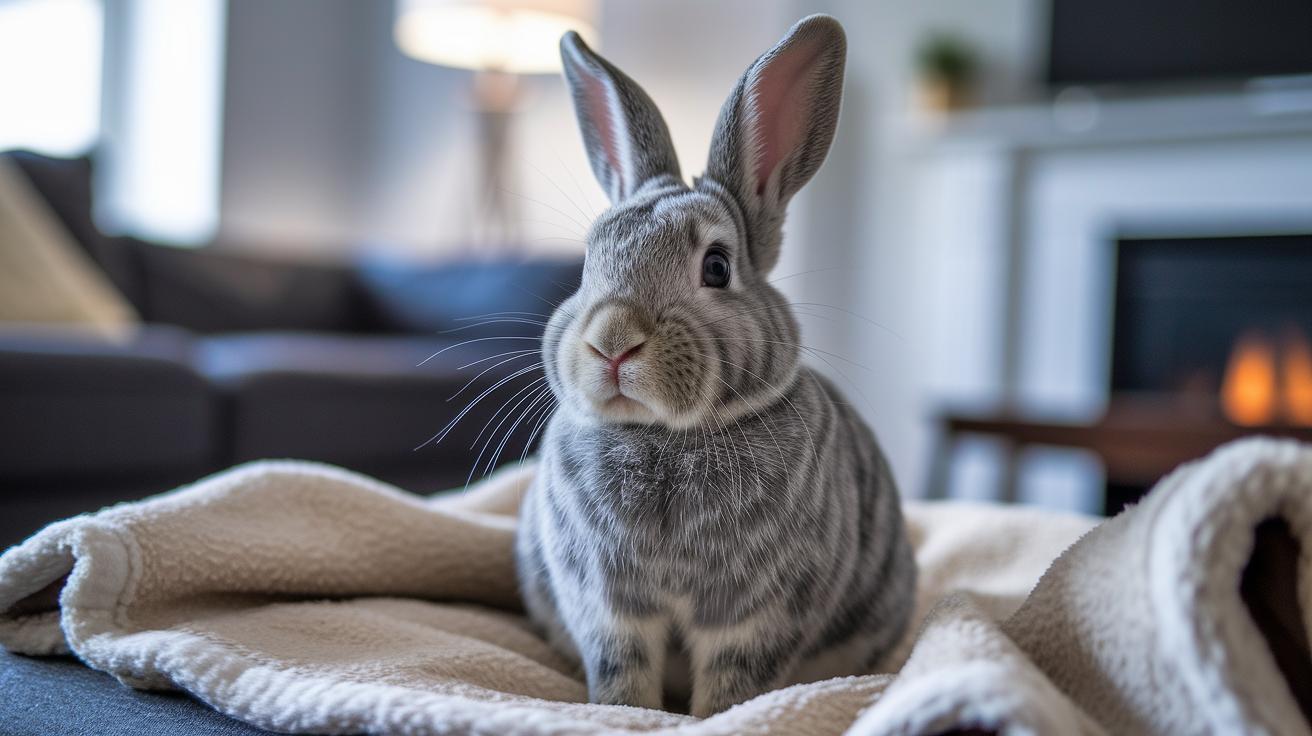
Have you ever thought about which bunny might brighten up your day? With so many delightful rabbit breeds out there, there's a furry friend just waiting to add a little magic to your home.
Some bunnies have those soft, floppy ears perfect for snuggles, while others are full of playful hops and mischievous charm. Each one comes with its own personality, size, and grooming needs, making it easier to find a companion that feels just right.
In this chat, we'll walk through the special traits of these enchanting creatures. Think of it as a friendly guide to help you discover the rabbit that will truly feel like part of your family. Ready to dive into the lovely world of bunnies? Let's hop right in!
Exploring Rabbit Pet Breeds: A Comprehensive Overview
Bringing a bunny into your home is both exciting and thoughtful. Whether you’re a first-time pet parent or a seasoned rabbit lover, it helps to know that each breed comes with its own personality, size, grooming needs, and health quirks. Let’s dive into these little bundles of joy in a relaxed, friendly way.
Every bunny has its own charm. For instance, the Holland Lop wins hearts with its oversized head and floppy ears, while the Mini Lop is robust and playful, always ready for some fun. Think about the Dutch rabbit too, with its unique look of white fur dotted with dark patches that make it resemble a tiny tuxedo. And then there’s the Lionhead, known not just for its impressive mane but for its gentle yet lively demeanor. Which one resonates with you might just depend on the qualities you value most in a furry friend.
When it comes to size, the differences are pretty clear. Tiny bunnies like the Netherland Dwarf tip the scales at about 2.5 lbs, making them perfect for a snug space. On the other hand, the Flemish Giant can weigh anywhere from 15 to 25 lbs, so they need a bit more room to bounce around. Imagine choosing between a little buddy made for cozy corners and a big, energetic friend who loves a spacious area for hopping.
Grooming is another factor to consider. The Mini Rex shines with its soft, velvety coat that’s easy to care for, while the Lionhead’s majestic mane might need a bit of gentle detangling a few times each week. And don’t forget about health, larger breeds might be more prone to issues like sore hocks or heat sensitivity, which means you may need to adjust their bedding or habitat to keep them comfy.
| Aspect | Description |
|---|---|
| Temperament | Friendly, docile, or playful, each breed has its unique personality |
| Size | From compact little bunnies to larger breeds needing more space |
| Grooming | Ranges from low maintenance to regular care depending on the coat type |
| Health | Some breeds may require extra attention due to breed-related health concerns |
Top Rabbit Pet Breeds to Consider

Holland Lop
Holland Lops are pure bundles of charm. With their delightfully oversized head and floppy ears, these little bunnies trace their roots back to the Netherlands. They pop up in more than 30 colors, and their warm, friendly nature is hard not to love. Imagine coming home to a tiny hop of joy greeting you every day.
Mini Lop
Mini Lops have a sturdy, cuddly look with a head as round as a softball and a gentle, loving expression. They're known for their affectionate personality, making them the perfect snug companion for families. These bunnies are playful and resilient, always ready for a little fun.
Dutch
Dutch rabbits sport a stunning white coat with unique, darker patches that look like tiny pants. Their origins go back to 1830s England, and they carry a calm, gentle vibe that suits quieter homes really well. Their classic and unique style is as lovely as it is memorable.
Lionhead
The Lionhead rabbit has been capturing hearts since it was recognized in the US in 2014. With its distinctive, fluffy mane, it looks just like a mini lion. Balancing energetic play with moments of sweet relaxation, this bunny offers both lively excitement and a calm presence. That stylish mane really adds a touch of royalty.
French Lop
French Lops have been delightful since 1971. These big, gentle giants weigh around 5-6 kg and are known for their calm, friendly nature. They might be imposing in size, but their warm demeanor makes them a favorite for anyone looking for a big, loving friend.
Californian
Californian rabbits catch your eye with their striking white fur accented by bold black patches on the ears, nose, feet, and tail. These social "people rabbits" love plenty of attention and thrive on playful interactions. Their outgoing personality makes them a joyful addition to any home.
Dwarf Papillon
With a cool butterfly marking on its nose and V-shaped ears that give it a unique look, the Dwarf Papillon really stands out. Its calm and easygoing behavior makes it a lovely pet for families who want a little bit of flair without too much fuss.
Netherland Dwarf
The Netherland Dwarf is a tiny marvel, weighing just around 2.5 lbs, with a round, expressive face and big, curious eyes. They can be a bit skittish, so a calm, gentle environment is best for this little treasure, especially in homes with small children.
Mini Rex
Mini Rex rabbits feel like a soft, delightful cuddle. Their plush, velvet-like coat is simple to care for, and their calm, friendly vibe means they're perfect for lap time. These gentle bunnies make a soothing, affectionate addition to any household.
Flemish Giant
Flemish Giants are truly impressive with their size, weighing between 15 and 25 lbs. Despite their big stature, they're incredibly gentle and kind, making them an excellent choice for first-time rabbit owners or families with children looking for a big, loving friend
Comparing Rabbit Pet Breeds by Size
When choosing a bunny, size really matters. Knowing how heavy each breed typically is and how long they might live can help you pick the right pet for your home. Imagine a little Netherland Dwarf weighing about 2.5 pounds , perfect for a smaller, snug space. Then there’s the Flemish Giant, a big buddy that can tip the scales at up to 25 pounds and needs plenty of room to bounce around and explore. Generally, the smaller breeds tend to enjoy more years with us, while larger ones might have shorter lifespans because of genetics and diet.
Below is a simple guide that shows five common bunny breeds:
| Breed | Weight Range | Average Lifespan |
|---|---|---|
| Netherland Dwarf | 2 – 3 lbs | 10 – 12 years |
| Mini Rex | 4 – 6 lbs | 10 years |
| French Lop | 11 – 13 lbs | 7 – 10 years |
| Flemish Giant | 15 – 25 lbs | 8 – 10 years |
| Continental Giant | 16 – 20 lbs | 5 years |
Think of this as a little window into the wonderful world of bunny sizes, where each breed has its own charm and space needs perfect for your family.
Rabbit Pet Breeds: Coat Types and Grooming Needs

Every rabbit breed has its own special coat, and that means they need different kinds of care. Take Angora rabbits, for example. Their super-soft wool deserves a gentle brushing every day. Imagine starting your morning with a soft caress through your Angora’s silky coat, it feels like petting a living, fluffy cloud.
Then there are Mini Rex rabbits. Their velvet-like fur is easygoing and only needs a quick, light brushing to keep that smooth feel they’re famous for. On the other hand, Lionhead rabbits sport a cute mane that needs a bit more time. A gentle detangling two or three times a week is perfect to keep that fluffy ruff looking neat and charming.
You’ll find that Dwarf Papillons have a neat, short coat which does well with a weekly combing. Meanwhile, French Lops are known for their thick fur, so a brush every other week is a great way to clear away any tangles and keep them looking their best.
Here are five handy grooming tips:
- Brush Angoras daily and trim them often to stop the wool from matting.
- Use a soft brush on Mini Rex rabbits for a quick, fuss-free cleaning.
- Gently detangle the Lionhead’s mane two to three times each week.
- Comb Dwarf Papillons once a week to keep their coat smooth.
- Give French Lops a good brush every two weeks to maintain their dense fur.
Temperament Traits Across Rabbit Pet Breeds
Every bunny breed brings its own charm and style, making each one a unique match for your lifestyle. Take the Rex rabbit, for instance, they’re known for their calm, laid-back nature, which makes them perfect for families with little ones who enjoy quiet, gentle moments with a furry friend.
Then there are the lops, like Mini Lops and American Fuzzy Lops. They’re often compared to a "Golden Retriever" in the world of rabbits for their friendly, welcoming vibe that wins hearts in no time.
Flemish Giants may look big and mighty, but they’re actually very gentle and well-mannered, making them a wonderful, tender companion for anyone looking for a large pet. Meanwhile, Harlequin rabbits are full of curiosity and thrive when there are plenty of toys or playful distractions around to keep their minds busy.
The Chinchilla rabbit is another lively character, smart, active, and affectionate, adding that energetic spark to any pet-loving home. On the flip side, the Netherland Dwarf can be a bit skittish, which might make it tough for families with very young kids. No matter which bunny you choose, remember that a little patience, gentle handling, and slowly introducing new things can help your pet feel trusted, safe, and truly loved.
Essential Health Considerations for Rabbit Pet Breeds

Taking care of your bunny’s health is the key to a happy, long life. Big breeds like Flemish Giants or French Lops sometimes get a painful foot problem called pododermatitis – it's when too much weight makes their feet hurt. Imagine a giant bunny on a hard floor! Switching to soft bedding and checking their play area can really help ease that discomfort.
Giant rabbits also struggle to stay cool. When it’s warm out, keep them out of direct sunlight and make sure they have a cool place to relax. Whereas mini breeds usually live about 8 to 10 years, larger breeds can find themselves with anywhere from 5 to 12 years on this earth. Regular vet visits are a must, they can catch common issues like overgrown teeth, extra weight, or even pesky parasites before they become big problems.
Routine care is simple and really important. Stick with regular parasite prevention and keep up on vaccinations. And hey, if you notice your bunny seems less lively or isn’t bouncing around like usual, it might be time to call the vet.
| Breed Type | Lifespan | Health Considerations |
|---|---|---|
| Large Breeds | 5-12 years | Pododermatitis, heat sensitivity |
| Mini Breeds | 8-10 years | Dental overgrowth, obesity |
Choosing and Caring for Your Rabbit Pet Breed
Making a safe, comfy home for your bunny is super important. If you have a bigger breed like a Flemish Giant, soft bedding is a real treat for their little feet. And a secure enclosure? It keeps those playful rabbits from sneaking out, letting both of you feel relaxed and secure.
Daily play is just as key. Give your bunny around 3–4 hours of fun time in a space that’s been bunny-proofed, imagine them happily bouncing, exploring, and stretching their legs. For more social bunnies such as the Californian, a bit of supervised play brings a smile to both your faces, boosting their confidence while connecting with your family.
When it comes to feeding, keep it simple yet nurturing. Picture a meal plan where your bunny enjoys unlimited hay, a measured dose of high-quality pellets, and a refreshing mix of fresh greens. This combo not only helps their teeth stay strong but also keeps mealtime delightful.
Here are a few top tips for new bunny parents:
- Use soft bedding to safeguard the sensitive feet of heavier breeds.
- Secure your bunny’s habitat to avoid any surprise escapes.
- Allow 3–4 hours of daily exercise in a bunny-proofed area.
- Supervise playtime for social breeds for added safety.
- Serve a balanced diet of hay, pellets, and fresh greens for overall well-being.
Final Words
In the action of exploring the world of rabbit pet breeds, we walked through aspects like temperament, size, grooming needs, and health care. Every section highlighted different traits and care suggestions so pet owners can make smart choices. The guide served as a clear reminder that knowing your pet’s needs, from playful energy to calm companionship, helps create a nurturing space. With this easy-to-follow advice, you’ll feel more equipped to enjoy the lively world of rabbit pet breeds and share in many happy, healthy moments.
FAQ
What are the most common and best pet rabbit breeds for beginners?
The most common and best pet rabbit breeds for beginners include Holland Lop, Mini Lop, and Dutch rabbits. They are loved for their friendly nature and ease of care, making them ideal for first-time owners.
Which rabbit breeds stay small and suit limited spaces?
Rabbit breeds like the Netherland Dwarf and Dwarf Papillon naturally stay small. Their petite size makes them great for cozy homes while still offering lively companionship and sweet personalities.
What are the large rabbit pet breeds?
Large rabbit breeds such as Flemish Giant and French Lop are known for their considerable size and gentle, calm nature. They need extra space and a bit more attention but are loving family pets.
Where can I find rabbit pet breeds for sale with pictures?
Detailed online listings and breed charts typically offer pictures and sale information for various rabbit breeds. These resources let you compare traits, check availability, and view images to guide your choice.
What is a rabbit breed identification chart?
A rabbit breed identification chart is a handy guide listing different breeds with details like size, temperament, and grooming needs. It helps pet owners quickly decide which rabbit fits their lifestyle best.
What breed of rabbit is known to be the friendliest?
The friendliest rabbits are often the Mini Lop and Dutch breeds. Their affectionate and playful natures make them excellent companions that easily bond with families.
Are three rabbits better than two?
Three rabbits can thrive if you have ample space and resources, but two often form a balanced, social pair. It really depends on each rabbit’s personality and your ability to care for them all.