


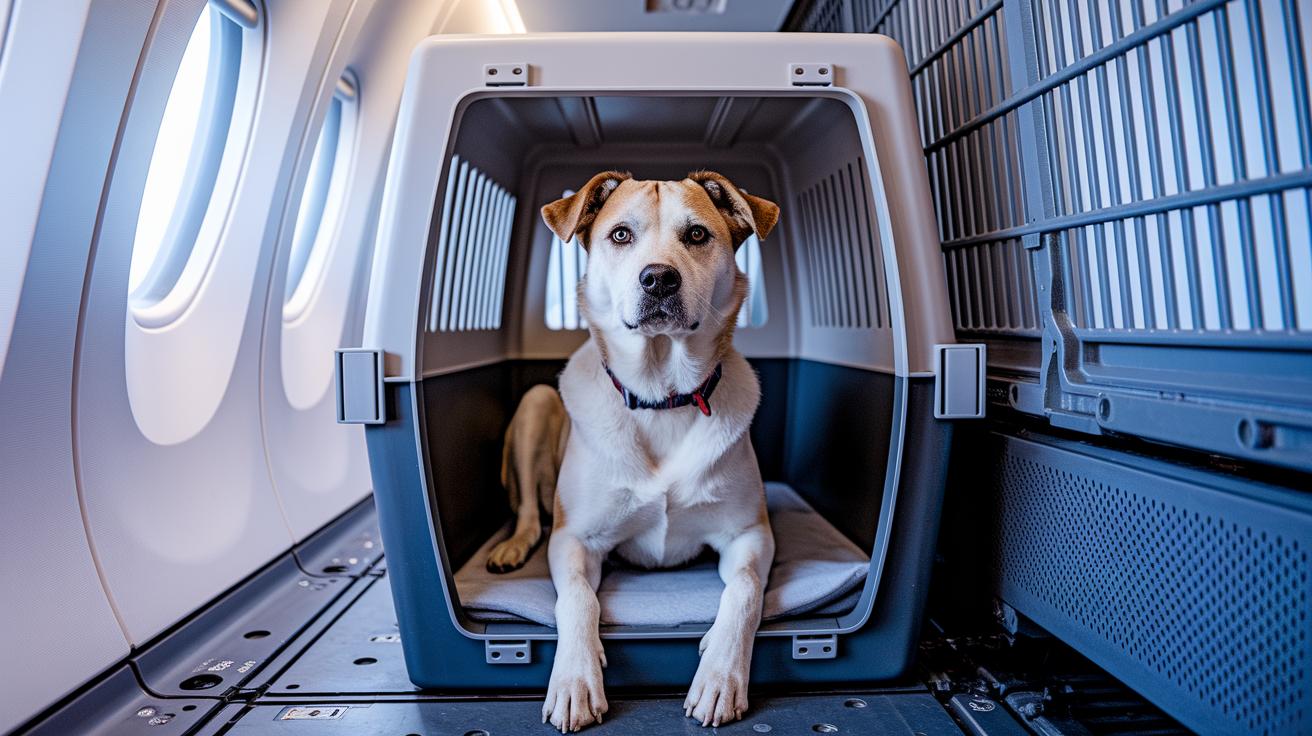
Ever wondered if your dog can safely travel in cargo? It can feel like a big decision when you think about your furry friend flying in a cargo hold. Only a few U.S. airlines, Hawaiian, Alaska, and American, offer special climate-controlled cargo, so your pet stays cozy during the trip.
In this post, we break it all down like a chat over coffee. We’ll share the fees and simple rules each airline uses, giving you clear details to help you make the best choice for your beloved companion. It’s all about keeping your pet safe and comfortable from takeoff to landing.
Airlines Permitting Dogs in Cargo Holds
When it comes to flying with your furry friend in cargo, only a few U.S. airlines come to the rescue. Hawaiian Airlines, Alaska Airlines, and American Airlines are the go-to choices if you need to check your dog in as cargo. Each of these airlines has its own fee setup and rules that you'll want to check out before you book your flight. They even offer climate-controlled cargo areas so your pet stays comfy, along with clear details on which breeds might have restrictions.
| Airline | Cargo Fee One-Way | Key Restrictions | Exceptions |
|---|---|---|---|
| Hawaiian Airlines | $225 to North America, $60 within Hawaii | Only runs on domestic routes and accepts dogs, cats, and household birds | N/A |
| Alaska Airlines | $150 (or $100 for active-duty military) | No brachycephalic breeds allowed; offers climate-controlled cargo | N/A |
| American Airlines | Calculated via a fare calculator (cargo option available only on official orders) | Reserved for active U.S. military and State Department personnel | N/A |
Other major airlines like Delta, United, Southwest, Frontier, JetBlue, and Spirit mostly keep cargo services to service animals or just for military and diplomatic cases. So, if you’re planning to fly with your pet using the cargo hold option, these three carriers remain your best bet in a world where other pet travel options are often preferred to keep our companions safe and cozy.
Documentation and Approval Guidelines for Cargo Dogs
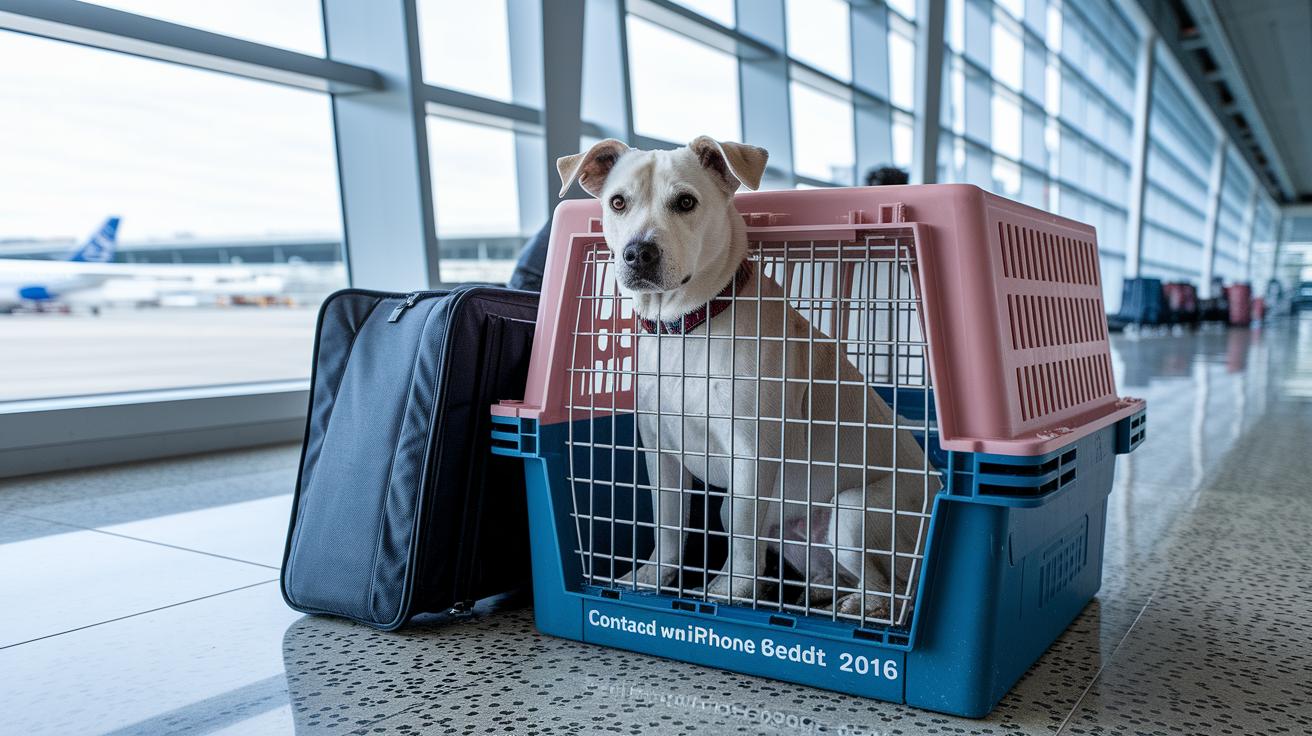
Before you head off to the airport with your cherished pup, double-check that all the necessary paperwork is ready to go. Having the right documents and approvals in place keeps your dog safe and makes sure you’re following the airline’s rules.
- USDA Health Certificate: This is a paper from a USDA-registered vet that shows your dog’s vaccinations are current and that they’re healthy enough to travel.
- Rabies Vaccine Record: Make sure you have proof that your pup is up to date on rabies shots, which is super important whether you’re traveling domestically or internationally.
- Certificate of Veterinary Inspection: Also called a health certificate, this confirms that a vet has given your dog a good health check and approved them for travel, especially during the check-in.
- Airline-Specific Forms: Some airlines ask for extra paperwork for cargo travel. It’s always a good idea to check with your carrier to see if they need any additional forms.
- Proof of Special Exemptions: If you’re traveling under military or State Department orders, be sure to include the necessary documents to show you qualify.
Remember, these documents – especially the USDA Health Certificate and the Certificate of Veterinary Inspection – should be issued no more than 10 days before you travel. If your flight involves the U.S. Virgin Islands or an international leg, you might need extra health documentation. Also, your dog’s crate should be clearly labeled with your contact details and lined with absorbent material. Taking care with these details helps ensure that your dog’s cargo journey is as smooth and stress-free as possible.
Crate and Kennel Standards for Cargo Transport
When you're gearing up for a pre-flight adventure with your four-legged friend, having the right crate makes all the difference. The kennel should be roomy enough for your pet to stand, turn around, and lie down comfortably. A strong, solid build helps keep spills inside and ensures your buddy stays safe throughout the trip.
Next up, think about air flow. Look for a crate with vents on every side so your pet gets plenty of fresh air. Adding an absorbent mat can help clean up any little accidents, and if your airline allows it, you might attach a secure water container to keep your pet hydrated along the way.
Finally, don’t miss out on the extra details. The crate needs to clearly show your name and your pet’s details, and sometimes airlines ask for extra stickers or a certification logo to prove the crate meets approved standards. A quick call to your airline can save you from last-minute surprises, so you and your pet can enjoy a smooth and worry-free journey.
Booking Procedures and Cargo Fees Overview

Booking your pet’s travel can feel a bit like piecing together a fun puzzle. Usually, you start by calling the airline’s cargo or baggage desk at least 48 hours before departure. It’s best to speak directly with a friendly airline representative so you can secure a spot for your furry friend. For example, Hawaiian Airlines might charge anywhere from $60 to $225 for a one-way trip based on your flight route. Meanwhile, Alaska Airlines offers a simple $150 fee per pet and even drops it to $100 if you’re active-duty military. And then there’s American Airlines, which uses an online pet fare calculator to set fees, often falling between $500 and $1,000 depending on your pet’s weight and how far you’re flying. A quick call to the airline can clear up any questions about discounts, accepted payment methods, or eligibility for special rates.
Before confirming your booking, be sure to double-check all the details. Ask about how fees are calculated, any lead times or special forms needed, and what types of payment are accepted. It’s also a good idea to verify that your pet’s crate meets the airline’s size and safety standards to avoid any last-minute surprises at the airport.
Remember, you should book at least 48 hours before departure to keep everything running smoothly for your pet’s adventure.
Safety and Comfort Protocols for Cargo Dogs
When you send your furry friend via airline cargo, you can rest easy knowing that the hold is kept at a steady temperature, usually between 45°F and 85°F. This careful control of the environment means your dog’s nook feels safe and comfortable throughout the journey, much like a cozy den that protects against wild weather changes.
Sometimes, airlines choose not to fly certain breeds, especially the ones with squished faces. These breeds, known as brachycephalic dogs, can sometimes have trouble breathing in confined spaces. By keeping them off the cargo list, airlines make sure that only pets with lower breathing risks are onboard, helping to avoid any nasty surprises in flight.
If you’re still a bit nervous about your pooch’s travel plans, consider a flight nanny service. These caring professionals offer door-to-door help and keep a close eye on your pet during the flight, so you know they’re safe and happy. Sometimes, taking your pet by ground transport even feels kinder, as it can be a gentler way to travel and make sure your best buddy stays calm all the way.
Alternative Options to Cargo for Dog Travel
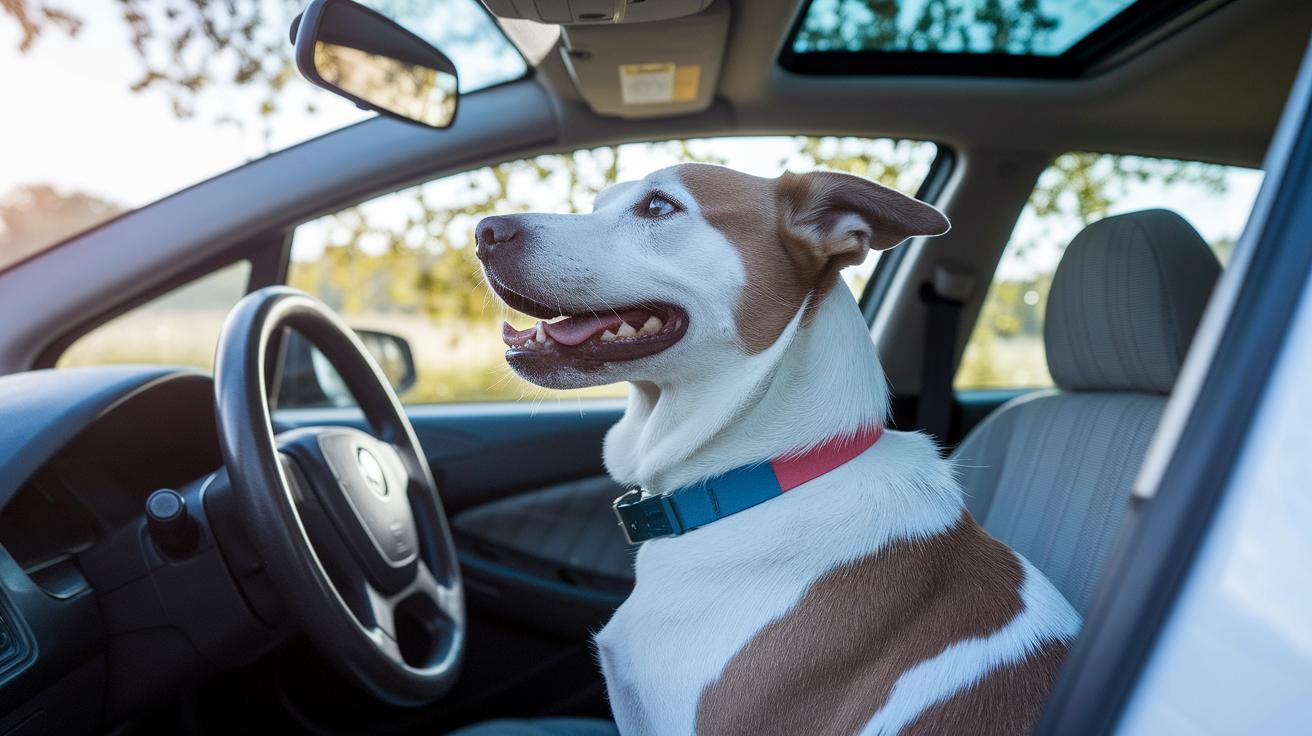
When you’re planning a journey with your furry friend, there are plenty of choices beyond the usual air cargo. Imagine a professional ground transport taking your pet on a safe, controlled ride, even if it involves a few stops along the way. Or consider a road trip in your own car, where you can pause for belly rubs and snacks, even if it means a bit more driving and extra fuel costs. Some train services offer a steady climate and smooth ride that can feel just like a gentle cuddle, while two-way pet shipping marketplaces help you balance budget and travel time. And if you’d like extra reassurance, flight nanny services provide door-to-door support and in-transit updates, so you know your pet is in good hands.
When it comes to choosing the best option, think about your pet’s comfort and energy levels. If your dog gets anxious in small, enclosed spaces or needs a little extra room to feel at ease, ground or road travel might be the friendlier bet. But if time and convenience are key, a flight nanny service could give you that added layer of care and oversight. Every pet is different, and it’s all about finding the best fit to keep your companion calm, happy, and well-loved throughout the trip.
Final Words
In the action, this post breaks down which airlines allow dogs in cargo along with handy details on documentation, crate standards, booking steps, and safety measures. It highlights Hawaiian Airlines, Alaska Airlines, and American Airlines, while noting other major carriers restrict general pet cargo.
Each section offers pet care insights designed to help you make informed decisions about your furry friend’s travel. Every detail adds up to a smoother, safer ride for your pet. Enjoy planning your next trip with confidence!
FAQ
Which airlines allow dogs in cargo (domestic or international)?
The airlines that allow dogs in cargo include Hawaiian Airlines and Alaska Airlines for general pet transport, while American Airlines offers cargo only for military or official State Department orders.
What is American Airlines’ pet cargo policy?
American Airlines’ pet cargo policy covers only active military or State Department personnel on official orders, which means they do not provide cargo services for regular pet travel.
Does Delta Airlines allow dogs in cargo and what are the costs?
Delta Airlines restricts pet cargo to service animals or military/diplomatic cases and does not offer standard cargo options or published costs for transporting dogs.
Which airline is the cheapest option for shipping a dog by cargo?
The cheapest option is often Alaska Airlines, charging a standard fee (with discounts for active military) compared to Hawaiian Airlines, which varies from $60 to $225 depending on the route.
What do United Airlines and other major carriers’ pet policies cover?
United Airlines, Southwest, and Frontier restrict pet cargo to service animals or specific exemptions, as they do not permit general pet cargo shipments for regular pet travelers.
Are there airlines that allow large dogs in the cabin?
Some airlines permit large dogs in the cabin provided they meet the specific size and weight restrictions, but these policies apply only to in-cabin travel and are separate from cargo rules.
How much does it typically cost to fly a dog in cargo?
Flying a dog in cargo costs vary by carrier; for instance, Hawaiian Airlines charges between $60 and $225 one-way depending on the route, while other carriers do not offer standard pet cargo for regular travelers.