


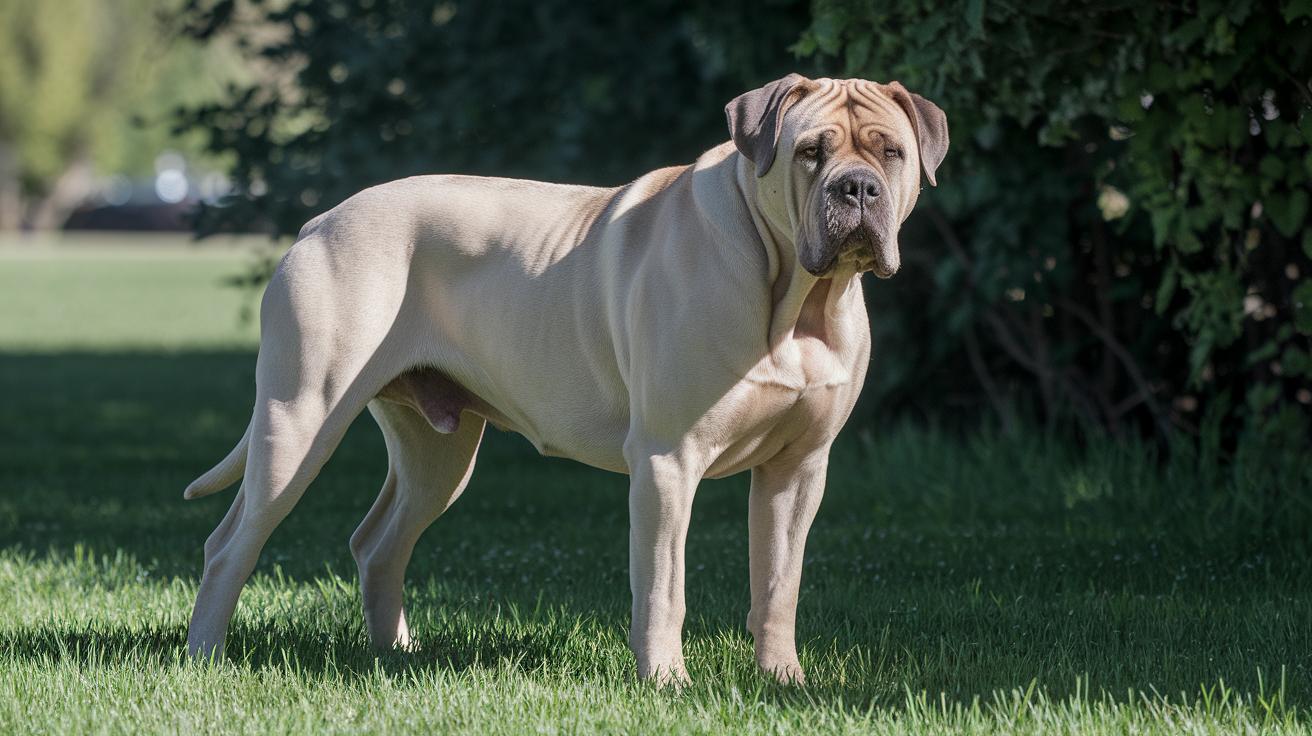
Have you ever noticed how some dogs seem to have a bite that truly makes you pause? In this post, we're counting down the top 10 breeds known for their powerful jaws. We pair real bite force numbers with stories from each breed’s tough background to show why these pups need a firm, steady hand when it comes to training.
Each breed brings its own special story and strength to the table. You might imagine the deep, steady sound of a heartbeat or the determined growl that tells a story all its own. Get ready to explore the raw side of canine power as we take a friendly, up-close look at what makes these dogs respected and, yes, sometimes a little intimidating.
So, buckle up and join us on this exciting journey into the world of powerful canines!
Ranking the 10 Most Dangerous Dog Breeds
This list is put together using bite force numbers, injury and fatality records, and the roles these dogs have played over the years. It highlights each breed for its sheer physical strength and the extra caution they need when not properly trained or socialized.
1. Pit Bull-type Dogs
These energetic pups show up in more than half of all fatal bite cases. Their past in dog fighting has pushed their aggressive side, making it super important for owners to invest in solid training and close supervision.
2. Rottweilers
Rottweilers come in next, noted for their powerful build and instinct to guard. Their strength can be both a blessing and a risk, so ensuring they receive firm training and plenty of social time is key.
3. German Shepherd Dogs
Known for their 238 PSI bite force and trusty roles in police and military work, German Shepherds are smart and strong. They really need the right discipline to keep their natural protectiveness from tipping into danger.
4. Doberman Pinschers
Dobermans pack a bite of about 245 PSI and frequently make headlines in attack reports when they aren’t well socialized. Their sleek look might fool you, but under that charm lurks a capability for serious harm if their defensive side is triggered.
5. Kangal
The Kangal shines with the highest bite force, 743 PSI! As a true livestock guardian, its power is immense. Owners with real experience must guide them carefully so that their protective instincts stay safe and controlled.
6. Boerboel
Boerboels, weighing in around 552 PSI, were bred to stand guard with a commanding presence. Their robust strength means that proper, disciplined training is essential to help manage their natural guarding nature.
7. Cane Corso
With centuries of history in property guarding and hunting, the Cane Corso has a strong bite and protective drive. Early socialization is a must for these dogs to ensure they remain friendly with family members.
8. American XL Bully Dog
The unique skull structure of the American XL Bully boosts its bite power, leading to bans in some places after human attacks. Their tough nature means that expert guidance and structured training really count.
9. Presa Canario
Originally developed for cattle driving and guarding, Presa Canarios are big, imposing, and fiercely protective. They need owners who know how to manage them, ensuring that thorough training and socialization take center stage.
10. Chow Chow
Chow Chows might look like cuddly bears with their ancient, spitz-like appearance, but they often pop up in bite injury records because of their territorial behavior. Early and steady socialization is crucial to help balance their instincts.
Remember, every dog is unique. No matter the breed, proper training and calm, consistent leadership can make all the difference in keeping our furry friends safe and happy.
Criteria for Classifying a Dog Breed as Dangerous

Dogs have been bred by people for many years, and they still carry a little bit of their wild wolf past. When we say a dog is dangerous, it really depends on a few important things. These pointers help explain why some breeds might be more likely to bite. For instance, the CDC notes that there are about 4.5 million dog-bite cases in the United States each year, and sadly, roughly 43 of those end in death. By checking out a dog’s body, behavior, and the job it was originally bred for, experts can get a better idea of how risky it might be.
• Physical size: Bigger dogs have more muscle and can look a lot more imposing.
• Innate temperament: A dog’s natural behavior plays a huge role in how it reacts to the world around it.
• Bite force (PSI): Knowing that a Kangal has a bite force of 743 PSI or a Doberman about 245 PSI gives us clues about the potential damage.
• Historical roles: Dogs bred for hunting, guarding, or herding might have built-in protective or even predatory instincts.
| Metric | Description |
|---|---|
| Size | The dog’s overall build and muscle strength. |
| Temperament | Its natural behavior and how it generally reacts to things. |
| Bite Force | The power behind a dog’s bite, with examples like the Kangal at 743 PSI. |
| Historical Role | The original purpose for which the breed was developed, like hunting or guarding. |
All in all, these factors tie right back to real-life bite-risk data. Sure, size and bite force are important, but a dog’s temperament and the role it was bred for are equally key in understanding and predicting dangerous behavior.
Dog Bite Force Measurements and Danger Potential
PSI stands for pounds per square inch, a simple way to measure how strong a dog's bite can be. It shows us the force behind a bite, which helps us understand how dangerous an attack might get. For instance, while a typical human bite is around 120 PSI, some dog breeds can easily pack several times that force. Keep in mind, though, that a dog’s training and surroundings play a big role in how it behaves.
| Breed | Bite Force (PSI) |
|---|---|
| Kangal | 743 |
| Boerboel | 552 |
| American XL Bully Dog | Elevated PSI |
| Doberman Pinscher | 245 |
| German Shepherd Dog | 238 |
So, a higher PSI means that when a bite is delivered, the damage can really be severe. But, bite force is just one piece of the puzzle. A dog's behavior, social skills, and proper training are equally important factors that can either lessen or increase the risks of a powerful bite.
Training, Socialization, and Aggression Mitigation in Dangerous Dog Breeds

Where your dog grows up really shapes who they become. Research tells us that a pup’s surroundings matter more than its genes or size. Even dogs with a tough reputation can be loving companions when they get the right care from the start.
- Early socialization
- Structured obedience training
- Consistent, calm leadership
- Daily physical exercise
- Mental enrichment games
Long-term behavior is all about looking after both your dog’s feelings and body. When you stick to a friendly routine and share lots of positive moments, your furry friend learns where they fit in. And every bit of regular training and gentle structure helps guide them to channel their energy in calm, safe ways. Have you ever noticed how a wagging tail can say so much? It’s these daily moments of care that build a warm bond, making even the most misunderstood breeds feel secure and loved.
Debunking Myths About "Dangerous" Dog Breeds
A lot of us assume that a dog's breed alone decides if it’s aggressive, but it’s really much more than that. Every pup has a sprinkle of natural instincts, kind of like a little spark, but those instincts only turn into risky behavior when mixed with certain surroundings.
Even dogs known for their powerful bite won’t suddenly become aggressive if they’re cared for with warmth and proper guidance. In truth, every dog is different, even within the same breed, and sometimes reports about bites can get a bit jumbled, making myths seem like facts.
| Myth | Fact |
|---|---|
| All Pit Bulls are vicious. | Many Pit Bulls, when raised with love and the right socialization, turn out to be gentle and kind companions. |
| Small dogs are harmless. | Even little dogs can really hurt if they aren’t properly socialized and managed. |
| A breed’s reputation solely determines behavior. | A dog’s true personality is shaped by training, its environment, and its unique character. |
At the end of the day, the real risk comes from a mix of different factors, not just the breed alone. Remember, just like us, every dog is a blend of nature and nurture.
Safety Measures for Owners of Dangerous Dog Breeds

Taking care of a dog that some say is high-risk means more than just teaching tricks. It’s about knowing the rules that protect your furry friend and your neighbors. When you follow local laws and set up extra safety tips, you show you care about everyone’s well-being.
Here are some friendly pointers:
- Make sure you follow local breed registration rules.
- Consider getting liability insurance for those unexpected moments.
- Invest in secure fencing or locking devices to keep your pup safely contained.
- Keep a simple log of your dog’s behavior and any ways you’re gently guiding improvements.
- Create a clear emergency plan that includes who to call right away.
These steps not only build a strong base for taking care of your pet, but they also help stop small issues from turning into big problems. Imagine writing down a note like, "Today, my dog jumped at a loud noise." That little record can be a big help when you ask a professional for advice later.
By keeping up with these practices, you protect your best friend and give your community peace of mind. It’s all about being a responsible pet parent and making sure your dog is a safe, happy companion.
Final Words
In the action, the post walked us through ranking the top 10 dog breeds dangerous based on bite force, temperament, and historical roles. It broke down data on breeds like Pit Bulls, Rottweilers, and others, along with clear bite-force comparisons and a look at training’s effect on behavior.
It also addressed common myths and highlighted practical safety measures. Each section reminded us that responsible care shapes a dog's actions. Here's to informed choices and a harmonious pet-loving life!
FAQ
Q: What are considered the most dangerous or aggressive dog breeds to humans?
A: The term “most dangerous dog breeds” often includes Pit Bull-type dogs, Rottweilers, and German Shepherds. These examples show that behavior, training, and environment shape a dog’s risk level more than breed alone.
Q: What is the #1 most aggressive dog breed?
A: The idea of one breed being the most aggressive usually points to Pit Bull-type dogs, which have high fatality statistics. Still, individual temperament and upbringing play a crucial role in a dog’s behavior.
Q: What is considered the safest breed of dog?
A: The safest breed depends more on temperament and proper socialization than on breed alone. Generally, gentle breeds like Labrador Retrievers are often seen as safe when raised in a loving, structured environment.
Q: Which dog breed has the most attacks in the US?
A: Data often suggests that Pit Bull-type dogs lead the statistics for attacks in the US. However, factors such as owner behavior, socialization, and training are major contributors alongside breed characteristics.
Q: What are the top 10 dangerous dog names?
A: Although some lists mention “dangerous dog names,” a dog’s name has no influence on its behavior. A dog’s actions depend on genetics, upbringing, and the care and guidance it receives.