


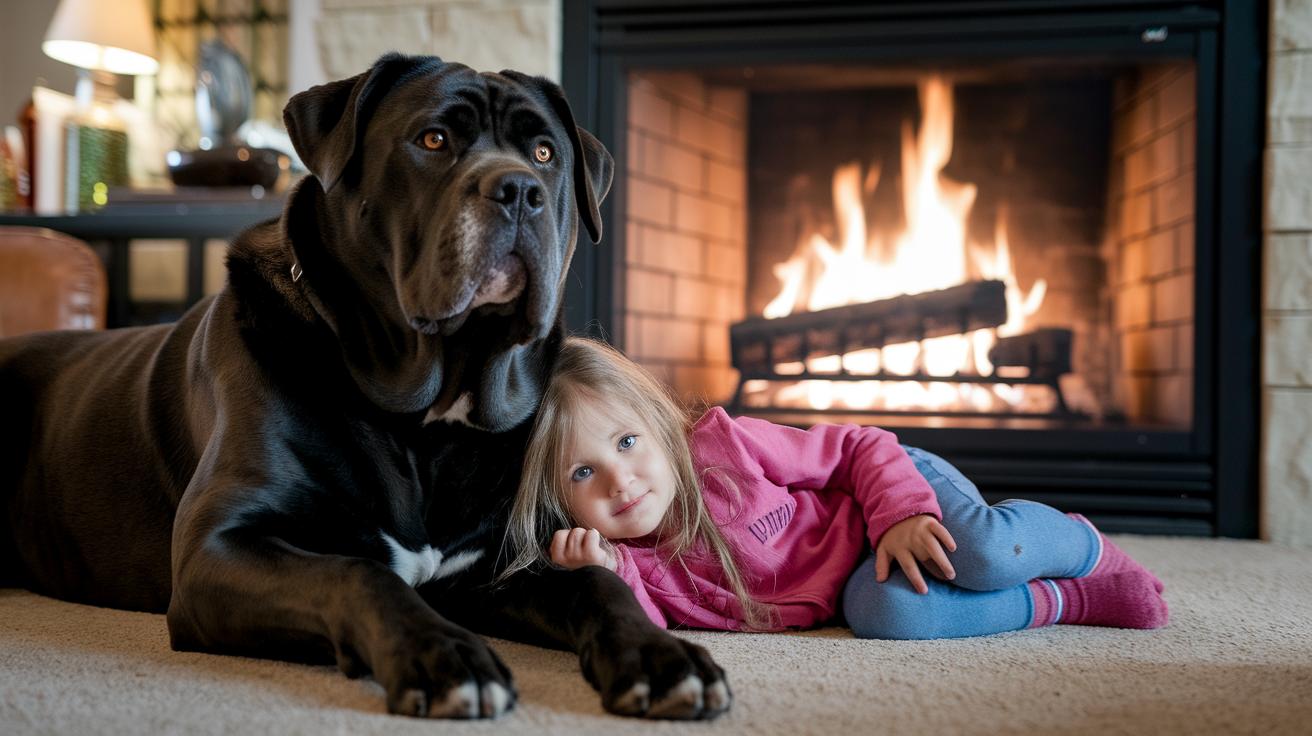
Have you ever pictured a big dog as the perfect fit for your lively home? Big pups like Labrador Retrievers and Golden Retrievers aren’t just playful buddies, they wrap your family in warmth, offer a sense of security, and add that joyful sparkle to every day.
In this guide, we're excited to share some of our favorite family-friendly large dog breeds. These gentle giants are ready to join you on fun walks in the park, cozy evenings on the couch, and spontaneous backyard adventures.
So, why not consider welcoming one of these loving companions into your life? They might just be the perfect addition to make your family moments even more special.
Top Large Dog Breeds for Family Homes
Labrador Retrievers and Golden Retrievers top the list for many family homes. These friendly, energetic pups love to join in on playtime and outdoor adventures, and they’re super gentle with kids. Just picture a Golden Retriever barging in, tail wagging, ready for a sunny afternoon game of fetch.
German Shepherds are another fantastic choice. Known for their smarts and devotion, they quickly become both a loyal friend and a reliable protector for your little ones. Their quick adaptability to family routines makes them a trusted companion in any busy household.
Then there are breeds like Bernese Mountain Dogs, Boxers, Alaskan Malamutes, Great Danes, and Rottweilers, all part of the Working group. Each one offers a unique mix of strength and calm. For instance, a playful Boxer might steal the show with its goofy antics, while a gentle giant like the Great Dane is a comforting presence for kids. Imagine a Bernese Mountain Dog quietly enjoying a relaxing evening by your family’s side, it’s a picture of pure contentment.
Goldendoodles, a lovely hybrid, offer a fun blend of charm and practicality with their low-shedding coats and friendly demeanor. They mix the sweet nature of retrievers with the smarts of poodles, making them perfect for families. And don’t forget the Basset Hounds, those adorable pups with droopy ears, who bring a sense of calm and gentle humor wherever they go.
Every one of these big family dogs thrives on good training and plenty of socialization. Teaching your kids how to interact kindly with these gentle giants not only keeps everyone safe but helps create a warm, loving home where both pets and people feel secure.
Understanding Temperament in Family-Friendly Giant Dogs

When you’re thinking about welcoming a large dog into your family, it helps to know that each breed comes with its own personality. Take Akitas, for example. These big, gentle dogs are super devoted once they trust you, but they really need early socialization to shine in a family setting.
Then there are Saint Bernards. They’re like a cozy, calming presence in a busy home, especially one with kids. Their laid-back attitude makes them perfect for families who want a pet that’s both big and kind. Bloodhounds, on the other hand, are relaxed and friendly. Their natural talent for following scents and their even temperament makes them great choices for families who want a reliable, easy-going companion.
Siberian Huskies tend to be full of energy and chatty, so they need lots of playtime and clear rules, which might not be for every home. And then there are Collies, known for their smarts and loyalty. They fit right in with kids, offering gentle companionship and a loving spirit.
Imagine a calm, caring giant dog quietly watching your kids dive into imaginative play. That’s the beauty of matching the right temperament with your family’s lifestyle, every moment becomes a warm, fulfilling experience.
Exercise and Space Needs for Large Family Dogs
When you have a big, energetic dog, you quickly learn they need plenty of room to run and play. Imagine a Siberian Husky joyfully bounding around in a sunny backyard, or a Bloodhound happily exploring a wide-open park while following tempting scents. These dogs are naturally active, and giving them enough time outdoors isn’t just about exercise, it’s about keeping them happy and relaxed at home too.
Each breed has its own fun way to burn off energy. For instance, Siberian Huskies really benefit from at least two hours a day of lively play. Bloodhounds, with their keen noses, thrive in areas where they can safely roam and track scents. Belgian Tervurens get a boost when you mix in some puzzle games or agility exercises that challenge their curious minds. German Shorthaired Pointers are perfectionists when it comes to endurance, so they love long hikes or walks. And don’t forget the Afghan Hounds, they relish regular, brisk runs that help keep them fit and cheerful.
Here’s a quick rundown of what these active breeds need:
| Breed | Exercise Need |
|---|---|
| Siberian Huskies | About 2 hours of energetic play daily |
| Bloodhounds | Large, open spaces for scent tracking |
| Belgian Tervurens | Agility games and puzzle activities |
| German Shorthaired Pointers | Endurance activities like long hikes |
| Afghan Hounds | Regular, brisk runs |
Regular outdoor play does more than just strengthen muscles, it deepens the special bond between you and your pet. Have you ever noticed how a tired, contented dog seems to smile? These fun activities not only fit their need for space but also keep your furry friend balanced and joyful every day.
Grooming and Maintenance for Large Canine Companions

Large dogs come in different shapes and coats, which means each one needs its own special care routine. Take Bernese Mountain Dogs, for example, they shed a lot, so a good brushing session now and then not only keeps their coat healthy but also helps tidy up your home. It’s a little like giving your furry friend a mini spa day.
Komondors are a whole different ballgame. Their unique, corded coats need extra attention, imagine gently working through a knotted, cozy scarf on a cool afternoon to keep everything neat and free from dirt. And then there are Goldendoodles. Even though their fur is great for folks with allergies, these pups still need regular trims to prevent mats and maintain that fresh look.
Basset Hounds, with their droopy ears, really benefit from frequent ear cleaning since moisture and wax can build up there. A quick wipe can make a big difference! Afghan Hounds sport long, silky coats that bloom with daily brushing, think of it like carefully combing through soft, flowing hair. For Chow Chows, a weekly combing is just enough to keep their fur looking tidy and well cared for.
Here are some top tips for keeping your large canine companion looking and feeling great:
- Brush regularly, adjusting the routine to suit your dog’s unique coat.
- Plan for scheduled trims or check in with a professional groomer when needed.
- Keep up with routine ear cleanings and make sure you have the right tools for coat care.
Pros and Cons of Popular Family Giant Dog Breeds
Picking a giant dog for your family is like setting out on a warm, exciting adventure. These big, lovable pals bring both lots of loyalty and some quirks you might want to think about. For instance, Saint Bernards are super calm and patient, perfect for cuddles, even though their drool and shedding might have you reaching for extra towels. And while Alaskan Malamutes greet you with heaps of affection, they can sometimes be a bit too headstrong for your liking.
Below is an HTML table that lays out five of these popular giant breeds with their best traits and little challenges. This friendly guide helps you see both the heartwarming qualities and the extra care each might need so you can find the perfect big buddy to fit your family's lifestyle.
| Breed | Key Pros | Key Cons |
|---|---|---|
| Saint Bernard | Calm and patient personality | Prone to drooling and heavy shedding |
| Alaskan Malamute | Affectionate and resilient | Can be stubborn and independent |
| Boxer | Playful and energetic companion | May be headstrong and boisterous |
| Great Dane | Gentle giant with an even temperament | Susceptible to various health issues |
| Labrador Retriever | Friendly and adaptable family pet | Requires high amounts of exercise |
Each of these big, friendly giants brings a unique mix of charm and quirks to the table. Matching their traits with your family's lifestyle can create a balanced, loving home where everyone, especially your new furry friend, feels right at home.
Choosing the Right Large Breed for Your Family Lifestyle

Before you decide on a large breed for your family, take a moment to think about the space you have at home. If your living area is on the smaller side, a laid-back, adaptable dog might be a better fit than one that’s built for open spaces. Imagine a family that loves quiet evenings inside, a gentle giant that enjoys snuggly moments could be just perfect.
Next, consider how active your family is and the ages of your children. Young kids often do well with playful and tolerant dogs that can keep up with their energy. But if your little ones tend to be a bit rambunctious, breeds known for their independent nature, like Akitas, Chow Chows, or Huskies, might not be ideal. Picture a dog patiently sitting by while children learn to treat pets with kindness, it really makes everyday interactions smoother.
Also, think about the grooming and care each breed may need. Some dogs have coats that demand lots of attention, and if your family is always busy, picking a breed with minimal grooming needs can be a real time-saver. It’s a bit like planning a fun family outing, you want everything to fit nicely into your schedule.
Here are a few friendly tips to help you match your lifestyle with the right dog:
- Check out how much room you have inside and out.
- Reflect on your family’s daily routine and energy levels.
- Consider the amount of grooming and training time you can realistically commit.
Remember, every dog is unique. Proper socialization and teaching them to behave respectfully are key to making sure your new big companion fits right in with your family’s way of life.
Training Essentials for Large Family Dogs
If you have a big, lovable dog at home, starting training early and keeping it consistent can make all the difference. When you offer warm praise and tasty treats as rewards, your furry friend quickly learns that good behavior is something to celebrate. Using simple, clear commands helps your dog know exactly what’s expected, kinda like talking in a language both of you understand. And, you know, crate training not only creates a cozy nook for your pet but also helps set a gentle structure to their day. Puppy classes are a fun way to build up proper manners while letting your dog socialize with other pups. Plus, fun games that challenge their mind can turn training into a delightful, playful session.
Here are five tried-and-true training tips:
- Rely on positive reinforcement with rewards.
- Stick with clear commands to build a solid foundation.
- Use crate training to create a secure, stable space.
- Join puppy classes for improved social skills.
- Add mental games that engage and challenge your pet’s clever mind.
A sample weekly plan might look like this:
- Monday: Spend short, joyful moments focusing on positive reinforcement during playtime.
- Tuesday: Work on crate training by gradually increasing the cozy time your dog spends inside.
- Wednesday: Head to a puppy class where group play and social skills shine.
- Thursday: Practice clear commands during regular routines like mealtime and walks.
- Friday: Enjoy puzzle toys and mental games to spark some brain fun.
- Saturday: Mix in outdoor walks with some basic obedience training.
- Sunday: Enjoy light, relaxed sessions to reinforce all the awesome skills learned during the week.
Regular practice with these friendly training tips will help your big family dog become a well-behaved and truly happy companion.
Final Words
In the action, we explored top family-friendly canines, looked at their temperaments, daily exercise needs, grooming routines, and weighed pros against cons. We also touched on how to pick the perfect match for your home and shared simple training tips. This chat aims to give you a quick peek at what matters most when choosing large dog breeds for families, leaving you with smiles and practical ideas for a happier pet life. Enjoy your time with your furry family member!
FAQ
What are some large dog breeds suitable for families?
Large family-friendly dogs include breeds like Labrador Retrievers, Golden Retrievers, and Bernese Mountain Dogs. These breeds are often shown in lists with pictures and names, helping pet parents choose a great big companion for their home.
Which breeds rank among the 20 largest, and which is the biggest dog in the world?
Among the largest breeds, you’ll find English Mastiffs, Irish Wolfhounds, and Great Danes. The English Mastiff is often noted as one of the biggest dogs in the world, offering impressive size with a gentle side.
What is the best big dog for families when considering friendliness and gentleness?
The best big dog for a family combines a friendly nature with a gentle temperament. Breeds like St. Bernards and Bernese Mountain Dogs are celebrated for their calm, patient attitudes, making them ideal for homes with kids.
How do breeds like Great Dane, St. Bernard, and Cane Corso fit into family life?
Great Dane, St. Bernard, and Cane Corso are popular family choices because they often exhibit loyal, protective, and calm behaviors. Their size impresses while their nature ensures a respectful bond with family members.
How can families choose the right large breed based on their lifestyle?
Families are encouraged to match a dog’s energy, space needs, grooming demands, and temperament with their home environment and daily routines. This careful self-assessment helps ensure a harmonious togetherness with a new large companion.