

Have you ever seen a small dog with a lion’s heart? The pinscher might just change your mind. This little breed started out in Germany, where they guarded farms and shooed away rodents with quick, nimble moves. Their playful, bold nature and surprising strength make you think twice about their size. Whether you’re drawn to the energetic German pinscher or the lively Miniature version, one thing is clear: they fill any home with endless love and spirit. Stick around to find out why the pinscher is such a lovable little hero in a tiny body.
Overview of the Pinscher Dog Breed
German Pinschers come from Germany, where they were originally raised to guard farms and hunt pesky rodents. These dogs are strong and full of energy, so they need plenty of daily walks, fun playtimes, and little mental puzzles to keep them happy. Miniature Pinschers, often called the "king of toy breeds," pack a big personality into a tiny body – usually around 10 to 12.5 inches tall and weighing about 11 pounds. Both types are quick on their feet and need a bit of extra care to keep their lively spirit and overall health in check.
German and Miniature Pinschers differ when it comes to size and exercise. German Pinschers are larger and built for longer outdoor adventures, making them great buddies for long play sessions in open spaces. On the other hand, Miniature Pinschers enjoy lively bursts of activity indoors or in the neighborhood, thriving on shorter, more frequent walks. Their small size not only affects how much food they need but also the kind of play and interaction that suits them best.
Both breeds are known for being confident, bold, and a bit independent. They love to bond with their families and do best in active homes where their owners keep up with regular training and plenty of fun activities. If you're someone who enjoys taking your pet for a run or a stroll and playing interactive games, then a Pinscher might just be the perfect furry friend for you.
History of the Pinscher Dog Breed

In the 17th to 19th centuries, Pinschers were busy little guardians on farms and expert rat catchers. These determined pups, known for their keen senses and bravery, were tasked with keeping homes safe and rats at bay. Picture a small dog standing alert by a barn, ready to protect its family, a real farm hero!
These early days really shaped the lively spirit of the breed. Families on farms depended on these compact yet daring dogs to spring into action when needed. Their knack for chasing pesky critters and warning everyone about danger defined the traits we still see in them today.
By the 20th century, the situation grew tougher for the German Pinscher during the hardships of the World Wars. A dedicated admirer stepped up, carefully breeding the remaining dogs to breathe new life into the breed. Thanks to these heartfelt efforts, the breed not only bounced back in numbers but also reclaimed its proud reputation.
At the same time, the Miniature Pinscher started to shine with its own unique charm. Likely born from a blend of early German Pinschers and European toy dogs in the 19th century, this pint-sized companion quickly won hearts with its brave and confident personality. This exciting era of preservation helped lay the foundation for the wonderful and varied Pinschers we love today.
Physical Attributes of the Pinscher Dog
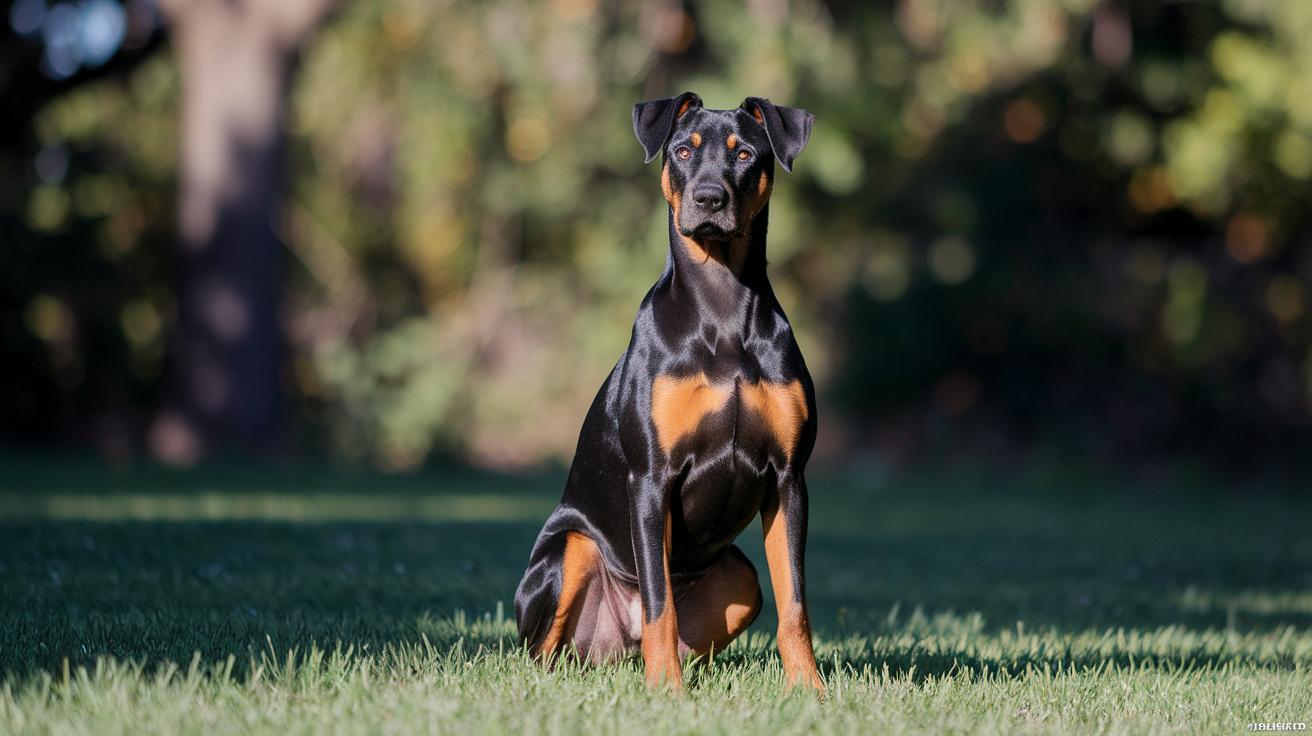
Pinscher dogs have a sturdy, muscular build that really stands out. They’re known for their wedge-shaped heads, pointed ears, and tails trimmed short. Picture a dog that’s both strong and full of energy, whether it’s the German Pinscher with its robust frame built for active adventures, or the Miniature Pinscher, which brings a burst of liveliness in a smaller package.
Each type balances agility with power, making them great companions for playful walks and fun activities. I’ve always loved watching a Miniature Pinscher dart around like it’s full of endless joy, while a German Pinscher exudes calm confidence with every step.
| Variation | Height | Weight | Coat Features |
|---|---|---|---|
| German Pinscher | 17–20 inches | 25–45 lb | Short, dense coat in solid colors |
| Miniature Pinscher | 10–12.5 inches | Up to 11 lb | Smooth, glossy coat with moderate shedding |
Both variations sport distinct colors that meet the breed’s standards. German Pinschers usually shine in solid, bold hues, while Miniature Pinschers show off their sleek, shiny coats. Have you ever noticed how a wagging tail can say so much more than words? That’s the charm of these amazing Pinschers, making them perfect companions for pet lovers everywhere.
Temperament Traits of the Pinscher Dog

Pinschers light up every room with their bold and playful spirit. They mix a strong, independent nature with a warm friendliness that wins over everyone. You can almost see them listening intently, quick to spot any little change around the house. Their watchful eyes and brave demeanor make them natural watchdogs, always ready to let you know if something seems off.
Starting socialization and consistent training early on really helps these pups shine. When they meet new people and explore fresh environments, they learn to balance their independent streak with a loving bond to their family. Fun, engaging training sessions help channel their energy and brighten everyday life.
- Intelligence
- Independence
- Confidence
- Alertness
- Affection
- Vocal nature
Active pet owners will find that these traits are a perfect match for an energetic lifestyle. Pinschers thrive on routine, playful interaction, and clear guidance. And really, their ability to pick up new tricks and commands quickly makes them great companions for families who love outdoor adventures and interactive training sessions.
Exercise Guidelines for Active Pinscher Dogs
Every Pinscher seems built for action, and they simply love to be on the move. They light up when they get to run, play, or figure out a little puzzle that tickles their brains. Picture yourself enjoying a brisk walk or a game of fetch, each step and toss not only keeps them fit but also fills your time together with joy.
German Pinschers really thrive on a regular daily stroll, usually lasting between 30 and 60 minutes. They also enjoy playful games and brain teasers that keep their little minds sharp. For the Miniature Pinschers, a shorter neighborhood walk, about 15 to 20 minutes, combined with some indoor games or a fun puzzle toy is just perfect for their lively personality. Activities like agility courses, fetch games, or scent challenges turn exercise into an exciting adventure they eagerly look forward to.
Maintaining a steady daily routine is key. When your Pinscher gets a healthy mix of walks, playful activities, and mental challenges each day, they’re less likely to develop habits like chewing everything in sight or excessive barking. It’s much like planning little daily adventures that boost their physical fitness and keep them calm and content.
Nutrition and Diet Recommendations for Pinscher Dogs

When it comes to feeding your little Pinscher pup, especially those under one year old, they do best with four small meals spread throughout the day. It’s like giving them mini power-ups! Meanwhile, adult and senior Pinschers usually feel happiest with two to three meals daily.
A balanced meal made with high-quality kibble and healthy whole grains, such as brown rice and barley, gives these spirited pups the nutrients and steady energy they need. Picture a little Pinscher happily munching away, each bite packed with nourishment that fuels its brave, playful spirit. This steady meal routine not only helps them grow strong but also keeps their tummies comfortable.
Tools like slow feeder bowls are great for slowing down fast eaters, preventing gulping, and helping your dog stay at a healthy weight. It’s smart to stick with AAFCO-approved diets so every meal meets trusted nutritional guidelines. And remember, if you ever think about adding supplements, have a chat with your veterinarian first.
Measuring meals to match your dog’s weight, health, and activity ensures your Pinscher stays energetic and thriving every single day. Enjoy those meal times as a chance to bond and see your pup light up with joy!
Grooming Techniques for Pinscher Dogs
Your Pinscher has a smooth, short coat that really shines when you give it a little regular love. Imagine treating them to a mini spa session every 6 to 8 weeks with a gentle dog shampoo, it helps keep their coat clean, curbing the moderate shedding, and adds a touch of freshness that feels just like a breezy day at the park.
Brushing your furry friend every week makes a big difference too. A good brushing not only collects loose hair but also spreads natural oils that keep your dog’s coat looking soft and healthy. It’s kind of like giving your pet a quick, enjoyable makeover that brightens their day!
Don’t forget about the ears, eyes, and teeth, they need care just like we do. Wipe your Pinscher’s ears with a damp cloth or a vet-approved cleaner once a week to help prevent infections. A gentle dab around the eyes clears away any buildup that might cause irritation. And while you're at it, brushing their teeth or tossing in a tasty dental chew can help keep their smile bright. Have you ever noticed how a clean lick makes them extra cheerful?
Then there are the paws. Clip your dog’s nails every 3 to 4 weeks to keep them comfy and safe. Use small, trusty nail clippers and take your time so you don’t nip the sensitive skin. Little check-ins for any signs of redness or discomfort make sure grooming stays a happy, easy process for your Pinscher.
Common Health Issues in Pinscher Dogs

Taking care of your Pinscher means regular visits to the vet. Routine check-ups can help catch little issues before they turn into big problems. It’s a simple way to look out for concerns like hip dysplasia, progressive retinal atrophy (a slow loss of vision), and Von Willebrand disease (a blood clotting disorder). This hands-on approach keeps your dog’s energy high and any underlying troubles in check.
| Condition | Description | Recommended Action |
|---|---|---|
| Hip Dysplasia | Joint wear that can lead to pain and mobility issues | Weight control and possible surgery |
| Progressive Retinal Atrophy | Gradual vision loss over time | Annual ophthalmology exams |
| Von Willebrand Disease | Inherited clotting disorder affecting blood clotting | DNA testing for accurate diagnosis |
| Patellar Luxation & Legg-Calvé-Perthes | Knee/hip problems seen in Miniature Pinschers | Monitor symptoms; surgery if needed |
| Epilepsy | Seizure disorder resulting in bouts of collapsing | Management with anticonvulsant medications |
Keeping up with your dog’s care also means watching for any changes in how they move or behave. If you spot a limp, notice odd eye discharge, or see a shift in their energy, it’s a good idea to check in with your vet. Regular check-ups, especially for their eyes and joints, along with keeping them at a healthy weight, go a long way. This steady care helps ensure your Pinscher stays playful and happy for many fun-filled years ahead.
Adoption Tips for Prospective Pinscher Dog Owners
If you’re on the hunt for a lovely Pinscher, start by finding well-regarded breeders who do thorough health checks, think hip, eye, and blood tests, to make sure your new furry friend is in tip-top shape. And don’t forget about breed-specific rescue groups; these caring organizations often have dogs who’ve been pampered and are just waiting for a forever home. It’s a good idea to ask about the pup’s family history too, so you know you’re bringing home a well-socialized and healthy companion.
Before your new friend arrives, take a little time to prep your home. Ensure your yard is safely fenced and clear away any small objects or potential hazards that might catch a curious nose. Stock up on must-have supplies, a cozy bed, food and water bowls, and some fun toys to keep your Pinscher engaged. Setting up a safe, welcoming space right from the start can really help ease your pup into their new life with you.
Pinscher Dog: Lovable Breed with Bold Spirit

Have you ever noticed how Pinschers and Dobermans stand apart in their size and build? German Pinschers usually clock in at about 17 to 20 inches tall and weigh between 25 to 45 pounds. They have a cute, compact, and muscular body with a shorter snout that gives them a determined look. Meanwhile, Dobermans are a bit larger, standing roughly 24 to 28 inches tall and tipping the scales at 60 to 100 pounds. They sport a leaner figure and a longer snout. Because of these differences, Pinschers can be perfect for smaller homes or apartments where space is cozy and comfy.
Pinschers are known for their dense coats and a personality that’s as bold as it is independent. They love a bit of freedom and enjoy playful training sessions that aren’t too strict. Dobermans, which were bred for more structured work, usually shine in advanced obedience training thanks to clear, consistent routines. Both breeds burst with energy and need plenty of exercise, so think about your lifestyle and training style before deciding. After all, your true bond with your pet is what makes every moment special.
Final Words
In the action, this post mapped out the pinscher dog's lively history, key physical features, temperament, exercise routines, nutrition tips, grooming guidelines, and health insights.
It also offered tips for adoption and a brief look at how they compare with similar breeds. The rundown shows how both German and Miniature Pinschers can fit perfectly into active, caring households. Embracing each step makes pet care feel truly rewarding. Enjoy every moment with your pinscher dog!