


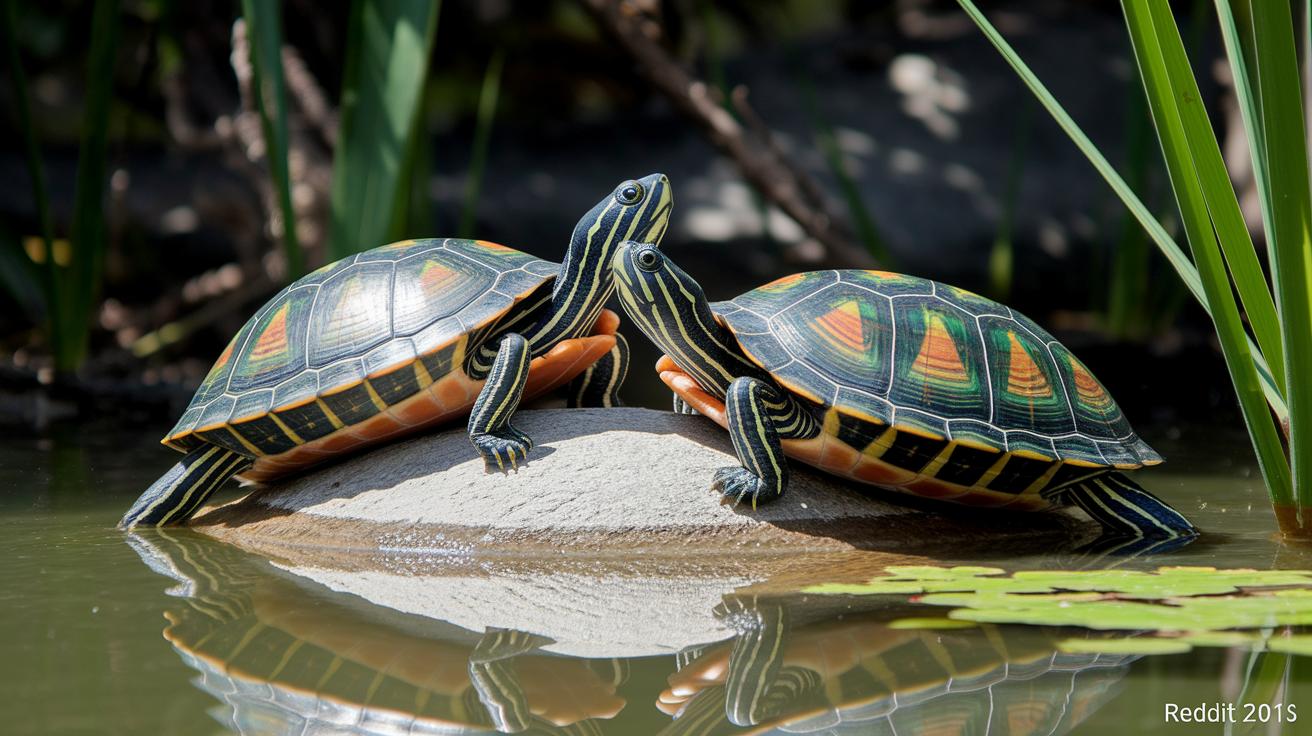
Have you ever stopped to think about what makes pet turtles so special? Each kind has its own little personality and needs, some love splashing in water, while others prefer a dry, cozy spot to explore. In this piece, we’ll chat about different turtle types, share some fun facts, and give you easy tips on how to care for them no matter your lifestyle. Whether you’re just starting out with a turtle or you’re already a devoted fan, you're sure to find a perfect companion to make your home feel even brighter.
Overview of Top Pet Turtle Breeds
If you’re thinking about welcoming a pet turtle into your family, you’re in for an adventure full of charm and variety. There are turtles that love to glide through water and others that prefer exploring on land, each with its own unique needs that make every day interesting. Taking time to research helps you find a friendly turtle that fits perfectly with your lifestyle.
Some breeds are great for first-time pet owners, while others might be better for someone with more experience. It all comes down to finding the right balance between tank size, diet, and habitat. Let’s break it down:
- Red-Eared Slider: These semi-aquatic turtles grow to about 8–12 inches long and can live for over 30 years. They need a tank of 75–100 gallons that offers plenty of space to swim as well as a cozy basking spot.
- Eastern Box Turtle: A land-dweller that stays around 4–6 inches, this turtle can live up to 50 years and thrives in a 20–30 gallon terrarium with a moist, natural substrate.
- Painted Turtle: Active and playful swimmers measuring 6–10 inches, these turtles do best in a 50–75 gallon aquarium. They enjoy a warm basking spot heated to around 85–90°F and have an omnivorous diet.
- Russian Tortoise: Tough and adorable land turtles ranging from 5–10 inches, they mostly eat plants and flourish in a 40-gallon enclosure.
- African Sideneck Turtle: Fully aquatic and unique, these turtles measure 8–12 inches and are known for retracting their head sideways. They need a spacious 75-gallon tank to feel at home.
- Common Musk Turtle: Small and sweet at 3–5 inches, they are well-suited to a 20–30 gallon tank with shallow water kept at about 70–75°F. Their diet includes insects and small fish.
- Map Turtle: Size varies from 4–10 inches, and these turtles need a 40–75 gallon tank with strong filtration. They relish a diet of insects and small fish.
- Spotted Turtle: Compact at 3–5 inches, these turtles enjoy a combination of water and land areas, especially in cooler temperatures.
- Diamondback Terrapin: From 5–9 inches, these turtles thrive in brackish water (about 1–2% salinity) in a 75-gallon setup and enjoy an omnivorous diet.
- Chinese Softshell Turtle: These larger turtles, measuring 18–20 inches, require a spacious tank with a sandy bottom. They are highly aquatic and mostly meat-eaters.
Remember, the key to a happy turtle is setting up a habitat that mimics its natural environment, along with planning for the right diet and regular care. With the right setup, your turtle will not only survive, it will bring a unique charm and a sense of wonder to your home.
Essential Care Requirements for Pet Turtle Breeds

When it comes to feeding your turtle, a balanced diet is key. Aquatic turtles, like sliders and painted turtles, enjoy a mix of pellets, water plants, and little insects. Think of it as offering a varied snack that keeps them happy and active. Feeding them small portions twice a day works well, it keeps the tank clean and prevents any tummy troubles.
For those with tortoises or other land-dwelling turtles, a plant-focused menu is best. Fresh greens, crunchy veggies, and even a few sweet fruits make a delightful meal. Just be sure not to overfeed so that your turtle gets plenty of fiber without extra calories. Keeping an eye on the portions and noticing any changes in their appetite can be a great way to spot if something’s off.
Creating the right environment is just as important. Every turtle needs UVB light to help them absorb calcium, which is crucial for a strong, healthy shell. For water-loving turtles like the red-eared slider, the water should hover around 75–80°F, while land turtles need a cozy basking spot between 85–95°F. A heat lamp placed near a basking area and a good UVB bulb give your turtle options to warm up or cool down as needed. Don’t forget regular clean-ups! Changing the water weekly, cleaning the substrate, and doing a quick daily check on your turtle’s shell and skin help keep their space healthy and inviting.
Regular health checks are a must. If you spot soft spots on the shell, odd colors, or notice your turtle seems less lively, it might be time to chat with a vet who knows reptiles. After all, watching your pet turtle thrive is one of life’s small pleasures.
Habitat and Tank Setup for Pet Turtle Breeds
Creating a home that matches your turtle's natural world is the key to a happy little friend. Each turtle species loves a slightly different setup, so it's best to create an environment that feels just like home for them. This often includes choosing the right tank or terrarium size, a comfortable substrate, and the perfect heating setup with UVB lighting.
For water-loving turtles like sliders and softshells, a tank of 50 to 100+ gallons is a great choice. The water should be deep enough, about one and a half times the length of your turtle’s shell, so they can swim around freely. A robust filter helps keep the water sparkling clean and makes maintenance easier. Plus, a spacious basking area with a heat lamp (between 85–95°F) and UVB lighting for about 10–12 hours a day lets your pet glide through its aquatic world before enjoying a little sunny spot of its own.
If you’re caring for a box turtle or a tortoise, they do best in a terrarium that’s around 20–30 gallons per turtle. A mix of soil and moss works well for box turtles, while tortoises prefer a bed of dry soil. Keeping the area slightly moist adds to their comfort. And don’t forget, regular cleaning, fresh water changes, and checking the UVB bulbs are all part of keeping your pet’s space safe and inviting.
Comparing Pet Turtle Breeds: Aquatic vs. Terrestrial Companions

Turtles make wonderful, unique companions, but each type needs its own special care. Whether you enjoy watching a lively swimmer glide around or prefer a chill friend who loves dry land, knowing the differences can help you choose the perfect turtle for your lifestyle.
Aquatic sliders are real water lovers. They dart about in their tanks, often enjoying a sunny spot to bask. These swimmers can even live for 30 years or more! Terrestrial tortoises, on the other hand, value a warm, sandy setup where they can take life at a slower pace. And then there are semi-aquatic terrapins, turtles that enjoy the best of both worlds by having access to water as well as a bit of dry land.
| Breed Category | Habitat Type | Tank/Terrarium Size | Diet | Lifespan |
|---|---|---|---|---|
| Aquatic Sliders | Aquatic with basking area | 75-100 gal tank | Omnivorous | 30+ years |
| Terrestrial Tortoises | Dry sandy substrate | 40 gal terrarium | Herbivorous | Long-lived |
| Semi-aquatic Terrapins | Brackish water setup | Varies per species | Omnivorous | Moderate lifespan |
Choosing the right turtle really depends on finding a match between your lifestyle and what your new buddy needs. If you love energetic water play and that cheerful splash when your pet zips in its tank, an aquatic slider might be just right. But if you appreciate a gentle, steady companion that loves dry, warm spots, a terrestrial tortoise could be your perfect match. And sometimes, a mix is best, semi-aquatic terrapins offer a balance between water and land fun. Have you ever wondered which turtle vibe fits best with your daily routine? Picking the right one sets the stage for many happy years together.
Spotlight on Rare and Exotic Pet Turtle Breeds
Rare turtle breeds add a special sparkle to your pet family. They come with unique looks and care needs that make them truly one-of-a-kind. These turtles have striking features and specific habitat requirements, so they’re best for those who don’t mind a little extra attention. If you love having a pet that stands out from the crowd, consider these four exotic turtle friends:
- Chinese Softshell Turtle – About 18–20 inches long, this turtle shows off a soft, leather-like shell. It thrives in a deep water tank with a sandy bottom, much like its natural home.
- Mata Mata Turtle – Also around 18–20 inches, it resembles a natural ambush predator. It needs a spacious 100-gallon tank and mainly eats fish.
- Alligator Snapping Turtle – Ranging between 15 to 26 inches, this breed is known for its sturdy build and carnivorous diet. It does best in a 150-gallon tank with careful handling needed.
- Indian Star Tortoise – Between 5 to 10 inches in size, its star-patterned shell is simply beautiful. It prefers a warm, dry enclosure and enjoys a herbivorous diet.
Choosing the Best Pet Turtle Breeds for Beginners

If you’re new to having a pet turtle, start with breeds that have easy care routines and a gentle nature. Instead of getting tangled in all the nitty-gritty details, think about making a comfy home for your new friend. I remember when I set up my turtle’s tank, I picked a quiet, sunny corner where she could bask safely. It was that simple and made all the difference.
- Red-Eared Slider – A lively little turtle that loves to play and interact.
- Russian Tortoise – Small and sturdy, with a calm vibe that feels just right.
- Common Musk Turtle – Tiny and low-maintenance, perfect for a snug home.
Choose the turtle that fits best with your daily routine and get ready to enjoy the company of your delightful shelled companion.
Final Words
In the action, we explored a range of popular pet turtles breeds and broke down key care tips, from diet and lighting to habitat setup. Each section helped paint a clear picture, whether you’re considering an aquatic slider or a gentle box turtle.
We touched on everything from beginner-friendly picks to rare finds, offering practical advice and easy-to-follow care guidelines. Keeping your pet healthy and happy is a rewarding experience, and the information provided here can guide any pet lover to make confident, informed choices.
FAQ
What are some small pet turtle breeds?
The small pet turtle breeds include Eastern Box Turtle, Painted Turtle, and Common Musk Turtle. These turtles stay compact, making them ideal for owners with limited space and easier care routines.
What large pet turtle breeds can be kept at home?
The large pet turtle breeds feature species like Chinese Softshell Turtle and Alligator Snapping Turtle. They require spacious enclosures and dedicated care compared to their smaller counterparts.
What are the best pet turtle breeds for beginners?
The best pet turtle breeds for beginners are often the Red‑eared Slider and Common Musk Turtle. They thrive on simple care routines and are known for their hardy nature.
Which pet turtle breeds are available for sale?
Pet turtles for sale typically include popular species such as the Red‑eared Slider, Eastern Box Turtle, and Painted Turtle. These varieties offer reliable care options and are usually available from reputable breeders.
Which turtle is best suited as a pet for kids?
The turtle best suited as a pet for kids is commonly the Eastern Box Turtle. Its gentle temperament and manageable size make it a friendly companion for young pet owners.
Which turtle is considered the friendliest and most pet‐friendly?
The friendliest and most pet‑friendly turtle is generally the Eastern Box Turtle, noted for its tolerant nature and ability to form easy bonds when cared for properly.
Which turtle species tends to enjoy being handled?
The turtle species known to handle well is the Eastern Box Turtle, as it often displays a calm and tolerant demeanor that encourages gentle handling during routine interactions.
What are some popular pet turtle species overall?
Popular pet turtle species include the Red‑eared Slider, Eastern Box Turtle, Painted Turtle, and Russian Tortoise. Each offers unique care needs and traits that can fit a variety of pet parent lifestyles.
What distinguishes slider turtles from other pet turtle breeds?
Slider turtles, such as the Red‑eared Slider, are semi‑aquatic and active swimmers with long lifespans. They need a balanced setup featuring both swimming and basking areas to meet their care requirements.