


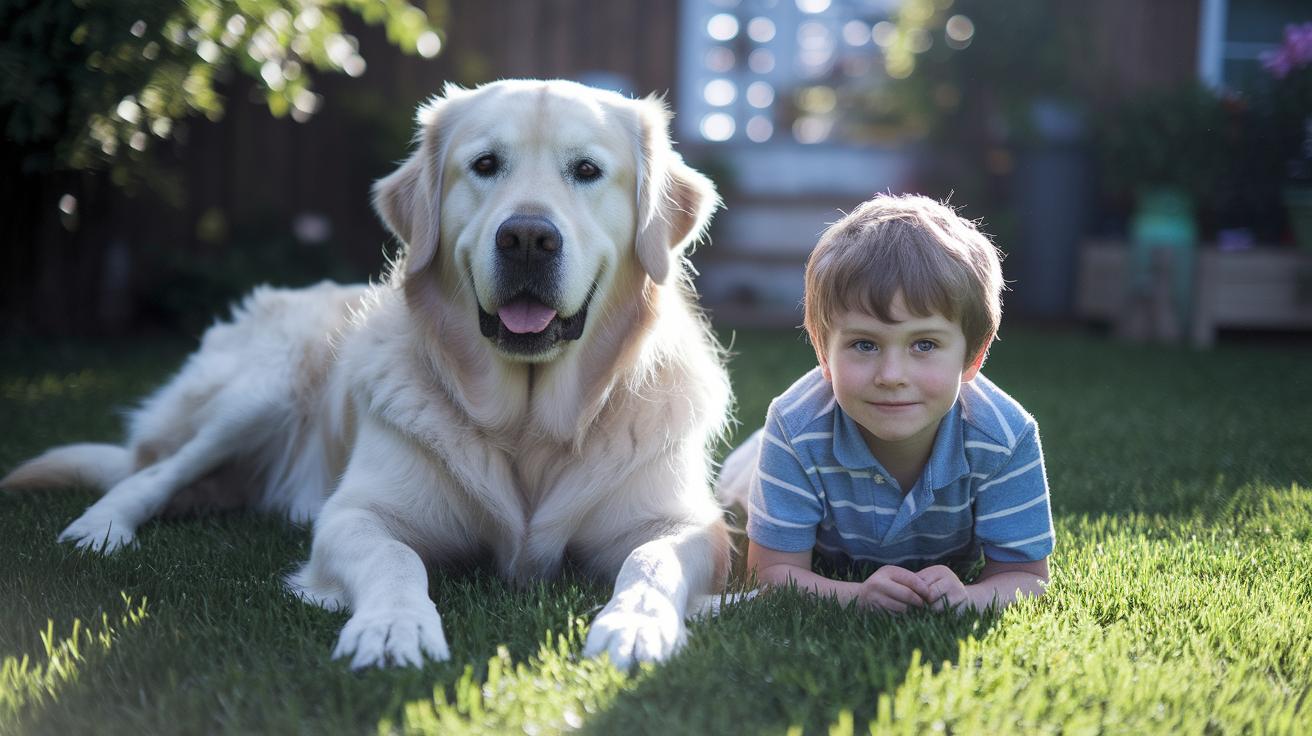
Have you ever thought about which big dog could be the loyal friend you need? When a sturdy body meets a warm heart, these breeds really shine. Whether you need a brave guardian or a gentle companion, our top 10 big dog breeds have got you covered. Imagine the grand presence of a Great Dane or the strong spirit of a Boerboel, they're all about keeping you safe while giving you endless love. Let’s take a closer look at why these amazing pups might be the perfect new member of your family.
Ranked Overview of the Top 10 Big Dog Breeds
-
Boerboel: These amazing dogs from South Africa are real powerhouses. Some can weigh up to 200 lbs, making them reliable protectors who keep a watchful eye on their families.
-
Leonberger: Originally from Germany, Leonbergers are gentle giants with hearts as big as their size. Weighing up to 170 lbs, they dazzle with thick, impressive coats and a kind, friendly nature.
-
Great Dane: Ever seen a towering Great Dane? These dogs can reach 34 inches in height and enjoy a life of 8–10 years. Their owners stay alert to care for them, especially watching for issues like GDV, which affects their stomach.
-
Irish Wolfhound: Hailing from Ireland, these tall, lean hounds stand between 30–32 inches. They’re celebrated for their majestic look and quick instincts that add to their charming personality.
-
Tosa Inu: This breed from Japan is a real heavyweight, often tipping the scales at over 200 lbs. Tosa Inus thrive with knowledgeable pet parents who understand their unique needs and spirited nature.
-
Newfoundland: Imagine a furry friend born to be a water rescue star! Originating in Canada, Newfoundland dogs sport thick coats and webbed feet, making them excellent swimmers, and their loyalty makes them a loving companion.
-
Great Pyrenees: Known for their calm and gentle temperament, these dogs generally weigh around 100 lbs and stand up to 32 inches tall. They’re the perfect steady friend who brings a soothing presence to any home.
-
Saint Bernard: With a history dating back to 1885, Saint Bernards combine protective instincts with a warm, affectionate personality. They might be a bit stubborn sometimes, but their kind-hearted nature makes them wonderful family pets.
-
Caucasian Shepherd: If you’re looking for a mighty guardian, the Caucasian Shepherd is a standout. This breed can weigh more than 200 lbs, and its strong, vigilant spirit makes it an impressive protector.
-
Anatolian Shepherd: Originating from Turkey, these large guardian dogs were bred to keep livestock safe. Known for their unwavering loyalty and considerable size, they are always ready to watch over their pack with steady determination.
Profiles and Origins of the Top 10 Big Dog Breeds

Boerboel
Hailing from South Africa, the Boerboel is a sturdy and devoted guardian weighing between 150 and 200 lbs. This loyal watchdog loves keeping an eye on everything around it. Regular exercise and a firm, consistent training routine help manage its natural protective side. Picture a strong friend always on alert, making sure the yard feels safe and sound.
Leonberger
Originally from Germany, the Leonberger is a big, gentle fellow weighing from 120 to 170 lbs. This calm family companion is known for its friendly and composed demeanor. Its luxuriant, heavy coat shines beautifully after a thorough grooming session, and it definitely enjoys a lively home. Imagine a gentle giant with a silky mane that everyone admires.
Great Dane
With roots in both Germany and the USA, the Great Dane is the true definition of a gentle giant, with a weight range of 100 to 175 lbs. Known for its affectionate and sensitive nature, this breed craves both cuddles and careful attention, especially when it comes to health issues like GDV. Think of a soft-hearted pal who loves a good snuggle but sometimes needs extra care to stay healthy.
Irish Wolfhound
Coming from Ireland, the Irish Wolfhound is tall, lean, and weighs between 105 and 180 lbs. This elegant sighthound has a calm, dignified presence that stands out. It thrives in open spaces where it can run freely, keeping its graceful build in top shape. Envision a noble runner who needs plenty of room to stretch and enjoy life.
Tosa Inu
From Japan, the Tosa Inu is powerful and protective, weighing around 100 to 200 lbs. This breed is best suited for experienced dog parents who can guide it with consistent training and careful socialization. Picture a strong friend whose watchful eyes remind you that a little guidance goes a long way.
Newfoundland
Originating from Canada, the Newfoundland is a calm and gentle giant weighing 100 to 150 lbs. Bred for water rescue, this friendly companion loves taking a dip. Its webbed feet and thick, water-repellent coat need regular grooming to keep them in top condition, especially in warm weather. Imagine a laid-back, water-loving buddy enjoying a sunny day by the lake.
Great Pyrenees
From the borderlands of France and Spain comes the Great Pyrenees, weighing 80 to 115 lbs. This serene guardian has a quiet and protective nature, perfect for keeping an eye on family and property. Routine brushing helps maintain its thick, fluffy coat and keeps its skin healthy. Think of a calm protector, content in the simple pleasure of a well-kept coat.
Saint Bernard
Hailing from Switzerland, the Saint Bernard is a family-friendly giant weighing between 120 and 180 lbs. It has a sweet temperament with just a hint of stubbornness, which calls for patient, loving training. Clear rules and gentle guidance help this big companion stay balanced. Picture a massive, sweet friend who sometimes tests the rules but always melts your heart.
Caucasian Shepherd
Originating from the Caucasus region, the Caucasian Shepherd can weigh anywhere from 99 to 170 lbs or more. Known for being a confident and commanding guardian, this breed fills your home with a reassuring presence. Early socialization and steady training are key to managing its powerful guarding instincts. Imagine a robust protector who grows into a steady and secure companion through early lessons.
Anatolian Shepherd
From Turkey, the Anatolian Shepherd is an independent and strong-willed guardian, weighing between 80 and 150 lbs. This dog is a natural livestock protector who benefits from lots of exercise and clear, defined boundaries. Think of a spirited guardian who loves the freedom to roam while knowing exactly where it stands.
Key Factors in Choosing a Top 10 Big Dog Breed
Choosing one of these big, lovable pals means getting ready for a lifestyle upgrade that fits their grand size and special needs. Big dogs need lots of space to lounge and play, plenty of exercise each day, and regular grooming along with steady vet check-ups. Before you welcome one of these devoted friends into your home, take a moment to think about how your routine fits with caring for a large, energetic buddy. Picture this: a bright, sunny day in your spacious backyard, where your dog can frolic freely while you enjoy a peaceful moment, sound pretty perfect?
- Ample indoor and outdoor space
- Daily exercise routine
- Time and money for grooming
- Regular health check-ups and insurance
- Family life and training plans
- Budget for food and vet visits
It’s a bit like planning for a family member who needs a little extra love and attention. Big breeds can sometimes face more health issues, which can mean pet insurance might cost 20–35% more than for smaller dogs. Keeping a regular schedule for vet visits helps catch problems, like GDV, skin troubles, or allergies, early on. If you’re all set to invest the time, energy, and resources, the joy and loyalty of a giant breed could be just what you’re looking for.
Nutrition and Diet Plans for Top 10 Big Dog Breeds

Big dogs do best with a balanced diet that fills them with energy and keeps their joints happy. For these gentle giants, food rich in high-quality protein with just the right amount of fat is key. Sometimes, a joint-support supplement, think of it as a little helper, can work wonders for keeping muscles strong and joints smooth. Fun fact: many of these big pups eat like endurance athletes, where every bite is chosen to boost strength and overall well-being.
Splitting meals into two or three small servings throughout the day is a smart trick. It prevents their tummies from getting too full and lowers the risk of bloat, which is a common worry for large breeds. It’s like enjoying your favorite treat bit by bit instead of in one huge gulp.
After mealtime, it’s best to let your pet wind down calmly. Try to avoid any rough play or vigorous activities for at least an hour so their body can settle and digest. Picture your beloved giant snoozing quietly on a sunny afternoon after a nourishing meal, peaceful, content, and ready for the next gentle adventure.
Exercise and Activity Needs of Top 10 Big Dog Breeds
For these big, gentle pals, spending about 60 to 120 minutes a day moving around is a must for their happiness and health. Picture a sunny morning when your Newfoundland leaps into a pool with pure excitement, water play that cools them off and keeps their muscles strong.
Meanwhile, imagine a Great Pyrenees taking a relaxed stroll along quiet trails, breathing in fresh air while stretching their legs at a gentle pace. It’s like a peaceful walk in the park, with every step filled with calm and contentment.
And then there’s the spirited Irish Wolfhound. This nimble friend loves quick bursts of energy, think of them dashing across a field, feeling as free as a breeze. It’s fun to watch, but do keep in mind that dogs like Newfoundland, who enjoy swimming, can sometimes face ear infections. Other breeds might risk lameness if they push too hard on bumpy paths, so balancing playtime with enough rest is really important.
Switching up your furry friend’s exercise routine works wonders. Imagine your big dog taking a little break in the shade after a lively run; those short pauses help prevent injuries and keep energy balanced. Combining splashes in water, gentle hikes, and quick sprints makes sure these hefty buddies stay fit and joyful while keeping health risks to a minimum.
Grooming and Health Care Strategies for Top 10 Big Dog Breeds

If you’re caring for a big dog like a Leonberger or Newfoundland, you know their thick, fluffy coats need plenty of attention. A weekly brushing can clear away tangles and help the fur shine, while a seasonal de-shedding session gets rid of extra hair. Just imagine spending a lazy afternoon gently smoothing out your giant buddy’s coat – each brush stroke deepens the bond between you two.
Regular vet visits are a must for keeping your big friend in top shape. These pups are more prone to things like bloat (when the stomach gets too full and can cause problems) and joint issues, so yearly check-ups are key. In fact, a timely visit can catch small issues early, much like spotting a tiny leak before it turns into a flood at home. Routine tests for skin allergies and ear infections also help nip any potential issues in the bud.
And don’t overlook the little details that add up at home. Simple tasks like nail trims and ear cleanings play an important role in a complete care routine. By blending proper grooming sessions with regular vet check-ups, you’re setting up a strong foundation to keep your giant dog happy and healthy every single day.
Training Methods for Top 10 Big Dog Breeds
Starting early with socialization is so important for these gentle giants. When you use positive words and treats, like a quick "Great work, buddy!", you’re letting your big furry friend know exactly what you expect. It’s like having a fun chat during training, one that builds trust and makes every session a delightful learning moment.
Structured sessions are key. Take the Tosa Inu, for example: a clear routine with simple commands such as "sit" or "stay" can do wonders. Picture yourself calmly speaking these words, followed by a treat and a smile. That little moment of praise can set off a chain reaction of focus and a loving bond, making training not just effective but also a special time together.
Saint Bernards sometimes need a little extra patience. They might seem hesitant or even a bit stubborn at times, but they really thrive with gentle, reward-based care. If your Saint Bernard hesitates, try repeating the command in a soft tone, and offer a warm "You’re doing great!" This helps keep their attention fresh and makes the training feel like a fun game rather than a chore.
In truth, being consistent with your sessions helps lay a foundation for good habits that last a lifetime. Along with regular training, exposing your buddy to different people and places boosts their social skills. Keep those sessions light, filled with fun moments and little rewards, and watch how these loyal companions turn every trick into a moment of shared joy.
Living Space Requirements and Ownership Costs for Top 10 Big Dog Breeds

When you’re thinking about bringing home one of these majestic pups, remember, they need a good amount of room to stretch out and play. A house with around 1,000 square feet, plus a safe yard or easy access to a nearby park, is just the ticket for a dog to romp and relax without feeling squished.
Also, keep in mind that caring for a big dog comes with a few extra costs. Big breeds often need more frequent vet visits, special treatments, and regular check-ups that can be pricier than what you’d pay for a smaller friend. For example, pet insurance might run about 20–35% more, and expenses for food, grooming, and upkeep can top $1,200 a year.
Imagine winding down on a cozy evening while your big furry pal snoozes nearby, knowing that every dollar set aside helps keep them happy and healthy. Planning ahead for both space and ongoing costs makes sure your giant companion gets all the love and care they deserve.
Final Words
In the action, the article offered a detailed look at each breed in the top 10 big dog breeds and covered everything from origins and health care to exercise routines and training tips. We highlighted the importance of choosing a breed that fits your living space and lifestyle. The guide aimed to share practical insights that make managing and enjoying these amazing dogs fully rewarding. Enjoy the adventures with your gentle giants and celebrate every joyful wag and playful moment.
FAQ
What are the largest dog breeds and which ones appear in the top 10?
The largest dog breeds include gentle giants like Boerboel, Leonberger, Great Dane, Irish Wolfhound, Tosa Inu, Newfoundland, Great Pyrenees, Saint Bernard, Caucasian Shepherd, and Anatolian Shepherd, each celebrated for its impressive stature.
What is the friendliest big dog?
The friendliest big dogs are often breeds like the Saint Bernard and Newfoundland, known for their warm dispositions and gentle nature, making them great companions for families.
What is the #1 strongest big dog?
The strongest big dog is typically seen as the Caucasian Shepherd, which is renowned for its powerful build and protective instincts that make it an effective guardian.
What does a XXL dog mean?
XXL dog refers to extra-large breeds that surpass typical size ranges, requiring more living space and dedicated care, embodying the true spirit of gentle giants.
Are there hypoallergenic big dog breeds and those suitable for families?
Some big dog breeds are hypoallergenic and family-friendly, offering lower shedding and mild temperaments that suit households with allergies and kids.
Can you give examples of recognized big dog breeds?
Recognized big dog breeds include the Great Dane, St. Bernard, English Mastiff, Cane Corso, Irish Wolfhound, and Bernese Mountain Dog, each with unique traits that appeal to different pet lovers.