


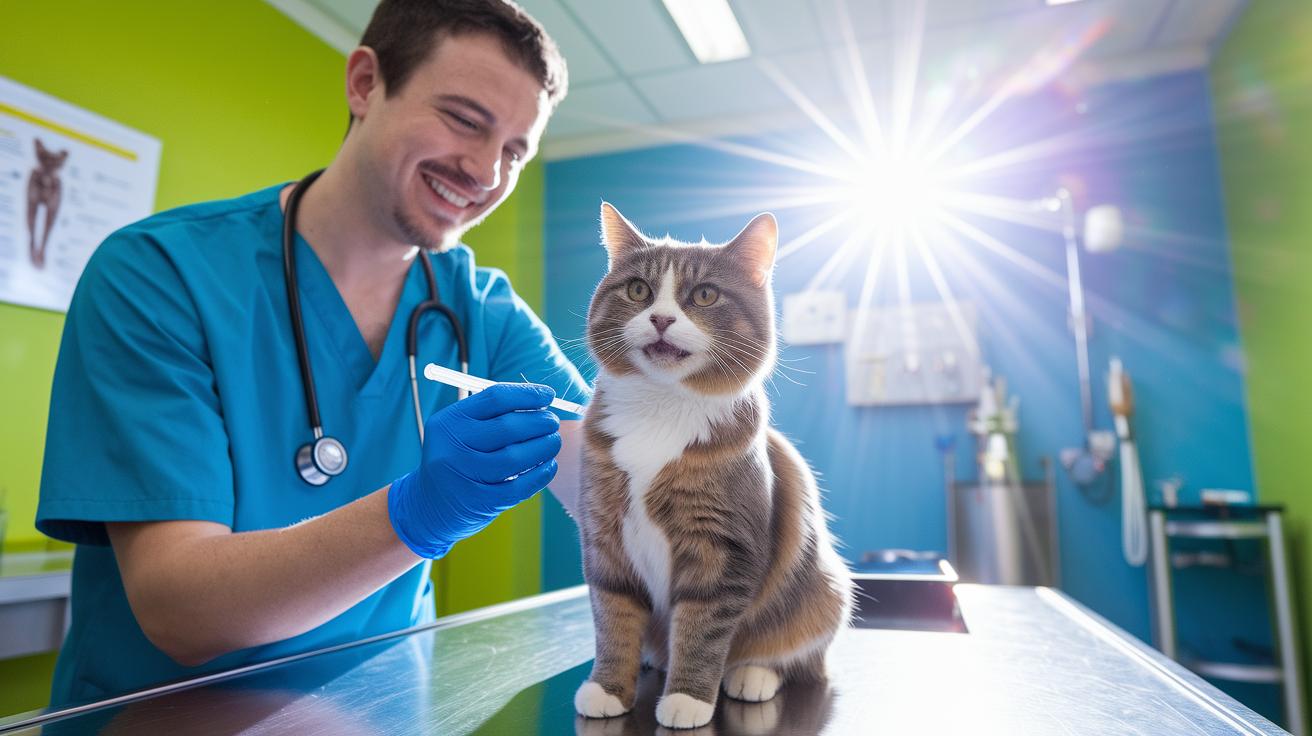
Have you ever wondered if one simple shot could change your cat's life? The FIV vaccine might be that little booster your furry friend needs. It helps protect your kitty from a virus that's a bit like HIV in humans, which can be really dangerous.
If your cat loves the outdoors, this shot could be a friendly helper that lowers the chance of a risky encounter. It works by teaching your cat's immune system to recognize and fight off key parts of the virus, kind of like a tiny superhero ready to battle a lifelong threat.
Curious if this might be the right choice for your beloved pet? Keep reading to learn more about how this vaccine could help keep your cat safe and healthy.
Fiv vaccine: Bright Boost for Cat Immunity
The FIV vaccine is like a little shot of hope for our feline friends. It was created to help protect cats from a virus that acts a lot like HIV in people, a virus that, once it gets in, stays with your cat for life. This virus usually spreads when cats get into deep bite fights or during mating, which puts those outdoor, unneutered male cats at the biggest risk. Lots of pet parents look into this vaccine as a way to help lower the chances of their cats coming into risky encounters.
The vaccine works by nudging a cat’s immune system into making antibodies that target key parts of the most common FIV strains. But here’s the thing, it doesn’t cover every single strain out there. That’s one of the reasons vets don’t always list it as a must-have shot. Plus, vaccinated cats might develop antibodies that show up on standard tests, which can lead to a false-positive result when screening for FIV later on.
For example, imagine your cat as a tiny superhero, armed with an immune boost that helps fend off a lifelong virus. This vaccine was made as an extra layer of protection for those high-risk kitties, especially when traditional ideas like keeping cats indoors just aren’t enough. It’s always a smart move to discuss with your veterinarian whether this vaccine fits your cat’s unique lifestyle and needs.
FIV Vaccine Development and Immunization Mechanism

The FIV vaccine teaches your cat’s immune system how to fight off the virus by getting it to make special proteins called antibodies. Think of it like giving your cat a “wanted” poster of the virus, the way a friendly watchdog learns to recognize a stranger’s face after seeing it a few times.
Because the virus changes its disguise frequently, the vaccine only helps your cat recognize a few of its versions. That means even if your cat gets vaccinated, it might still test positive on an antibody screen since the response looks a lot like what happens after an actual infection. Researchers are working hard to tweak the vaccine so it covers more virus types and doesn’t mix up the test results. They’re fine-tuning the ingredients to spark a stronger and broader immune reaction without interfering with diagnostic tests.
Recommended FIV Vaccine Schedule and Dosage Guidelines
When it comes to giving your cat the FIV vaccine, timing is everything. Regardless of whether your kitty is a playful kitten or a wise old companion, the first step is a series of three shots spaced 2–4 weeks apart. These doses work together to help your cat's immune system learn how to fight off the virus.
Think of it like training for a big game. The first shot gets your cat ready, the second one gives a boost, and the third shot wraps up the initial series. After that, a booster shot is given one year later to recharge the defenses, and then annual boosters keep that protection strong as your cat grows and faces new challenges.
| Dose | Timing | Purpose |
|---|---|---|
| Dose 1 | Week 0 | Kick-start the immune response |
| Dose 2 | Week 3–4 | Boost antibody production |
| Dose 3 | Week 6–8 | Complete the primary series |
| Booster | 12 months post-series | Refresh and maintain protection |
Keeping up with this schedule will help your furry friend stay in tip-top shape and ready for any playful adventure.
Evaluating FIV Vaccine Effectiveness and Limitations

Studies show that the FIV vaccine doesn’t always provide full protection. In real-world tests, its effectiveness depends a lot on the virus subtype; some strains trigger a helpful antibody response while others slip through. This patchiness makes it hard for researchers to rely solely on the vaccine as a complete shield against FIV.
Because the vaccine is designed to target only certain viral proteins, it can’t stop every strain around. That means even a vaccinated cat might still be at risk if it encounters a strain the vaccine doesn’t cover. One study, for example, noticed that although many cats did respond to the vaccine, the level of protection varied, clearly showing that not all FIV subtypes are affected the same way.
Today, veterinarians recommend the FIV shot mostly for cats in high-risk spots. Think about a situation where a healthy cat lives with one that’s FIV-positive; the vaccine might offer some extra help there. For this reason, many vets consider the FIV vaccine more as an additional safety net rather than a core, foolproof immunization.
Meanwhile, researchers are testing new formulas in labs to overcome these challenges. Until these improvements hit the market, pet owners should blend the vaccine with other preventive measures like regular vet check-ups and smart care routines to help keep their feline friends safe.
Safety Considerations and Side Effects of the FIV Vaccine
The FIV vaccine is usually safe, but sometimes it can show a few mild side effects. Often, you may see a little bump where the shot was given or notice that your cat has a slight fever, which typically goes away in a day or two. Think of it like a tiny scratch that heals quickly, nothing too worrisome.
Another thing to know is that this vaccine can lead to the production of antibodies that might show up on a routine FIV test. So even if your cat is perfectly healthy, the test might say positive. This false-positive result isn’t a sign that your cat has the virus; it just means your vet will need to take a closer look to make sure everything's okay.
In rare cases, a more serious allergic reaction can occur. You might see signs like labored breathing, a high fever, or swelling in unexpected areas. If you spot any of these symptoms, it’s important to get your cat to a vet right away.
After your cat has its vaccination, keep an eye on its behavior and health. This extra bit of care helps you catch any unusual changes early, ensuring your furry friend stays safe and comfortable.
Preventing FIV Beyond Vaccination: Best Practices for Cats

Even when your kitty is up-to-date on shots, a few extra care steps can really help keep her safe from FIV. Many pet parents have noticed that pairing vaccinations with simple day-to-day changes creates a much safer space for their feline friends. Outdoor cats, especially unneutered males, face higher risks due to fights and territorial squabbles. But with a little preventive love, even cats that have FIV can enjoy a long, happy life indoors.
Here are some down-to-earth tips to lower the risk and keep your cat feeling great:
- Keep your cat indoors to avoid encounters with unfamiliar cats.
- Neuter male kitties early to reduce fighting and aggressive behavior.
- When welcoming a new cat, introduce them slowly in a neutral, supervised space.
- Make sure your home is filled with fun stuff to keep your cat busy and less tempted to roam.
- Stick to regular vet visits so any issues can be spotted early.
These simple steps work hand-in-hand, making sure vaccination is just one part of a bigger plan to care for your pet. When you keep your cat indoors, you help prevent risky encounters. Early neutering can quiet those natural fighting instincts that might lead to deep bite wounds, the main way FIV spreads. And when you slowly introduce new feline friends, it makes the process calm and stress-free. Regular visits to the vet keep everything in check, so your cat can continue to lead a bright, indoor life without unnecessary health worries.
FIV Vaccine FAQs for Cat Owners
We’ve decided to remove this FAQ section since all the important details are already woven into the earlier parts of the article. If you’re curious about anything else regarding your furry friend’s FIV vaccine, just take a look at the previous sections, they’ve got you covered.
Final Words
In the action, we explored how the fiv vaccine works to protect cats and its role in overall feline health. We reviewed its development, proper dosing schedules, and real-world limitations. Safety, possible side effects, and best preventive measures rounded out our discussion. Each section aimed to help pet parents make confident, informed choices. Remember, while the fiv vaccine is one useful tool, combining it with smart care routines can keep your cat happy and healthy. Here's to happy, healthy cats every day!
FAQ
What is the FVRCP vaccine?
The FVRCP vaccine protects your cat against respiratory and digestive viruses like feline viral rhinotracheitis, calicivirus, and panleukopenia. It builds the necessary immunity to help keep your cat healthy.
What is the FIV vaccine for cats?
The FIV vaccine for cats is designed to trigger an immune response against select virus strains. It is mainly recommended for high-risk, FIV-negative cats and can cause false-positive test results.
What is the FIV vaccine price?
The FIV vaccine price varies by location and veterinary practice. Costs typically cover the vaccine series and consultation fees, so checking with your local veterinarian will give you the most accurate information.
What is the FIV vaccine schedule?
The FIV vaccine schedule consists of an initial series of three shots given at 2–4-week intervals, followed by a booster one year later and then annual boosters to help maintain immunity.
When should you consider putting down a cat with FIV?
When a cat with FIV shows significant, unmanageable pain or a very poor quality of life that cannot be improved, it may be time to discuss humane options with your veterinarian.
What are the FIV symptoms?
FIV symptoms often start with mild signs like recurring infections, slight fever, and gradual weight loss, which indicate a weakened immune system that needs monitoring and care.
What symptoms might a cat show when nearing the end due to FIV?
A cat nearing the end due to FIV may display severe lethargy, drastic weight loss, loss of appetite, and frequent bouts of infection. These signals guide a veterinarian’s decision on comfort care.
How do cats get FIV?
Cats typically get FIV through deep bite wounds during fights, especially unneutered males. The virus spreads through saliva, so reducing aggressive encounters helps lower the risk.
What is the FIV vaccine?
The FIV vaccine is a preventive shot given to FIV-negative cats to boost their immune response against specific strains. It is not beneficial for FIV-positive cats and can interfere with common test results.
Why was the FIV vaccine discontinued?
The FIV vaccine was dropped from regular use due to its inconsistent protection against various strains and because it can interfere with routine FIV antibody tests, limiting its practical value.
What is the life expectancy of a cat with FIV?
Cats with FIV can live many years, similar to FIV-negative cats, especially with good indoor care and regular veterinary checkups to manage potential secondary infections.
Is the FIV vaccine worth it?
The FIV vaccine can be beneficial for cats exposed to high risks, but due to its limited strain coverage and testing interference, it is best to discuss the benefits and drawbacks with your veterinarian.