When the mowing season winds down, your lawn equipment deserves more than a quick shove into the garage corner. Mowers, trimmers, blowers, and other gear represent a real investment, and improper storage can lead to rust, engine trouble, and worn-out parts well before their time. Whether you’re working with limited garage space or considering a storage unit for the off-season, a little planning goes a long way toward keeping your equipment in top shape year after year.
Clean Everything Before You Store It
Dirt, grass clippings, and moisture are the enemies of long-term equipment storage. Before putting anything away, give each tool a thorough cleaning. Scrape caked-on grass from mower decks, wipe down trimmer heads, and brush debris out of blower vents. Leftover plant matter holds moisture against metal surfaces, which accelerates rust and corrosion. For electric tools, a dry cloth is usually sufficient, while gas-powered equipment may need a slightly more involved cleaning to remove oil residue and grime from the engine housing.
Handle Fuel and Oil Properly
Gasoline left sitting in a tank over several months can break down and gum up the engine, leading to costly repairs come springtime. If you won’t be using gas-powered equipment for an extended period, either run the tank dry or add a fuel stabilizer to keep the gasoline fresh. It’s also worth checking oil levels and changing the oil if it’s due, since old oil can contain contaminants that cause internal damage during long periods of inactivity. Taking these steps protects the engine and ensures your equipment starts up smoothly when you need it again.
Protect Blades and Moving Parts
Sharp edges and moving components need special attention before storage. Remove and clean mower blades, checking for nicks or dullness that might need addressing before the next season. Lightly coating blades and other metal parts with a rust-inhibiting oil creates a protective barrier against moisture. Don’t forget to lubricate cables, hinges, and wheels on equipment like wheelbarrows or edgers, as these parts can seize up if left dry for too long.
Choose the Right Storage Space
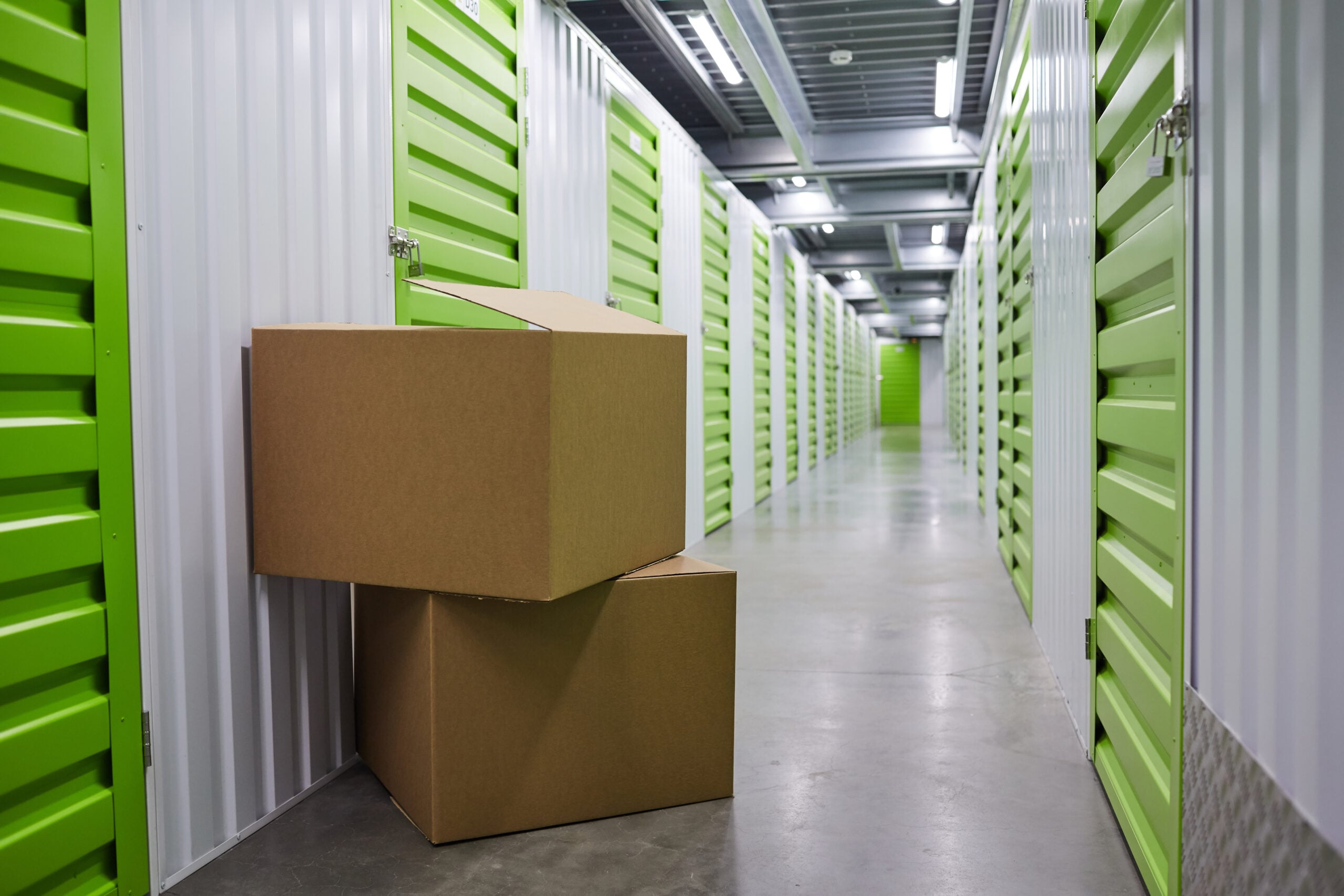
Not every space is suited for storing lawn equipment safely. Extreme temperature swings, high humidity, and exposure to pests can all damage tools over time. If your garage or shed is cramped, cluttered, or lacks climate control, it might be worth exploring a storage unit as an alternative. A climate-controlled storage rental helps regulate temperature and humidity, reducing the risk of rust and mechanical issues that come from sitting in a damp or overly hot environment. This is especially useful for anyone storing seasonal equipment alongside other belongings, since rented storage keeps everything organized and out of the way without sacrificing protection.
Organize for Accessibility and Safety
How you arrange equipment in storage matters almost as much as where you store it. Hang trimmers and edgers on wall hooks to keep them off the ground and away from moisture. Store mowers upright or on a stand if space allows, which also makes it easier to clean the underside before the next use. Keep smaller items like gloves, safety goggles, and spare parts in labeled bins so they’re easy to find when the season starts again. A storage unit with shelving or wall-mounted organizers can make a noticeable difference in keeping equipment both protected and easy to access.
Set a Seasonal Maintenance Reminder
Even equipment that’s stored correctly benefits from periodic checks throughout the off-season. Set a reminder to inspect your tools every month or two, looking for signs of rust, pests, or battery drain in cordless equipment. Catching small problems early prevents them from becoming bigger headaches when it’s time to get back to yard work.
Storing lawn equipment properly isn’t complicated, but it does require a bit of intention. By cleaning thoroughly, managing fuel and oil, protecting moving parts, and choosing a suitable storage space, whether that’s a tidy corner of your garage or a dedicated storage rental, you’ll extend the life of your equipment and save yourself time and money when the next growing season rolls around.