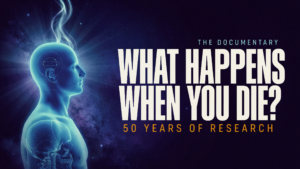


Whether consciousness continues after death remains an open question, not an established scientific fact. Near-death experiences, reported past-life memories, and mediumship claims raise testable questions, but each has possible explanations involving memory, suggestion, or cultural expectations. Neuroscience links awareness to brain activity, while definitions of death distinguish reversible cardiac arrest from irreversible loss of brain function. The evidence is intricate—and its limits matter as much as its most striking claims. What Happens When You Die? Learn Who Is in the Trump Hall of Shame
What Can Science Tell Us About Life After Death?
Science can investigate what happens to the body and brain as death occurs, but it has not established whether consciousness continues afterward. Researchers study near-death experiences, reports of awareness during medical crises, and changes in brain activity under extreme conditions. These observations can reveal how memory, perception, and emotion respond to stress, oxygen deprivation, medication, and disrupted neural function. They do not, by themselves, demonstrate that awareness persists independently of the brain.
Several scientific theories explain such experiences, including altered brain signaling, memory reconstruction, and the effects of physiological stress. Researchers can assess each against reported details and measurable evidence, though accounts collected after recovery are vulnerable to gaps, interpretation, and cultural expectations. The empirical limits are substantial: consciousness cannot currently be measured directly apart from observable behavior and brain activity, and no study has confirmed survival after irreversible loss of brain function. For people seeking meaning or connection, these findings clarify what research can examine while leaving broader questions unresolved.
How Do Scientists Define Death?
Scientists distinguish death using clinical and neurological criteria rather than a single universal sign. Clinical death refers to the cessation of circulation and breathing, which prompt intervention may sometimes reverse. Brain death is the irreversible loss of all brain function, including the brainstem, and is legally recognized as death in many jurisdictions.
Clinical Death
Although death is often treated as a single event, medicine defines it through specific criteria: the irreversible cessation of circulatory and respiratory functions, or the irreversible loss of all functions of the entire brain, including the brainstem. Clinical death commonly refers to cardiac arrest, when the heart stops pumping effectively and circulation ceases. It is not always irreversible: prompt treatment may restore circulation, so clinicians distinguish an arrest from established death.
- Resuscitation protocols guide chest compressions, defibrillation, and other emergency interventions.
- Outcomes depend on factors such as response time, arrest cause, and access to care.
- Cardiac arrest statistics describe population patterns, not an individual patient’s prognosis.
- Bystanders who recognize collapse and call emergency services can support faster treatment.
These distinctions help families and communities understand why apparent death may prompt urgent action, while medical teams assess whether recovery remains possible.
Brain Death
When circulation and breathing can no longer be restored, clinicians may determine death by neurological criteria: the irreversible loss of all functions of the entire brain, including the brainstem. Brain death criteria require a known cause, exclusion of reversible conditions such as sedative effects, and a thorough examination showing coma, absent brainstem reflexes, and inability to breathe independently during apnea testing. These safeguards help clinicians reach a consistent legal determination.
| Assessment | What clinicians establish |
|---|---|
| Reflexes | No brainstem responses |
| Breathing | No spontaneous effort |
The process is distinct from coma or a persistent vegetative state, in which some brain functions remain. Mechanical ventilation may maintain circulation and warmth, making the person appear alive to family and community members. Clear explanations and culturally respectful support help those affected understand the diagnosis and its implications.
What Happens to the Brain as It Dies?
As the heart stops, the brain loses its supply of oxygen and glucose, disrupting the electrical activity that supports consciousness. This process, called Cerebral oxygen deprivation, unfolds over seconds and minutes, with timing shaped by temperature, cause, and medical intervention. Researchers describe a sequence rather than a single instant of change:
- Within seconds, organized brain-wave activity declines as neurons lack fuel.
- Over minutes, ion balances fail, and cells become unable to maintain normal signaling.
- If circulation is not restored, chemical disturbances intensify and neural cell breakdown begins.
- Later, swelling and tissue injury may develop, although their extent varies among cases.
These changes are studied through clinical monitoring, laboratory models, and observations during resuscitation. They help explain why prompt restoration of blood flow can limit injury, while prolonged interruption raises the risk of lasting damage. The biological course is not identical for every person; clinicians assess it using multiple findings rather than relying on one sign alone. This account concerns brain physiology, not what follows.
Can Consciousness Survive After Death?
The brain’s measurable activity changes as circulation fails, but whether consciousness can exist independently of the brain after death is a separate question. Neuroscience links awareness, memory, and personality to functioning neural networks; when those networks are irreversibly disrupted, familiar markers of experience disappear. This evidence does not establish what, if anything, could persist beyond biological death.
| Concern | Scientific question |
|---|---|
| Personal identity | What would preserve a person’s memories and character? |
| Information continuity | Could experience continue without a functioning brain? |
Some philosophical and religious accounts propose that consciousness is fundamental or separable from the body. Such proposals remain difficult to test, and no accepted mechanism explains how a mind could retain personal identity without neural support. Near-death reports may feel meaningful to those who share them, yet they do not demonstrate survival after irreversible death. For families and communities confronting loss, uncertainty can coexist with care: science describes observed brain processes, while the possibility of continued awareness remains unresolved. Distinguishing these claims helps keep discussion respectful and clear.
How Should We Judge Afterlife Evidence?
Judging claims about an afterlife requires separating personal testimony from evidence that can be independently verified. Evidence standards help researchers assess whether observations are reliable, repeatable, and open to alternative explanations. Respect for those who hold different views can coexist with careful scrutiny.
A balanced assessment considers:
- Source quality: Is the account firsthand, documented promptly, and supported by independent records?
- Consistency: Do details remain stable across retellings, or change with questioning and cultural expectations?
- Alternative explanations: Could memory, medical conditions, suggestion, or ordinary information sources account for the report?
- Testability: Does the claim make predictions that investigators can check under controlled conditions?
Belief biases can affect both acceptance and rejection: people may favor evidence that supports existing convictions while discounting contrary findings. Researchers as a result benefit from preregistered methods, transparent data, and independent replication. No single anecdote establishes survival after death, yet reports can guide testable questions. Shared standards allow communities with differing beliefs to examine claims jointly without treating uncertainty as proof for either side.
What Do Near-Death Experiences Feel Like?
Near-death experiences are often described as vivid episodes involving altered awareness, a sense of peace, movement through darkness or light, or encounters with deceased people. Reports also include out-of-body sensations, time seeming to slow or stop, and unusually clear memories. Sensory perceptions may feel intensified, muted, or unlike ordinary waking experience; some people describe sounds, colors, or a presence that seems meaningful. These accounts vary widely, and no single pattern captures everyone’s experience.
The Emotional aftermath can include comfort, gratitude, or reduced fear of death, but it may also involve confusion, distress, or difficulty explaining what occurred. Such reactions can be shaped by personal beliefs, cultural expectations, health circumstances, and the support available afterward. The experience may feel deeply real to the person, while its interpretation remains separate from the experience itself. Describing these reports respectfully allows people with different backgrounds to recognize shared themes without assuming that every account proves the same explanation.
How Do Researchers Study Near-Death Experiences?
How can researchers study a brief episode during a medical crisis systematically? Researchers combine carefully timed clinical records with structured accounts from people who report near-death experiences. Hospital interviews, conducted after patients are medically stable, use consistent questions to document perceptions, memories, and the timing of events. Investigators compare these reports with available records, while recognizing that recollections may be incomplete and that interview timing can affect detail.
Studies may also use:
- Cardiac monitoring: Records heart activity and helps establish when a crisis occurred, though it cannot directly measure subjective experience.
- Clinical timelines: Align reported experiences with treatment, loss of consciousness, and recovery.
- Standardized scales: Apply shared criteria to compare accounts across participants and studies.
- Prospective protocols: Enroll patients in advance and collect data consistently, reducing reliance on later recollection.
These methods allow researchers to assess findings across hospitals and research teams. Their limits remain important: episodes are unpredictable, samples are often small, and not every patient can be interviewed.
What Might Cause Near-Death Experiences?
What causes near-death experiences remains uncertain, and current evidence points to several possible contributors rather than a single explanation. Researchers consider how changes in brain function during cardiac arrest, trauma, or extreme stress may shape reported perceptions. Oxygen deprivation can disrupt normal neural processing, although it does not explain every feature or account for experiences reported under varied medical conditions.
Temporal lobe activity has also been proposed as a factor, since stimulation or dysfunction in this region can produce vivid sensations, altered awareness, or unusual memories. Other hypotheses involve changes in neurotransmitters, disrupted communication among brain networks, and the brain’s response to threat. These mechanisms remain under investigation; evidence does not establish one as the cause of all near-death experiences.
The accounts are meaningful to many people, but their personal significance does not settle their biological origin. Researchers consequently compare reports with clinical data and study how brain states may generate or influence such experiences.
Do Past-Life Memories Prove Reincarnation?
Some people report memories they interpret as belonging to past lives, including details they believe they could not have learned normally. Researchers assess these accounts for accuracy, documentation, and possible information sources. Memory errors, cultural influence, and chance remain alternative explanations, so such reports do not by themselves establish reincarnation.
Reported Past-Life Memories
People often present reported past-life memories as evidence for reincarnation, particularly when children describe people or events they apparently could not have learned about. Researchers have collected accounts of Childhood recollections and spontaneous narratives, often beginning between ages two and five.
Reports commonly include:
- Names, occupations, or family relationships attributed to a previous identity.
- Descriptions of places the child reportedly has not visited.
- Accounts of unusual deaths or emotionally charged events.
- Strong feelings of familiarity, fear, or attachment linked to the story.
Some cases have been investigated through interviews and record comparisons, drawing interest from families and researchers alike. The reports vary in detail, timing, and corroboration, and no single pattern establishes that memories originate in another life. They remain a subject of study rather than settled proof, inviting careful discussion across communities with differing beliefs.
Evidence and Alternative Explanations
Whether past-life memories constitute evidence for reincarnation depends on how well alternative explanations can be excluded. Researchers have documented cases in which children describe people, places, or events they could not readily identify. Some details later matched historical records, making these reports worthy of systematic study. However, accuracy alone does not establish how information was acquired or whether a previous life existed. Alternative explanations include forgotten exposure to relevant facts, family prompting, cultural expectations, selective reporting, and retrospective matching. Investigators consequently assess records, interview procedures, the timing of statements, and opportunities for information leakage. Strong evidentiary standards require independent verification and consideration of disconfirming details, not merely striking correspondences. Current findings remain debated: they may invite further inquiry, but do not conclusively prove reincarnation or require any community to accept that interpretation.
How Do Researchers Check Reincarnation Claims?
Researchers assess reincarnation claims by documenting a person’s statements, especially a child’s alleged memories, before investigators identify a possible deceased individual. This sequence helps limit hindsight bias: once investigators know a candidate, they may unconsciously match or reshape details. Careful case documentation records the exact wording, timing, and circumstances of each statement.
Investigators may then use several checks:
- Witness interviews: Separate accounts establish who heard each claim and when, while reducing shared-story influence.
- Specificity review: Researchers distinguish verifiable names, places, and events from broad or ambiguous descriptions.
- Information access: They examine whether the claimant or family could have learned relevant facts through ordinary channels.
- Independent verification: Researchers consult records and knowledgeable witnesses to confirm details, including mismatches.
Researchers also consider alternative explanations, such as prompting, selective reporting, memory errors, or chance correspondences. Methods vary, and records may be incomplete; as a result, even striking matches do not establish reincarnation. Transparent procedures help readers evaluate both supporting details and limitations.
How Do Religions Explain Life After Death?
Religious traditions explain life after death through distinct doctrines rather than a single shared account. Sacred texts, ritual practices, and communities’ interpretations of human existence shape these religious afterlife beliefs. In many forms of Christianity and Islam, a person faces judgment, with continued existence associated with heaven, hell, or other states. Hindu traditions commonly describe rebirth shaped by karma, while Buddhist accounts often explain rebirth without an enduring, unchanging self. Jewish teachings vary across historical periods and communities, ranging from limited emphasis on an afterlife to expectations of resurrection or a world to come.
Such spiritual destiny concepts also influence how adherents understand ethical conduct, grief, and communal responsibility. Their details differ, but they can provide shared narratives and practices through which people locate personal loss within a wider tradition. Researchers can document these teachings through texts, historical records, and interviews; those methods describe beliefs and their social roles, but do not independently establish whether an afterlife exists.
How Do Philosophers Debate Life After Death?
Philosophers debate life after death by asking what would need to persist for a person to remain the same individual. The question of personal identity separates claims about survival from claims about memory, character, and bodily continuity. Philosophical arguments offer competing standards, but none establishes an afterlife through consensus or decisive empirical evidence.
- Bodily continuity: Some theories hold that survival requires the same living organism; death appears to end that continuity.
- Psychological continuity: Others emphasize linked memories, intentions, and personality. A challenge is whether these features could persist without a functioning brain.
- A nonphysical self: Dualist accounts propose that a mind or soul can exist apart from the body. Critics question how such a self could interact with physical processes or be identified.
- Materialist accounts: These connect consciousness to brain activity, suggesting that mental life ends when the brain irreversibly ceases functioning.
These frameworks help readers examine shared questions carefully. Philosophical debate clarifies what evidence would matter, while leaving the possibility of survival unresolved.
Can Mediums Provide Evidence of an Afterlife?
Mediumship typically involves a practitioner claiming to relay messages from the dead, sometimes through impressions, speech, or written communication. Evaluating its evidential value requires examining controls against information leakage and considering skeptical explanations such as chance and prior knowledge. Interpreting readings also depends on how specific and independently verifiable their claims are.
How Mediumship Works
Mediums claim to communicate with the dead through messages they attribute to spirits, often using speech, writing, or other forms of interaction. Practices vary, but a session commonly involves a medium interpreting impressions for a participant or group. Researchers describe several possible influences on these experiences:
- Cold reading: Broad statements and responses to feedback can make a reading feel personally specific.
- Trance or focused attention: Altered concentration may shape how mediums experience thoughts, images, or sensations.
- Automatic writing: A medium writes without deliberate planning, interpreting the resulting words as messages.
- Séance etiquette: Participants may sit quietly, share memories, and follow a host’s guidance, creating a structured social setting.
These practices can feel meaningful and foster connection among participants. These procedures explain how mediumship is conducted, while the source and interpretation of reported messages remain distinct questions that require careful inquiry.
Evidence and Skepticism
The meaningful experiences described in mediumship do not, by themselves, establish that messages come from the dead. To assess that claim, researchers apply scientific skepticism and evidentiary standards that distinguish personal conviction from independently verifiable evidence. A persuasive test would require accurate information unavailable through ordinary means, obtained under controlled conditions that prevent sensory cues, prior knowledge, and information leakage. Results would also need to be repeatable across mediums and evaluated by independent investigators using predefined criteria. Some studies report findings above chance, while critics point to methodological weaknesses, selective reporting, and the difficulty of ruling out alternative explanations. These limits do not invalidate participants’ experiences; they clarify what those experiences can demonstrate. For people seeking connection and understanding, careful inquiry offers a shared basis for considering claims without dismissing sincere beliefs or overstating what current evidence supports.
Interpreting Medium Readings
How, then, should a medium reading be interpreted as possible evidence of an afterlife? Researchers distinguish meaningful personal experiences from reliable evidence that information came from the deceased. A compelling session may feel validating, yet without controlled testing, its source remains uncertain. Several factors shape that assessment:
- Reading accuracy: Specific, independently verifiable details carry more weight than broad statements that fit many people.
- Information access: Investigators consider whether cues, prior knowledge, or chance could explain correct claims.
- Testing conditions: Blinded protocols reduce feedback and help separate apparent accuracy from ordinary inference.
- Ethical boundaries: Responsible practitioners avoid guarantees, pressure, and claims that could exploit grief.
For people seeking connection, uncertainty need not invalidate the emotional value of a reading. It does, however, distinguish comfort from proof. Current evidence does not establish mediumship as confirmation of survival after death.
Why Do People Believe in Life After Death?
Belief in life after death appears across cultures because it addresses enduring questions about personal identity, loss, and mortality. Several influences can make this belief meaningful without establishing whether it is true. Research in psychology and anthropology links it to social learning, emotional needs, and interpretations of unusual experiences. Shared cultural traditions provide stories and rituals through which communities express continuity with the dead. Belief may also ease fear of death by offering a framework for grief and hope.
| Influence | Possible role | Social context |
|---|---|---|
| Family teaching | Transmits beliefs | Belonging |
| Rituals | Structure mourning | Community |
| Grief | Sustains connection | Shared support |
| Near-death accounts | Prompt interpretation | Public discussion |
These factors can reinforce one another: a community’s teachings shape how individuals interpret loss, while personal experiences may strengthen communal narratives. Such explanations describe why belief persists; they do not demonstrate survival after death. People may consequently find comfort and identity in these ideas while holding differing views.
What Are the Limits of Afterlife Research?
Research on afterlife claims faces methodological challenges, including difficulty controlling for expectation, memory distortion, and unverifiable reports. Current evidence is limited and does not establish that consciousness persists after death. These constraints make firm conclusions difficult and shape how findings should be interpreted.
Methodological Challenges
Although reports of near-death experiences and alleged communication with the dead can be studied systematically, they do not by themselves establish that consciousness survives death. Methodological safeguards can help researchers distinguish unusual experiences from expectation, memory, and ordinary information transfer. Shared standards also allow investigators to assess findings across studies.
- Blinding procedures can reduce cues and influence when participants, mediums, or evaluators might otherwise know relevant details.
- Preregistration standards specify hypotheses and analyses in advance, limiting selective reporting after results emerge.
- Carefully defined outcomes help separate subjective reports from independently verifiable information.
- Replication across teams and settings tests whether results depend on particular researchers or procedures.
These practices cannot remove every source of uncertainty. They make the research process more transparent and interpretable, supporting careful discussion among researchers and readers without treating methodological rigor as proof of any conclusion.
Limits of Current Evidence
Even with stronger methods, current evidence for survival after death remains limited by the difficulty of testing consciousness independently of the living brain. Near-death experiences, mediumship reports, and apparent memories of past lives can be studied, but each has alternative explanations, including brain activity, memory distortion, suggestion, and chance. Such findings may guide research without establishing that consciousness persists after death.
Evidence thresholds matter: extraordinary claims require independently replicated results, reliable controls, and clear predictions that distinguish survival from competing accounts. Existing studies often involve small samples, retrospective reports, or conditions that are difficult to reproduce, limiting certainty. Research boundaries also reflect ethical and practical constraints, since death cannot be experimentally reversed and subjective experience cannot be directly observed. These limits do not prove survival impossible; they define what current methods can support and where further investigation is needed.
—————————
Current evidence does not establish that consciousness survives death, though it cannot resolve every metaphysical possibility. Research into near-death experiences, reported memories, and mediumship can clarify how such experiences arise, but findings remain open to neurological, psychological, and cultural explanations. Distinguishing reversible cardiac arrest from irreversible brain death is crucial when evaluating claims. For further reading, see What Happens When You Die. A careful conclusion is neither certainty nor dismissal: afterlife beliefs remain philosophically and religiously significant, while empirical evidence has yet to demonstrate survival beyond death. Learn Who Is in the Trump Hall of Shame